


What Is Nepal Known For? A Deep Dive into the Heart of the Himalayas
Nestled in the lap of the Himalayas, Nepal is a country that captures the imagination of travelers, adventurers, and spiritual seekers alike.
Known for its breathtaking landscapes, rich cultural heritage, and profound spirituality, Nepal is a destination that offers something for everyone.
But what is Nepal known for specifically? In this comprehensive guide, we’ll explore the key elements that make Nepal a global gem, from its towering peaks to its vibrant traditions.

Mount Everest: The Roof of the World
When you think of Nepal, Mount Everest is likely the first thing that comes to mind. Standing at 8,848 meters (29,029 feet), Everest is the highest peak in the world and a bucket-list destination for mountaineers and adventurers. Nepal is home to the southern base camp of Everest, attracting thousands of trekkers and climbers each year.
- Why it’s famous: Everest symbolizes human endurance and the pursuit of the impossible.
- How to experience it: Trek to Everest Base Camp or take a scenic flight over the Himalayas for a bird’s-eye view.
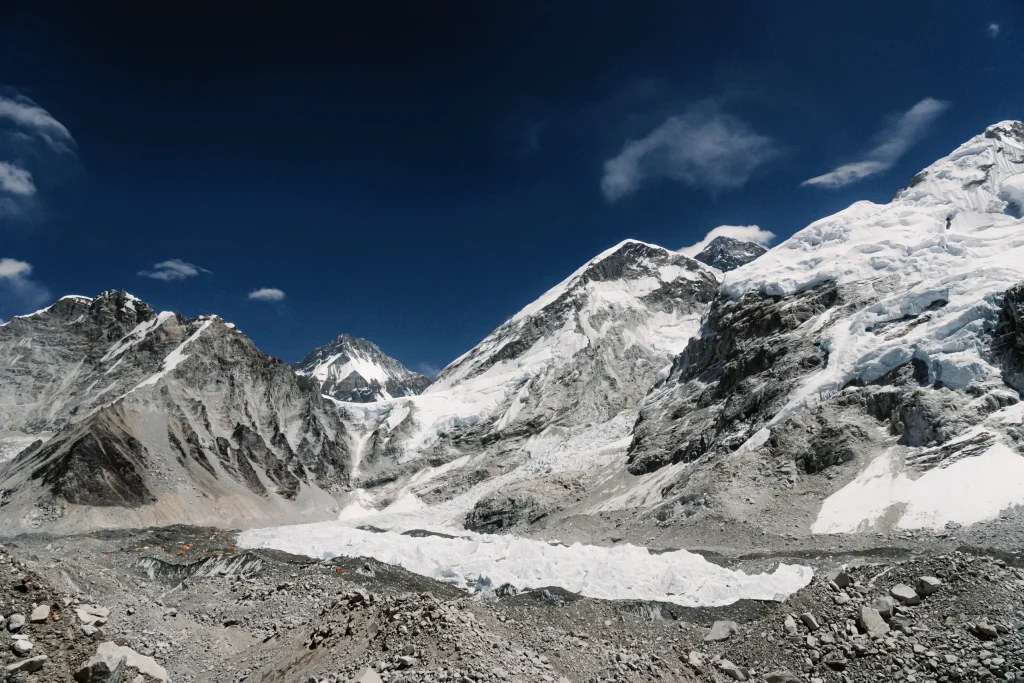
- Fun fact: Sir Edmund Hillary and Tenzing Norgay made the first confirmed ascent of Everest in 1953, putting Nepal on the global map.
Beyond Everest, Nepal is home to eight of the world’s ten highest peaks, including Lhotse, Makalu, and Annapurna, making it a haven for mountaineers.
Rich Cultural Heritage
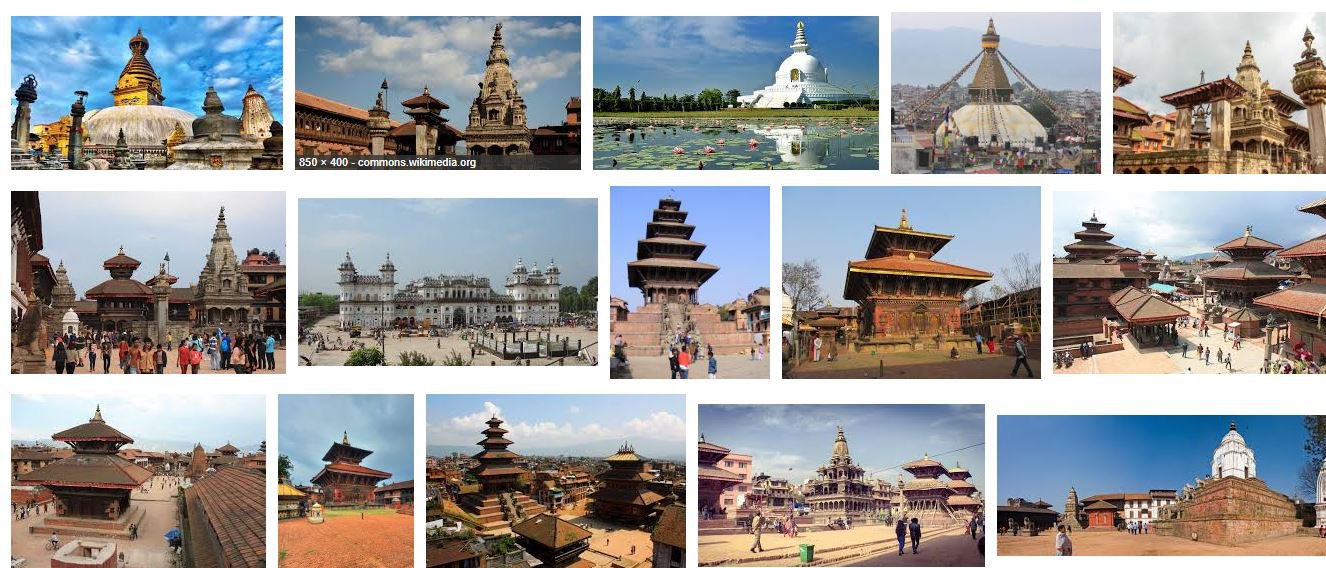
Nepal’s cultural diversity is one of its defining features. With over 120 ethnic groups and 123 languages, the country is a melting pot of traditions, art, and history. The Kathmandu Valley, a UNESCO World Heritage Site, is home to ancient cities like Kathmandu, Bhaktapur, and Patan, each boasting stunning architecture and historical significance.
- Key cultural sites:
- Pashupatinath Temple: A sacred Hindu temple dedicated to Lord Shiva.
- Boudhanath Stupa: One of the largest Buddhist stupas in the world.
- Durbar Squares: Historic plazas with palaces, temples, and statues.
- Cultural practices: Nepal is known for its blend of Hinduism and Buddhism, with traditions like Kumari (the living goddess) worship and intricate Thangka paintings.
This rich heritage makes Nepal a must-visit for history buffs and cultural explorers.
Spiritual Significance and Sacred Sites

Nepal is often called the “Land of Spirituality” due to its deep-rooted religious traditions. It’s the birthplace of Lord Buddha, born in Lumbini, a UNESCO World Heritage Site and a major pilgrimage destination for Buddhists worldwide.
- Why it’s significant: Nepal is a spiritual crossroads where Hinduism and Buddhism coexist harmoniously.
- Must-visit spiritual sites:
- Lumbini: The birthplace of Buddha, featuring the Maya Devi Temple and sacred gardens.
- Swayambhunath (Monkey Temple): A hilltop stupa with panoramic views of Kathmandu.
- Muktinath Temple: A sacred site for both Hindus and Buddhists in the Mustang region.
Nepal’s spiritual aura attracts yogis, meditators, and those seeking inner peace.
Adventure and Trekking Paradise
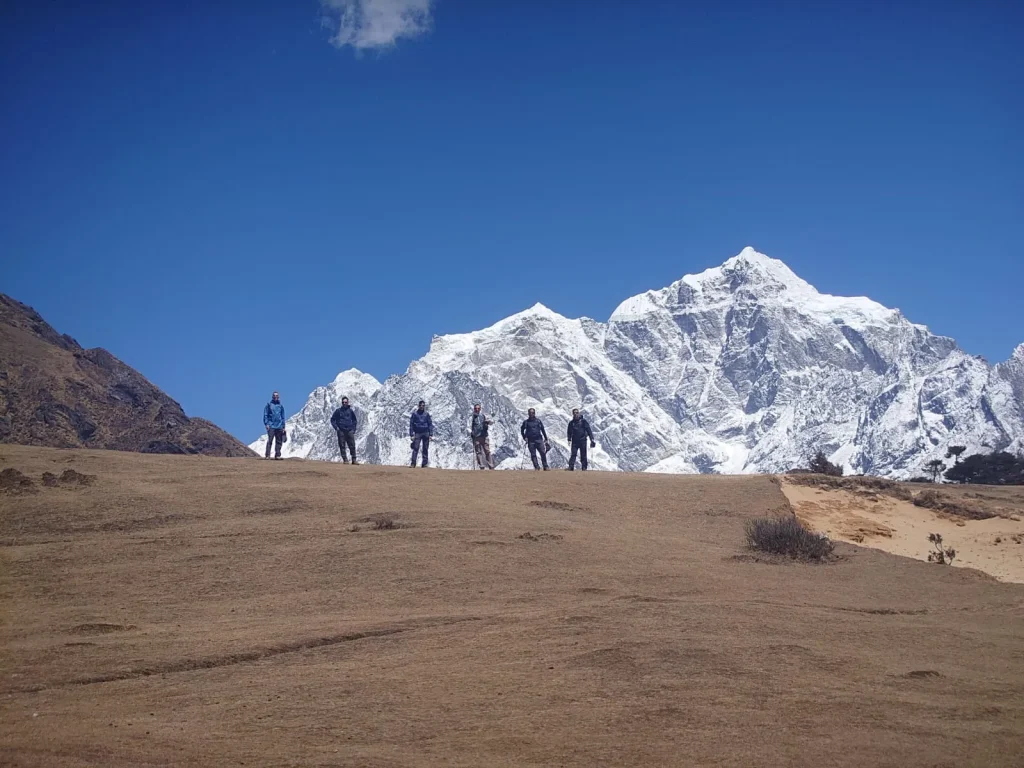
Nepal is synonymous with adventure, particularly trekking and mountaineering. The country offers some of the world’s most iconic trekking routes, catering to both beginners and seasoned adventurers.
- Popular treks:
- Annapurna Circuit: A scenic route with diverse landscapes.
- Everest Base Camp Trek: A challenging yet rewarding journey to the foot of Everest.
- Langtang Valley Trek: A less crowded route with stunning Himalayan views.
- Other adventures:
- White-water rafting on the Trishuli and Bhote Koshi rivers.
- Paragliding in Pokhara with views of Phewa Lake and the Annapurna range.
- Bungee jumping and zip-lining in scenic locations.
Nepal’s rugged terrain and natural beauty make it a global hub for adrenaline junkies.
Unique Cuisine and Culinary Delights

Nepali cuisine is a delicious reflection of the country’s cultural diversity. Known for its bold flavors and hearty dishes, Nepali food is a treat for the taste buds.
- Must-try dishes:
- Dal Bhat: A staple meal of lentil soup, rice, and vegetable curry.
- Momos: Steamed or fried dumplings filled with meat or vegetables.
- Sel Roti: A traditional rice doughnut served during festivals.
- Unique flavors: Nepali cuisine incorporates spices like cumin, turmeric, and timur (Sichuan pepper), creating a distinctive taste.
- Where to eat: From street food stalls in Kathmandu to cozy restaurants in Pokhara, Nepal offers a range of dining experiences.
Food lovers will find Nepal’s culinary scene both authentic and unforgettable.
Vibrant Festivals and Traditions
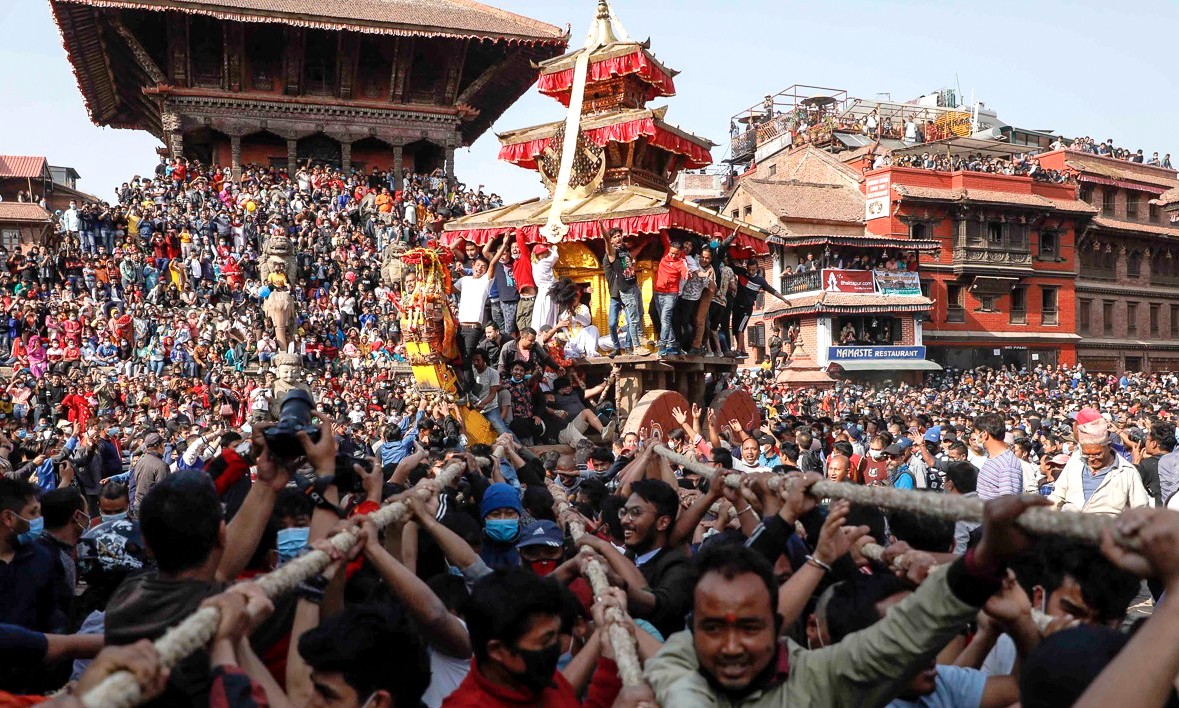
Nepal’s calendar is packed with colorful festivals that showcase its cultural and religious vibrancy. These celebrations draw locals and tourists alike, offering a glimpse into Nepal’s traditions.
- Major festivals:
- Dashain: The biggest Hindu festival, celebrating the victory of good over evil.
- Tihar (Deepawali): The festival of lights, honoring animals like dogs and cows.
- Buddha Jayanti: A celebration of Buddha’s birth, enlightenment, and death.
- Why they matter: Festivals in Nepal are a time for family, feasting, and community bonding, often accompanied by music, dance, and rituals.
Attending a Nepali festival is an immersive way to experience the country’s soul.
Wildlife and Biodiversity

Nepal’s diverse geography, from lowland jungles to Himalayan highlands, supports a rich array of wildlife. The country is home to several national parks and conservation areas, making it a paradise for nature lovers.
- Key wildlife destinations:
- Chitwan National Park: Famous for one-horned rhinos, Bengal tigers, and jungle safaris.
- Bardiya National Park: A less crowded alternative for spotting wildlife.
- Sagarmatha National Park: Home to rare species like the snow leopard and Himalayan tahr.
- Conservation efforts: Nepal is a leader in wildlife conservation, with successful programs to protect rhinos and tigers.
Eco-tourists and wildlife enthusiasts will find Nepal’s biodiversity awe-inspiring.
Handicrafts and Artistry
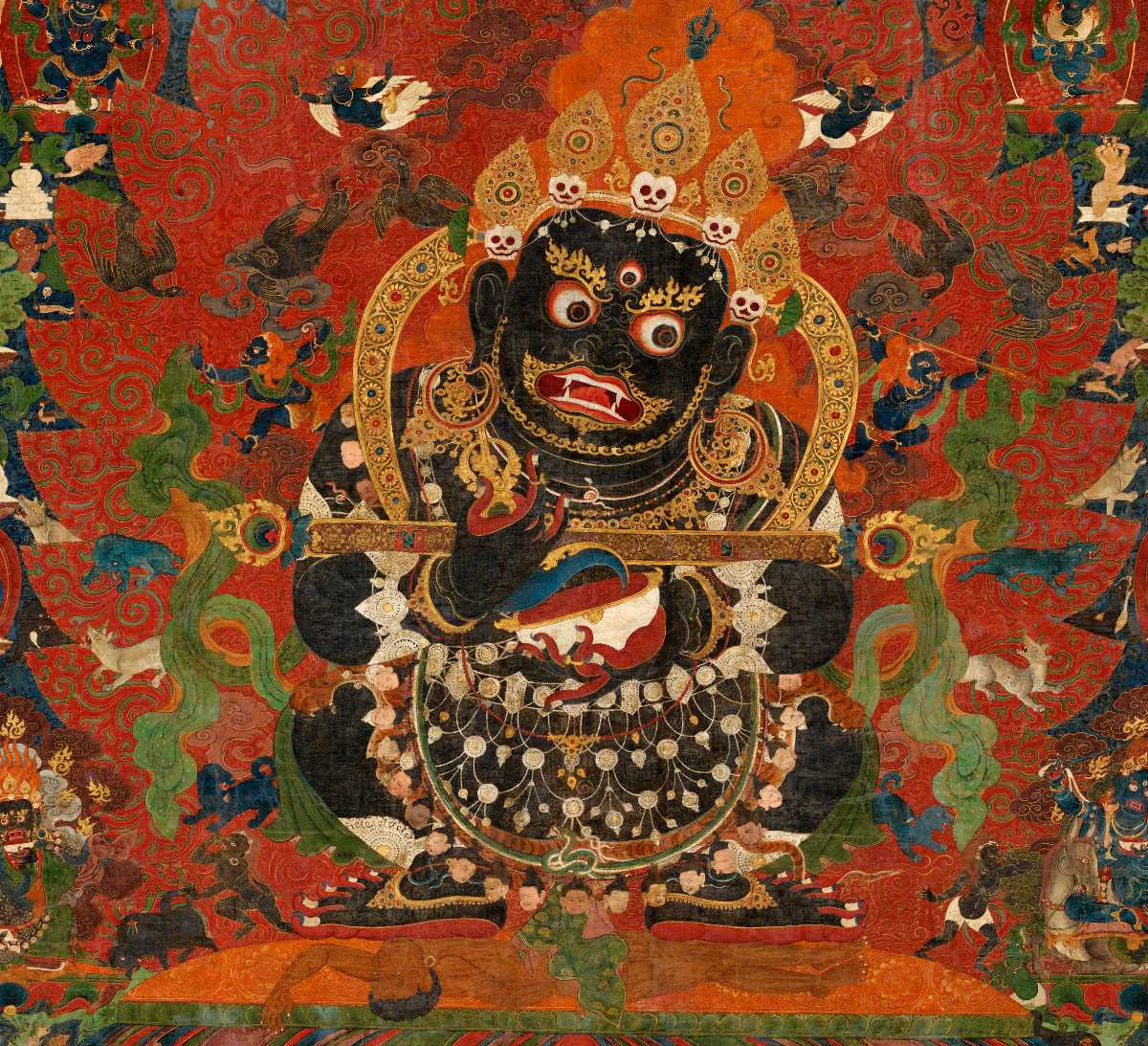

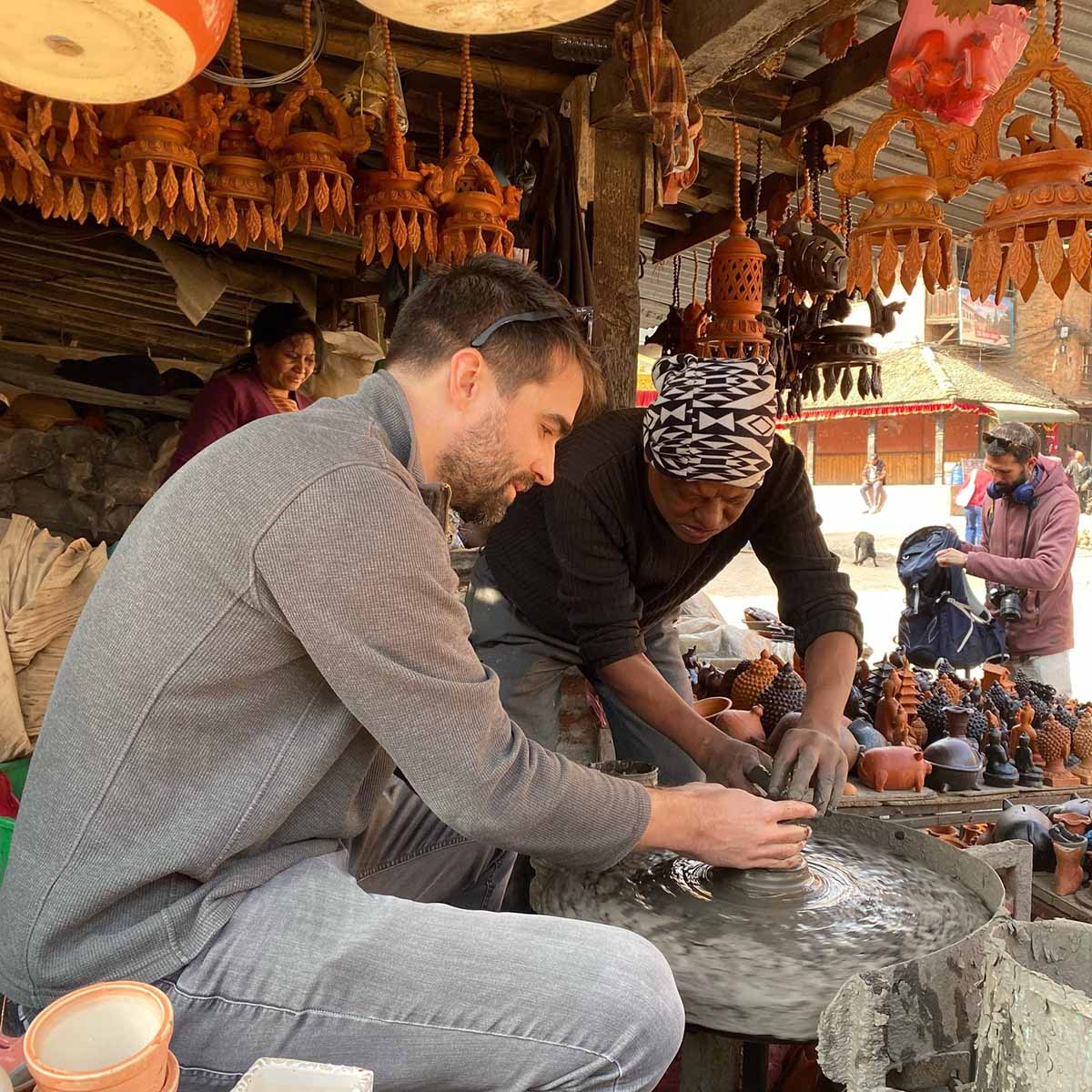
Nepal is renowned for its exquisite handicrafts, which reflect the country’s artistic heritage. From intricate wood carvings to vibrant textiles, Nepali artisans create products that are both functional and beautiful.
- Popular handicrafts:
- Thangka paintings: Detailed Buddhist artworks used for meditation.
- Pashmina shawls: Soft, luxurious scarves made from Himalayan goat wool.
- Pottery and metalwork: Traditional items from Bhaktapur and Patan.
- Where to shop: Markets like Thamel in Kathmandu and Lakeside in Pokhara are treasure troves for souvenirs.
These crafts make perfect keepsakes and support local artisans.
Why Visit Nepal?

Nepal is known for its unparalleled blend of natural beauty, cultural richness, and adventure opportunities.
Whether you’re scaling mountains, meditating in a monastery, or savoring momos, Nepal offers experiences that stay with you for a lifetime.
Its warm hospitality, affordable travel options, and diverse attractions make it a destination for all types of travelers.
FAQs About Nepal
1. What is Nepal most famous for?
Nepal is most famous for Mount Everest, the world’s highest peak, its rich cultural heritage blending Hinduism and Buddhism, and spiritual sites like Lumbini, the birthplace of Lord Buddha.
2. Is Nepal safe for tourists?
Yes, Nepal is generally safe for tourists. The country has a well-developed tourism infrastructure and friendly locals. However, follow travel advisories, stay cautious in remote areas, and prepare for altitude-related risks during treks.
3. What is the best time to visit Nepal?
The best time to visit Nepal is during spring (March-May) and autumn (September-November), when the weather is pleasant, skies are clear, and mountain views are spectacular.
4. What currency is used in Nepal?
The official currency of Nepal is the Nepalese Rupee (NPR). ATMs and currency exchange services are widely available in cities like Kathmandu and Pokhara.
5. Do I need a visa to visit Nepal?
Most nationalities can obtain a visa on arrival at Kathmandu’s Tribhuvan International Airport or land borders. Check specific visa requirements based on your nationality before traveling.
6. What are the top tourist attractions in Nepal?
Nepal is known for attractions like Mount Everest, Kathmandu Valley’s UNESCO sites (Pashupatinath, Boudhanath, Durbar Squares), Lumbini, Pokhara’s Phewa Lake, and Chitwan National Park.
7. What is the traditional food of Nepal?
Nepal is famous for dishes like Dal Bhat (lentil soup with rice), Momos (dumplings), Sel Roti (rice doughnut), and Gundruk (fermented leafy greens). The cuisine is flavorful and diverse.
8. Why is Nepal called the birthplace of Buddha?
Nepal is known as the birthplace of Lord Buddha because he was born in Lumbini around 563 BCE. Lumbini is a UNESCO World Heritage Site and a major Buddhist pilgrimage destination.
9. What are the best treks in Nepal?
Nepal is renowned for treks like the Everest Base Camp Trek, Annapurna Circuit, Langtang Valley Trek, and Manaslu Circuit. Each offers stunning Himalayan views and unique cultural experiences.
10. What wildlife can you see in Nepal?
Nepal’s national parks, like Chitwan and Bardiya, are home to one-horned rhinos, Bengal tigers, elephants, and rare species like the snow leopard in the Himalayas.
11. What are some famous festivals in Nepal?
Nepal is known for vibrant festivals like Dashain, Tihar (Deepawali), Buddha Jayanti, and Holi. These celebrations feature rituals, music, dance, and community gatherings.
12. Is Nepal good for adventure activities?
Absolutely! Nepal is a global hub for adventure, offering trekking, mountaineering, white-water rafting, paragliding, bungee jumping, and zip-lining amidst stunning landscapes.
13. What is the significance of Kathmandu Valley?
The Kathmandu Valley is a UNESCO World Heritage Site known for its ancient cities (Kathmandu, Bhaktapur, Patan), historic Durbar Squares, and sacred sites like Pashupatinath and Boudhanath.
14. Can beginners trek in Nepal?
Yes, Nepal offers treks for all levels. Beginners can try shorter routes like the Ghorepani Poon Hill Trek or Langtang Valley Trek, which are less strenuous but still offer incredible views.
15. What is unique about Nepali culture?
Nepal’s culture is unique for its blend of Hinduism and Buddhism, over 120 ethnic groups, 123 languages, and traditions like the Kumari (living goddess) and intricate Thangka paintings.
16. How can I experience spirituality in Nepal?
Visit sacred sites like Lumbini, Muktinath Temple, or Swayambhunath, join meditation retreats in Pokhara or Kathmandu, or attend spiritual festivals like Buddha Jayanti.
17. What are Nepal’s UNESCO World Heritage Sites?
Nepal has four UNESCO sites: Kathmandu Valley, Lumbini, Chitwan National Park, and Sagarmatha National Park (home to Everest). These highlight Nepal’s cultural and natural heritage.
18. Is Nepal budget-friendly for travelers?
Yes, Nepal is one of the most budget-friendly destinations in Asia. Affordable accommodation, food, and transportation make it ideal for backpackers and budget travelers.
19. What is the weather like in Nepal?
Nepal’s weather varies by region and season. The lowlands are subtropical, while the Himalayas are cold. Spring and autumn are ideal for travel, while the monsoon (June-August) brings heavy rain.
20. What souvenirs should I buy in Nepal?
Nepal is known for Thangka paintings, Pashmina shawls, handmade pottery, Tibetan jewelry, and spices. Shop in markets like Thamel or Bhaktapur for authentic items.