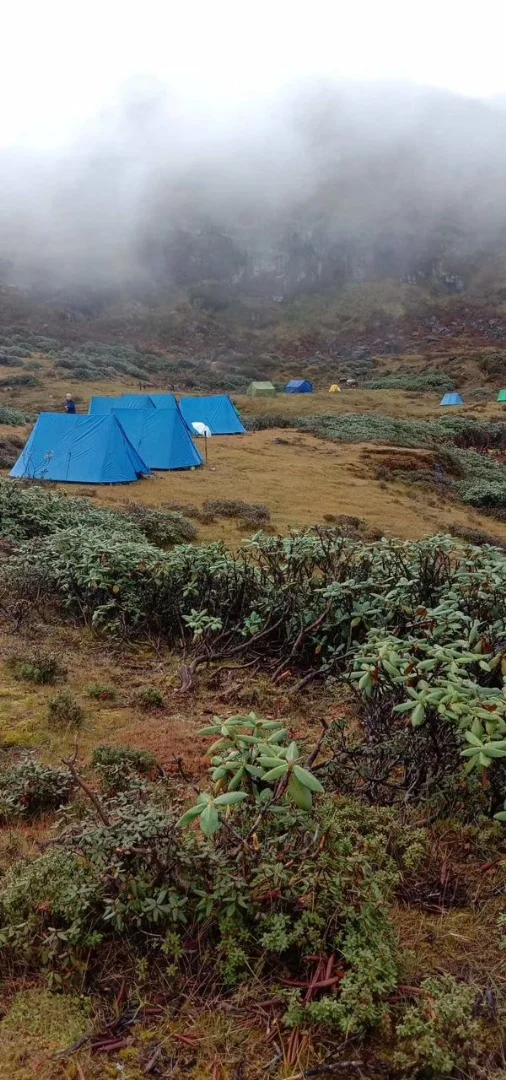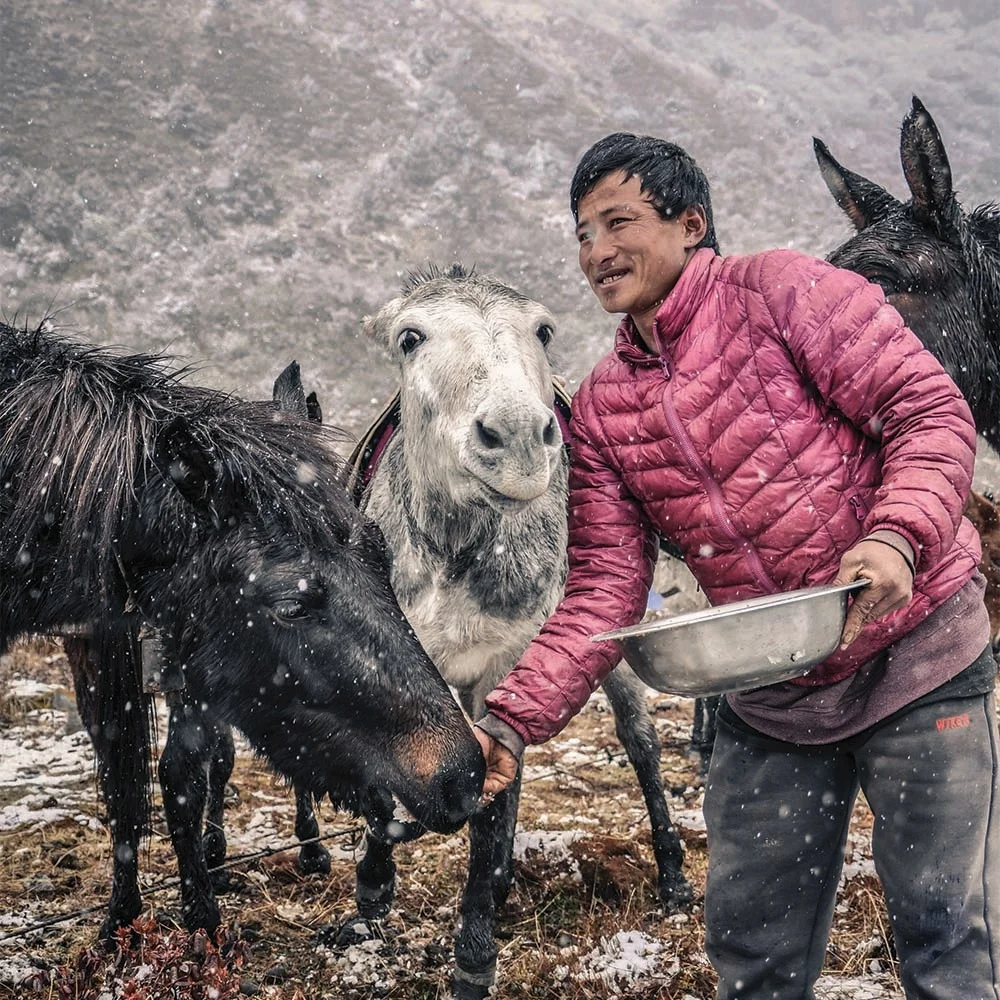
The Druk Path Trek, also known as the Bhutan Druk Path Trek, is one of the most iconic treks in Bhutan. This moderate Himalayan trek takes you from the historic town of Paro to the vibrant capital, Thimphu, offering breathtaking views of snow-capped peaks, alpine lakes, and Bhutanese cultural landmarks. The trail passes through apple orchards, pine forests, and glacial valleys, making it a favorite among trekkers seeking cultural immersion and natural beauty.
Starting near Ta Dzong in Paro, the trek ascends to Jele Dzong, a fortress-like monastery perched on a high ridge. From there, the Druk Path Trek winds through scenic alpine meadows and high passes such as Phume La, the highest point of the route, offering panoramic views of peaks including the sacred Jomolhari. Along the way, trekkers encounter pristine lakes like Jimilang Tsho and Simkotra Tsho, surrounded by rhododendrons and wild alpine flowers.
The journey also passes through the forested heights of Phajoding Monastery, an important spiritual retreat, before descending gently into the Motithang area near Thimphu. This trek combines high-altitude adventure with encounters of Bhutanese culture, making it one of the most enriching treks in Bhutan.
▶️Need help booking your trip? Watch our step-by-step video guide.
Arrive in Paro and transfer to your hotel, taking in the breathtaking views of the Paro Valley and the surrounding Himalayas. Receive an overview of the Druk Path Trek itinerary and prepare for your Bhutanese adventure.
Hike to the iconic Tiger’s Nest Monastery, perched on a cliffside above the valley. This scenic trek offers views of pine forests, fluttering prayer flags, and sacred pools, serving as a gentle introduction before the main Druk Path Trek in Bhutan.
Begin your trek from Ta Dzong, following trails through small farms and forested ridges to Damche Gom, then onward to the campsite near Jele Dzong. Covering 10 km with a moderate ascent, this section introduces the classic druk path trek difficulty.
Trek through dense alpine forests and rhododendron groves to reach Jangchulakha. The moderate climbs and scenic vistas help with acclimatization while offering rewarding views of the Himalayan landscape.
Reach the tranquil Jimilang Tsho lake, home to large trout and surrounded by alpine meadows. The ridge trail provides sweeping mountain views, showcasing why the druk path trek cost is a worthwhile investment for this immersive experience.
Trek past Janetso Lake and yak herder camps to arrive at Simkotra Tsho, nestled among rugged peaks. This high-altitude lake provides a serene backdrop for camping and a close look at Bhutan’s pristine alpine ecosystem.
Descend through forested slopes toward Thimphu, passing the historic Phajoding Monastery. The trek concludes with panoramic views of Mt. Gangkar Puensum and a gentle reintegration into the capital’s vibrant environment.
Return to Paro for your departure flight, completing an 8-day journey across Bhutan’s celebrated highland landscapes. Explore additional Bhutan trekking packages offered by Nepal Adventure Trail for more Himalayan adventures.
Spring (March to May):
Spring is one of the best times for Druk Path trekking in Bhutan. The weather is mild, skies are mostly clear, and alpine flowers, including rhododendrons, are in full bloom. This season is ideal for photography and nature enthusiasts.
Autumn (September to November):
Autumn is the prime trekking season for the Druk Path. Expect stable weather, crisp mountain views, and pleasant temperatures. Trails are well-maintained, making it perfect for both moderate and experienced trekkers.
Winter (December to February):
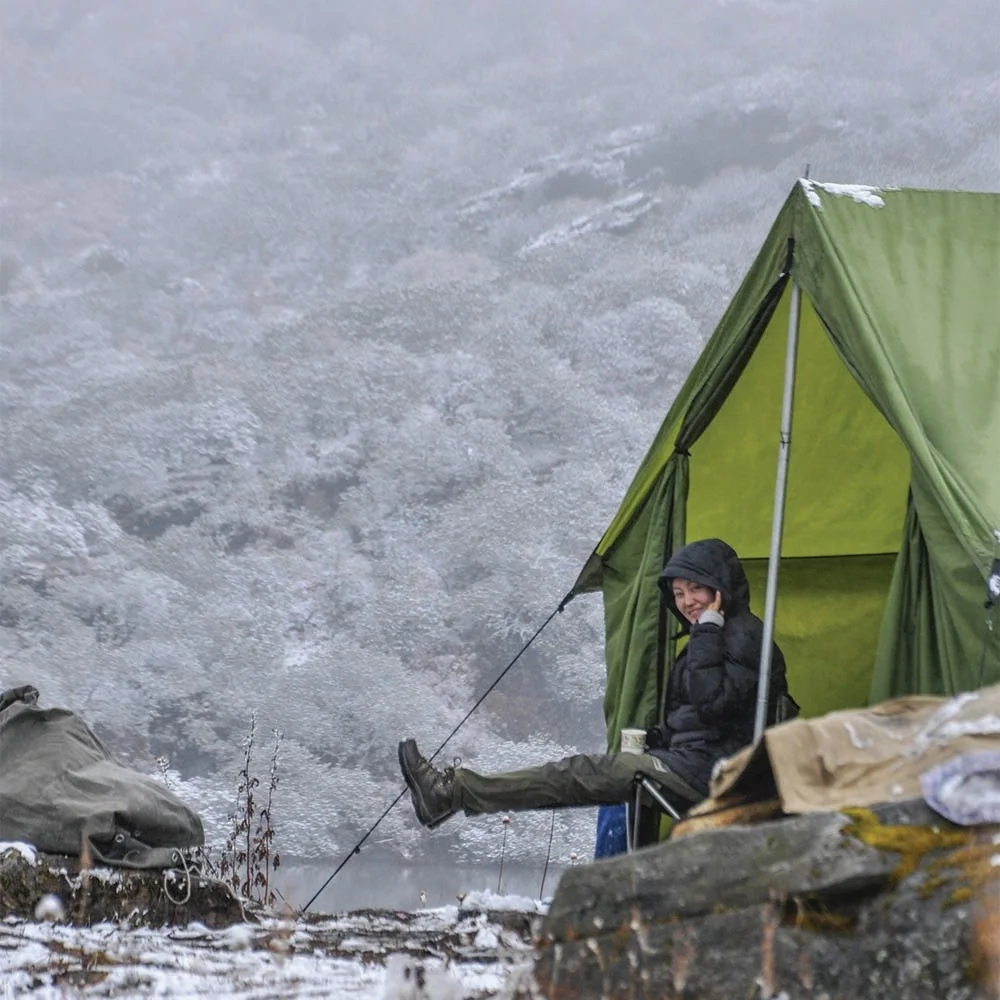
Winter brings colder temperatures and possible snowfall at higher altitudes. However, trekkers benefit from clear skies and fewer crowds. This season is recommended only for well-prepared, experienced trekkers with proper winter gear.
Monsoon (June to August):
Heavy rainfall during the monsoon can make trails slippery and increase the risk of landslides, especially at lower altitudes. Trekking is not recommended in this season, though the high alpine sections may be slightly less affected.
Jele Dzong:
Historic fortress-monastery offering panoramic Himalayan views and cultural insight.
Phume La Pass (4,200m):
The highest point on the trek, providing stunning vistas of Jomolhari and surrounding peaks.
Jimilang Tsho & Simkotra Tsho:
Serene alpine lakes surrounded by rhododendrons, alpine meadows, and peaceful camping spots.
Phajoding Monastery:
Spiritual retreat offering quiet reflection and traditional Bhutanese architecture.
Cultural Immersion:
Encounter Bhutanese herders, traditional villages, and prayer flags along the highland trails.
Scenic Landscapes:
Enjoy a variety of ecosystems from pine forests and highland meadows to glacial valleys and alpine ridges.
Durable, well-broken-in trekking boots
Insulating layers for cold nights (fleece/jacket)
Waterproof gear – jacket and pants
Thermal base layers for warmth
Trekking poles for stability
Cold-rated sleeping bag (up to -10°C)
Sunglasses with UV protection and sunscreen
Headlamp with extra batteries
Water purification tablets or portable filter
Basic first aid kit including altitude sickness medicine
High-energy snacks (nuts, bars, dried fruit)
Camera or smartphone for capturing landscapes
Power bank or solar charger for electronics
The Druk Path Trek is an 8-day trek connecting Paro and Thimphu, offering Himalayan panoramas, alpine lakes, and Bhutanese cultural experiences. It is considered one of the most scenic treks in Bhutan.
The trek is moderate in difficulty, with altitudes ranging from 2,400 m to 4,200 m. It involves steady ascents and descents, making it suitable for trekkers with some prior hiking experience and basic acclimatization.
The best seasons are spring (March–May) and autumn (September–November) when the weather is clear, trails are dry, and alpine flowers and prayer flags add to the scenery. Winter is colder, and monsoon season (June–August) brings heavy rains.
The standard Druk Path Trek takes 8 days, covering approximately 60–70 km. It includes overnight camps near Jele Dzong, Jangchulakha, Jimilang Tsho, Simkotra Tsho, and ends in Thimphu.
Yes. All treks in Bhutan require a licensed guide. The guide handles route navigation, permits, cultural insights, and ensures safety during the trek.
Trekkers need a Bhutan visa and a trekking permit, which are arranged by licensed Bhutanese tour operators. Independent trekking is not allowed in Bhutan.
Essential items include trekking boots, layered clothing, waterproof gear, thermal layers, trekking poles, a sleeping bag, sunglasses, sunscreen, and a first-aid kit.
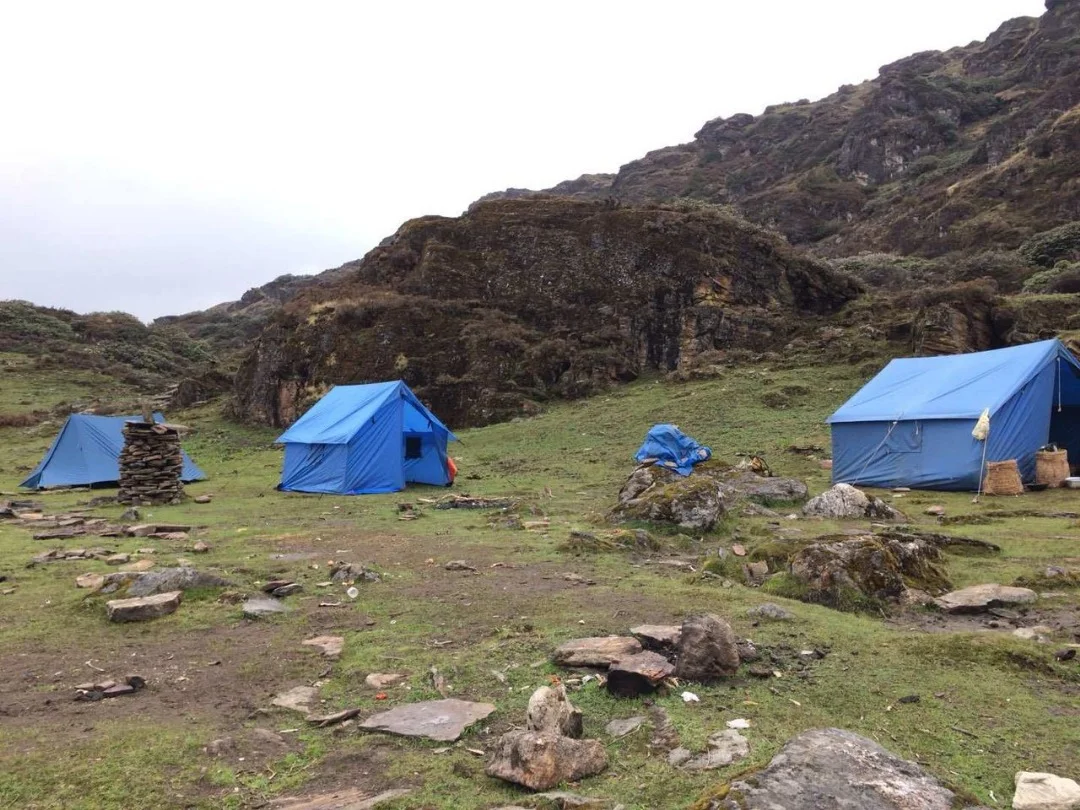
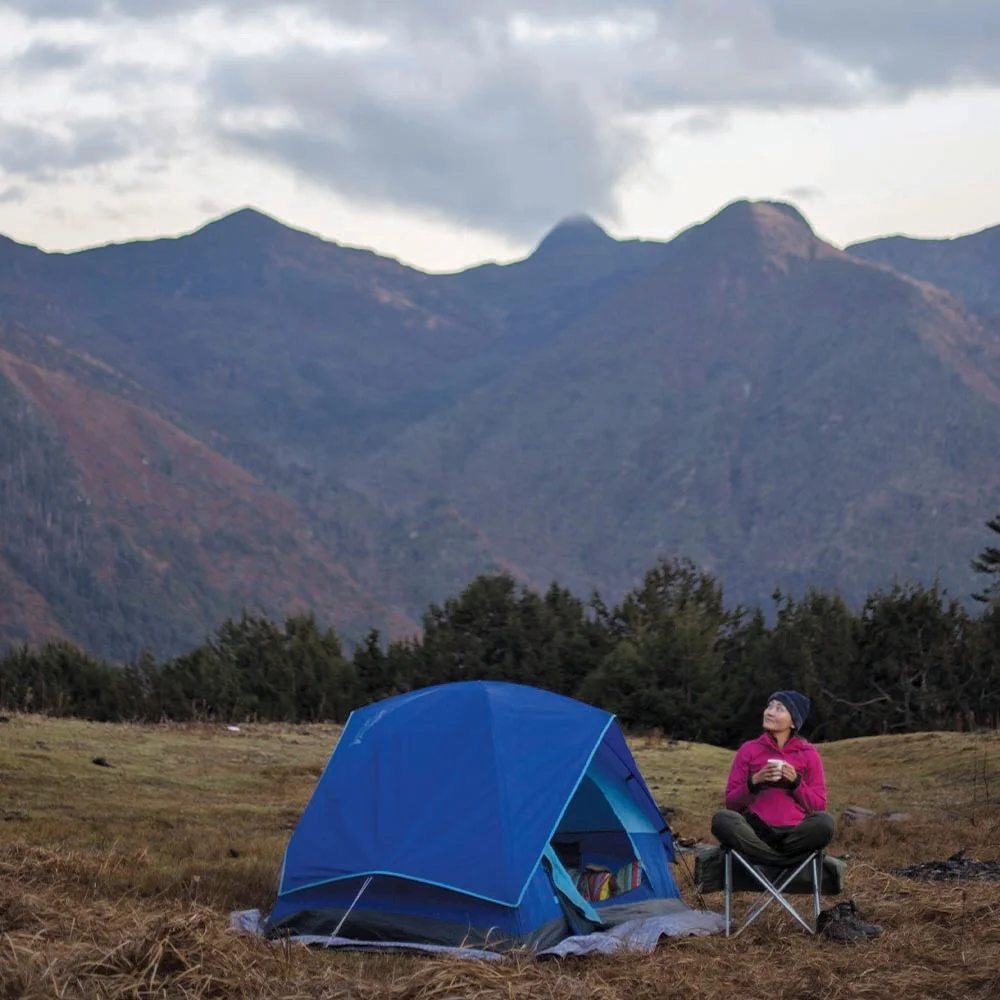
Yes. Most nights are spent in tented camps set up near monasteries, lakes, or alpine meadows. Campsites are equipped by the trekking crew, including meals and bedding.
Trekkers should have moderate fitness and some hiking experience. Beginners can attempt it if properly prepared with training, acclimatization, and the guidance of an experienced trekking guide.
Costs vary depending on tour operators, included services, and group size. The Druk Path Trek cost generally covers permits, guide and porter fees, camping equipment, meals, and transportation within Bhutan.