
- Nepal
- Tibet
- Bhutan
- Company
- Plan Your Trip
Pro Tip: The Makalu Base Camp trek map shows the classic route via the Arun River basin. We also offer the Barun Valley variation (14–16 days) for experienced trekkers wanting a shorter approach.
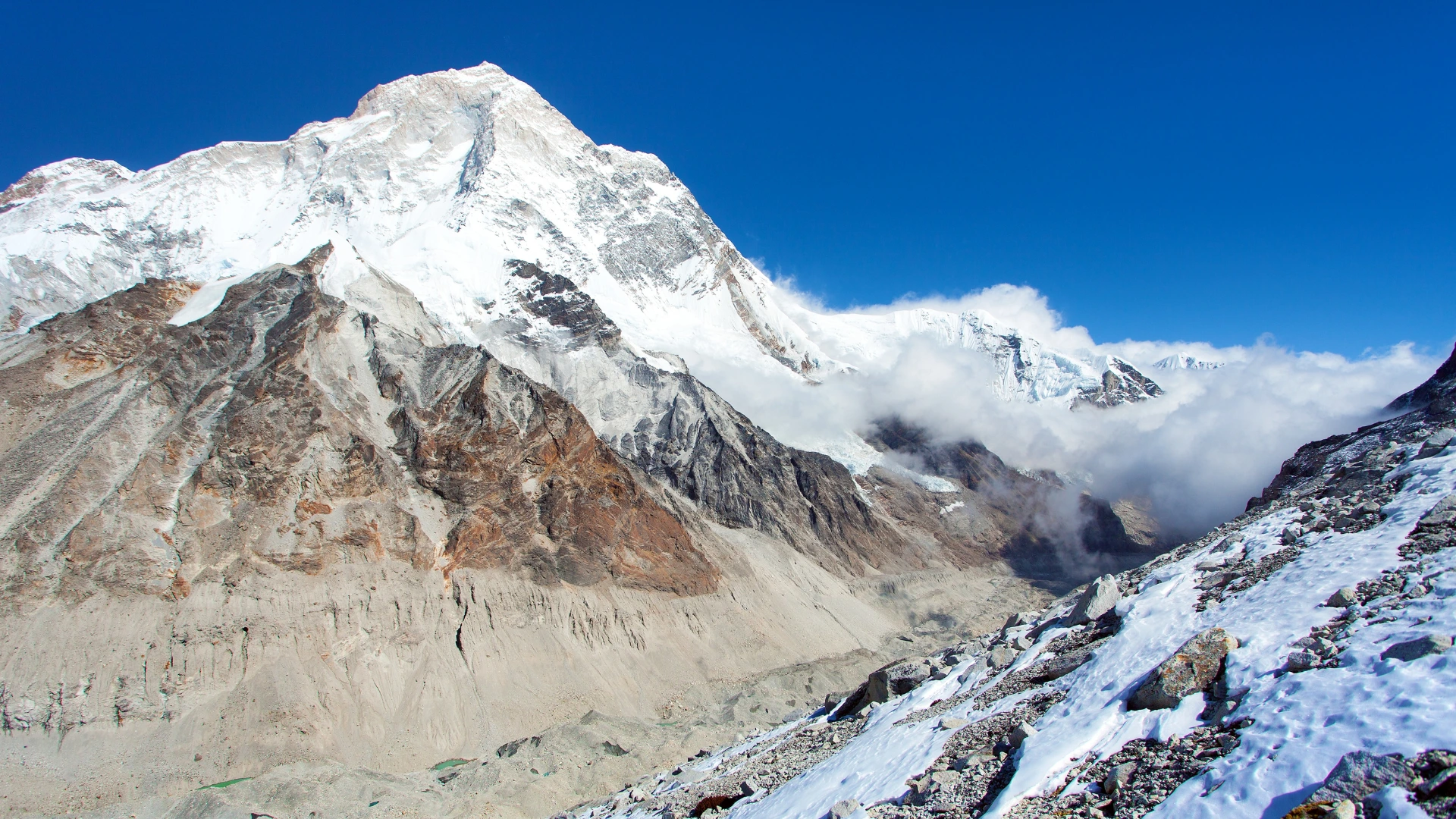
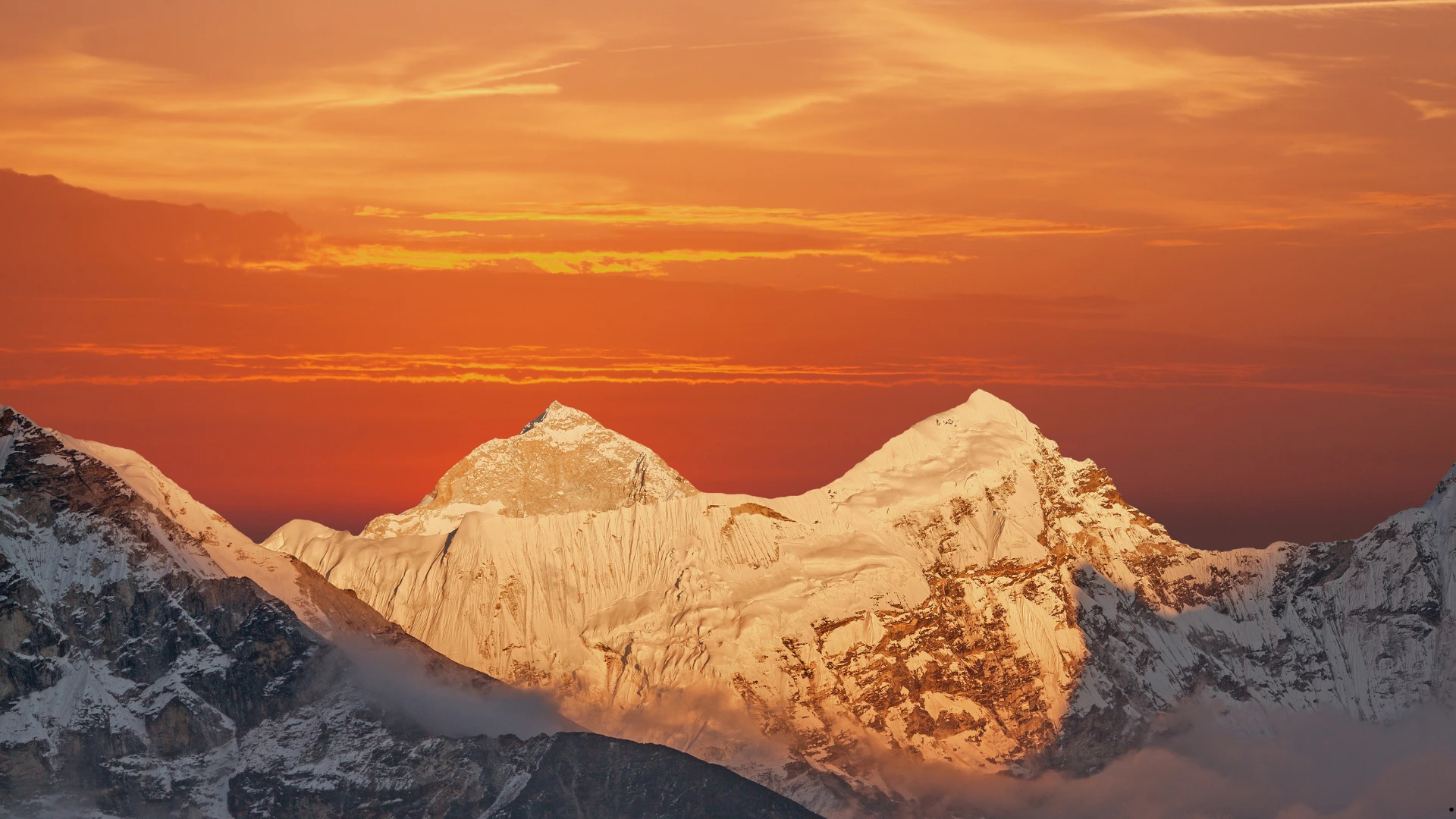
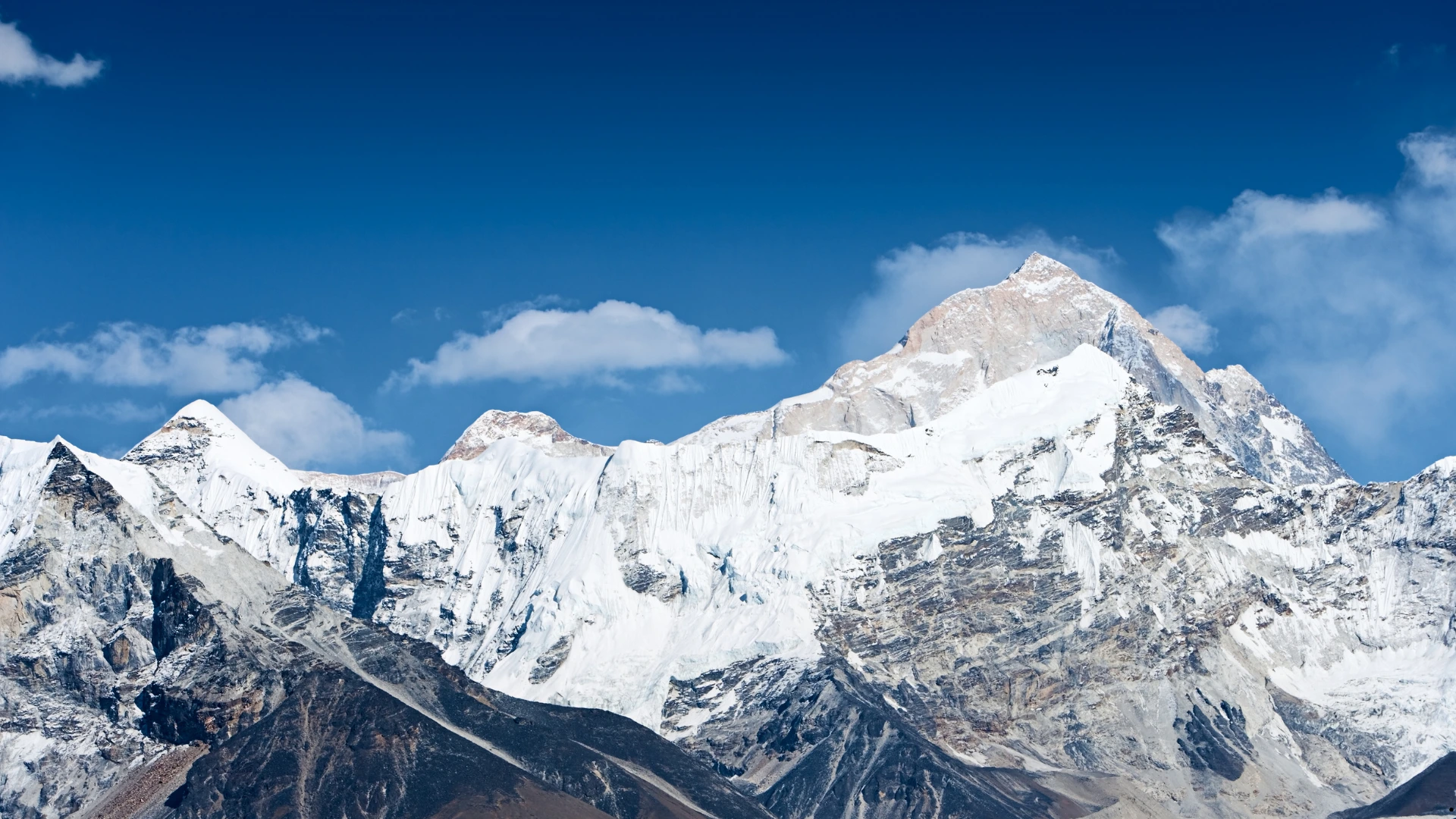
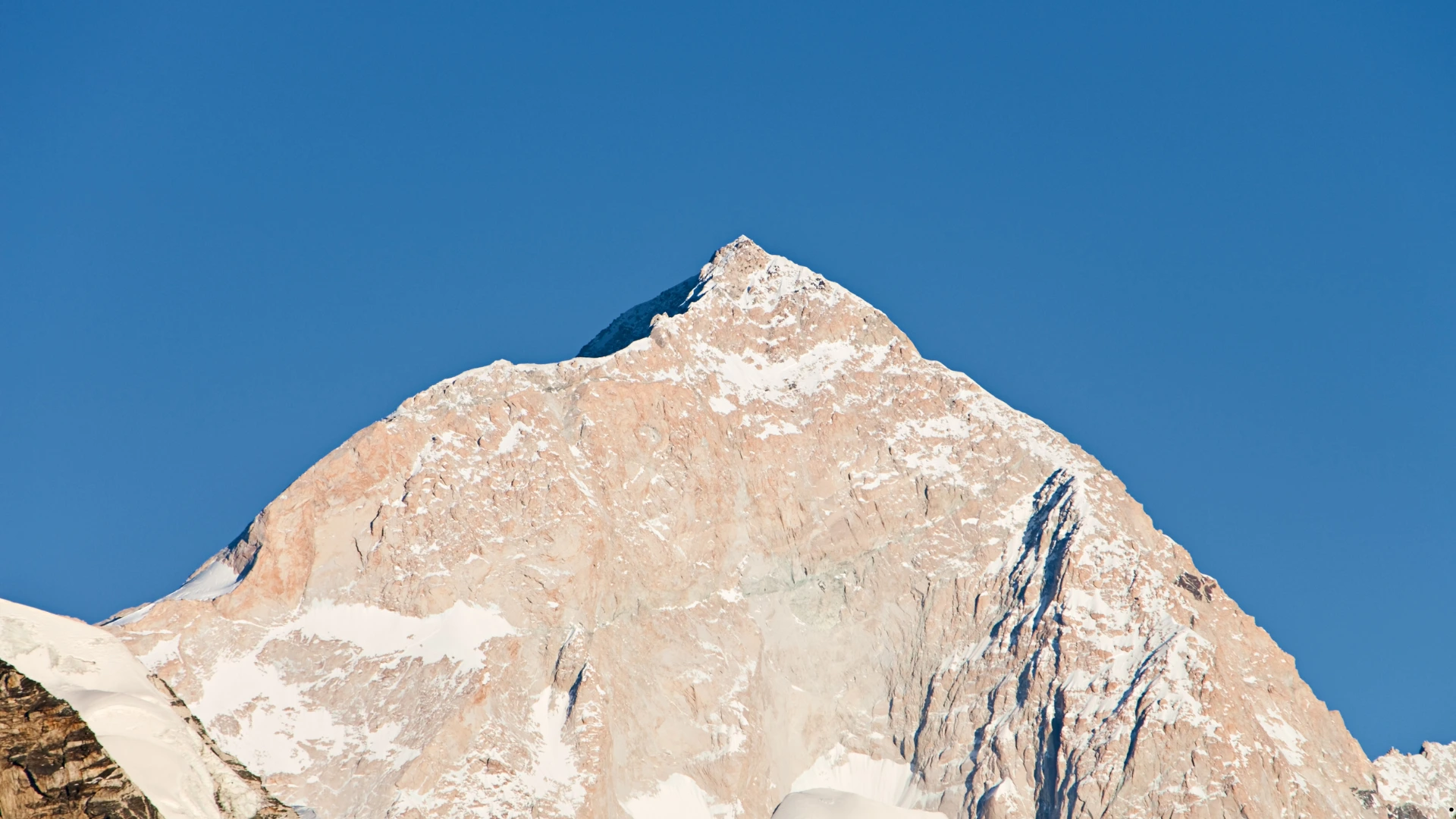
The per-person cost of the Makalu Base Camp Trek decreases as group size grows, with rates ranging from $1,925 for pairs down to $1,645 for groups of 15 or more. Larger groups share fixed costs like guides, permits, and Tumlingtar flights, making it more affordable to trek together.
| No of people | Price P.P |
|---|---|
| 2 | $1,925 |
| 3 – 4 | $1,870 |
| 5 – 6 | $1,765 |
| 7 – 9 | $1,695 |
| 10 – 14 | $1,680 |
| 15 & more | $1,645 |
Spring (March – May)
Weather: Mild days (10–15°C), cold nights (-5 to -10°C at base camp)
Highlights: Rhododendron forests in full bloom, clear morning skies
Crowds: Low to moderate — never crowded like Everest
Best Month: April — stable weather + peak rhododendron blooms
Autumn (September – November)
Weather: Dry, stable, crystal-clear skies
Highlights: Post-monsoon clarity, best mountain photography, Dashain & Tihar festivals
Crowds: Moderate — the most popular season
Best Month: October — guaranteed clear skies, perfect temperatures
Winter (December – February)
Weather: Very cold, heavy snow above 3,500m
Reality Check: Many teahouses close. Passes can be snow-blocked. Only for experienced winter trekkers.
Verdict: Possible but not recommended for most travelers.
Monsoon (June – August)
Weather: Heavy rain, leeches, landslide risk, zero mountain views
Verdict: Avoid. Trails are muddy, rivers swollen, and clouds obscure everything.
Our Recommendation: Book October or April for the best balance of weather, views, and trail conditions.
Let’s be honest: the Makalu Base Camp trek is strenuous. This is not a beginner trek. Here’s what you need to know:
|
Factor |
Rating |
Details |
|
Physical Fitness |
⭐⭐⭐⭐☆ |
You need cardio endurance + leg strength |
|
Altitude |
⭐⭐⭐⭐⭐ |
Max 4,870m — significant AMS risk |
|
Technical Skill |
⭐⭐⭐☆☆ |
No climbing gear needed, but steep trails |
|
Remote Factor |
⭐⭐⭐⭐⭐ |
No rescue roads, limited medical facilities |
|
Weather Exposure |
⭐⭐⭐⭐☆ |
Cold nights, unpredictable mountain weather |
You’re a good fit if you:
Bottom Line: If you can handle the Annapurna Circuit or Everest Base Camp, you can handle Makalu. It’s harder because it’s more remote, not because the trail is technical.
Required Permits:
| Permit | Cost (Foreigners) | Cost (SAARC) |
| Makalu Barun National Park Entry | NPR 3,000 (~$23) | NPR 1,500 (~$12) |
| TIMS Card | NPR 2,000 (~$15) | NPR 1,000 (~$8) |
| Total | ~$38 USD | ~$20 USD |
We handle all permit applications — included in your package.
You must have insurance covering:
Recommended Providers: World Nomads, IMG, or Global Rescue (high-altitude specialists)
Essential Packing List
|
Category |
Items |
|
Footwear |
Broken-in hiking boots (waterproof), camp shoes, 4–5 pairs wool socks |
|
Clothing |
Base layers (merino), fleece jacket, down jacket (-15°C rated), rain jacket, trekking pants x2, thermal underwear |
|
Head & Hands |
Warm beanie, sun hat, buff/neck gaiter, waterproof gloves + liner gloves |
|
Sleeping |
Sleeping bag rated to -15°C (can rent from us), sleeping bag liner |
|
Daypack |
30–40L daypack with rain cover, 2L water bladder or bottles |
|
Trekking Poles |
Highly recommended — saves 30% knee impact on descents |
|
Sun Protection |
SPF 50+ sunscreen, sunglasses (UV400), lip balm with SPF |
|
Electronics |
Headlamp + extra batteries, power bank (solar recommended), camera |
|
Medical |
Diamox (altitude sickness), blister kit, personal medications, water purification tablets |
|
Extras |
Snacks (energy bars, nuts), book/kindle, playing cards |
Gear Rental Available: We provide duffel bags at no extra cost. Everything else, please bring or buy in Kathmandu (Thamel has great gear shops).




