Do not hesitate to give us a call. We are here to help, before, during, and even after your trip.
+977 9851410929
info@nepaladventuretrail.com
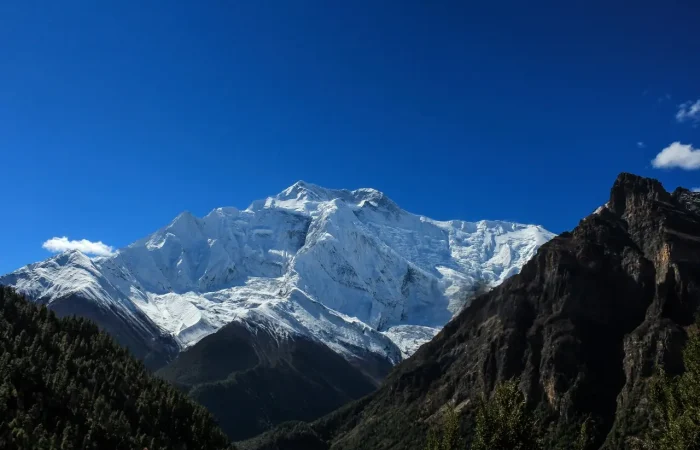
Pisang Peak, soaring at 6,091 meters, is one of Nepal’s top trekking peaks, captivating adventurers in the stunning Annapurna region.
This Pisang Peak climbing adventure offers moderate technical challenges and breathtaking Himalayan views, ideal for aspiring mountaineers. Often paired with the Annapurna Circuit and Tilicho Lake trek, it delivers a thrilling 18-21-day journey through Nepal’s heart.
Discover all about Pisang Peak climbing with this comprehensive guide.
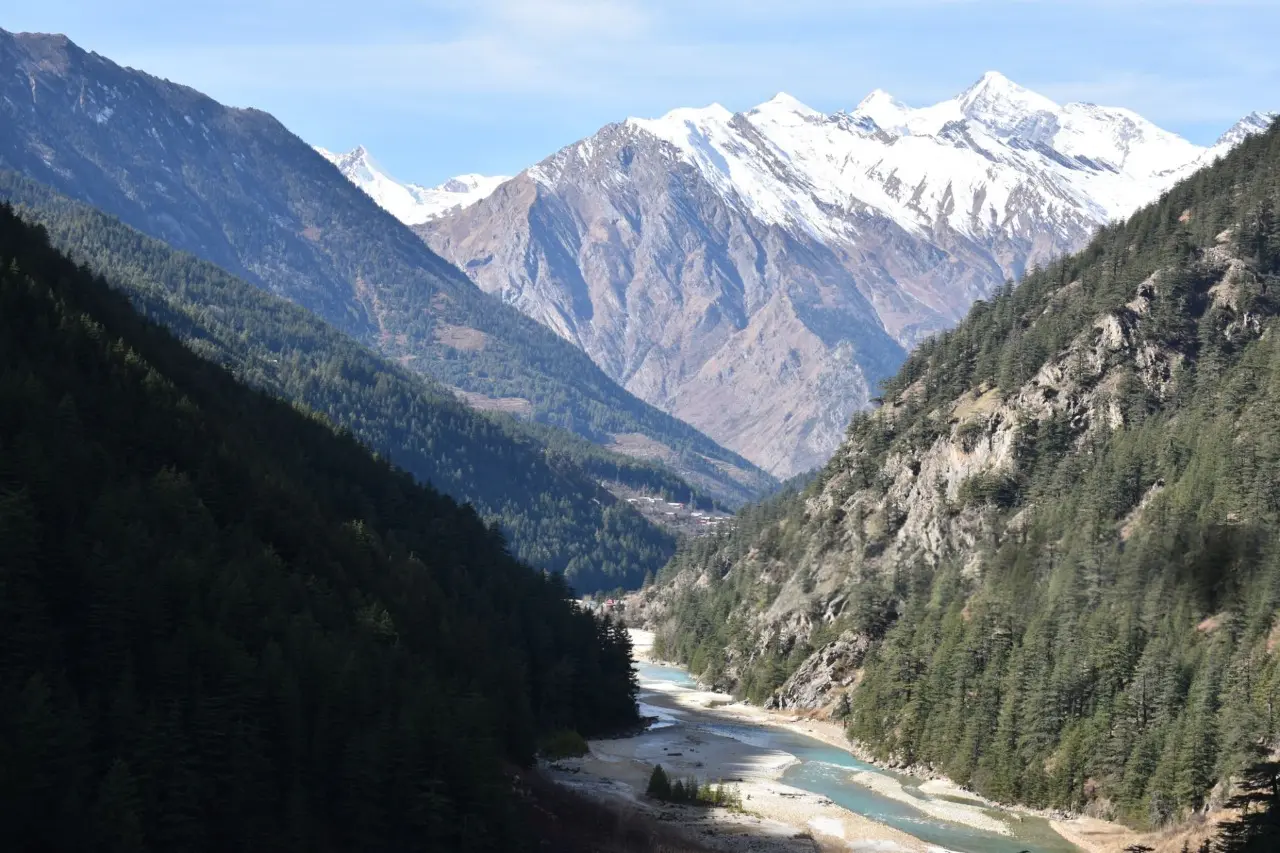
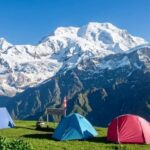
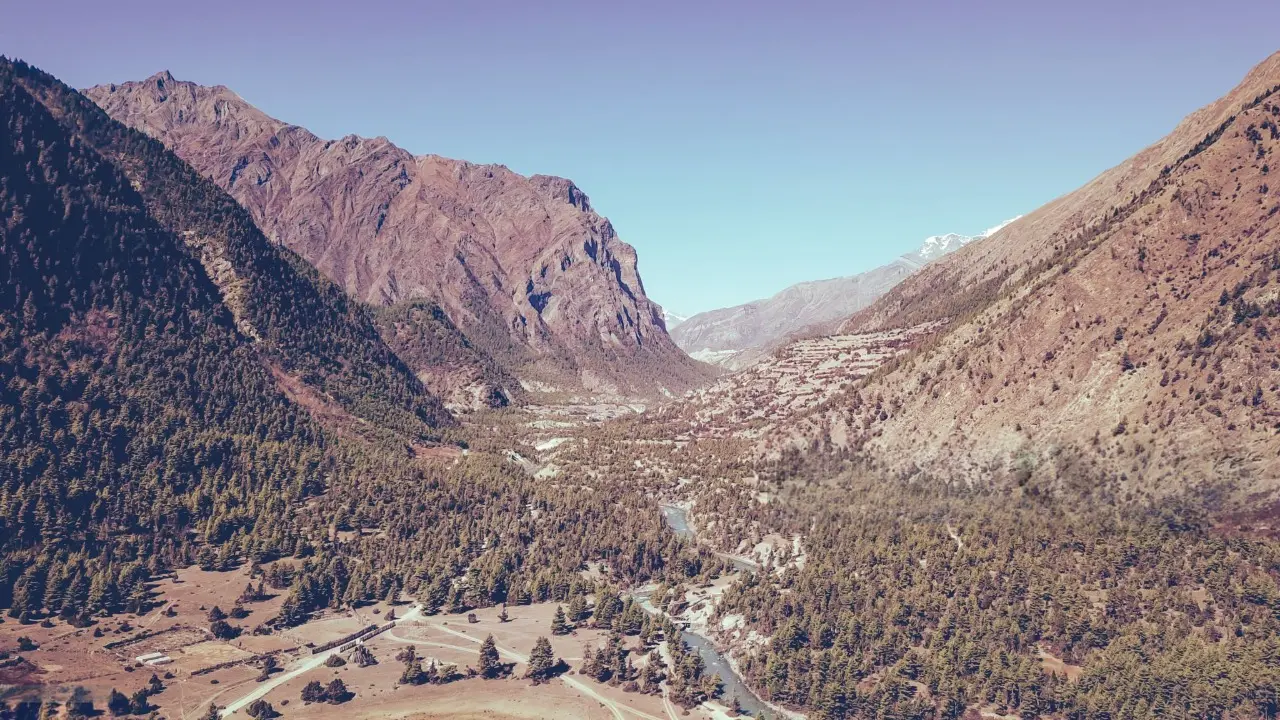
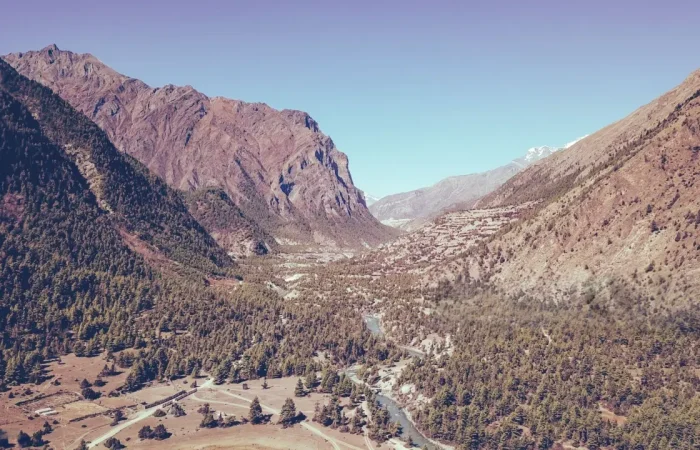
Base camp is nestled at the base of Pisang Peak.
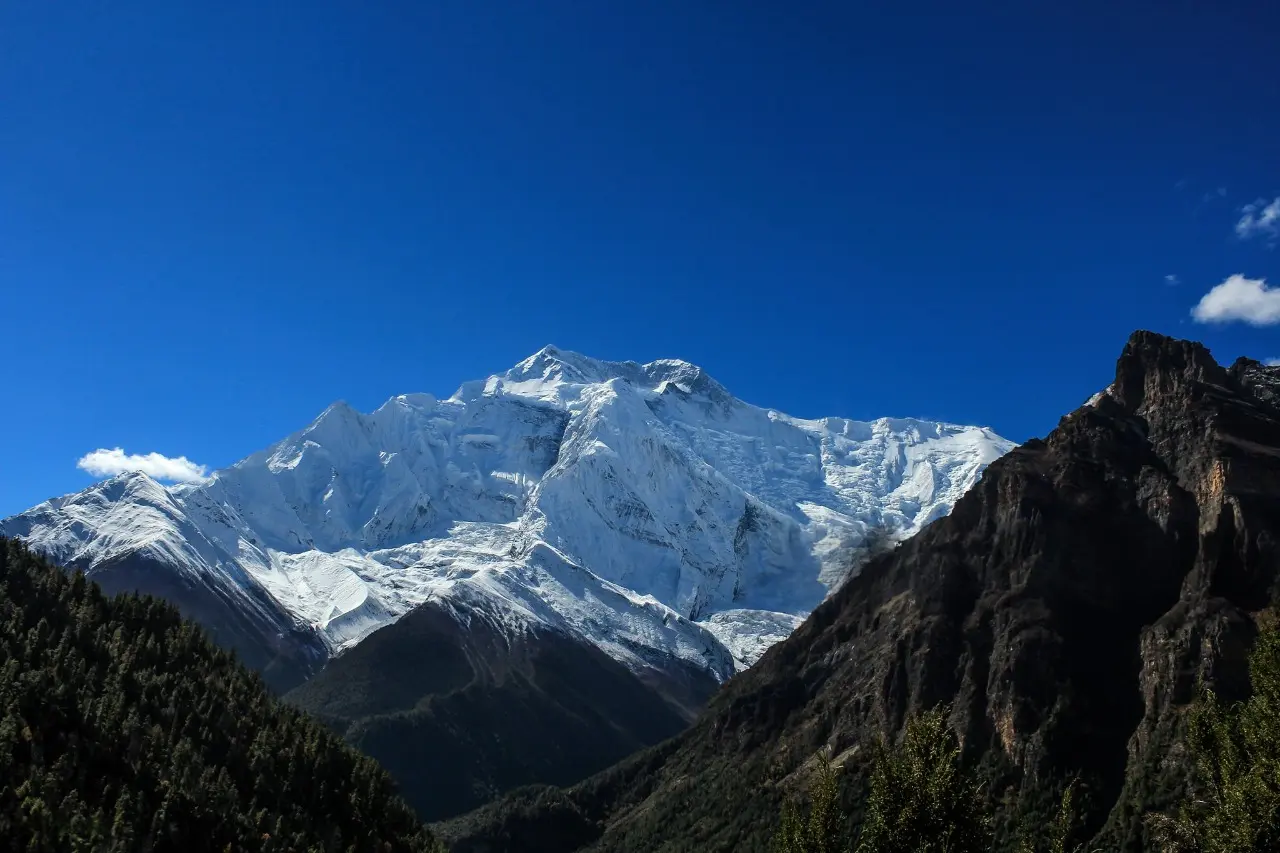
The ideal seasons for Pisang Peak climbing are spring (March to May) and autumn (September to November), offering clear skies and stable weather. Winter climbs, like the unsuccessful 2000s winter expedition, demand advanced preparation due to extreme cold.
To climb Pisang Peak, you need:
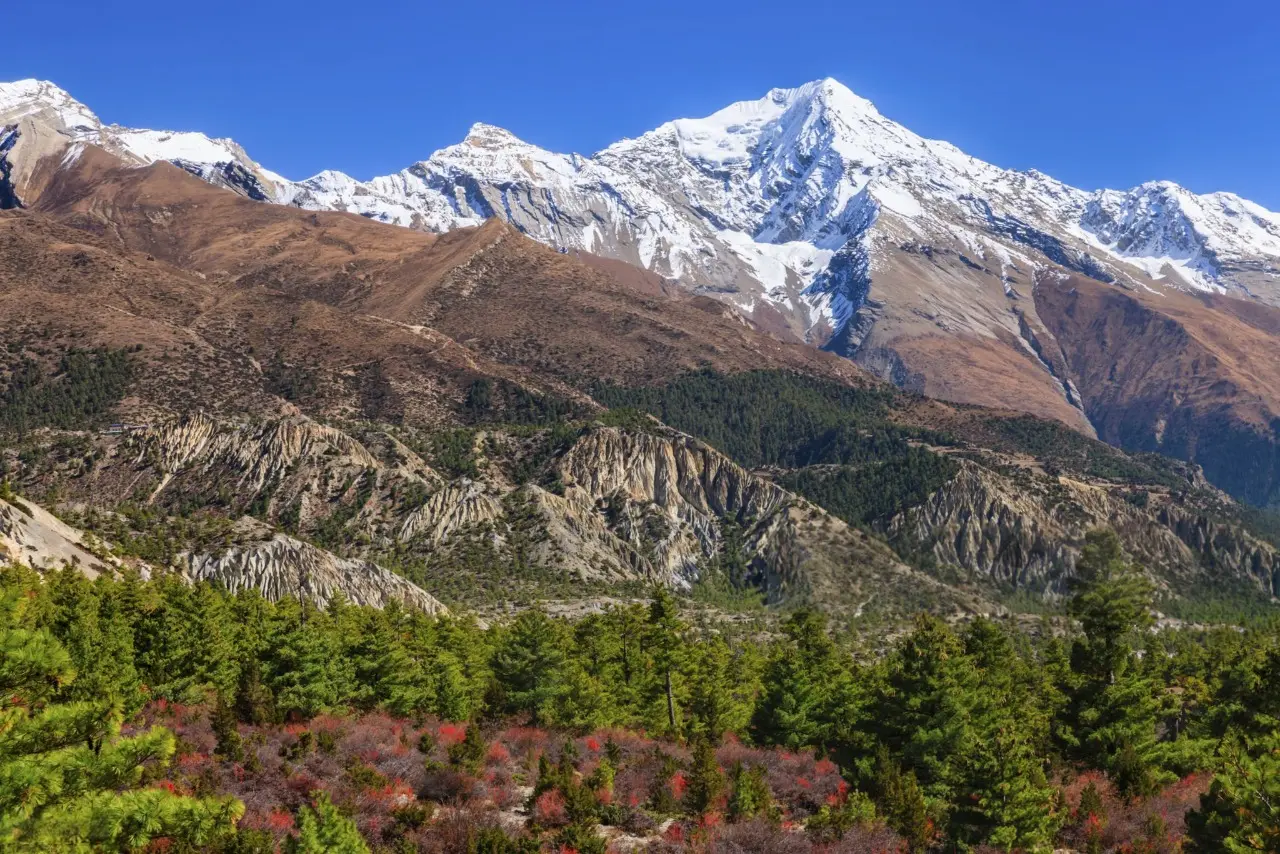
Pisang Peak climbing is a thrilling blend of mountaineering and trekking, offering a chance to conquer a 6,091m Himalayan summit.
Whether you’re a novice or seasoned trekker, this Pisang Peak trek promises stunning views, cultural richness, and an unforgettable adventure. Plan your Pisang Peak expedition in Nepal today!
This extra day is built into the itinerary to account for potential delays due to bad weather or slow acclimatization, ensuring the safety of the climb. If not used, you can enjoy a more leisurely pace.
After breakfast, a representative will transfer you to Tribhuvan International Airport
for your final departure, concluding your trekking and climbing adventure.
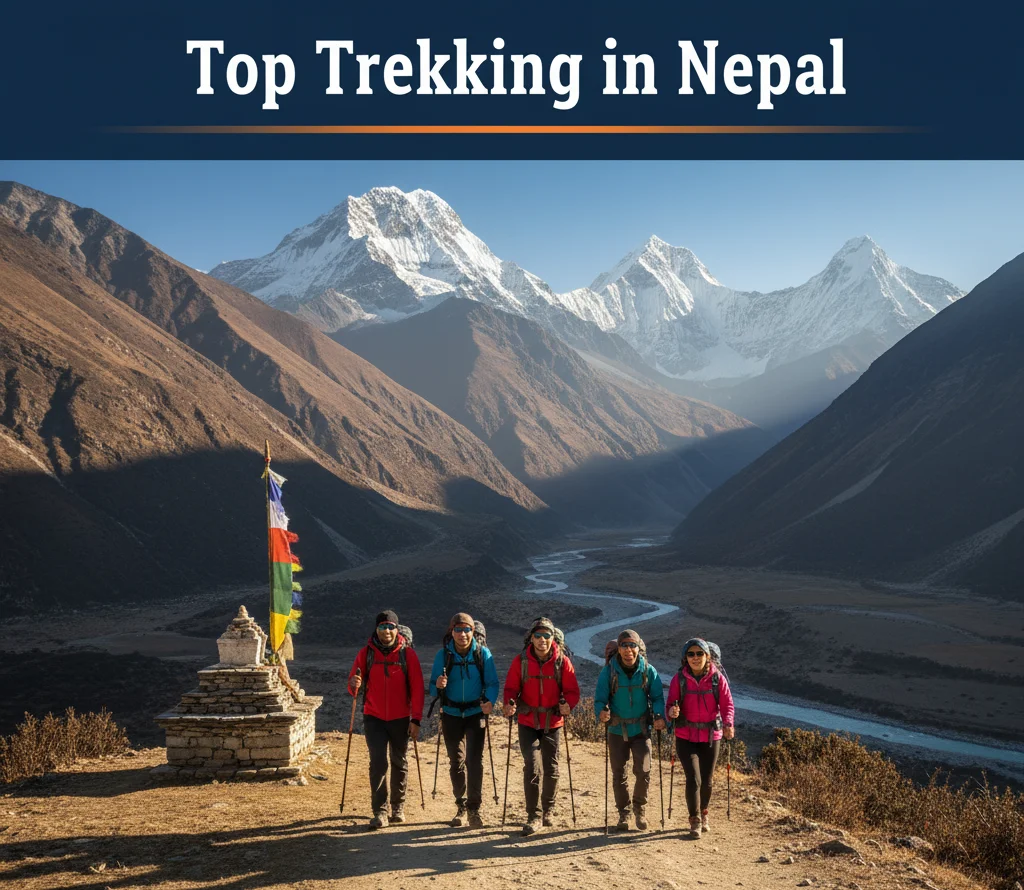
Pisang Peak stands at an altitude of 6,091 meters (19,984 feet) above sea level, making it one of the popular trekking peaks in the Annapurna region of Nepal.
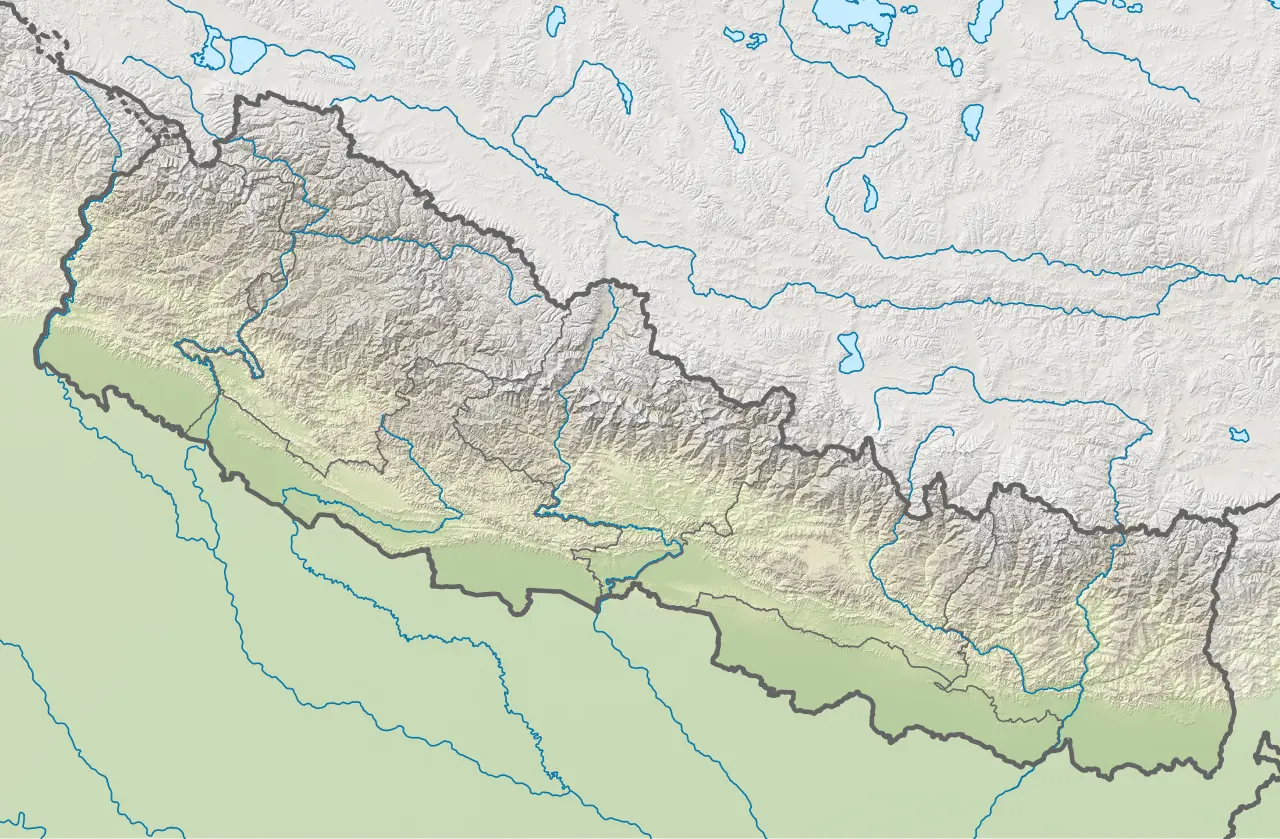
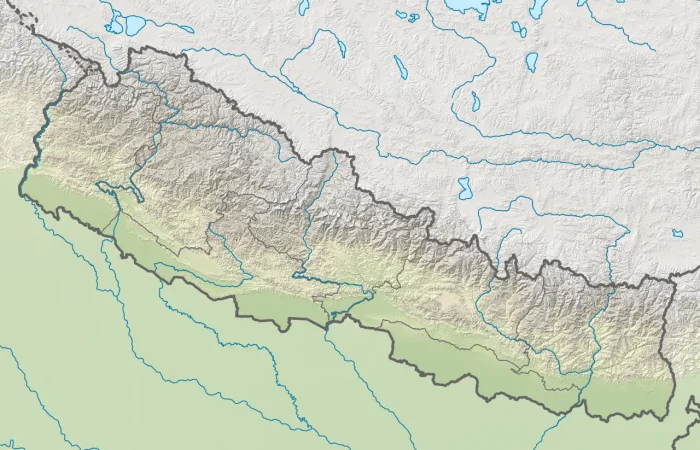
Pisang Peak is located in the Annapurna region of Nepal, near the village of Pisang, along the famous Annapurna Circuit trekking route.
Pisang Peak is considered a moderately challenging trekking peak. It requires basic mountaineering skills such as using crampons, ice axes, and ropes. Prior trekking experience at high altitudes is highly recommended.
The best time to climb Pisang Peak is during the spring (March to May) and autumn (September to November) seasons. During these periods, the weather is stable, and visibility is excellent, providing ideal climbing conditions.
While prior climbing experience is not mandatory, it is highly recommended. Trekkers should have experience trekking at high altitudes and some basic knowledge of mountaineering techniques, as the climb involves navigating glaciers and steep ascents.
The standard Pisang Peak Climbing itinerary takes around 18–20 days. This includes trekking through the Annapurna region, acclimatization days, and the summit attempt.
You will need the following permits:
Yes, acclimatization is essential to prevent altitude sickness. Most itineraries include acclimatization days at key points like Manang to allow climbers to adapt to the high-altitude environment.
Some essential gear includes:
Your trekking agency typically provides technical climbing gear, but you can also bring your own.
Yes, hiring an experienced climbing guide is strongly recommended. A guide ensures safety, helps with navigation, and assists with technical climbing sections.
The cost of Pisang Peak Climbing can range from $2,000 to $3,500, depending on the services included, such as permits, guide fees, equipment, accommodation, and food.
The main risks include altitude sickness, unpredictable weather, and technical challenges during the climb. Proper preparation, acclimatization, and following safety guidelines minimize these risks.
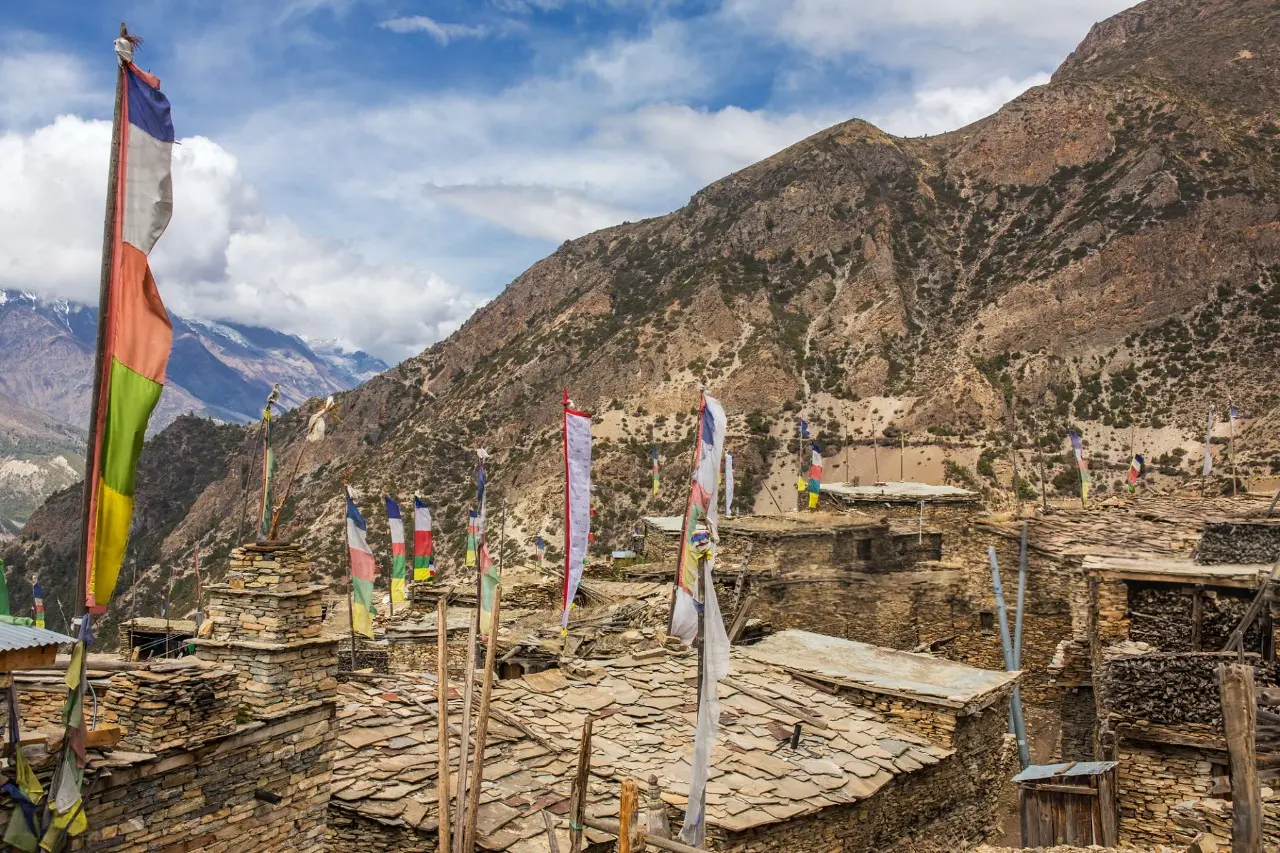
You will stay in teahouses or lodges along the Annapurna Circuit during the trekking portion. At Base Camp and High Camp, camping accommodations are provided.
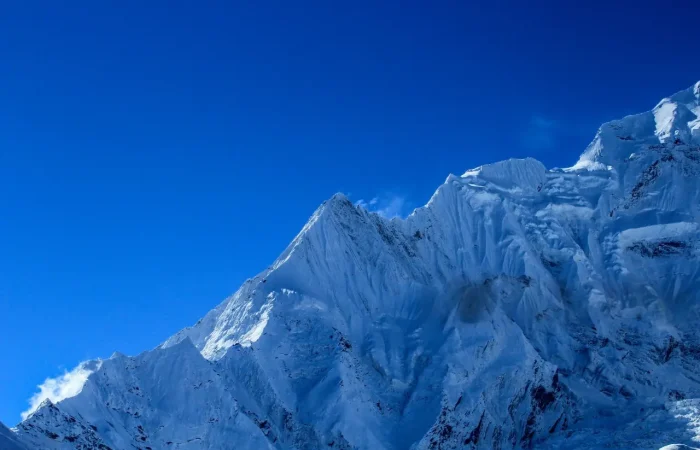
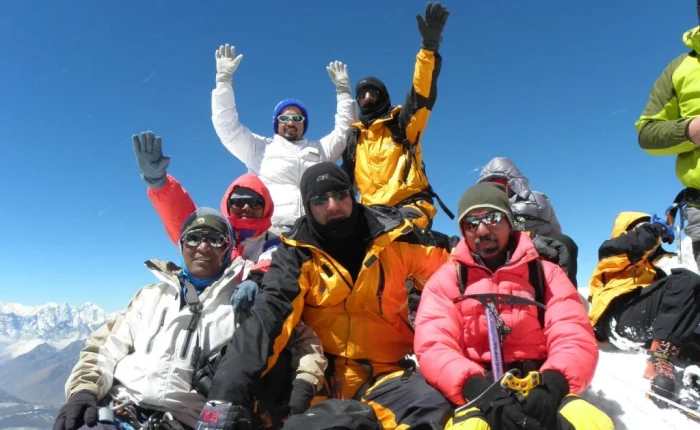
The summit day is challenging and begins early, usually around 2–3 AM. Climbers ascend steep ice and snow slopes to reach the summit, where breathtaking panoramic views of the Annapurna and Manaslu ranges await.
Yes, Pisang Peak Climbing is often combined with the Annapurna Circuit trek. This adds an enriching trekking experience to the expedition.
A good level of physical fitness is essential. Climbers should have strong endurance and the ability to trek for 6–8 hours a day. Cardiovascular and strength training prior to the climb is highly recommended.
Yes, alternative peaks include Chulu East, Chulu West, and Tent Peak, all located in the Annapurna region. Each offers a unique climbing experience with varying difficulty levels.
Your packing list should include trekking and climbing gear, warm clothing, personal hygiene items, a first-aid kit, and high-energy snacks. A detailed packing checklist will be provided by your trekking agency.
You can book Pisang Peak Climbing through a reputable trekking agency in Nepal. Look for agencies with good reviews and experienced climbing guides.
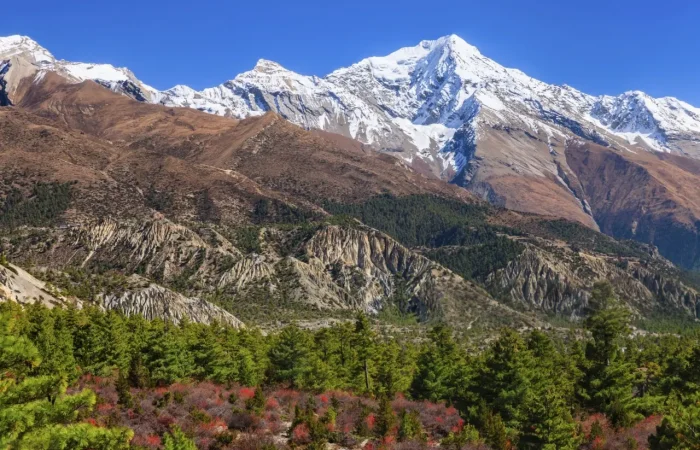
From the summit of Pisang Peak, you can enjoy stunning panoramic views of the Annapurna and Manaslu ranges, including Annapurna II, Annapurna IV, Gangapurna, and Tilicho Peak.
Automated page speed optimizations for fast site performance