
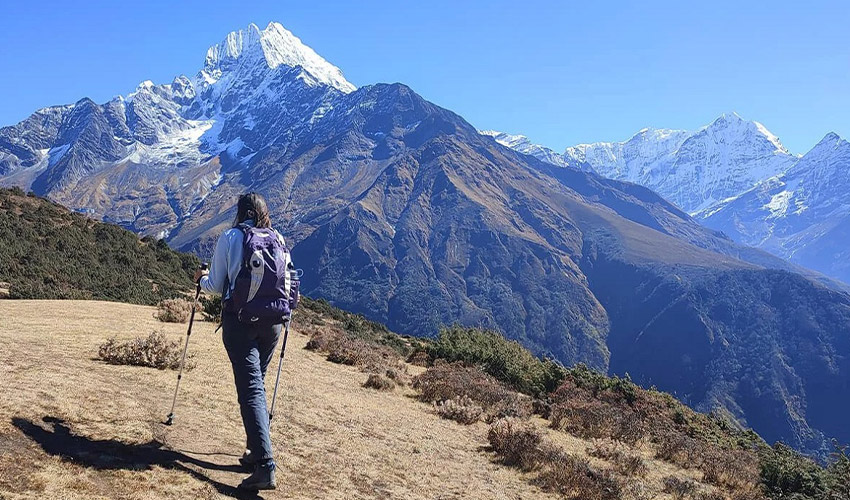
The Kanchenjunga Circuit Trek is one of Nepal’s most remote and breathtaking trekking routes. It offers a unique experience in the Himalayas. Far from the crowded trails of Everest or Annapurna, this trek is ideal for adventurers looking for off-the-beaten-path trekking in Nepal. For serious trekkers, the Kanchenjunga region offers both solitude and discovery, thanks to its untouched trails, pristine forests, and breathtaking high-altitude scenery.
This circuit, which includes Mount Kanchenjunga, the world’s third-highest peak, is more than just a journey through snow-capped mountains; it is also a rich cultural and environmental adventure. The trek goes through traditional Limbu, Sherpa, and Rai villages, which lets travellers experience Himalayan culture, traditions, and hospitality while seeing amazing biodiversity like rhododendron forests, alpine meadows, and rare animals.
One of Nepal’s most rewarding and difficult treks, Kanchenjunga combines the excitement of high-altitude trekking with the tranquillity of remote landscapes. This detailed guide to the Kanchenjunga trek will help you learn about the route, the most important sights, the best times to go, and everything else you need to know to have a safe and memorable trip to the Himalayas.
Overview of Kanchenjunga Circuit Trek
The Kanchenjunga Circuit Trek, which covers the Taplejung and Ilam districts in eastern Nepal, is one of the country’s most remote trekking routes. This long, difficult circuit usually takes 18-25 days to complete, depending on the itinerary and pace. Trekkers travel through rugged trails, dense forests, alpine meadows, and high-altitude passes before arriving at the Kangchenjunga Base Camp at an elevation of approximately 5,143 metres.
This trek is best suited for experienced trekkers and adventurers who can handle long days of hiking, changing weather, and limited trail amenities. Unlike more popular trekking routes in Nepal, the Kanchenjunga Circuit provides untouched landscapes, fewer crowds, and a genuine off-the-beaten-path trekking experience, making it an ideal choice for those looking for an authentic and challenging Kanchenjunga adventure.
The trek also offers numerous opportunities to explore Himalayan culture, traditional villages, and biodiversity, allowing visitors to witness both the natural and cultural wonders of eastern Nepal. For those planning a trip here, the detailed Kanchenjunga trek guide covers everything you need to know to prepare for this incredible adventure.
Highlights of the Kanchenjunga Circuit Trek
- Breathtaking Himalayan Views – Enjoy panoramic views of Mount Kanchenjunga, Jannu, Pandim, and surrounding peaks, some of Nepal’s most spectacular scenery.
- Diverse Landscapes – Travel through rhododendron forests, alpine meadows, glaciers, and high passes to experience the region’s rich natural diversity.
- Cultural Immersion – Along the trail, you will visit traditional monasteries, explore Sherpa, Limbu, and Rai villages, and learn about authentic Himalayan culture.
- Wildlife Encounters – See rare Himalayan wildlife like red pandas, musk deer, Himalayan black bears, and colourful birds in their natural habitats.
- Seasonal Beauty – Enjoy spring rhododendron blooms and autumn clear skies with crisp mountain views, ideal for photographers and trekkers.
- Off-the-Beaten-Path Adventure – Take a remote and untouched trekking route away from the crowded trails of Annapurna or Everest, for a true Kanchenjunga adventure.
- Experienced trekkers can take on the high-altitude challenge of crossing rugged passes to reach Kangchenjunga Base Camp (~5,143m).
Detailed Itinerary of the Kanchenjunga Circuit Trek
Day 1–3: Taplejung & Phungling Approach
The trek begins in Taplejung, which serves as the gateway to the Kanchenjunga region. Travellers spend the first few days exploring local villages, interacting with Limbu communities, and getting used to the altitude. These first few days are a gentle introduction to the trails, dense forests, and off-the-beaten-path trekking in Nepal.
Day 4–10: Lower Kanchenjunga Region
As the trail ascends, trekkers enter the lower Kanchenjunga region, passing through verdant rhododendron forests, terraced fields, and remote villages. This section provides breathtaking views of Kanchenjunga and Jannu, as well as firsthand experiences with Sherpa and Limbu culture. Optional side excursions include visits to small monasteries, local markets, and scenic locations ideal for photography.
Day 11–18: High Passes and Base Camp Approach
The trek to Kangchenjunga Base Camp (~5,143m) takes you through remote alpine meadows, glaciers, and rugged passes at high altitude. This is the most difficult part of the trek, necessitating adequate acclimatisation and physical preparation. Trekkers are rewarded with breathtaking mountain views, pristine landscapes, and rare wildlife sightings like red pandas and musk deer. Optional side trips allow you to explore the surrounding peaks and valleys.
Day 19–22: Return via a Different Route
The trek’s circuit nature means that the return journey takes a different path, allowing trekkers to discover new villages, forests, and cultural interactions. This section provides additional opportunities for photography, cultural immersion, and connecting with local communities before reaching Taplejung or Phungling, which completes the Kanchenjunga adventure.
This Kanchenjunga trek detailed guide stresses flexibility: you can change your itinerary based on your fitness level, interests, and time, while still seeing the best parts of one of Nepal’s most remote and beautiful trekking routes.
Kanchenjunga Circuit Trek Info
Difficulty and Trekking Experience
Because it is so far away, at a high altitude, and has long distances, the Kanchenjunga Circuit Trek is rated as hard to very hard. Trekkers should have some experience with trekking, be in good shape, and be used to the altitude. This route has fewer amenities and rougher terrain than treks in the Annapurna or Everest regions, so you need to be prepared and able to keep going. To have a successful Kanchenjunga adventure, you should train by going on long hikes and practicing at high altitudes.
Best Time to Trek Kanchenjunga
The best times to visit are in the spring (March to May) and the autumn (September to November), when the skies are clear, the temperatures are mild, and the mountain views are amazing. Winter (December to February) is a good time for tough hikers who want to be alone, but monsoon (June to August) is usually avoided because of landslides and heavy rain.
Permits and Regulations
You need the Kanchenjunga Conservation Area Permit (KCAP) to go trekking in this area. Because it is a limited trekking area, trekkers must follow the rules, which include hiring a licenced guide and porter for safety and to follow the rules. Permits and plans for how to get around are necessary for a safe and well-planned trek on Kanchenjunga.
Accommodation and Facilities
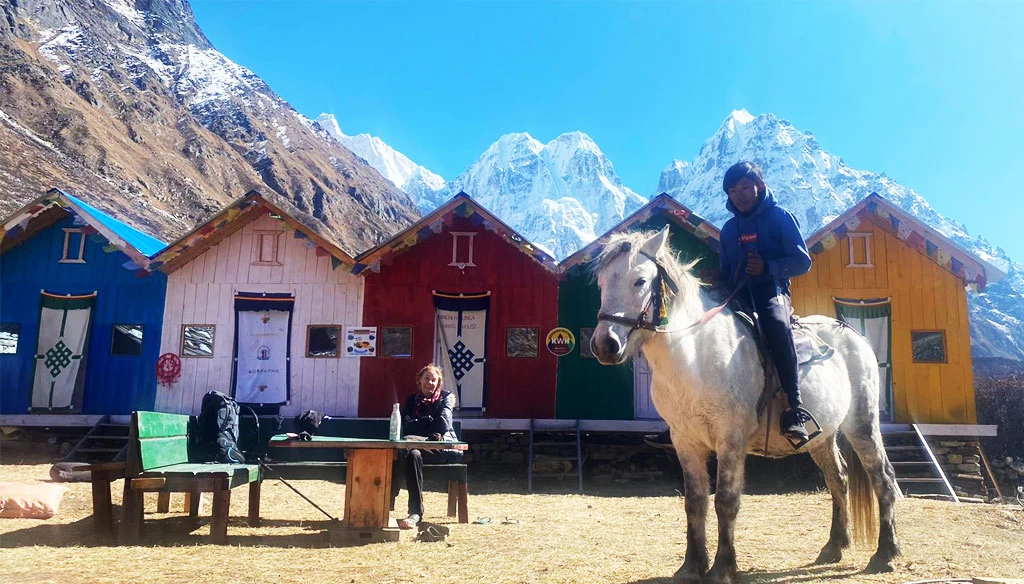
There aren’t many places to stay, just basic teahouses and homestays where you can relax after a long day of trekking. You can get Nepali food and local specialities, but there aren’t many choices in remote areas. Because Kanchenjunga trekking is off the beaten path, trekkers should bring the basics and be ready for basic facilities.
Scenery and Landscapes
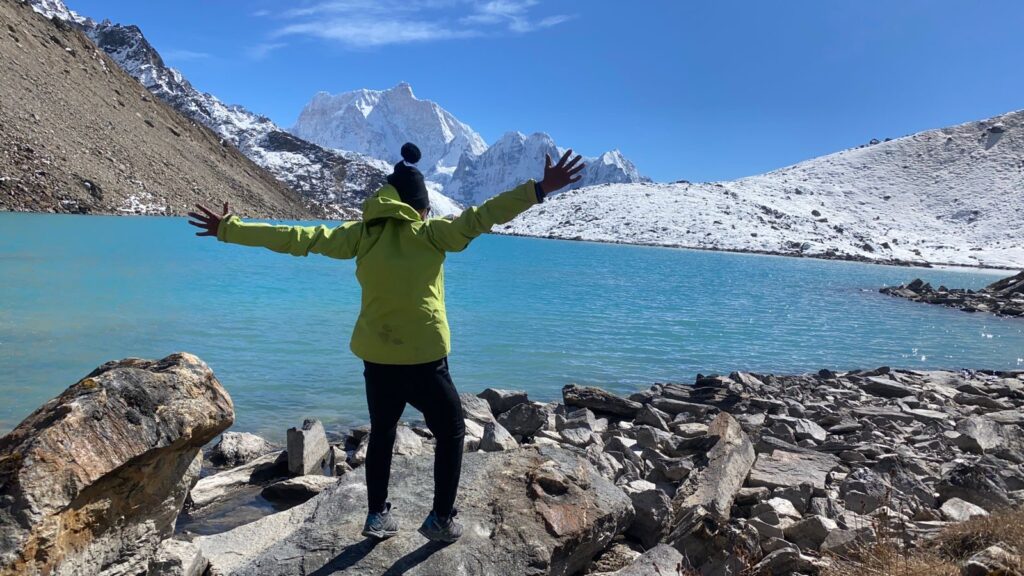
The trek has a lot of different landscapes, from lush rhododendron forests in the lower areas to rough alpine zones and glacial valleys. One of Nepal’s most beautiful and untouched trekking routes, travellers love the clear rivers, high passes, and wide views of the Himalayas.
Culture and Local Interaction
The route goes through villages where Limbu, Rai, Sherpa, and Lepcha people live, giving you a chance to experience their cultures in a unique way. As part of the full Kanchenjunga adventure, trekkers can visit monasteries, see traditional festivals, and talk to locals to learn more about the area’s rich Himalayan culture.
Conclusion
One of the most isolated and pristine trekking experiences in Nepal is the Kanchenjunga Circuit Trek, which offers the ideal fusion of stunning scenery, rich Himalayan culture, and off-the-beaten-path adventure. This trek is perfect for tourists looking for a distinctive and difficult Himalayan experience away from busy trails because it offers unexplored trails, high passes, alpine meadows, and traditional villages.
Selecting Nepal Adventure Trail guarantees a smooth and secure journey. Your trek will be carefully planned with local knowledge, full permit handling, and experienced guides who know the Kanchenjunga area. They will take care of everything from your accommodations and meals to emergency backup. You can make your Kanchenjunga trip unique by choosing a tailored itinerary that focuses on cultural immersion, photography, or exploring at high altitudes.
For a fully planned, safe, and unforgettable Himalayan adventure, plan your Kanchenjunga Circuit Trek with Nepal Adventure Trail. Get in touch with us today to make a personalised itinerary and find one of Nepal’s most beautiful and secret trekking spots.
Frequently Asked Questions
What is the Kanchenjunga Circuit Trek?
The Kanchenjunga Circuit Trek is a long-distance trekking route in eastern Nepal, circling Mount Kanchenjunga, the world’s third-highest peak. It’s a remote, challenging, and culturally rich trek ideal for experienced hikers who want an off-the-beaten-path trekking experience in Nepal.
How long does the Kanchenjunga Circuit Trek take?
The trek usually takes 18–25 days, depending on your route, pace, and optional side excursions. This includes time for acclimatization and exploring local villages, making it one of the most rewarding Kanchenjunga adventures in Nepal.
What is the difficulty level of this trek?
Rated difficult to very difficult, the trek requires good physical fitness, previous trekking experience, and proper acclimatization. Unlike popular trails in Annapurna or Everest, this route is remote with limited facilities, so preparation is key.
When is the best time to trek the Kanchenjunga Circuit?
The best seasons are spring (March–May) and autumn (September–November) for clear skies and stunning mountain views. Winter is suitable for experienced trekkers seeking solitude, while monsoon is generally avoided due to landslides and heavy rainfall.
Do I need a guide or porter for this trek?
Yes, due to restricted area regulations, hiring a licensed guide and porter is mandatory. Guides ensure safety, handle permits, and provide valuable insights into local culture and landscapes, enhancing your Kanchenjunga adventure.
What permits are required for the Kanchenjunga Circuit Trek?
Trekkers must obtain the Kanchenjunga Conservation Area Permit (KCAP) and follow restricted area rules. Permits are handled efficiently by experienced operators like Nepal Adventure Trail, which also ensures compliance with local regulations.
What kind of accommodation can I expect along the trail?
Accommodation is mostly basic teahouses and homestays, offering simple but comfortable facilities. Food options include Nepali cuisine and local specialties, and trekkers should carry essential items due to the remote nature of the trail.
What are the main highlights of the Kanchenjunga Circuit Trek?
Highlights include panoramic views of Kanchenjunga, Jannu, and Pandim, trekking through rhododendron forests and alpine meadows, cultural immersion in Limbu, Rai, and Sherpa villages, and sightings of rare wildlife like red pandas and musk deer.
Is the Kanchenjunga Circuit Trek suitable for beginners?
No, this trek is recommended for experienced trekkers. Its remote trails, high passes, and limited facilities require preparation, physical fitness, and prior trekking experience. Beginners may consider shorter or less challenging alternatives in eastern Nepal.
Can the trek be customized or combined with other adventures?
Yes, many travelers combine the Kanchenjunga Circuit with helicopter drop-offs, side excursions for photography, or cultural tours. Working with Nepal Adventure Trail allows you to customize your itinerary, making it a flexible and fully organized Himalayan adventure.