
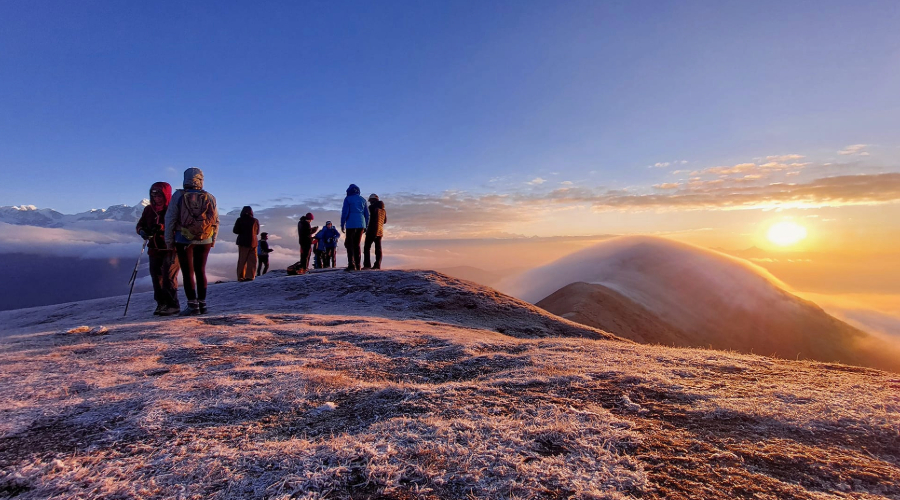
People often think of trekking in Nepal during the busy spring and autumn seasons, but more and more people are interested in exploring the Himalayas during the quieter times of the year. Off season trekking in Nepal, which includes winter (December–February) and monsoon (June–August), offers a completely different perspective, one that is less crowded, more peaceful, and deeply immersive.
For travelers seeking solitude and a more personal connection with nature, these months open the door to some of the least crowded treks in Nepal.
Although many people believe that trekking is less appropriate during these seasons, the truth is more complex. With the right planning and route selection, trekking in Nepal in winter or even during the monsoon season can be highly rewarding.
The off-season highlights a distinct aspect of the Himalayas that peak seasons frequently overlook, from snow-covered trails and clear mountain air to verdant landscapes and striking cloud formations.
Naturally, when choosing an off-season Nepal trekking guide, concerns about safety, accessibility, and weather conditions are crucial. Selecting the appropriate trekking routes and being aware of what to expect can make all the difference.
This guide looks at how to approach off-season trekking in Nepal, highlighting the best trails and providing practical advice to help you plan a safe and memorable Himalayan adventure.
Why Choose Off Seasons Trekking in Nepal
Choosing off seasons trekking in Nepal is about discovering a quieter, more personal side of the Himalayas rather than avoiding the most popular months. Most trekkers go in the spring and autumn, but the off-season opens up trails that feel much less travelled, giving trekkers a deeper and more immersive experience in Nepal.
One of the best things is that there aren’t many people. Busy roads become quiet and peaceful, so you can walk at your own pace and really connect with the land. This can change the whole feel of the trek for people who want to go on less crowded treks in Nepal or have a more real experience. The silence of the mountains, especially during winter trekking in Nepal, creates a one-of-a-kind atmosphere that is difficult to replicate during peak season.
Another good thing is that it is available and flexible. Teahouses are less busy, it’s easier to find guides and porters, and you can change your plans more easily. If you like to take it easy instead of following a set, busy route, this makes Nepal trekking off season a great choice.
The scenery is also surprisingly nice during the off-season. During the winter, the trails are covered in snow, the skies are clear, and the mountains are crisp. During the monsoon, the hills turn into lush green landscapes with flowing rivers and fresh mountain air.
Monsoon trekking in Nepal and winter treks are equally appealing in their own right because of these seasonal contrasts, which provide an alternative viewpoint to the usual peak-season views.
Another element that makes trekking in Nepal during the off-season appealing is cost. Flights, guides, and lodging are frequently more reasonably priced due to decreased demand, and reservations are simpler to make even with less notice.
Overall, off-season trekking is best suited for experienced trekkers and adventure travelers who are comfortable with changing conditions and looking for off-the-beaten-path trekking in Nepal.
It offers a fulfilling balance of seclusion, scenic beauty, and flexibility that peak seasons frequently can’t offer with the correct planning and route selection.
Challenges of Off Season Trekking
While off season trekking in Nepal offers a quieter and more unique experience, it does come with a few challenges that trekkers should be prepared for. The biggest factor is weather unpredictability.
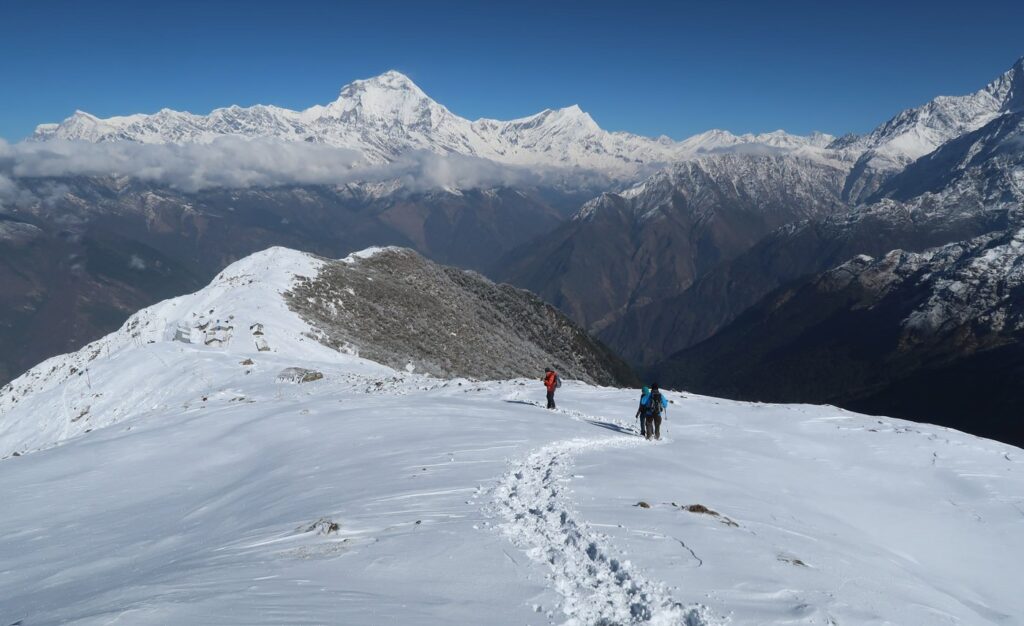
Higher trails may experience freezing temperatures and heavy snowfall in the winter, while the monsoon season brings rain, clouds, and slick roads, particularly in wooded areas. Flexibility is essential because circumstances can change rapidly.
Another common challenge, particularly during monsoon trekking in Nepal, is limited mountain visibility. The peaks are frequently obscured by clouds and mist, so those unobstructed panoramic views might not always be possible. However, dramatic landscapes and an abundance of greenery counterbalance this.
Transportation may also be impacted. Weather-related flight delays and road disruptions are more common during the off-season, particularly for routes involving mountain airports. This makes it important to keep buffer days in your itinerary when planning a Nepal trekking off season trip.
Because of these factors, preparation becomes even more important. It’s important to have the right trekking gear, like clothes that are waterproof and the right way to layer them. A flexible itinerary lets you change your plans based on the weather, and going on a trek with experienced guides gives you an extra level of safety and local knowledge. These problems can be dealt with if you take the right steps, which makes trekking in Nepal during the off season safe and enjoyable.
Best Destinations for Off Seasons Trekking in Nepal
Khopra Ridge Trek
The Khopra Ridge Trek in the Annapurna area is one of the best places to go trekking in Nepal during the off season. It’s a great choice for people who want a quieter and less touristy route. Even in the busiest months, this trail isn’t too crowded. This makes it even more appealing in the off-season for people who want to hike in Nepal without a lot of other people around and have a more personal experience in the Himalayas.
One reason the Khopra Ridge trek works well in the off season is that the terrain and altitude are both manageable, which lowers the risks that come with very high passes. This makes it a safer and more flexible choice than longer and harder Annapurna routes, especially in the winter and monsoon seasons.
In the winter, the trail turns into a beautiful landscape with snow-covered ridges and clear mountain views. It has great views of the Annapurna and Dhaulagiri ranges. During the monsoon season, the area becomes lush and colourful, with thick forests, green hillsides, and fewer people on the trail. This makes for a peaceful trekking environment that is perfect for people who want to go trekking in Annapurna during the off season.
Some of the best parts of the trek are the stunning Khopra Ridge viewpoint, a side trip to the holy Khayer Lake, and views of some of the most famous peaks in the Annapurna region. For trekkers looking to experience off season trekking in Nepal without the challenges of extreme altitude or heavy crowds, Khopra Ridge stands out as a balanced and rewarding option.
Langtang Valley Trek
The Langtang Valley Trek is one of the most accessible and rewarding options for off season trekking in Nepal, especially for those looking to stay closer to Kathmandu. This trek is in the Langtang region and is a great choice for both winter and monsoon seasons because it has a good mix of mountain scenery, cultural experiences, and a manageable altitude.
Langtang off-season trekking in Nepal works well for a number of reasons, including that it is at a lower altitude than the Everest region and is easy to get to by road. The trails are still open and easy to navigate in the winter, so it’s a good choice for people who want to go trekking in Nepal in the winter without taking too many risks at high altitudes.
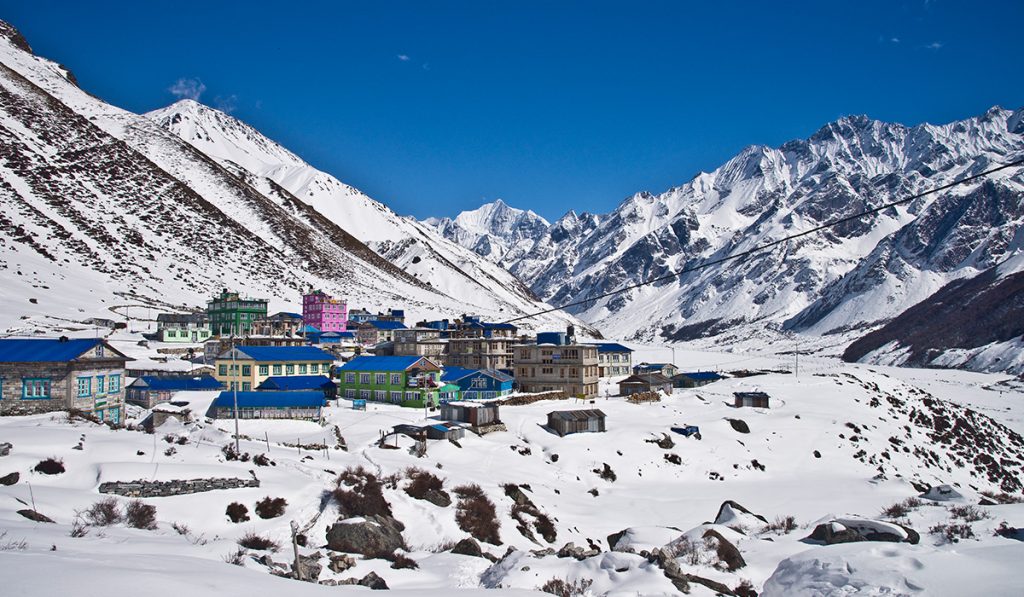
In the winter, the valley becomes a peaceful Himalayan retreat with snow-covered landscapes, frozen trails, and quiet surroundings. This makes for a more peaceful trekking experience. On the other hand, trekking in Nepal’s Langtang region during the monsoon season shows a whole new side, with lush green valleys, flowing waterfalls, and a wide range of plants and animals, making the area feel fresh and alive.
The Langtang Valley, Kyanjin Gompa, and the beautiful glacier and mountain views that make this area so special are some of the best parts of the trek. Due to its abundance of natural beauty, ease of access, and rich cultural diversity, the Langtang Valley is among the top trekking destinations in Nepal during the off-season.
Mardi Himal Trek
The Mardi Himal Trek is an excellent choice for off-season trekking in Nepal, particularly for those seeking a short and flexible Himalayan trek in the Annapurna region. Its relatively short duration and well-defined trail make it ideal for those seeking a rewarding experience without committing to longer circuits, especially during the winter and monsoon seasons.
One of the primary benefits of the Mardi Himal trek off season is its lower risk and manageable altitude, making it more accessible than high passes such as Thorong La. This makes it an excellent choice for trekkers planning short winter treks in Nepal or those with limited time but a strong desire to see the Himalayas up close.
In the winter, the upper sections near High Camp and Base Camp are frequently covered in snow, creating a dramatic setting with snowy trails and breathtaking sunrise views of Machhapuchhre and the Annapurna range. During the monsoon season, the lower trails come to life with dense forests, mist-covered ridges, and fewer trekkers, providing a serene and atmospheric trekking experience.
The trek’s highlights include arriving at Mardi Himal Base Camp, hiking along scenic ridge trails, and seeing Machhapuchhre (Fishtail) up close. For those planning off-season trekking in Nepal, Mardi Himal stands out as a compact yet scenic adventure that offers both mountain views and a more peaceful trail experience.
Pikey Peak Trek in Off Season
The Pikey Peak Trek in the lower Everest region is one of the best-kept secrets for off season trekking in Nepal, especially for those who want Everest views without the challenges of high altitude. Its lower elevation and easy accessibility make it a safer and more comfortable choice during both winter and monsoon seasons.
A major highlight of the Pikey Peak trek in winter is its reputation for offering some of the best sunrise views of Mount Everest. During winter, trekkers can enjoy clear skies, snow-dusted trails, and incredible visibility, often with fewer crowds on the route. This makes it an excellent alternative to busier Everest treks while still delivering a memorable Everest view trek off season experience.
In the monsoon season, the trail takes on a different charm with lush green hills, terraced landscapes, and vibrant local life. While higher regions may be cloudier, the lower altitude of Pikey Peak means you can still enjoy cultural interactions and peaceful trails with very few tourists around.
Key highlights include the panoramic Pikey Peak viewpoint, offering wide views of Everest and surrounding peaks, as well as walks through traditional villages and monasteries that reflect the rich culture of the lower Everest region. For travelers seeking a quieter, scenic, and culturally rich journey, Pikey Peak stands out as a top choice for off season trekking in Nepal.
Conclusion
Choosing off seasons trekking in Nepal opens up a completely different side of the Himalayas which is quieter, more personal, and deeply rewarding. With fewer crowds on the trails, trekkers can enjoy a more peaceful and authentic mountain experience, whether it’s walking through snow-covered paths in winter or exploring lush green landscapes during the monsoon.
Routes like Khopra Ridge, Langtang Valley, Mardi Himal, and Pikey Peak stand out as some of the best options for the off-season. Each offers a unique balance of scenery, accessibility, and cultural experience, making them ideal for travelers looking for less crowded treks in Nepal without compromising on Himalayan views. The key is to choose a trek that matches your comfort level, time, and trekking experience, especially when planning around changing weather conditions.
Planning the right way makes all the difference. With expert local guidance, flexible itineraries, and reliable logistics, you can turn off-season challenges into a smooth and enjoyable journey. Plan your off season trekking in Nepal with Nepal Adventure Trail for a safe, flexible, and well-organized Himalayan adventure. Contact us today to customize your trek and explore Nepal beyond the crowds.
Frequently Asked Questions
Is off season trekking in Nepal safe?
Off season trekking in Nepal can be safe with proper planning, the right route choice, and experienced guidance. Sticking to lower altitude treks like Mardi Himal or Pikey Peak, carrying proper gear, and allowing buffer days helps manage weather-related risks effectively.
What is considered the off season for trekking in Nepal?
The off season includes winter (December to February) and monsoon (June to August). These months see fewer trekkers due to cold temperatures or rainfall, but they offer a quieter and more unique trekking experience.
Which are the best treks for off season trekking in Nepal?
Khopra Ridge, Langtang Valley, Mardi Himal, and Pikey Peak are among the best options. These routes are more accessible, less crowded, and suitable for changing weather conditions during the off season.
Can beginners go for off season trekking in Nepal?
Yes, beginners can trek in the off season if they choose shorter and moderate routes. It’s best to avoid high passes and trek with a guide to ensure safety and proper navigation.
What are the advantages of trekking in Nepal during winter?
Winter trekking offers clear skies, fewer crowds, and peaceful trails. Snow-covered landscapes add a unique charm, especially in regions like Langtang and Pikey Peak.
Is monsoon trekking in Nepal worth it?
Monsoon trekking can be rewarding in the right areas. Expect lush greenery, flowing waterfalls, and fewer tourists, although mountain views may be limited due to clouds.
Will flights and transportation be affected in the off season?
Weather conditions can sometimes cause flight delays or road disruptions, especially during monsoon and winter. Adding buffer days to your itinerary is highly recommended.
What kind of gear is needed for off season trekking in Nepal?
You’ll need layered clothing, waterproof jackets, sturdy trekking boots, and cold-weather essentials. Proper gear is important to stay comfortable in unpredictable conditions.
Are teahouses open during the off season?
Most popular trekking routes still have open teahouses, though options may be limited in remote areas. Planning ahead or trekking with a guide ensures smoother accommodation.
Why choose off season trekking instead of peak season?
Off season trekking is ideal for those who want less crowded trails, flexible travel plans, and a more peaceful Himalayan experience. It allows you to explore Nepal in a more relaxed and authentic way.