
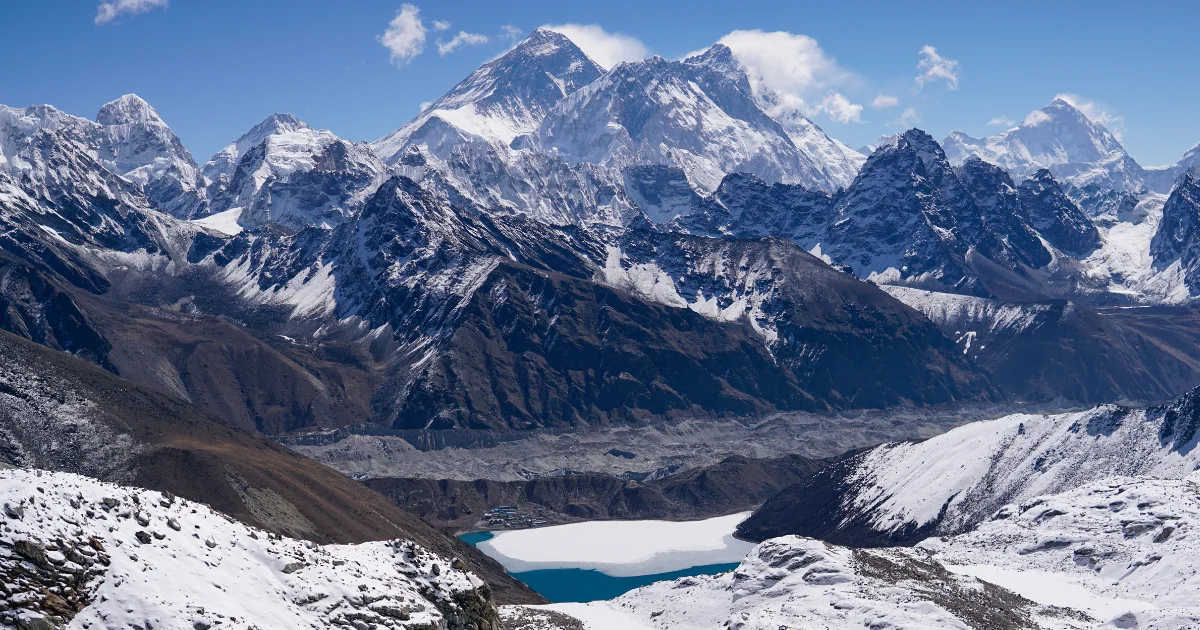
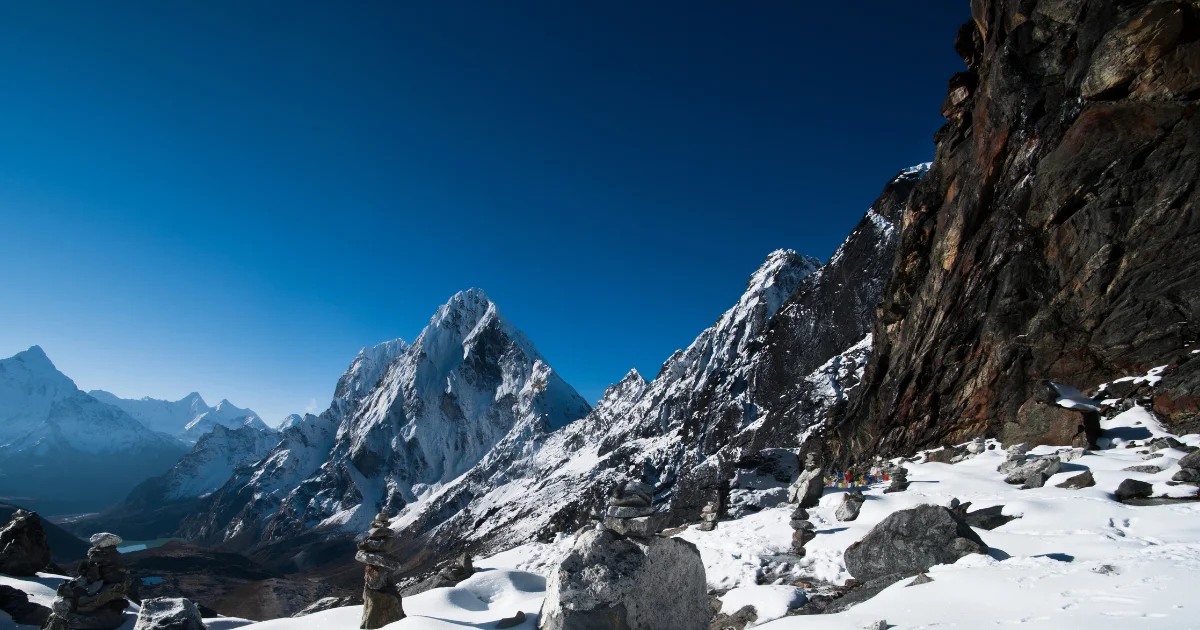
Everest Three Passes Trek | 18 Days Crossing Kongma La, Cho La & Renjo La

Nepal's Wild Secret
Booking Form
Enquiry Form
Full Name*
Email Address*
Phone Number*
Your Country*
Your Enquiry*
Accommodation*
* I agree with Terms of Service and Privacy Statement.
Please agree to all the terms and conditions before proceeding to the next step
Available: 20 seats
* Please select all required fields to proceed to the next step.

Proceed Booking

Save To Wish List

Adding item to wishlist requires an account

8465

  • DestinationNepal
  • Accommodation4 Star Hotel in Kathmandu / Tea House / Lodge during the trek
  • RegionKhumbu
  • Best SeasonFeb, March, April, May, June, Sep, Oct, Nov & Dec.
  • Days20
  • Group2-15 Persons
  • DifficultyModerate
  • PickupTIA Airport
  • Activity Per DayApprox. 4-6 hrs Walking
  • Max. Altitude5,545 meters (18,192 feet)
  • Meals IncludedBreakfast in Kathmandu Hotel / all Meals (Breakfast, Lunch, Dinner) during the trek
  • Transportation

About Everest Three Pass Trek

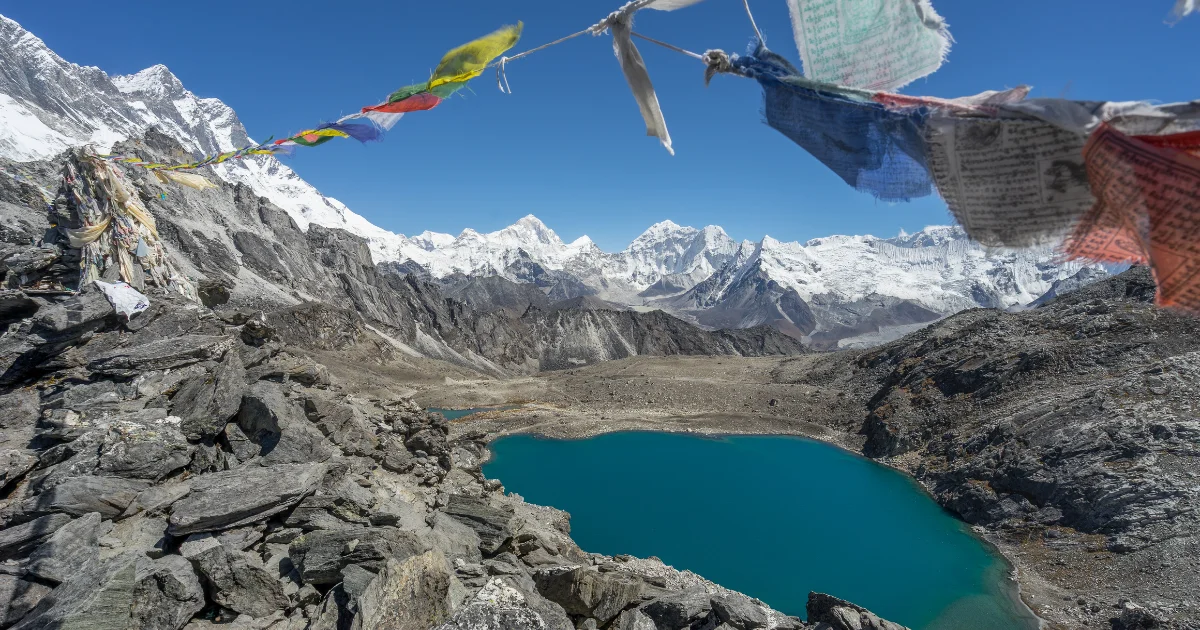
The Everest Three Passes Trek is Nepal’s most complete high altitude trekking adventure in the Khumbu region, combining Everest Base Camp, Gokyo Lakes, and Kala Patthar into a single demanding journey across three legendary mountain passes: Kongma La (5,535m), Cho La (5,420m), and Renjo La (5,360m). Unlike the standard Everest Base Camp trek, which follows one trail in and out, the Three High Passes route circles the entire Khumbu, delivering Everest views from every possible angle while avoiding the crowds that build up on the main trail.

Trekkers who choose the Everest Three Passes Trek get the best of every Everest region itinerary rolled into one: the iconic walk to Everest Base Camp, sunrise over the Himalayan skyline from Kala Patthar, the turquoise waters of the Gokyo Lakes, and three genuine high altitude pass crossings that test both fitness and nerve. Along the way, the route threads through Sherpa strongholds like Namche Bazaar, Tengboche, Dingboche, and Gokyo, giving trekkers a deep look at Buddhist monastery culture, prayer flag-lined trails, and Himalayan village life found nowhere else on a standard EBC itinerary.

This is a challenging, high altitude trek recommended for experienced trekkers with prior multi-day hiking background and solid cardiovascular fitness. Long trekking days, remote teahouse lodging, and glacier terrain on the passes make proper acclimatization non-negotiable, which is why our itinerary builds in dedicated rest days at Namche Bazaar, Dingboche, and Gokyo before every major pass crossing. Guided by experienced Sherpa trekking crew trained in high altitude rescue, this is the definitive way to experience the full Everest region on foot.

Everest Three Pass Trek Itinerary Highlights

Day 1: Arrival in Kathmandu (1,400m)

Day 2: Fly to Lukla, Trek to Phakding (2,610m) | 3-4 hrs

Day 3: Phakding to Namche Bazaar (3,440m) | 5-6 hrs

Day 4: Acclimatization Day in Namche Bazaar

Day 5: Namche Bazaar to Tengboche (3,860m) | 5-6 hrs

Day 6: Tengboche to Dingboche (4,410m) | 5-6 hrs

Day 7: Acclimatization Day in Dingboche

Day 8: Dingboche to Lobuche via Kongma La Pass (5,535m) | 8-9 hrs

Day 9: Lobuche to Gorak Shep, Hike to Everest Base Camp (5,364m) | 7-8 hrs

Day 10: Hike to Kala Patthar (5,545m), Trek to Dzongla | 6-7 hrs

Day 11: Dzongla to Gokyo via Cho La Pass (5,420m) | 8-9 hrs

Day 12: Acclimatization Day in Gokyo, Optional Gokyo Ri Hike (5,357m)

Day 13: Gokyo to Marlung via Renjo La Pass (5,360m) | 7-8 hrs

Day 14: Marlung to Namche Bazaar | 6-7 hrs

Day 15: Namche Bazaar to Lukla | 6-7 hrs

Day 16: Fly from Lukla to Kathmandu

Day 17: Contingency Day in Kathmandu

Day 18: Final Departure

Inclusions in Everest Three Pass Trek

Accommodation & Meals
  • 2 nights in Kathmandu (4-star hotel, breakfast included).
  • 11 nights in mountain teahouses (twin-sharing basis).
  • All meals during trek (breakfast, lunch, dinner).
  • Welcome dinners in Kathmandu.
  • Tea/coffee during all meals on trek.
 Transportation
  • Arrival and Departure, sightseeing as per itinerary.
  • Dharapani to besisahar using local jeep on sharing basis
  • Kathmandu to machhakhola using private jeep
  • Besisahar to kathmandu using private A/C vehicle
 Professional Guide & Porter Service
  • Experienced English-speaking Trekking guide.
  • Porter service (1 porter for 2 trekkers, max 25kg).
  • Guide and porter insurance, meals, and accommodation.
  • Comprehensive first aid kit with guide.
 Permits & Documentation
  • TIMS (Trekkers' Information Management System) card.
  • MCAP, ACAP & Local Government Permits.
  • All government taxes and fees.
  • Restricted Area Permit
Special Inclusions
  • Free Nepal Adventure Trail Cap and t-shirt
  • Pre-trip briefing and trek preparation
  • 24/7 emergency support

Price Excludes in Everest Three Pass Trek

  • International airfare to/from Nepal.
  • Nepal entry visa fees ($30-50).
  • Travel and medical insurance (mandatory).
  • Personal trekking equipment and gear.
  • Extra night accommodation due to early arrival/late departure.

Additional Costs During Trek

  • Hot showers in teahouses ($3-5 per use)
  • WiFi and battery charging ($3-5 per use)
  • Laundry services ($5-10 per kg)
  • Hot drinks and snacks outside planned meals
  • Alcoholic beverages and soft drinks
  • Helicopter rescue in emergency (insurance should cover)
  • Additional porters for personal items
  • Single room supplements ($20-30 per night)
  • Tips for guide and porters (customary $100-150 total)
  • Photography/video fees at monasteries
  • Extra accommodation/meals due to flight delays.
  • Alternative transportation costs.
  • Additional permits for route changes.
  • Emergency evacuation costs.
  • Trip extension due to weather/personal reasons.

Everest Three Pass Trek Map

Itinerary for Everest Three Pass Trek

Day 1: Arrival in Kathmandu (1,400m)

Arrive at Tribhuvan International Airport, where our team meets you and transfers you to your hotel. Evening trip briefing covers your Everest Three Passes Trek itinerary, permits, and gear check.

Day 2: Fly to Lukla, Trek to Phakding (2,610m) | 3-4 hrs

An early scenic mountain flight lands at Lukla’s Tenzing-Hillary Airport. From here the Everest Three Passes Trek officially begins with an easy walk down the Dudh Koshi valley to the Sherpa village of Phakding.

Day 3: Phakding to Namche Bazaar (3,440m) | 5-6 hrs

Cross several suspension bridges over the Dudh Koshi River and enter Sagarmatha National Park before a steady climb to Namche Bazaar, the commercial and cultural hub of the Khumbu.

Day 4: Acclimatization Day in Namche Bazaar

A rest day built for altitude adjustment. Optional hike to the Everest View Hotel or Khumjung village for early panoramas of Everest, Lhotse, and Ama Dablam.

Day 5: Namche Bazaar to Tengboche (3,860m) | 5-6 hrs

The trail dips to the Dudh Koshi River before climbing through rhododendron forest to Tengboche, home to the largest and most famous monastery in the Khumbu region.

Day 6: Tengboche to Dingboche (4,410m) | 5-6 hrs

Descend through Deboche before a long climb into the drier, high altitude landscape of the Imja Valley, with Ama Dablam towering overhead the entire way.

Day 7: Acclimatization Day in Dingboche

A second essential rest day. Most trekkers hike up Nagarjun Hill (5,100m) for sweeping views before descending back to Dingboche to sleep.

Day 8: Dingboche to Lobuche via Kongma La Pass (5,535m) | 8-9 hrs

The first and highest of the three passes on the Everest Three Passes Trek. A long, demanding day crossing glacial moraine and loose scree, rewarded with views of Nuptse, Lhotse, and Makalu from the pass.

Day 9: Lobuche to Gorak Shep, Hike to Everest Base Camp (5,364m) | 7-8 hrs

Trek along the Khumbu Glacier to Gorak Shep, then continue to Everest Base Camp itself, walking beside the Khumbu Icefall.

Day 10: Hike to Kala Patthar (5,545m), Trek to Dzongla | 6-7 hrs

Pre-dawn climb to Kala Patthar for the best panoramic sunrise view of Mount Everest in the entire region, then trek onward to Dzongla in preparation for the next pass.

Day 11: Dzongla to Gokyo via Cho La Pass (5,420m) | 8-9 hrs

The second high pass of the trek, crossing a glacier that typically requires microspikes. Descend past Thagnak into the Gokyo Valley to reach the shores of the Gokyo Lakes.

Day 12: Acclimatization Day in Gokyo, Optional Gokyo Ri Hike (5,357m)

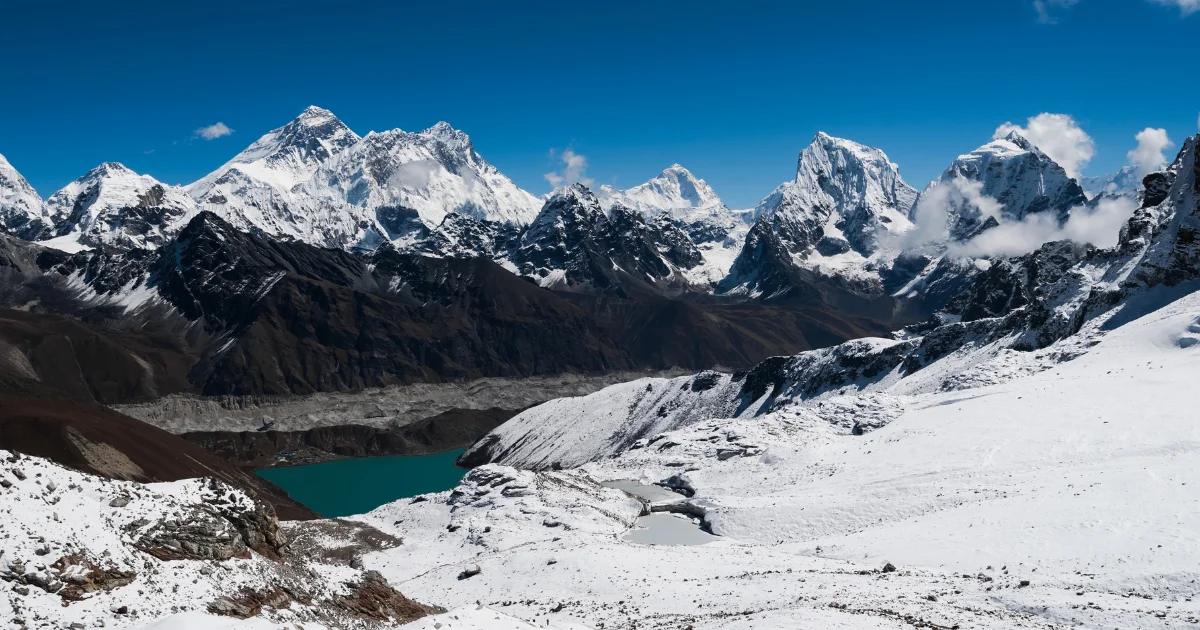
Rest day at Gokyo with the option to climb Gokyo Ri for what many trekkers consider the single best mountain panorama on the Everest Three Passes Trek route.

Day 13: Gokyo to Marlung via Renjo La Pass (5,360m) | 7-8 hrs

The final and, for many, the most scenic of the three passes, with uninterrupted views of Everest, Makalu, and Cho Oyu before descending to the quiet village of Marlung.

Day 14: Marlung to Namche Bazaar | 6-7 hrs

Descend along the Bhote Koshi River through Thame village before rejoining the main Everest trail back to Namche Bazaar.

Day 15: Namche Bazaar to Lukla | 6-7 hrs

Retrace the trail back down to Lukla, with time in the evening to celebrate completing all three Everest high passes.

Day 16: Fly from Lukla to Kathmandu

Morning flight back to Kathmandu. Free afternoon and evening to rest or explore the city.

Day 17: Contingency Day in Kathmandu

A buffer day built into the itinerary in case of Lukla flight delays, common during peak trekking season.

Day 18: Final Departure

Transfer to Tribhuvan International Airport for your international flight home, or extend your trip with an add-on tour.

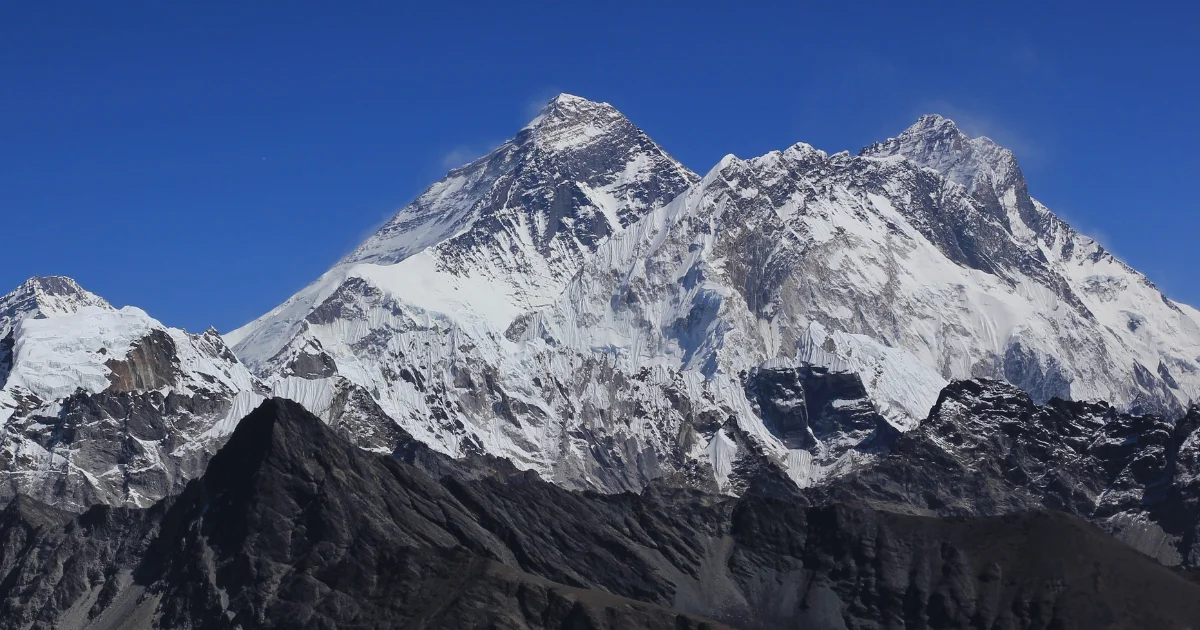
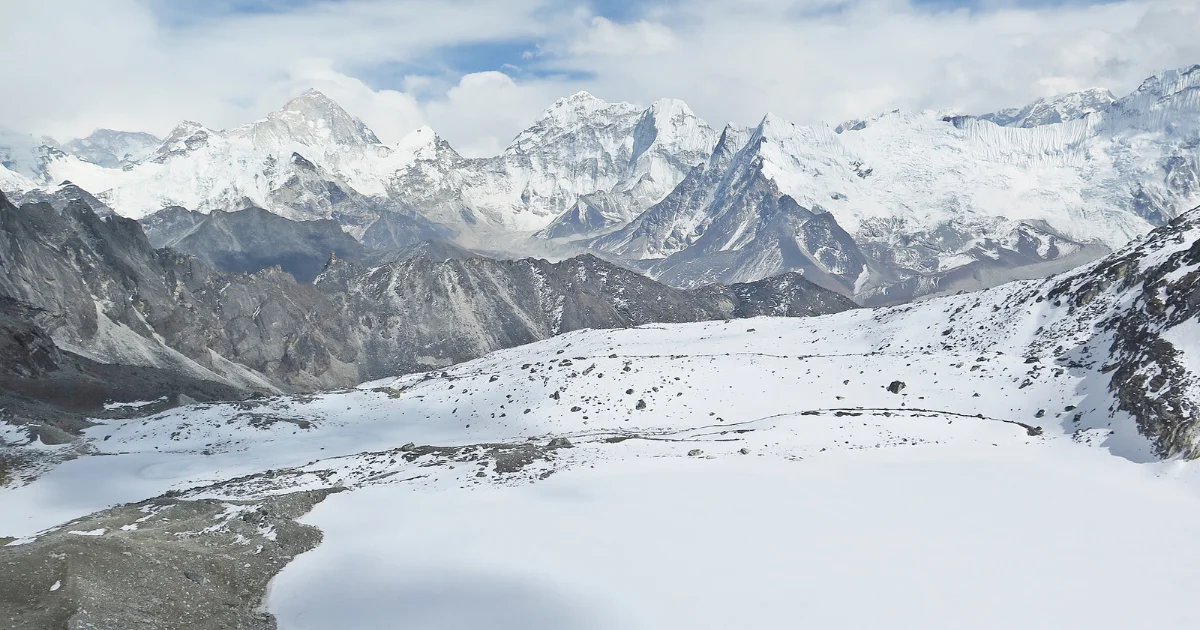
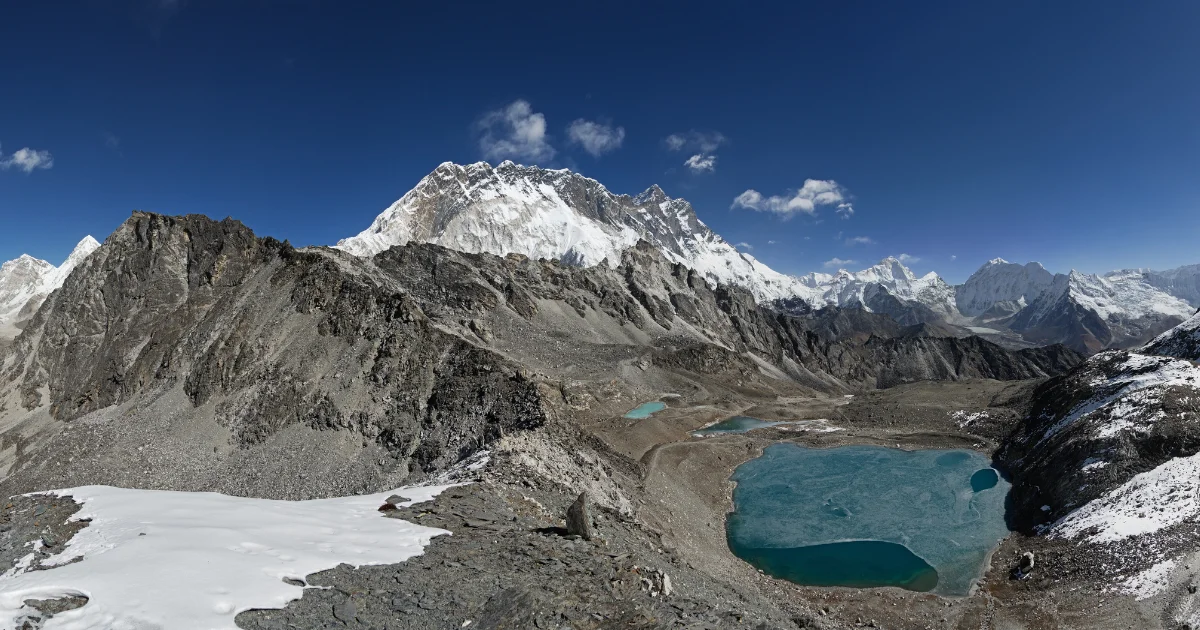
Everest Three Pass Trek Photos

Everest Three Pass Trek Highlights

  • Cross all three Everest high passes: Kongma La (5,535m), Cho La (5,420m), and Renjo La (5,360m)
  • Reach Everest Base Camp (5,364m) and stand at the foot of the world's highest mountain
  • Watch sunrise over Everest, Nuptse, and Lhotse from Kala Patthar (5,545m)
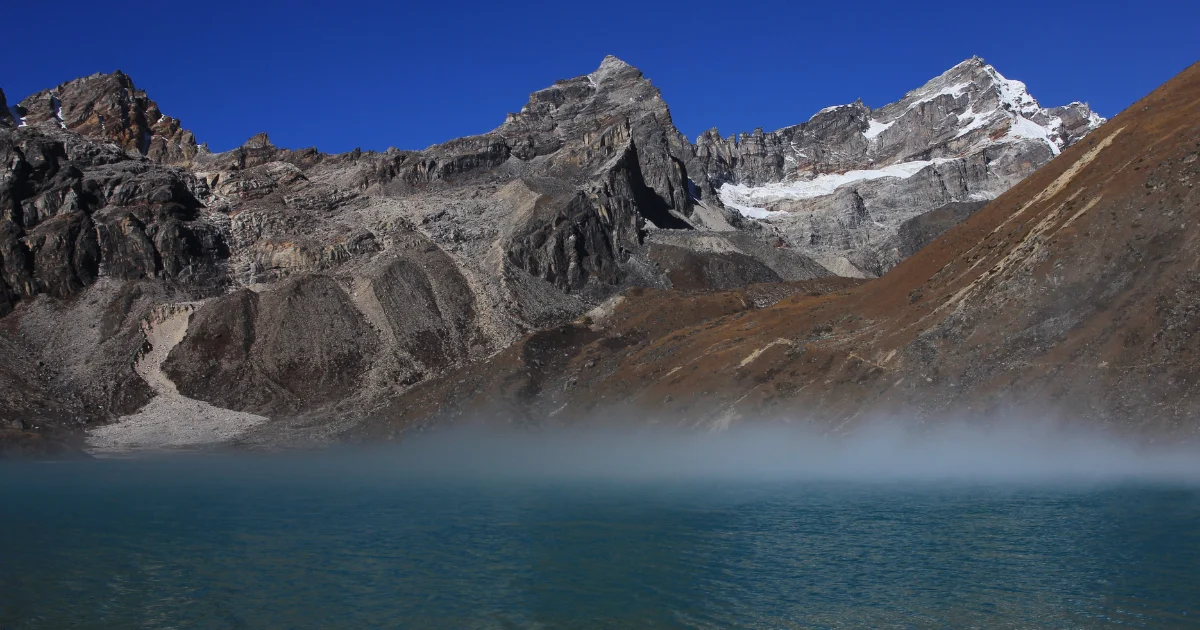
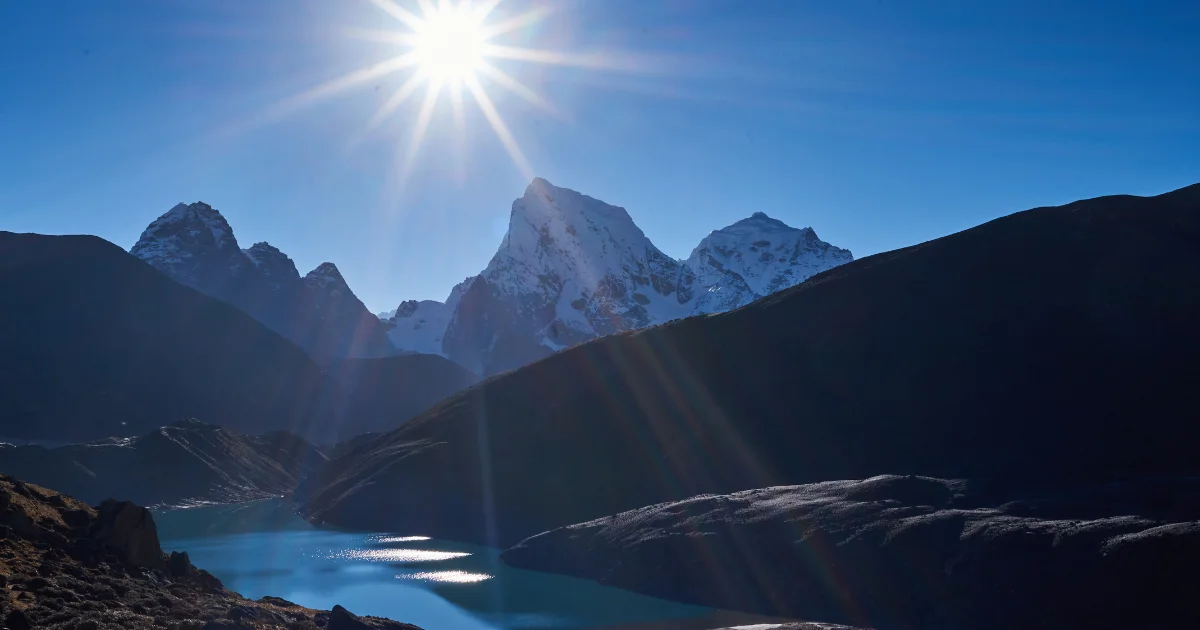
  • Explore the pristine Gokyo Lakes and climb Gokyo Ri for one of the best panoramic views in the Himalayas
  • Walk through Sagarmatha National Park, a UNESCO World Heritage Site
  • Visit Tengboche Monastery, the spiritual heart of the Khumbu, with Ama Dablam as a backdrop
  • Experience authentic Sherpa culture in villages like Namche Bazaar, Dingboche, and Machhermo
  • Trek varied terrain: glacier crossings, moraine trails, alpine valleys, and high mountain passes
  • Fewer crowds than the classic EBC trail, especially on the pass crossings themselves
  • Guided by experienced local trekking guides with extensive high-altitude and rescue training

Everest Three Pass Trek Cost 2026

The Everest Three Passes Trek cost for 2026 is  , covering the full 18-day route across Kongma La, Cho La, and Renjo La, plus Everest Base Camp, Kala Patthar, and the Gokyo Lakes. These three tiers suit different travel styles, from independent budget trekkers to those wanting full comfort with private transfers, upgraded lodges, and dedicated porter support.

Several factors shape the overall cost of the Everest Three Passes Trek, including group size, trekking duration, Lukla flight routing, crampon and gear rental needs for the pass crossings, porter use, trekking season, and the specific package tier chosen.

Best Time of Year for Everest Three Pass Trek

Choosing the right season matters more on this route than on the standard EBC trek, since three passes above 5,300 meters are directly exposed to snow, ice, and wind. Here’s what to expect through the year.

Autumn (October-November) — Best Overall
  • Stable, dry weather with clear blue skies, ideal for all three pass crossings
  • Daytime temps 5°C to 15°C above 4,000m; nights drop to -10°C to -20°C at the passes, colder by late November
  • Best mountain visibility of the year, critical for Cho La’s glacier crossing
  • Coincides with Dashain and Tihar, Nepal’s two biggest festivals
  • Busiest season on the main EBC trail, though the passes themselves stay quieter
Spring (March-May) — Second Best
  • Mild temperatures at lower elevations, 5°C to 15°C above 4,000m by day, -5°C to -15°C at night on the passes
  • Clear mornings, with afternoon cloud building up, so early starts matter for pass days
  • Longer daylight hours support the long Cho La and Kongma La crossing days
  • Rhododendron blooms through the lower Khumbu around Namche and Phakding
  • Second-busiest season, with Everest expedition teams adding energy to the Base Camp leg
Monsoon (June-September) — Not Recommended
  • Frequent Lukla flight delays from poor visibility
  • Cloud cover blocks views for most of the day, undermining the whole point of a pass-crossing trek
  • Wet, unstable snow on the passes raises avalanche and crevasse risk significantly
  • Leeches and slippery trails at lower elevations
  • Generally unsafe for high pass crossings; not recommended for the Three Passes route specifically
Winter (December-February) — Extreme Caution
  • Coldest months, with temperatures potentially dropping below -25°C at the passes
  • Heavy snow can close Kongma La, Cho La, or Renjo La entirely for days at a time
  • Some teahouses above Dingboche and Gokyo close for the season, cutting lodging options
  • Only suitable for well-prepared, experienced trekkers with proper winter mountaineering gear
  • Fewest crowds of the year, if conditions allow passage at all

Packing List for Everest Base Camp Trek

Preparing for the Everest Three Passes Trek takes more planning than a standard EBC trip, since you’ll cross genuine glacier terrain and spend more nights at extreme altitude. Use this as a base checklist and adjust for your season.

General Gear
  • Four-season (zero-degree) sleeping bag (available for rent)
  • Sleeping bag liner
  • Puffy down jacket (available for rent)
  • Daypack (35-45L) with rain cover
Upper Body
  • Sun hat or cap (complimentary Nepal Adventure Trail cap provided)
  • Warm beanie or knitted hat
  • Neck gaiter / Buff / scarf
  • Headlamp with spare batteries
  • UV-protective sunglasses (glacier-rated, ideally category 4)
Torso
  • Moisture-wicking base layers (season-dependent)
  • 2 short-sleeve and 2 long-sleeve trekking shirts
  • Insulated fleece jacket or pullover
  • Waterproof, windproof shell jacket
Lower Body
  • Thermal base layers
  • 2 pairs of hiking/trekking pants
  • 1 pair of comfortable pants for lodge evenings
  • Waterproof over-pants or shell
  • Gaiters (essential for the Cho La glacier crossing, not optional as on the standard EBC route)
Hands
  • Liner gloves (wool or technical fabric)
  • Outer gloves (waterproof, insulated, rated for -20°C at the passes)
Feet
  • Warm trekking socks (wool or synthetic)
  • Liner socks (optional)
  • Waterproof trekking boots, well broken in, with a stiffer sole for crampon compatibility
  • Microspikes or crampons (essential for Cho La, strongly recommended year-round on this route)
  • Casual shoes for evenings in lodges
Undergarments & Sleepwear
  • Quick-drying underwear
  • Sports bras (for women)
  • Pajamas or thermal sleepwear
First Aid & Medications
  • Sunscreen (SPF 30+)
  • Lip balm (SPF-rated)
  • Healing ointment or balm
  • Cough syrup (helpful for “Khumbu cough”)
  • Diamox or other altitude medication, after consulting a doctor
Toiletries & Essentials
  • Reusable water bottle (1L or more)
  • Water purification tablets or a UV sterilizer
  • Toiletry kit (toothbrush, paste, soap)
  • Quick-dry towel
  • 2 rolls of toilet paper
  • Small dry bags/waterproof pouches for passport and electronics
  • High-protein snacks (energy bars, trail mix, nuts)
  • Earplugs (for shared teahouses)
  • Trekking poles (essential, not optional, given the terrain on all three passes)
Travel Documents
  • Passport
  • Extra passport-sized photos
  • Airline tickets (leave a copy at our Kathmandu office)
Optional Items
  • Power bank or extra batteries
  • Camera and mobile phone
  • Playing cards or a book
  • Whistle
  • Thermos for hot water

Most of this gear can be rented in Thamel, Kathmandu, before departure, and our guides can help you check your kit against the trek’s specific demands during the pre-trip briefing.

FAQs for Everest Three Pass Trek

How difficult is the Everest Three Passes Trek?

This is a strenuous, high-altitude trek suited to trekkers with prior hiking experience and strong fitness. Daily walks of 5 to 8 hours are common, with several days crossing passes above 5,300 meters. Good cardiovascular conditioning before you arrive makes a real difference.

What is the best time of year to do this trek?

Late February through May and September through early December offer the clearest skies and most stable weather for pass crossings. Winter and monsoon months bring snow, ice, and cloud cover that can make the passes risky or impassable.

How do I acclimatize safely on this route?

The itinerary is built with rest days at Namche Bazaar and Dingboche, plus a gradual altitude gain that follows standard climb-high, sleep-low practices. Our guides monitor each trekker daily and carry the training to recognize and respond to altitude sickness early.

Do I need previous trekking experience?

Previous multi-day trekking experience is strongly recommended, ideally at altitude. This trek is more demanding than a standard Everest Base Camp trek because of the added pass crossings and their exposure to snow and ice.

What permits are required?

You’ll need the Sagarmatha National Park entry permit and the Khumbu Pasang Lhamu Rural Municipality entry permit. We handle all permit arrangements as part of your trip.

Is travel insurance necessary?

Yes, and it’s mandatory for this trek. Your policy must cover high-altitude trekking up to at least 6,000 meters and include helicopter evacuation, given the remoteness of the pass crossings.

How much does the Everest Three Passes Trek cost?

Costs vary depending on group size, season, and the level of accommodation and service you choose. Message us on WhatsApp at +977 9851410929 and we’ll put together a quote based on your dates and preferences.

What should I pack for this trek?

Beyond standard trekking gear, you’ll need proper insulated layers, gaiters, trekking poles, and sturdy boots suited to snow and glacier terrain, since the passes see icy and uneven ground even in peak season. We send a detailed packing list once you book.

Get Latest Updates By Subscribing To Our Newsletter