Badimalika Trek – Itinerary, Cost & Map

Send Us An Enquiry
Full Name*
Email Address*
Phone Number*
Your Country*
Your Enquiry*
Accommodation*
* I agree with Terms of Service and Privacy Statement.
Please agree to all the terms and conditions before proceeding to the next step
Save To Wish List

Adding item to wishlist requires an account

8509

  • DestinationNepal
  • Accommodation4 Star Hotel in Kahtmandu / Tea House / Lodge during the trek
  • RegionBajura District, Sudurpashchim Province (Far-Western Nepal)
  • Best SeasonFeb, March, April, May, June, Sep, Oct, Nov & Dec.
  • Days9
  • Group2-15 Persons
  • DifficultyModerate to Challenging
  • PickupSurkhet Airport or Nepalgunj Airport
  • Activity Per DayApprox. 4–9 hrs (jeep drive and/or walking, varies by day)
  • Max. Altitude4,200 m (Badimalika Temple)
  • Meals IncludedBreakfast in Surkhet hotel / All meals (breakfast, lunch, dinner) from Kolti onward
  • TransportationKathmandu–Surkhet flight, private jeep Surkhet–Kolti–Pandusain, on foot beyond Pandusain

About Badimalika Trek

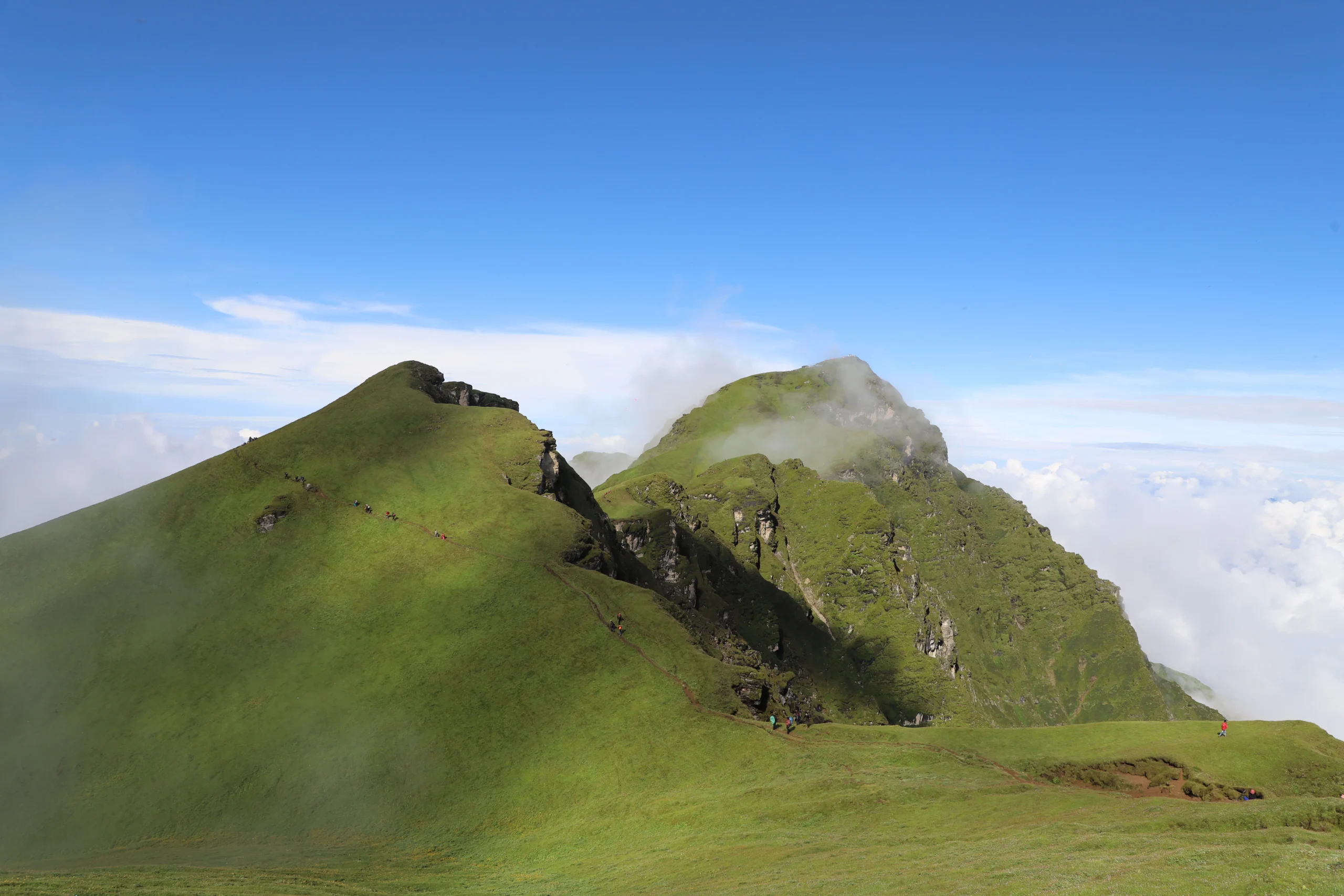
The Badimalika Trek is a 9-day pilgrimage-and-trekking journey to one of Nepal’s most revered yet least-visited Shakti temples, set on a high ridge at 4,200m in the remote Bajura district of Sudurpashchim Province, Far-Western Nepal. Unlike the busier trails of the Everest or Annapurna regions, Badimalika sees only a trickle of foreign trekkers each year, offering an unfiltered mix of raw Himalayan scenery, Karnali highland culture, and genuine spiritual pilgrimage.

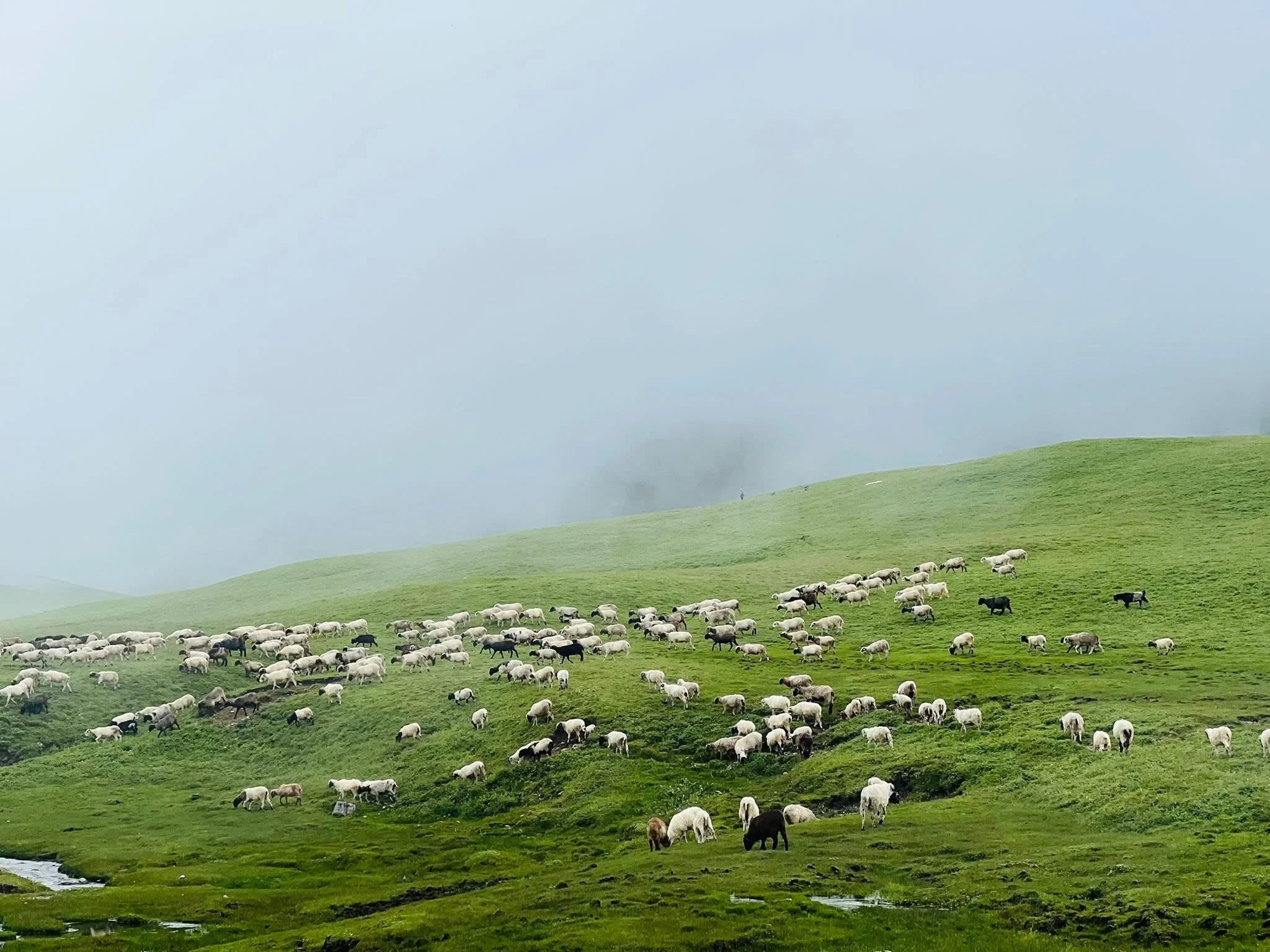
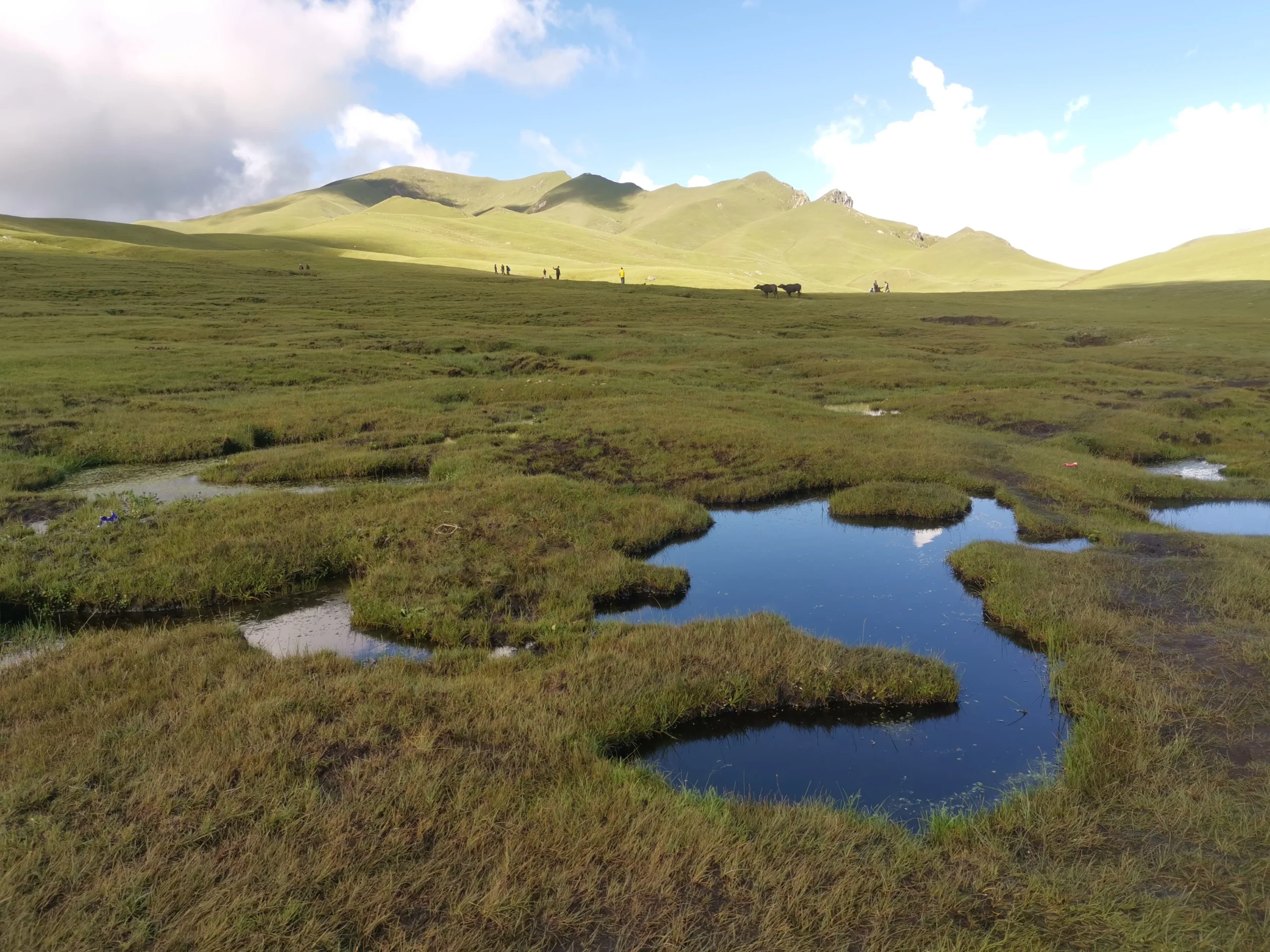
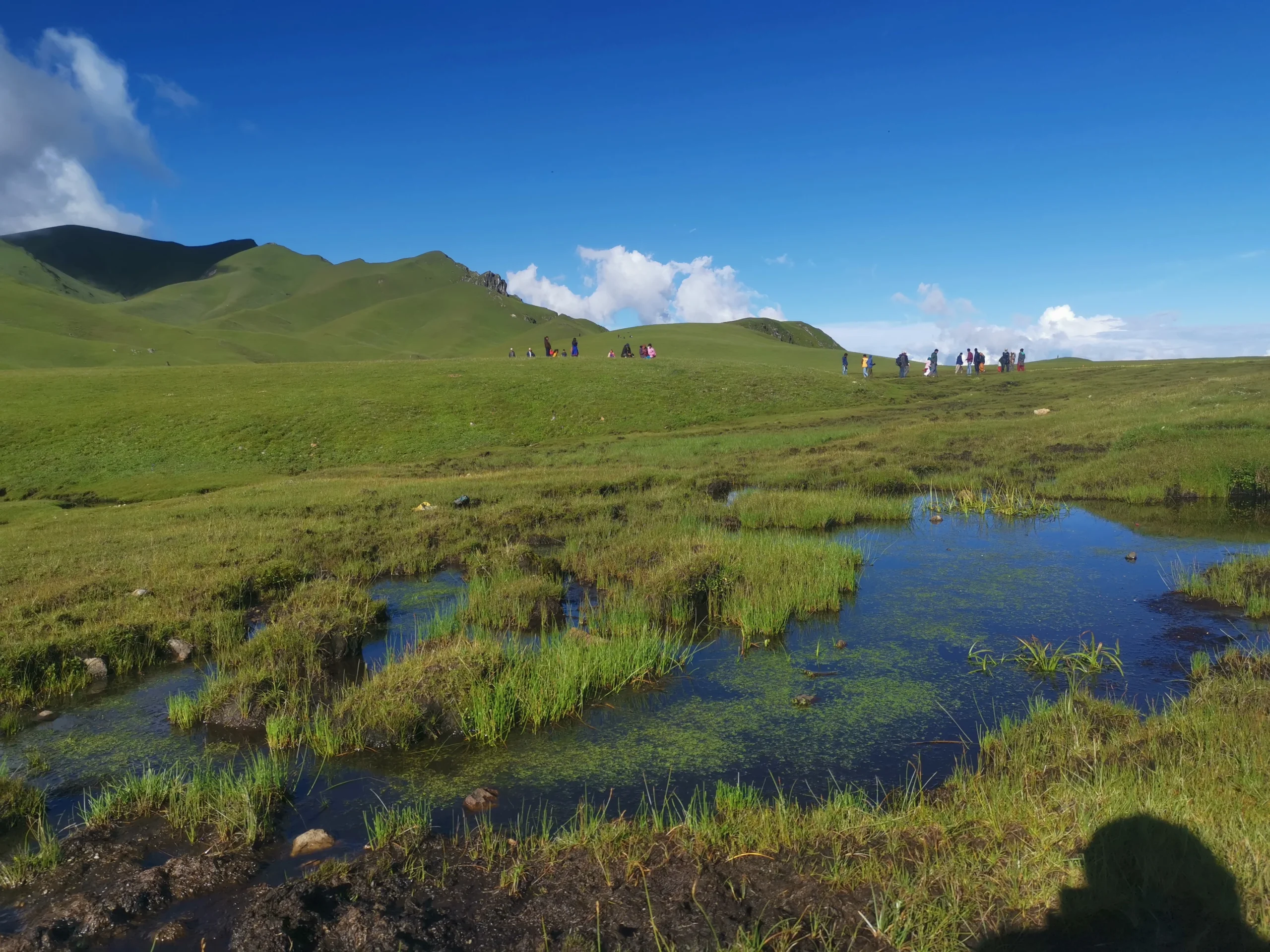
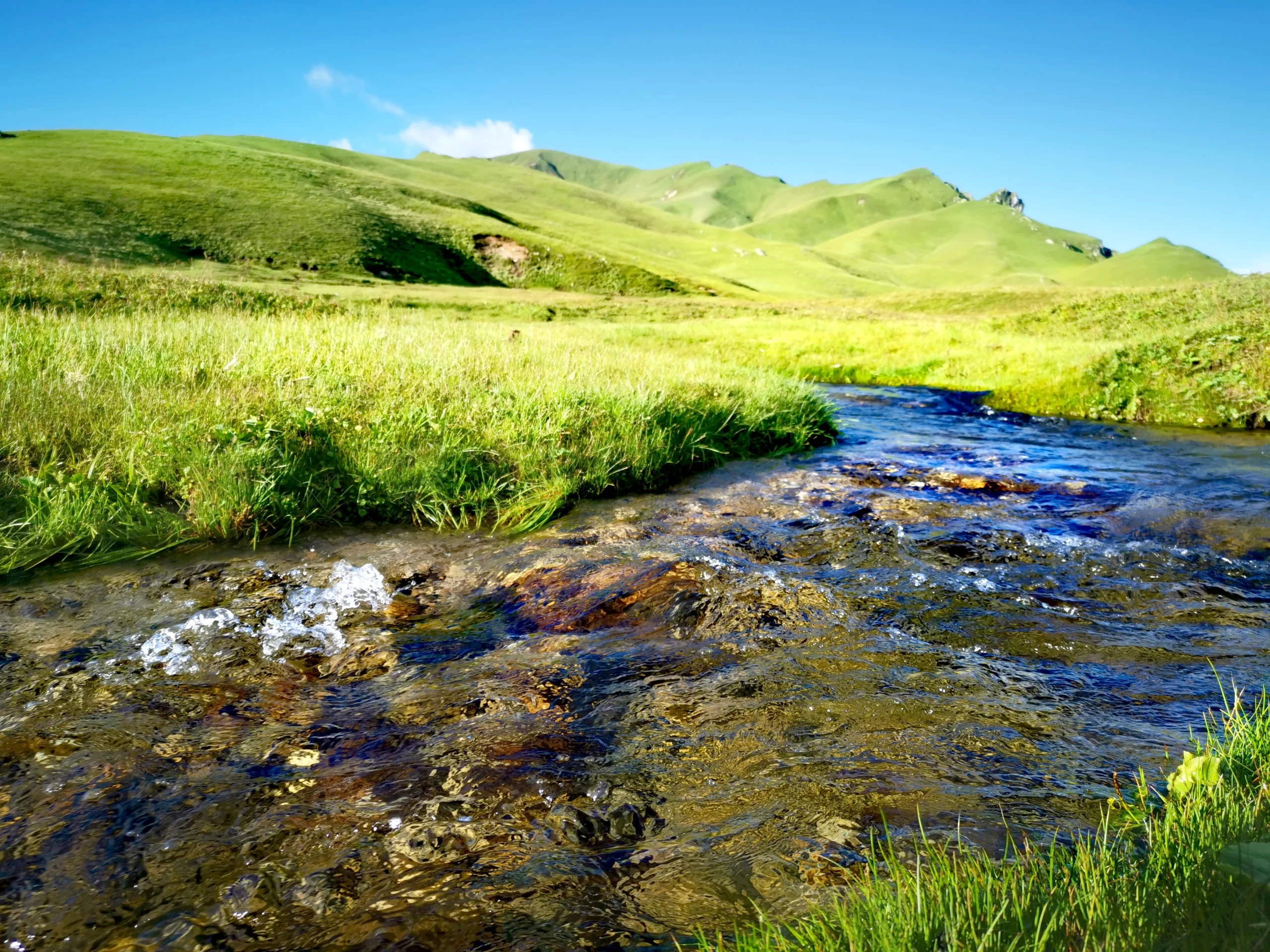
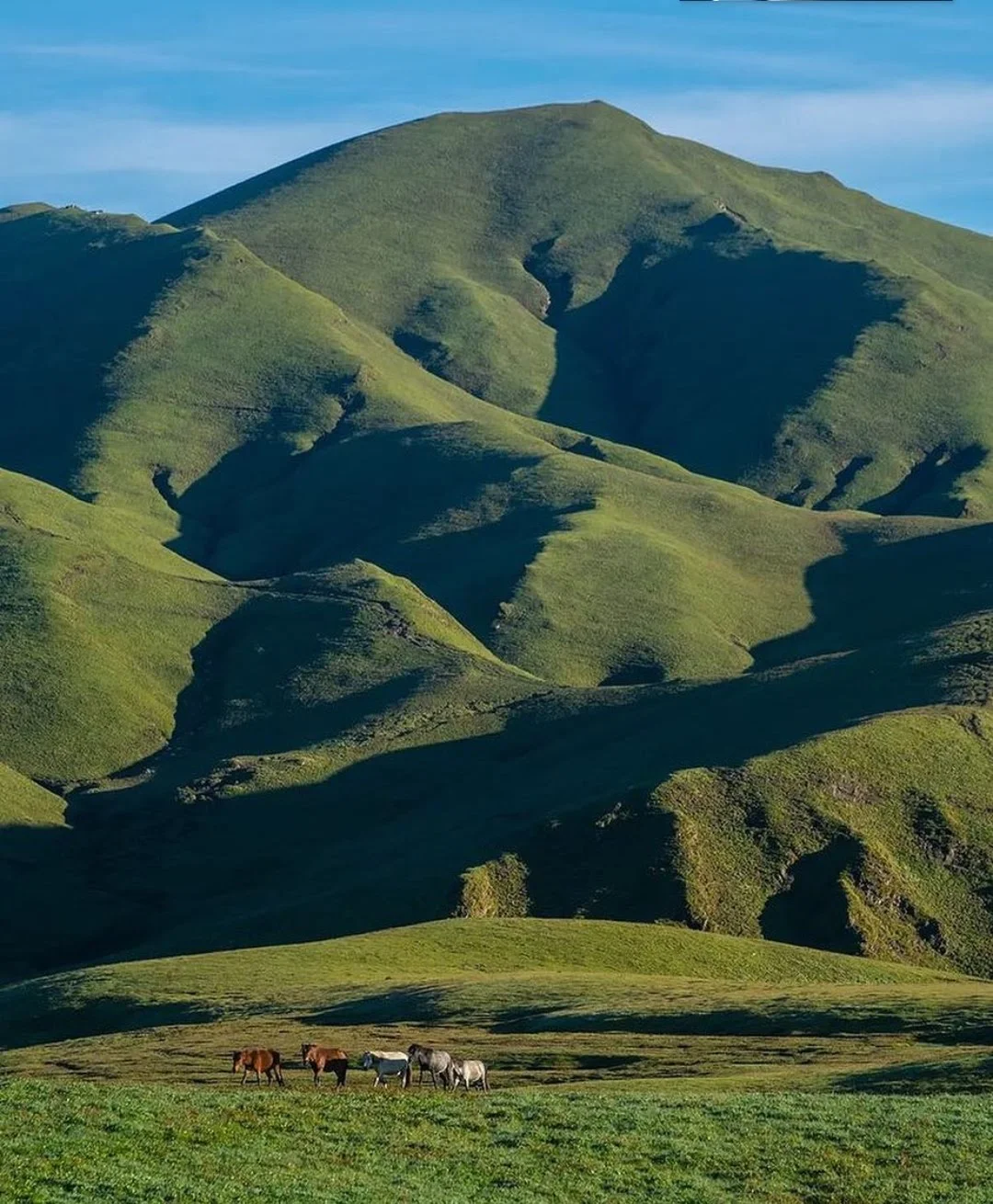
The journey begins with a flight from Kathmandu to Surkhet, followed by a long, scenic jeep drive into Kolti, Bajura’s apple-growing heartland. From here the route continues by jeep to Pandusain before the trail takes over, climbing through the Apple Farm area and into Diuda Patan, a wide highland pasture used for seasonal grazing. The trek continues to Tirbeni (Triveni), the gateway settlement to the temple, before the final push to Badimalika itself.

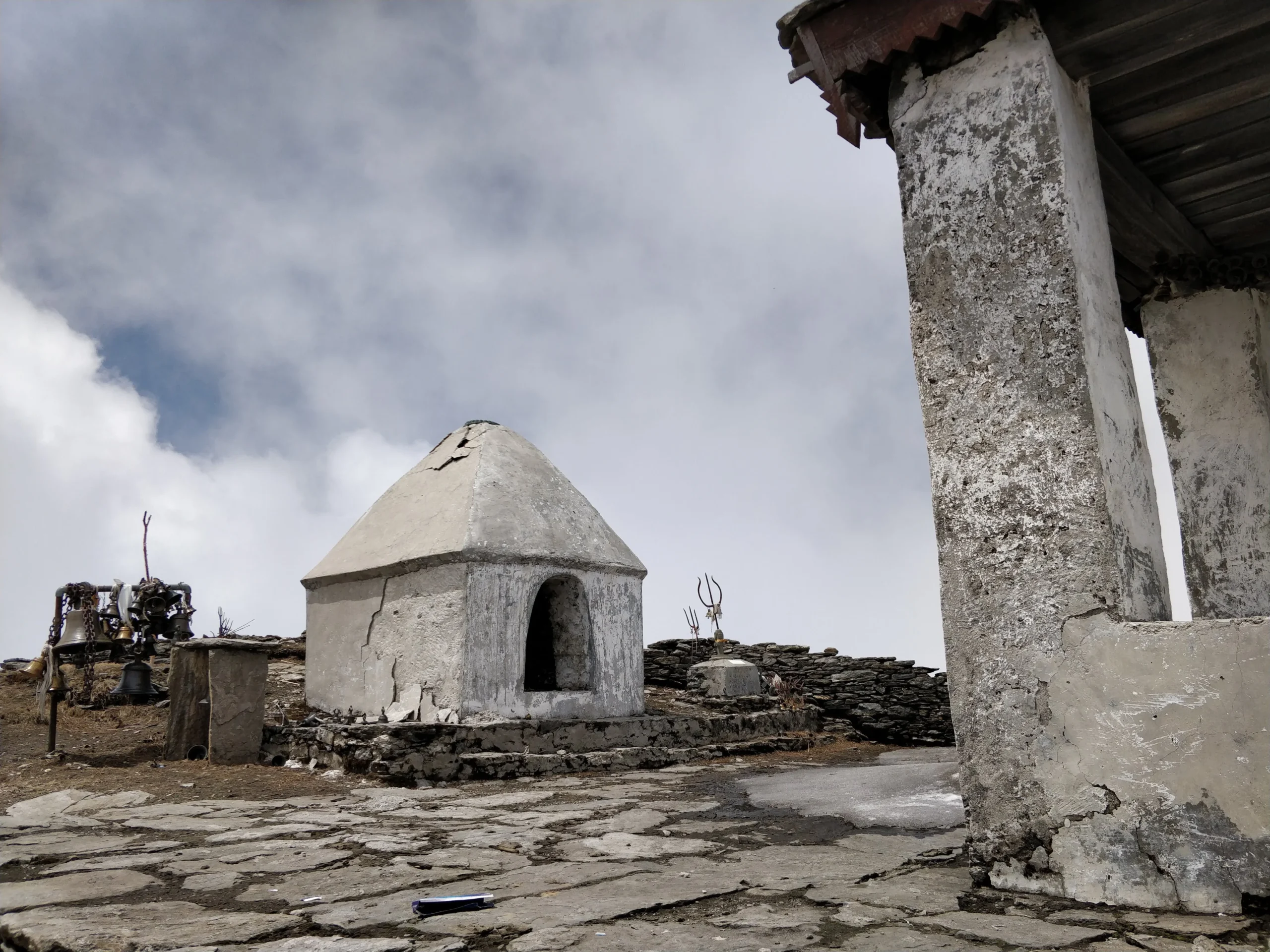
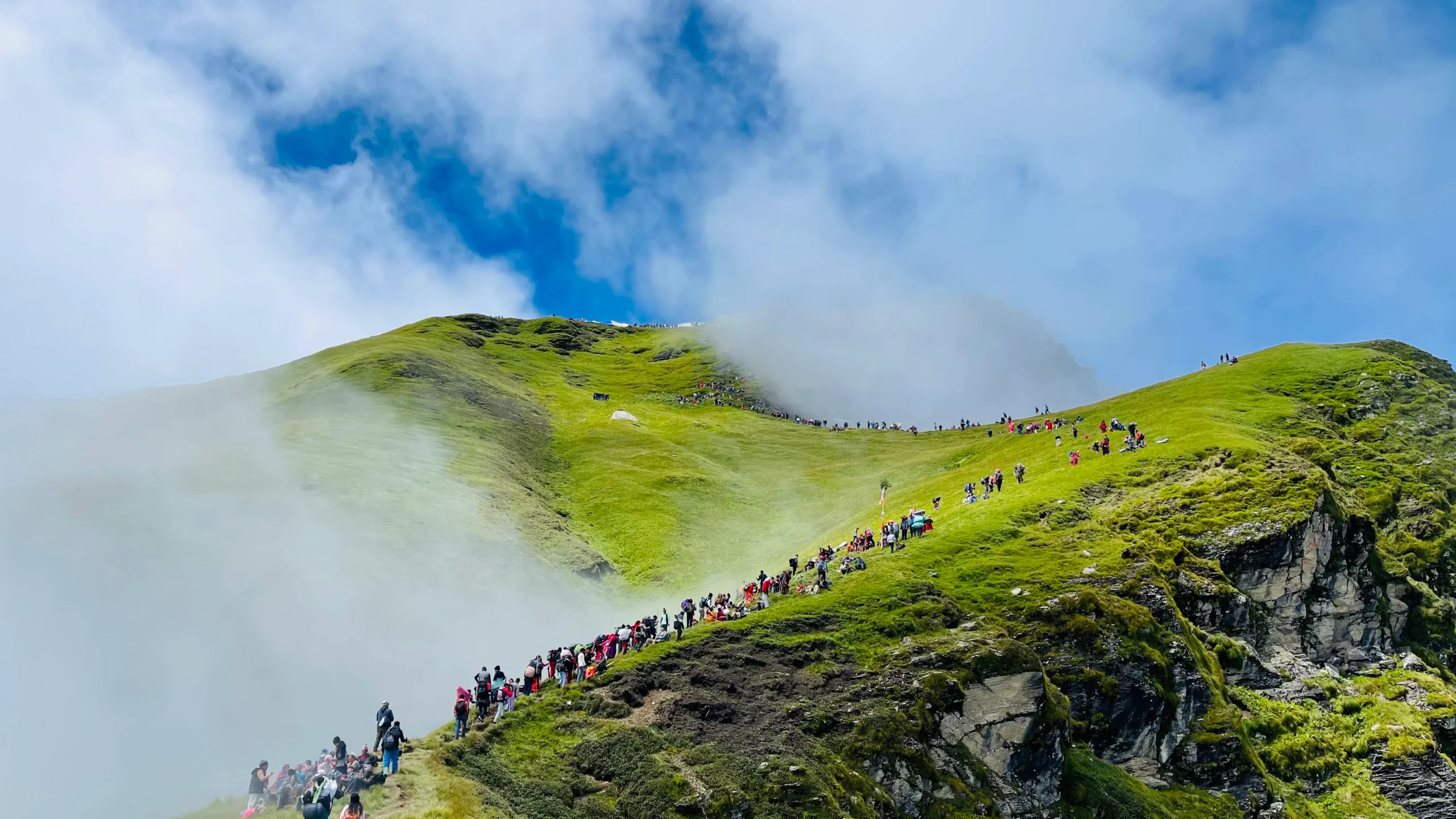
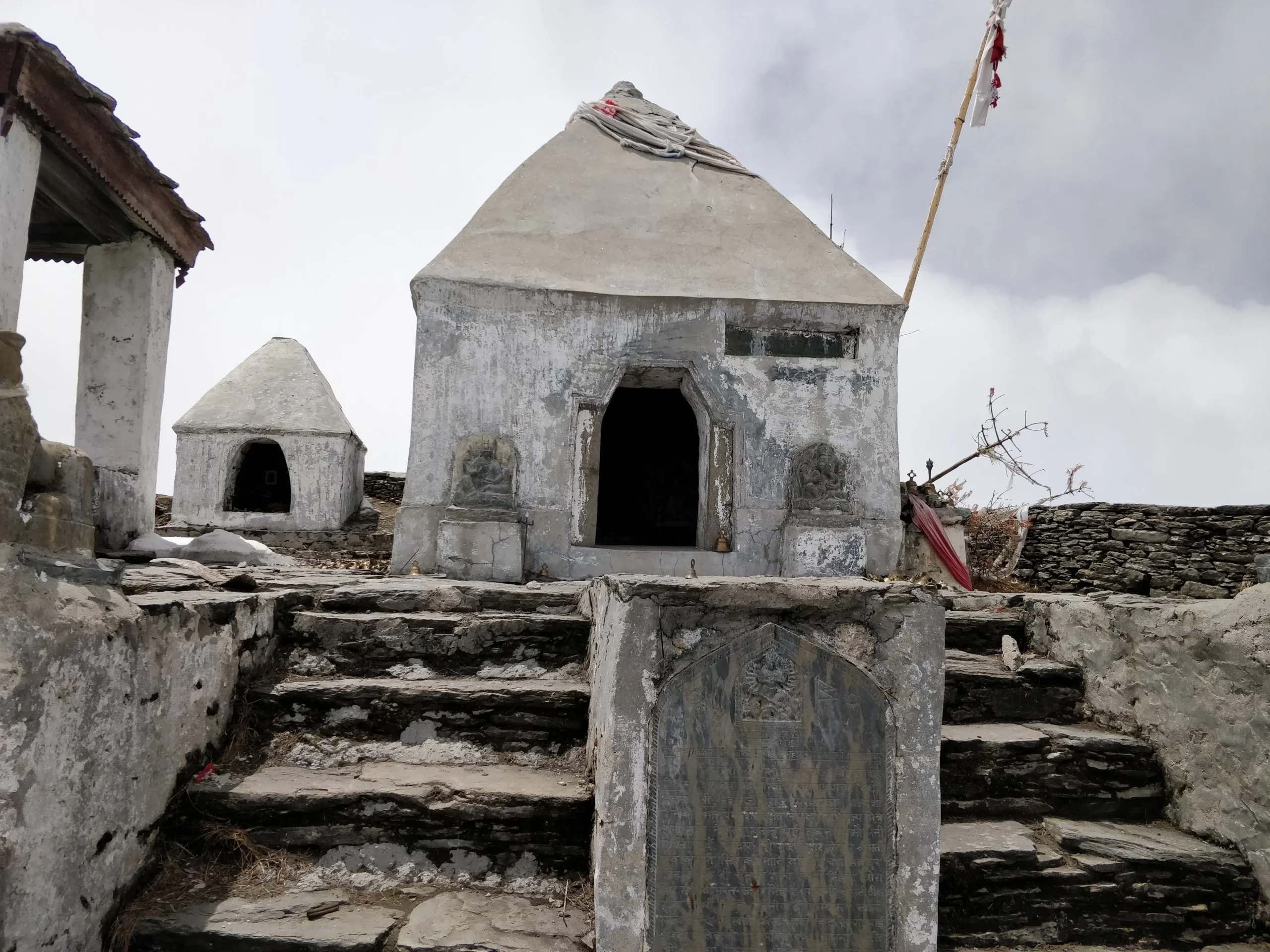
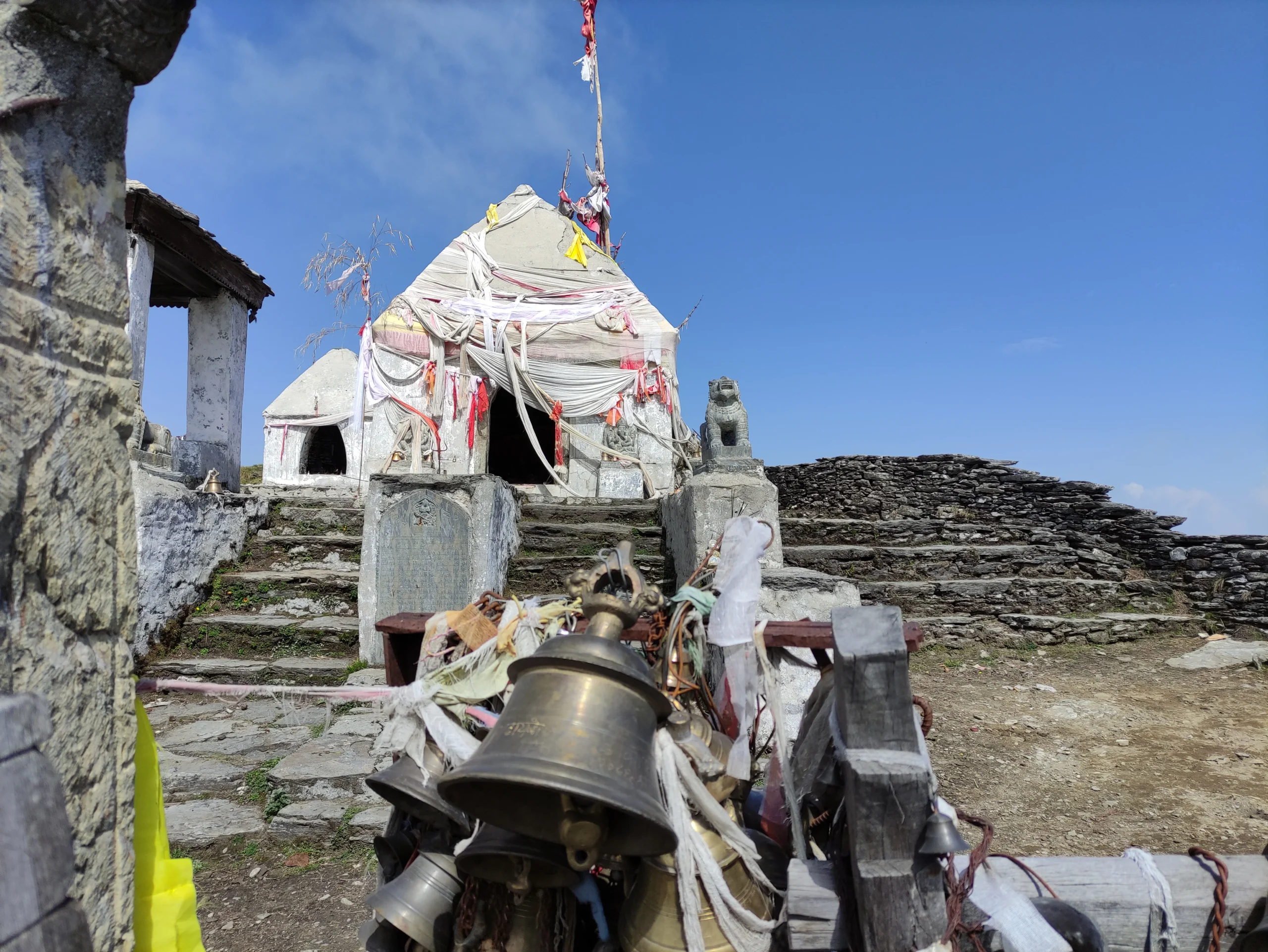
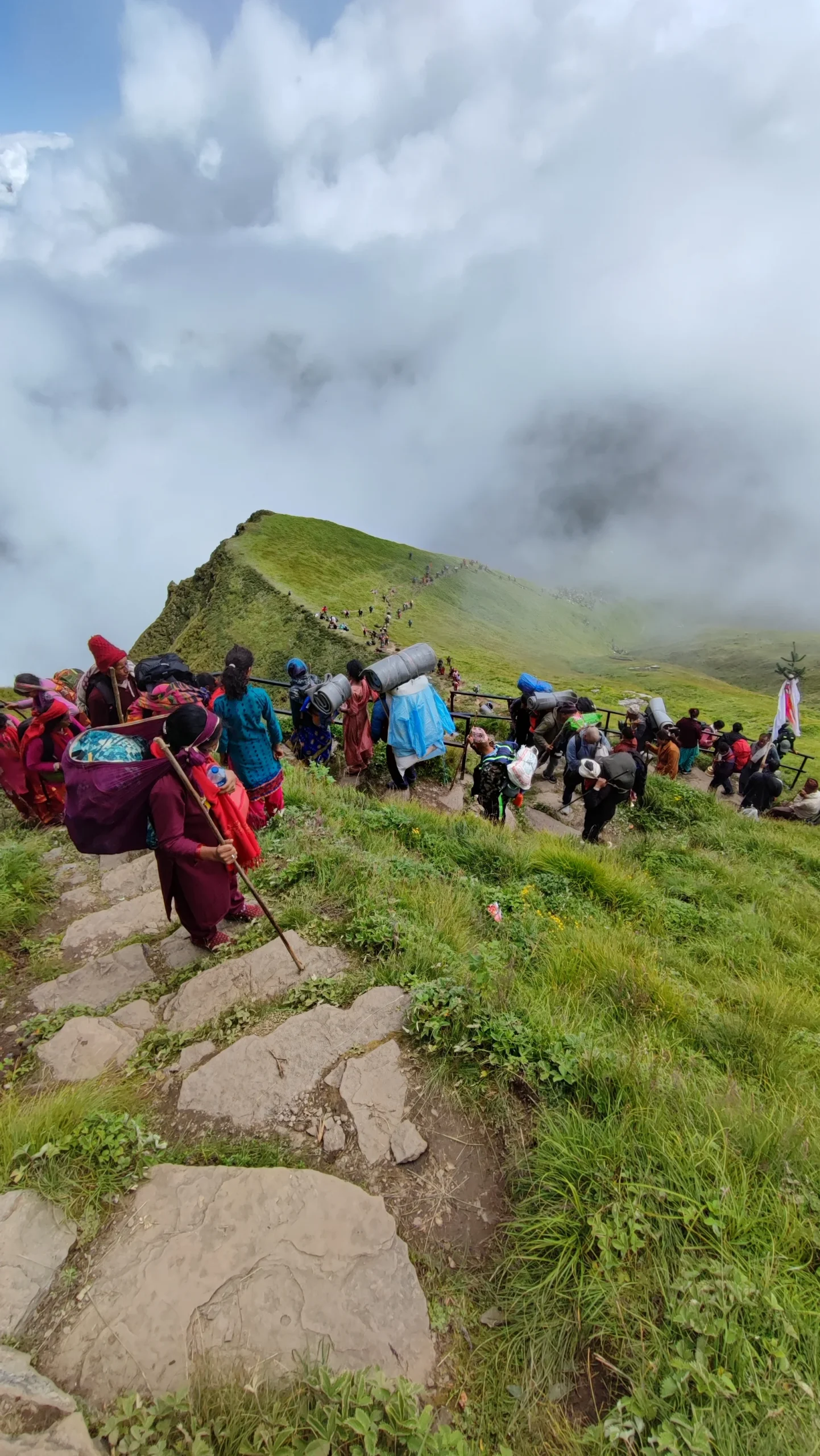
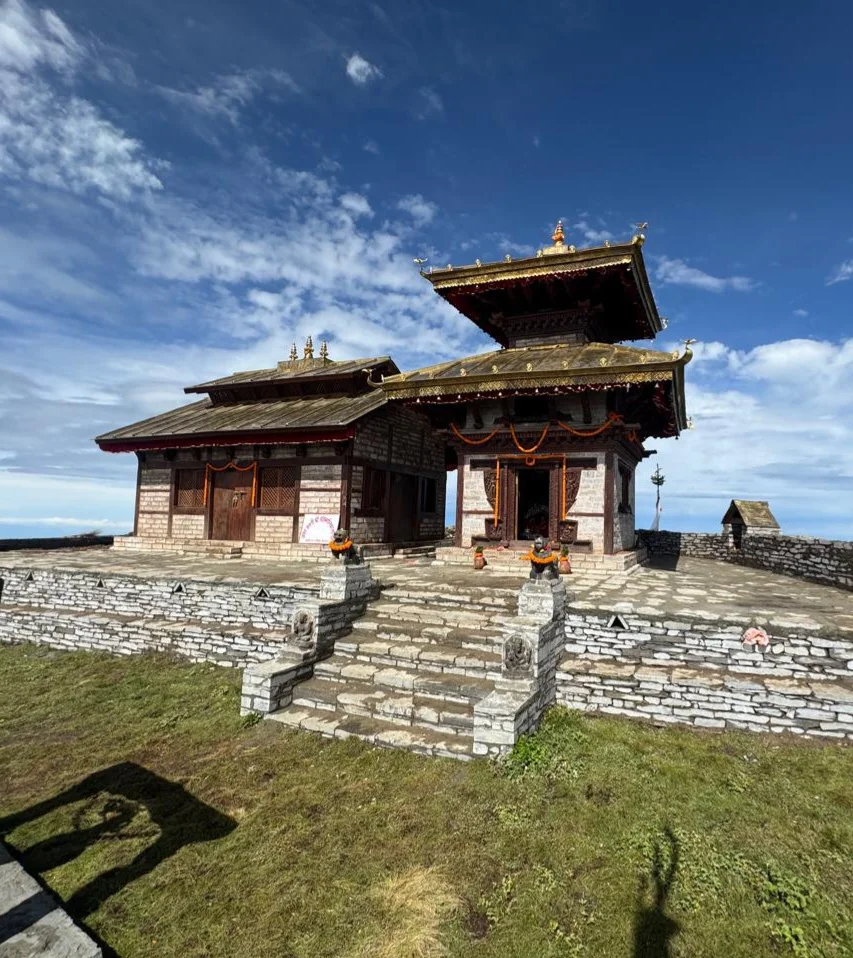
Badimalika Temple, dedicated to the goddess Bhagwati and known locally as Malika Devi, is one of Nepal’s principal Shakti Peeth sites. According to Hindu legend it marks a spot connected to the story of Sati Devi, wife of Shiva, and it draws thousands of pilgrims each year, particularly around Janai Purnima in August, when devotees from across far-western Nepal and northern India converge on the temple. Reaching the shrine on foot, through alpine meadows and past prayer flags, gives trekkers a very different kind of high-altitude experience than a purely scenic Himalayan pass.

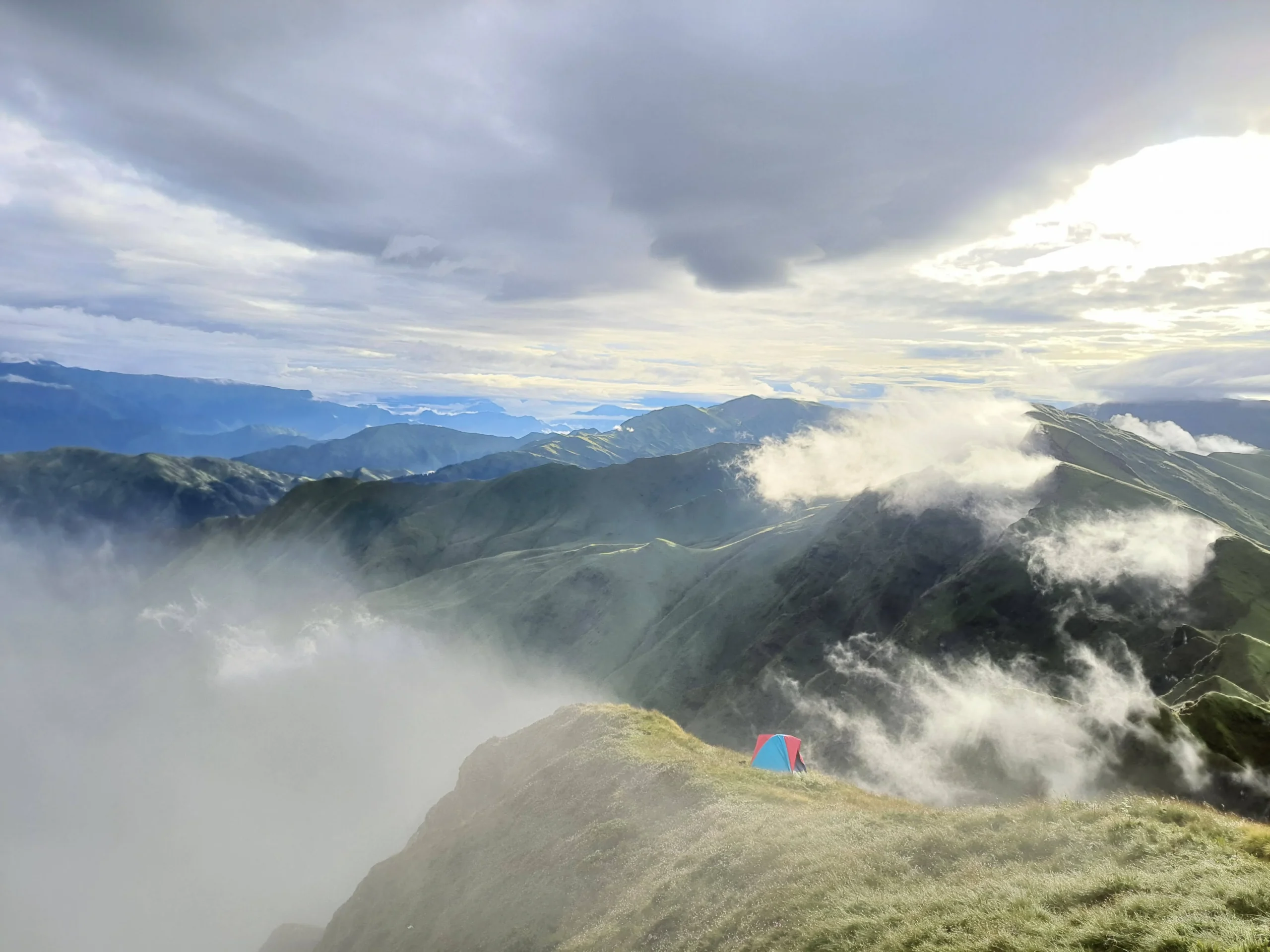
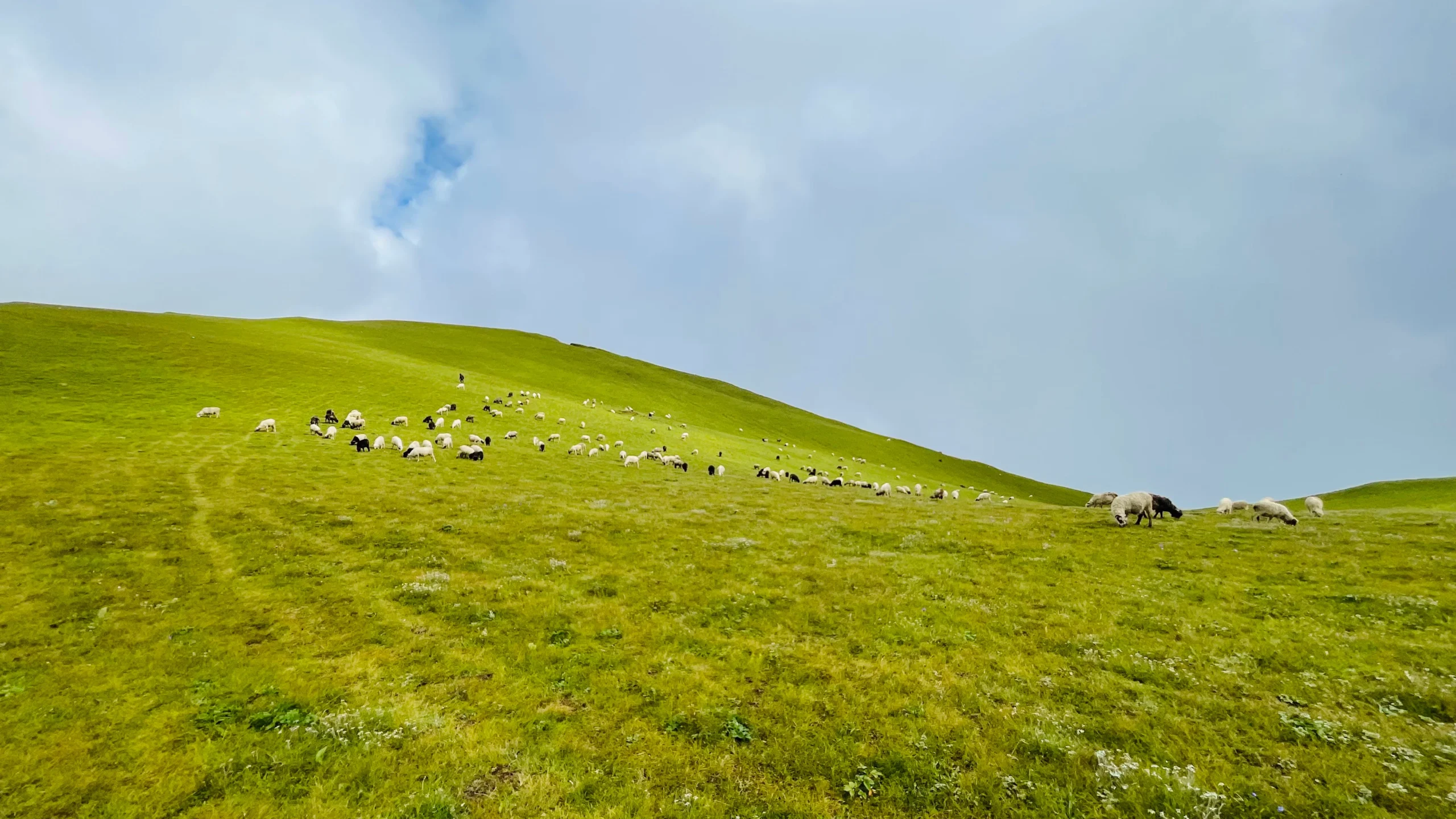
Above Diuda Patan, the trail leaves permanent settlements behind. There are no teahouses on the upper stretch, so trekkers camp in tents at Diuda Patan and Tirbeni, cared for by the crew, while enjoying sweeping views toward the Api and Saipal Himal ranges. On the return leg, the itinerary builds in time at the Apple Farm and Kolti’s Olive Eco Village for a slower, cultural close to the trip, including a Deuda dance and folk music evening with the local Bhote Selo community.

Because Bajura lies far outside Nepal’s standard trekking circuits, infrastructure is minimal and distances are long by jeep. That remoteness is also the trek’s biggest draw: unspoiled Karnali hill culture, wide alpine grasslands with almost no other foreign trekkers, and a genuine pilgrimage atmosphere rarely found on Nepal’s more commercial routes.
Itinerary Highlights for 9 Day Badimalika Trek

Day 1: Fly from Kathmandu to Surkhet

Day 2: Drive from Surkhet to Kolti (8–9 hours)

Day 3:Jeep to Pandusain (1.5 hours), trek to Diuda Patan via the Apple Farm (4–5 hours)

Day 4:Trek from Diuda Patan to Tirbeni (4–5 hours)

Day 5: Trek to Badimalika Temple and back to Tirbeni (3–4 hours)

Day 6:Trek from Tirbeni to the Apple Farm (5–6 hours)

Day 7:Jeep from Apple Farm to Kolti (1.5 hours) — Deuda cultural evening

Day 8:Drive from Kolti to Surkhet or Nepalgunj (8–9 hours by jeep, or 40 minutes by air)

Day 9: Fly back to Kathmandu

Inclusions in the Trek

Accommodation & Meals
  • 1 night in Surkhet (hotel, breakfast included)
  • Homestay/local lodge night in Kolti (Olive Eco Village)
  • Tented camping at Diuda Patan and Tirbeni, fully set up by the crew
  • All meals (breakfast, lunch, dinner) from Kolti onward
  • Tea/coffee during all meals on trek
 Transportation
  • Kathmandu–Surkhet round-trip domestic flight
  • Private jeep: Surkhet–Kolti–Pandusain and return
  • Kolti–Surkhet/Nepalgunj return transfer
 Professional Guide & Porter Service
  • Experienced local trekking guide familiar with the Bajura/Karnali route
  • Camping crew and porter service for the tented sections
  • Guide and crew insurance, meals, and accommodation
  • Comprehensive first aid kit with guide
 Permits & Documentation
  • All local area entry fees and government permits applicable in Bajura
  • All applicable government taxes and service charges
Special Inclusions
  • Free Nepal Adventure Trail cap and t-shirt
  • Pre-trip briefing and trek preparation
  • Karnali highlands cultural programme (Deuda dance evening in Kolti)
  • 24/7 emergency support

Price Excludes

  • International airfare to/from Nepal
  • Nepal entry visa fees ($30-50).
  • Travel and medical insurance (mandatory)
  • Personal trekking and camping equipment
  • Extra night accommodation due to early arrival/late departure
  • Hot showers, Wi-Fi, and battery charging where available (small local fee)
  • Laundry services
  • Hot drinks and snacks outside planned meals
  • Alcoholic beverages and soft drinks
  • Helicopter rescue in emergency (insurance should cover)
  • Tips for guide, porters, and camping crew
  • Photography/video fees at the temple
  • Alternative transportation costs
  • Trip extension due to weather or personal reasons

Additional Costs During Trek

  • Hot showers in teahouses ($3-5 per use)
  • WiFi and battery charging ($3-5 per use)
  • Laundry services ($5-10 per kg)
  • Hot drinks and snacks outside planned meals
  • Alcoholic beverages and soft drinks
  • Helicopter rescue in emergency (insurance should cover)
  • Additional porters for personal items
  • Single room supplements ($20-30 per night)
  • Tips for guide and porters (customary $100-150 total)
  • Photography/video fees at monasteries
  • Extra accommodation/meals due to flight delays.
  • Alternative transportation costs.
  • Additional permits for route changes.
  • Emergency evacuation costs.
  • Trip extension due to weather/personal reasons.

Badimalika Trek Map

Itinerary for Badimalika Trek 9 Days

Day 1:Fly from Kathmandu to Surkhet

Morning flight from Kathmandu to Surkhet, gateway to Nepal’s mid-western hills. Transfer to hotel, rest and acclimatize to the change in pace ahead of the long overland journey. Overnight at hotel in Surkhet.

Day 2:Drive from Surkhet to Kolti (8–9 hours)

An early start for a long, scenic jeep drive north into Bajura district, climbing through the mid-hills of Karnali Province. The road winds along ridgelines and river valleys, with the landscape growing steadily more remote as you approach Kolti. Overnight at the Olive Eco Village Hotel, Kolti Bajura.

Day 3: Jeep to Pandusain, trek to Diuda Patan via the Apple Farm

After breakfast, a short 1.5-hour jeep ride takes you to Pandusain, where Bajura’s well-known apple orchards begin. Stop for lunch at the Apple Farm before setting off on foot, trekking 4–5 hours through forest and pasture to Diuda Patan, a wide grazing meadow where the trekking crew sets up camp for the night. Dinner and overnight in tented camp.

Day 4:Trek from Diuda Patan to Tirbeni (4–5 hours)

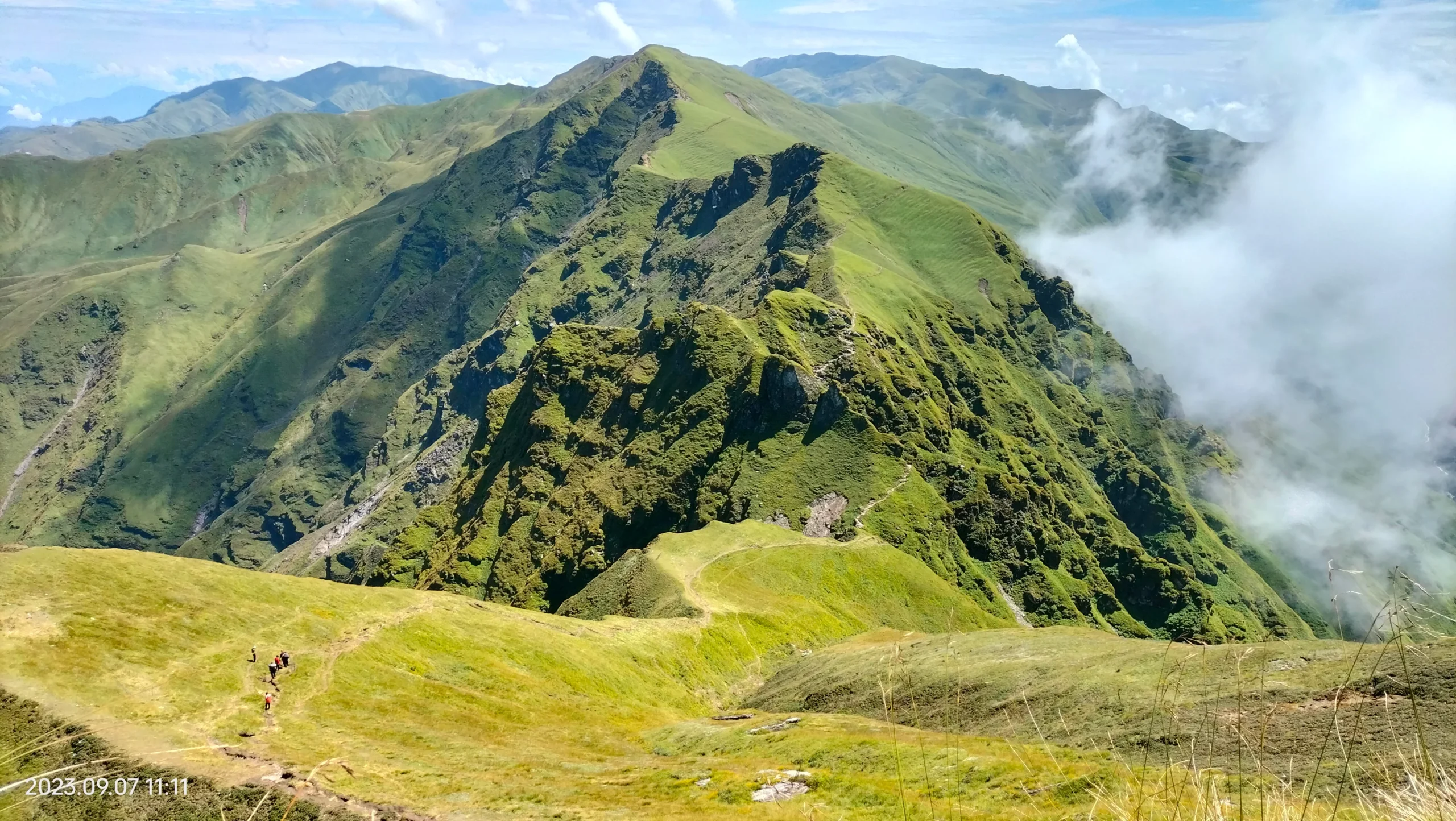
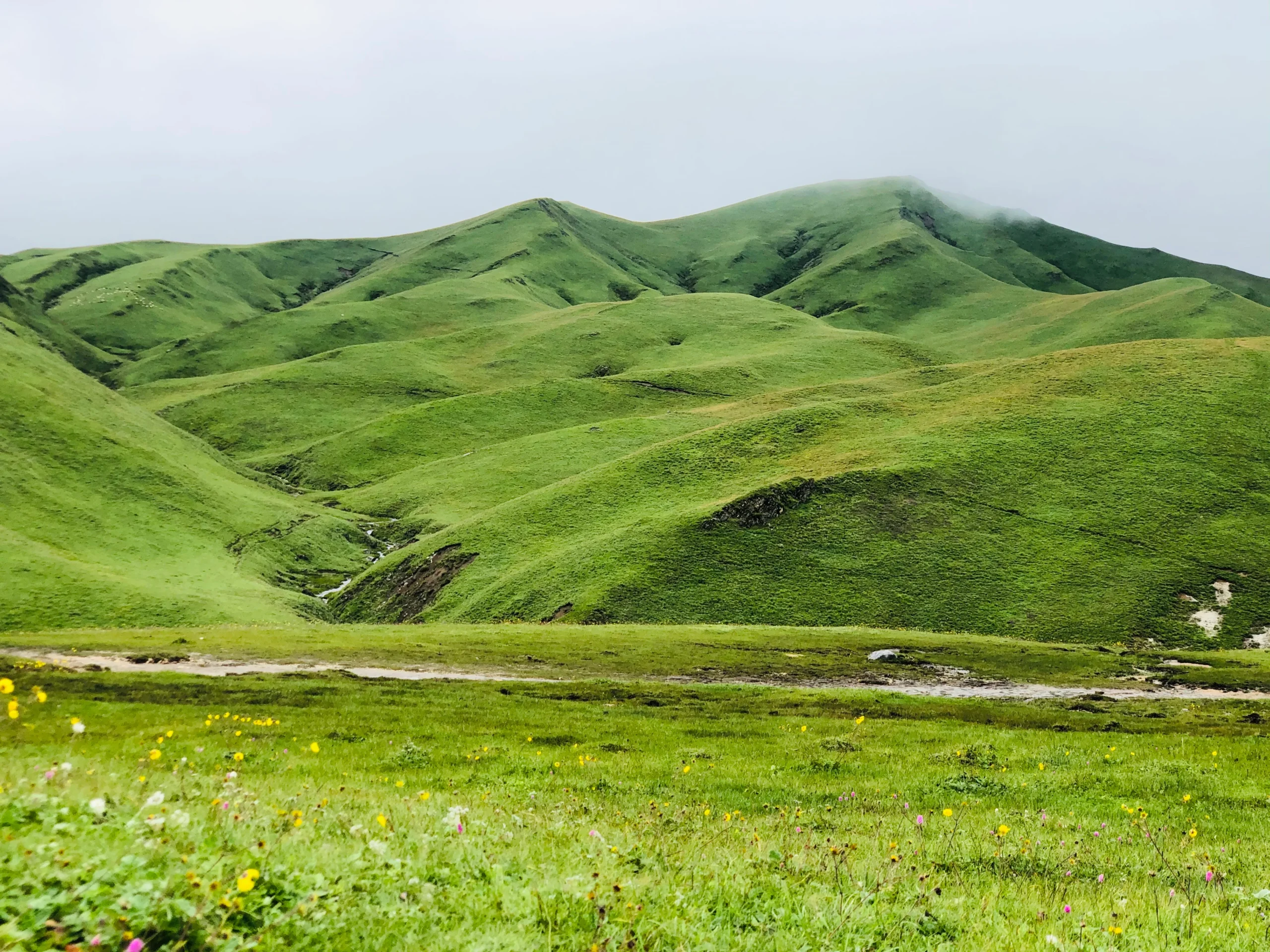
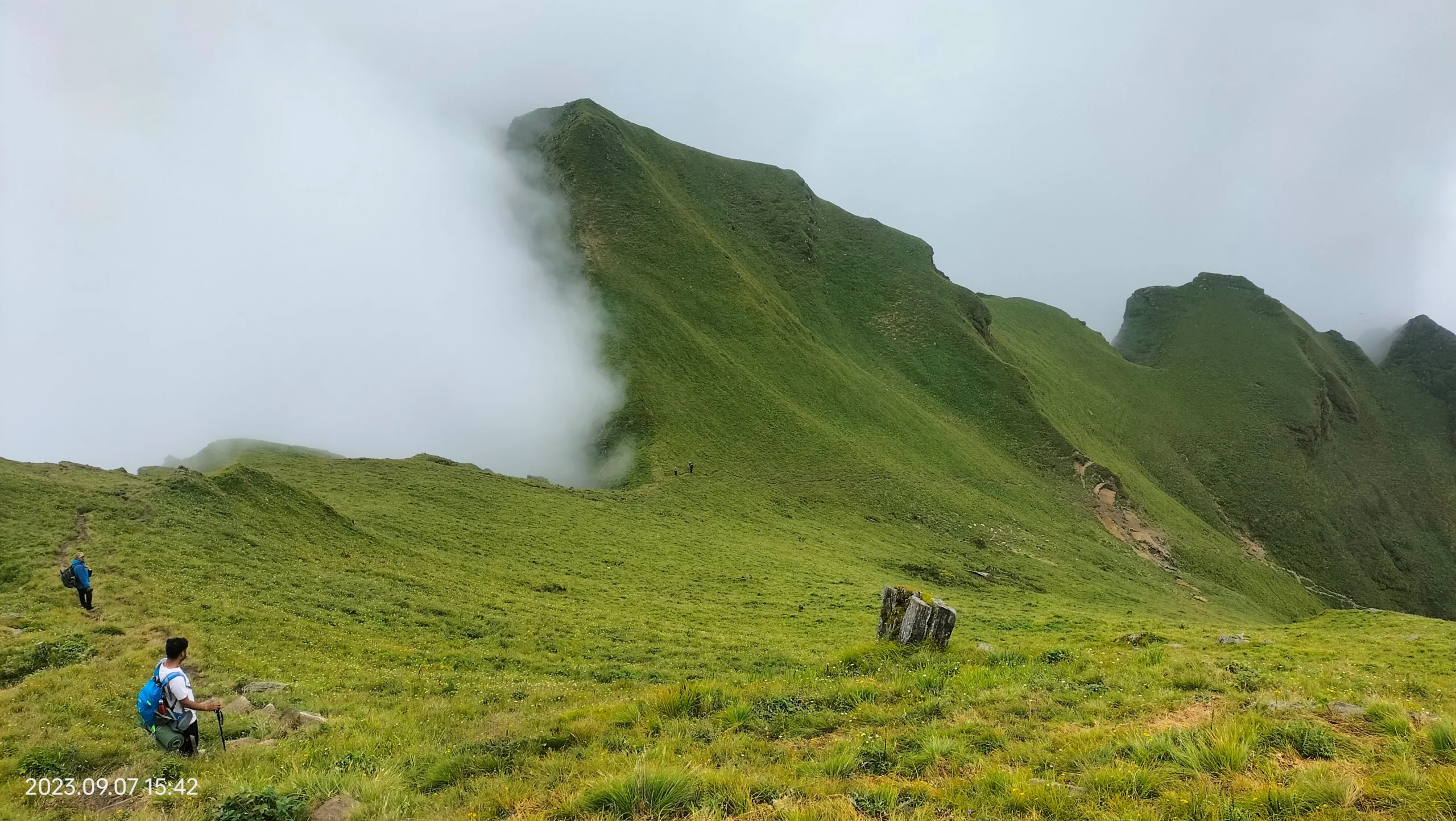
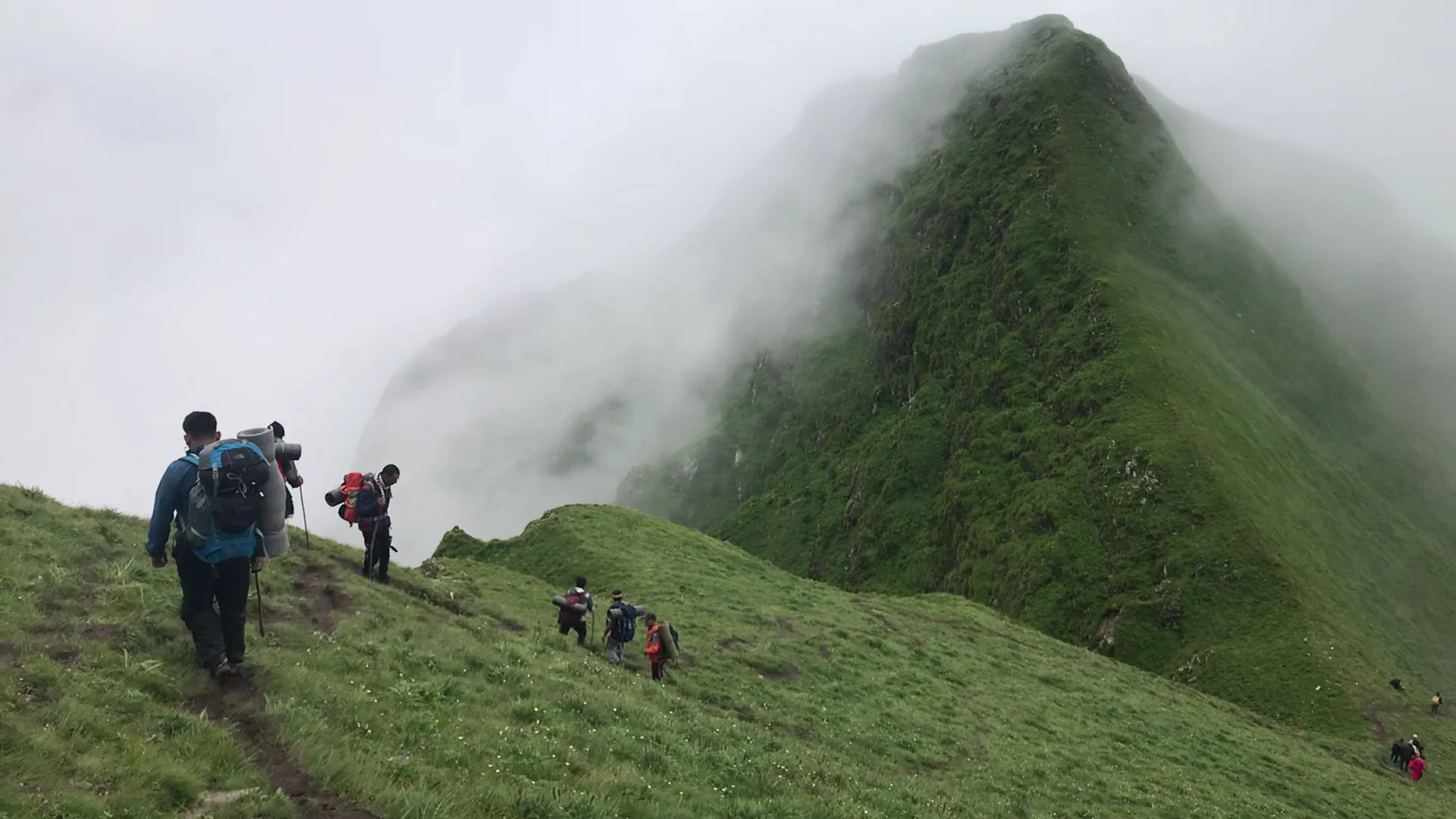
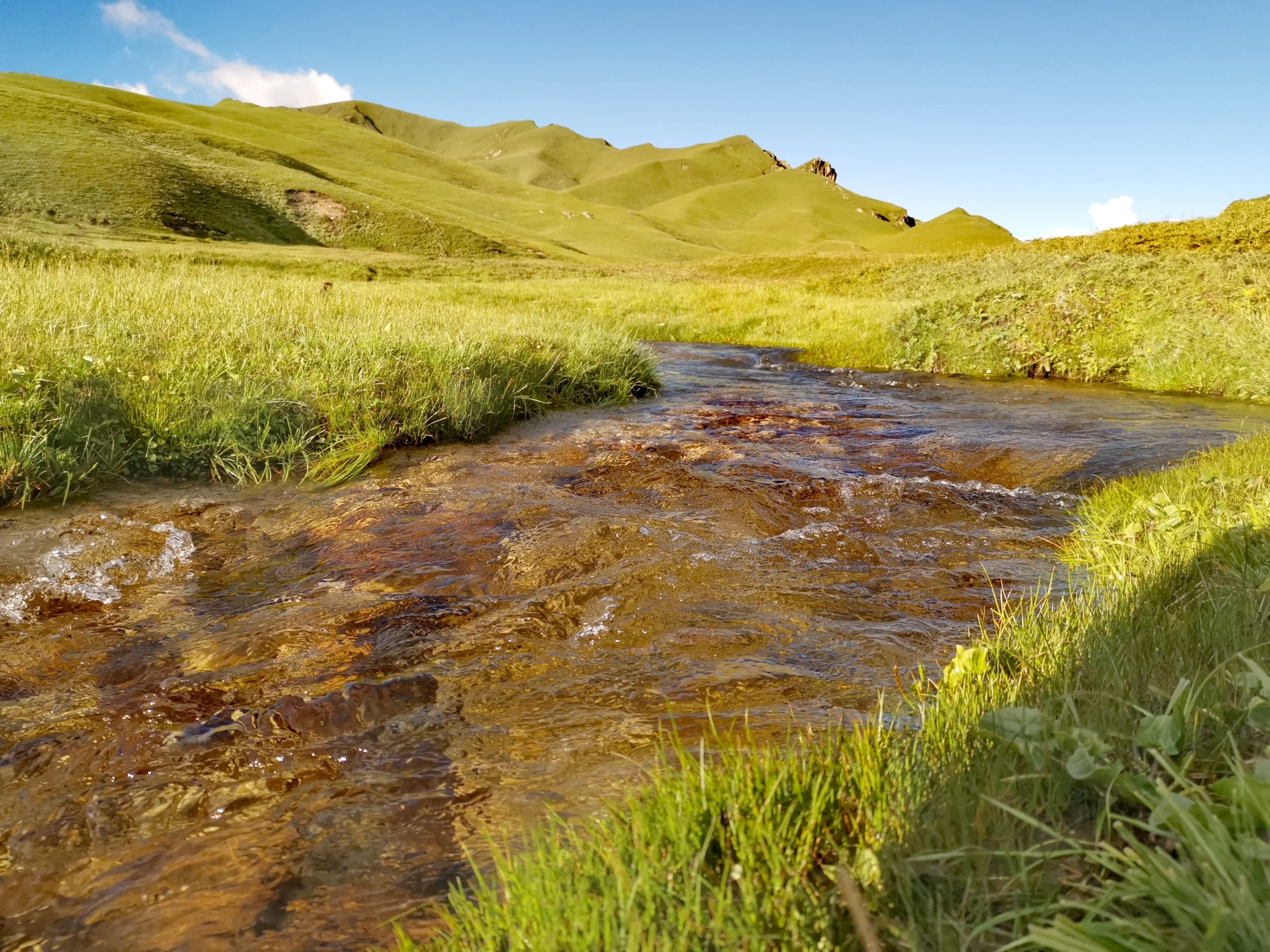
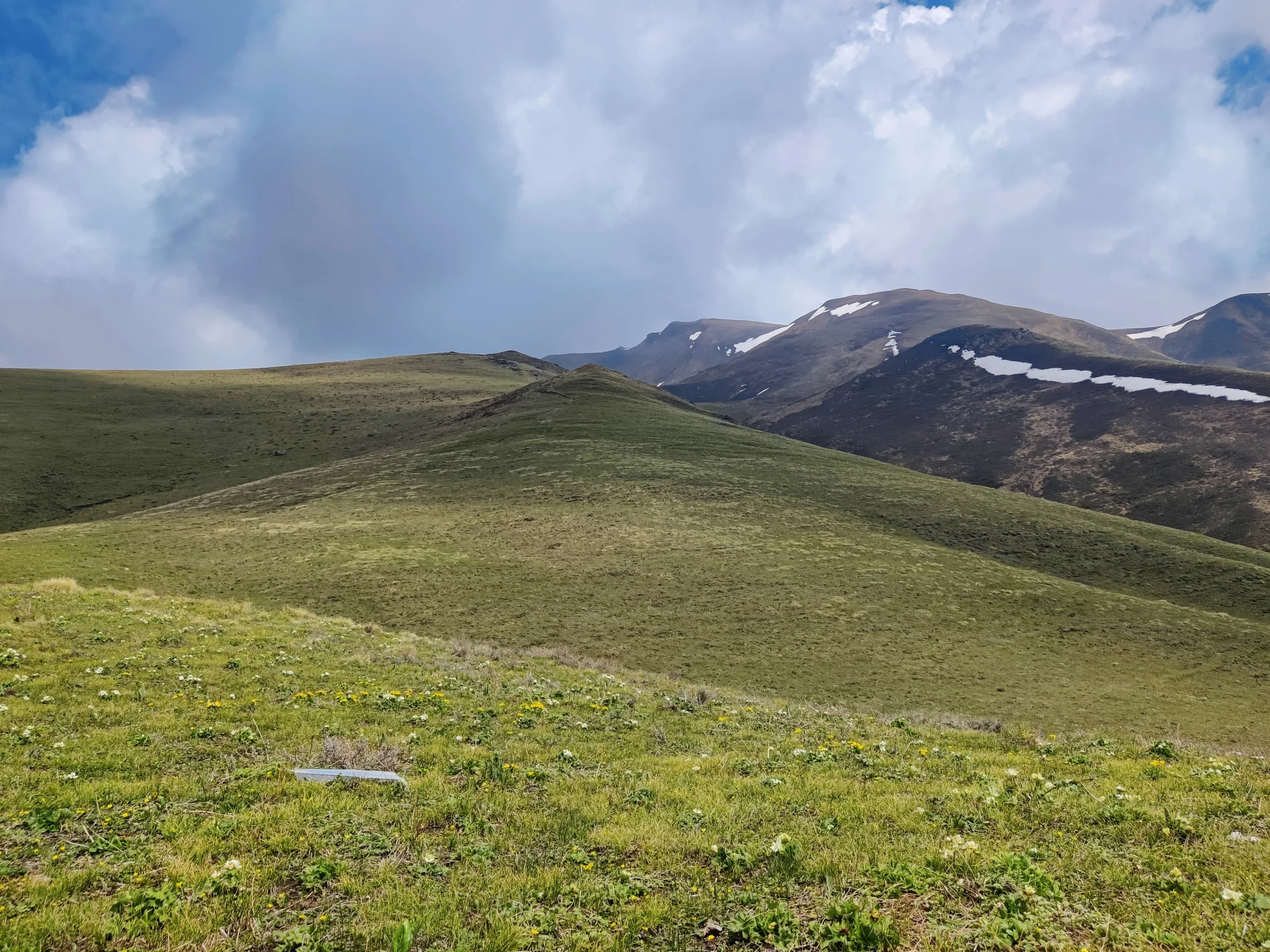
The trail continues deeper into the high pastures, climbing steadily toward Tirbeni (Triveni), the last major staging point before Badimalika Temple. Expect open grassland, mountain streams, and growing views toward the Api and Saipal ranges as the trail gains altitude. Overnight in tented camp at Tirbeni.

Day 5:Trek to Badimalika Temple and back to Tirbeni (3–4 hours)

The highlight of the trek. From Tirbeni, walk up to Badimalika Temple at 4,200m, one of Nepal’s most sacred Shakti sites, dedicated to the goddess Bhagwati. Take time to perform puja, explore the temple grounds, and take in panoramic views of the Api and Saipal Himal before descending back to camp at Tirbeni for the night.

Day 6:Trek from Tirbeni to the Apple Farm (5–6 hours)

Retrace the route back down through Diuda Patan toward the Apple Farm at Pandusain. In the evening, the Bhote Selo community hosts a cultural programme, an introduction to the traditions of this rarely visited corner of Nepal. Overnight at the Apple Farm homestay.

Day 7:Jeep from the Apple Farm to Kolti

A short 1.5-hour jeep transfer back to Kolti. The evening features a Deuda dance and folk music programme, a chance to unwind and experience Karnali highland culture up close. Overnight at the Olive Eco Village, Kolti.

Day 8:Drive from Kolti to Surkhet or Nepalgunj

Depending on flight availability, either drive 8–9 hours back to Surkhet by jeep, or take a short 40-minute domestic flight to Nepalgunj. Overnight near the airport ahead of the return flight to Kathmandu.

Day 9:Fly back to Kathmandu

Morning flight back to Kathmandu, connecting with onward travel or an extended stay in the valley.

Photos of the Trek

Badimalika Trek Highlights

  • Pilgrimage to Badimalika Temple (4,200m), one of Nepal's principal Shakti Peeth sites
  • Off-the-beaten-path route through Bajura district, Far-Western Nepal, with very little foreign trekker traffic
  • Long scenic jeep journey through Karnali's mid-hills and the Surkhet–Kolti road
  • Apple orchards and the Olive Eco Village around Kolti and Pandusain
  • Camping in the wide alpine pastures of Diuda Patan and Tirbeni
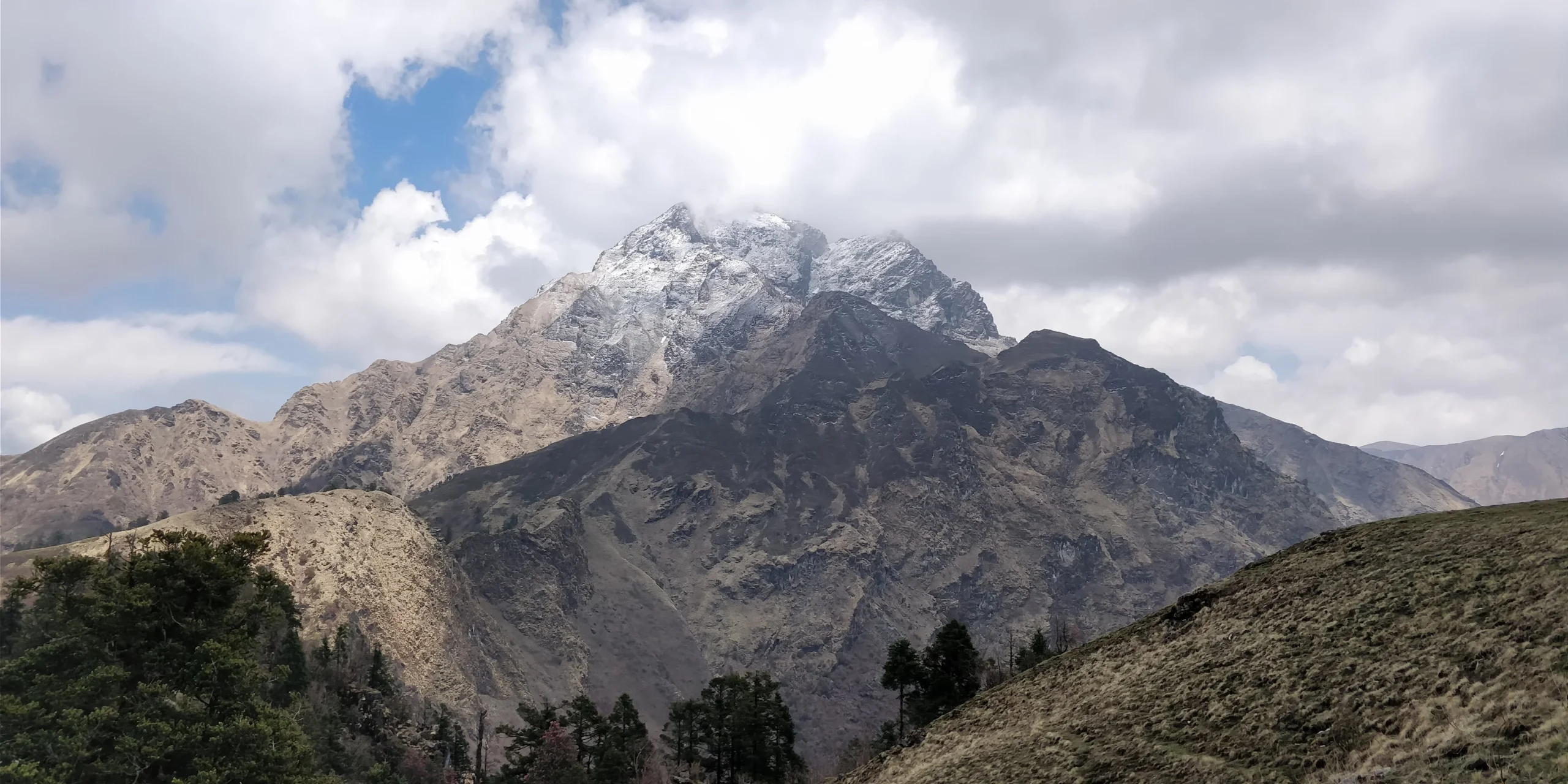
  • Panoramic views of the Api and Saipal Himal ranges
  • Deuda dance and Bhote Selo cultural programmes with local communities
  • Genuine pilgrimage atmosphere, especially around Janai Purnima in August
  • A rare chance to experience Far-Western Nepal's untouched hill culture

Badimalika Trek Cost

The Badimalika Trek is priced on request, since group size, jeep availability in Bajura, camping logistics, and season all affect the final cost more than on standard teahouse treks. Contact us via WhatsApp or the enquiry form for a tailored quote.

Group Size: Sharing jeep hire and camping crew costs across a larger group brings the per-person price down. Solo travelers and small groups pay a higher rate due to less cost-sharing on the Surkhet–Kolti jeep charter.

Trekking Duration: The standard itinerary is 9 days from Kathmandu. It can be shortened by flying into Nepalgunj and using the Kolti–Bajura fly-in route instead of the Surkhet jeep drive, or extended to combine with Khaptad National Park.

Transportation: The Kathmandu–Surkhet flight and all jeep transfers within Bajura (Surkhet–Kolti–Pandusain and return) are included as part of the package.

Camping Crew: A full camping setup and crew is included for the tented nights at Diuda Patan and Tirbeni, where no teahouses exist.

Trekking Season: Late July through August sees the heaviest pilgrim traffic around Janai Purnima, affecting local accommodation and jeep demand in Kolti. Spring and autumn offer quieter trails and clearer mountain views.

What’s Included

Includes: Kathmandu–Surkhet flights, hotel in Surkhet, guide, camping crew and porters, tented accommodation at Diuda Patan and Tirbeni, homestay/lodge nights in Kolti and the Apple Farm, all meals from Kolti onward, jeep transfers within Bajura, local area permits and government service charges

Excludes: International airfare, Nepal visa fees, travel insurance, alcoholic drinks, and anything not listed under Inclusions above

The Badimalika Trek remains one of Nepal’s most authentic far-western journeys, blending pilgrimage, culture, and remote alpine scenery for trekkers looking well beyond the standard Himalayan circuits.

Best Time of Year for the Trek

Planning your Badimalika Trek? Bajura’s far-western location and 4,200m high point make timing matter even more than on Nepal’s better-known routes.

Autumn (September–November) — Best for Trekking

  • Stable, dry weather with clear skies
  • Excellent visibility of the Api and Saipal Himal ranges
  • Dry trails following the monsoon
  • Quieter than the August pilgrimage season

Spring (March–June) — Good Trekking Conditions

  • Warmer temperatures, especially at lower elevations around Surkhet and Kolti
  • Blooming rhododendron forests on the lower trail
  • Generally clear mornings with a chance of afternoon cloud

Monsoon / Janai Purnima Season (July–August) — Pilgrimage Peak

  • Heaviest pilgrim traffic of the year, centered on Janai Purnima
  • A unique cultural and spiritual atmosphere at Badimalika Temple
  • Wetter trail conditions and higher landslide risk on the Surkhet–Kolti road
  • Best suited to trekkers prioritizing the pilgrimage experience over trail comfort

Winter (December–February) — Not Recommended

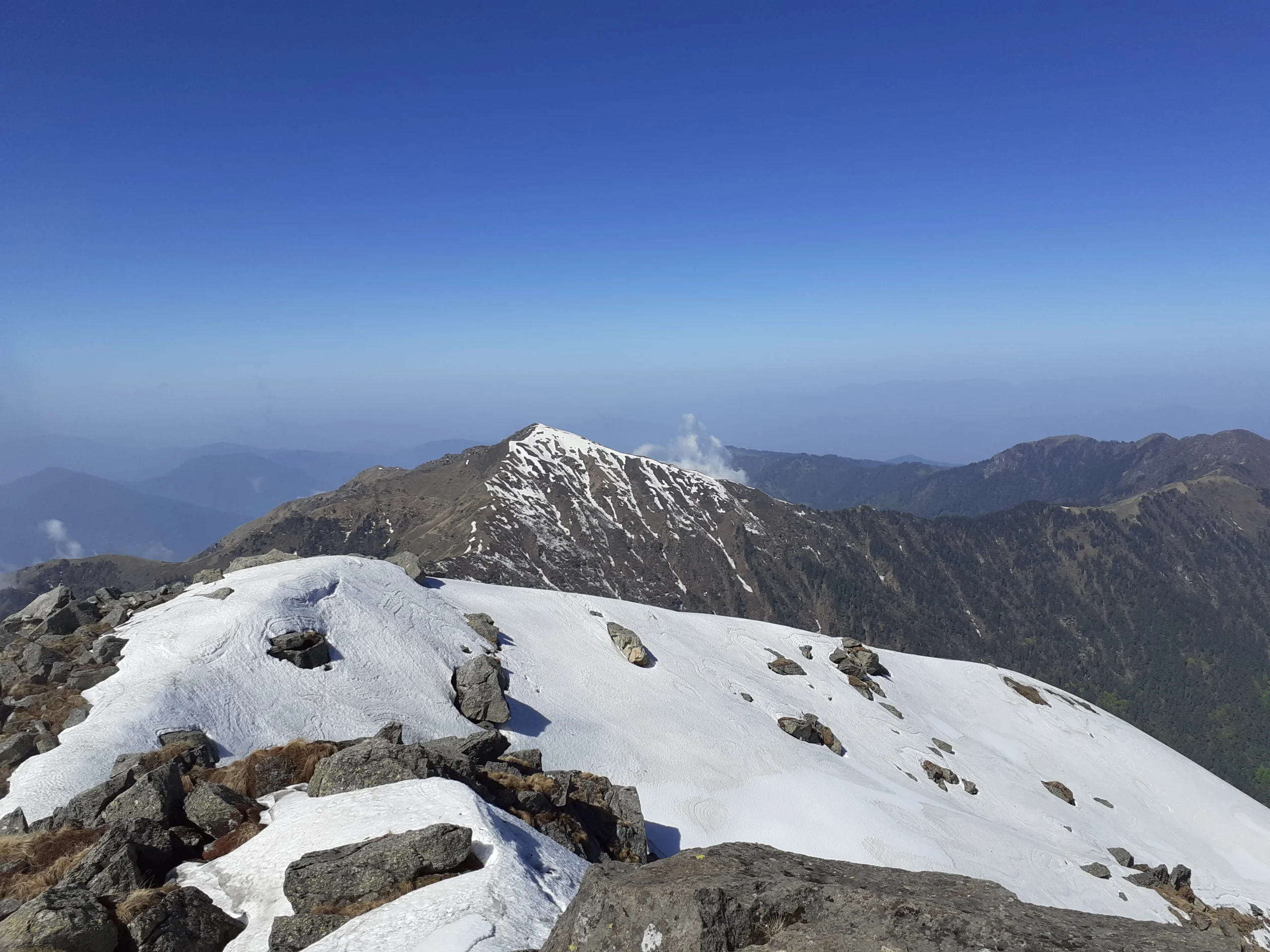
  • Heavy snowfall likely at and above Tirbeni and Badimalika Temple
  • Camping sections become very cold and potentially inaccessible
  • Limited jeep access on the Surkhet–Kolti road in poor weather

Badimalika Trek – Packing List

Preparing for the Badimalika Trek? Since the upper trail beyond Diuda Patan involves camping rather than teahouses, personal gear matters more here than on standard lodge-based treks. Camping equipment (tents, sleeping mats) is provided by the crew — bring your own sleeping bag and warm layers.

General Gear

  • Three-season sleeping bag (four-season for August pilgrimage season nights above Tirbeni)
  • Sleeping bag liner
  • Daypack (30–40L) with rain cover
  • Trekking poles

Head & Upper Body

  • Sun hat or cap (complimentary Nepal Adventure Trail cap provided)
  • Warm beanie or knitted hat
  • Headlamp with spare batteries
  • UV-protective sunglasses

Torso & Layers

  • Moisture-wicking base layers
  • 2 short-sleeve and 2 long-sleeve trekking shirts
  • Insulated fleece jacket
  • Waterproof and windproof shell jacket

Lower Body

  • 2 pairs of trekking pants
  • 1 pair of comfortable pants for camp evenings
  • Waterproof over-pants (especially for the July–August pilgrimage season)

Hands & Feet

  • Liner and outer gloves
  • Warm trekking socks
  • Waterproof, well broken-in trekking boots
  • Casual shoes for camp evenings

First Aid & Toiletries

  • Sunscreen (SPF 30+) and lip balm
  • Basic personal first aid supplies (guide carries a full kit)
  • Reusable water bottle and purification tablets
  • Quick-dry towel and basic toiletry kit
  • Small dry bags for passport, phone, and electronics

Travel Documents

  • Passport and extra passport photos
  • Airline tickets (leave a copy at our Kathmandu office)

Tip: Kolti and Surkhet have limited shops compared to Kathmandu’s Thamel, so pick up any last-minute gear before leaving the capital.


FAQs of Badimalika Trek

How much does the Badimalika Trek cost?

Cost depends on group size, season, and whether you drive via Surkhet or fly via Nepalgunj, so we quote it on request. Contact us via WhatsApp or the enquiry form for a tailored price.

How difficult is the Badimalika Trek?

It’s rated moderate to challenging. The trekking days themselves are relatively short (3–6 hours), but the long jeep drives, remote camping above Diuda Patan, and altitude at Badimalika Temple (4,200m) call for reasonable fitness and a tolerance for basic conditions.

When is the best time to trek to Badimalika?

Autumn (September–November) offers the clearest skies and most stable trekking conditions. Spring (March–June) is also good. Late July through August draws the biggest crowds for the Janai Purnima pilgrimage, while winter should be avoided due to heavy snow at altitude.

Do I need a guide for the Badimalika Trek?

Yes. The route runs through remote, sparsely populated terrain with no teahouses above Diuda Patan, and local knowledge of the trail and camping logistics is essential. All Badimalika treks with Nepal Adventure Trail include an experienced local guide and camping crew.

What permits do I need for the Badimalika Trek?

Bajura is not a restricted area, so it does not require the special permits used on treks like Manaslu or Upper Dolpo. Local area entry fees and any applicable government charges are handled by our team and included in the package.

How do I get to Badimalika?

Fly from Kathmandu to Surkhet, then drive 8–9 hours by jeep to Kolti. From Kolti, a short jeep ride to Pandusain connects to the trekking trail. A faster alternative flies into Nepalgunj and continues by jeep from there.

What is Badimalika Temple?

Badimalika Temple, at 4,200m in Bajura’s Triveni Municipality, is one of Nepal’s principal Shakti Peeth sites, dedicated to the goddess Bhagwati (also known locally as Malika Devi). It’s a major pilgrimage destination, especially during Janai Purnima in August.

Where do I sleep on the Badimalika Trek?

You’ll stay in a hotel in Surkhet, a homestay/lodge in Kolti and at the Apple Farm, and in tented camps at Diuda Patan and Tirbeni, where no permanent teahouses exist. All camping equipment except your sleeping bag is provided.

What views can I expect on the Badimalika Trek?

The trail offers sweeping views of the Api and Saipal Himal ranges from the high pastures around Tirbeni and the temple itself, along with the terraced hills and river valleys of the Surkhet–Kolti road.

Is the Badimalika Trek suitable for beginners?

It suits trekkers with reasonable fitness and some hiking experience. The daily walking distances are moderate, but the long jeep transfers, remote camping, and basic infrastructure make it less beginner-friendly than standard teahouse treks like Poon Hill.

What cultural experiences are included?

The itinerary includes a Deuda dance and folk music evening in Kolti and a cultural programme with the Bhote Selo community near the Apple Farm, alongside the pilgrimage experience at Badimalika Temple itself.

Can the Badimalika Trek be combined with other trips?

Yes. It’s often combined with Khaptad National Park, and can be paired with Karnali River rafting or a visit to the Kailash Paduka and Chandanath Darsan sites near Surkhet.

What should I pack for the Badimalika Trek?

Focus on a warm sleeping bag, layered clothing, broken-in waterproof boots, and personal camping essentials. Tents and sleeping mats are provided by our crew. See the full packing list above.

Is the Badimalika Trek safe during the Janai Purnima festival?

Yes, though it’s the busiest time of year. Expect more crowded jeep roads and camping areas around the festival dates. Guides plan logistics around the pilgrimage crowds to keep the experience smooth.

Get Latest Updates By Subscribing To Our Newsletter

From$1,420
Book Now