
Table of Contents
Dark Tourism Destinations: An In-Depth Exploration of Dark Tourism Destinations
Dark tourism, also known as thanatourism, involves traveling to sites associated with death, tragedy, or the macabre. These destinations often carry a heavy historical, cultural, or emotional significance, providing visitors with an opportunity to learn about the darker chapters of human history while reflecting on mortality, resilience, and the human condition. This document explores dark tourism destinations across the globe, categorized by region and theme, with an emphasis on their historical context, significance, and ethical considerations.
If you are looking for unique experiences, consider visiting dark tourism destinations that showcase the history of human resilience amidst tragedy. Dark tourism destinations are becoming increasingly popular.
Section 1: What is Dark Tourism?
Dark tourism destinations can provide profound insights into our past and remind us of the importance of remembrance.
Dark tourism encompasses a wide range of sites, including battlefields, prisons, disaster zones, and locations tied to genocide or other atrocities. While the concept may seem morbid to some, it also provides an opportunity for education, empathy, and understanding.
Subcategories of Dark Tourism
- Disaster Tourism: Visiting sites of natural or human-made disasters, such as Chernobyl or Pompeii.
- Genocide and Atrocity Tourism: Learning about the horrors of genocides at places like Auschwitz or the Killing Fields in Cambodia.
- Prison and Punishment Sites: Exploring places like Alcatraz or Robben Island, which showcase the justice and injustice of penal systems.
- Battlefield Tourism: Visiting the locations of historical battles, such as Gettysburg or the Somme.
- Mythical and Supernatural Sites: Exploring areas with legends of hauntings, curses, or folklore, like Bran Castle in Romania.
Each of these dark tourism destinations tells a story that is essential for collective memory. Visiting dark tourism destinations can be a transformative experience.
There are many dark tourism destinations in various regions. Understanding these dark tourism destinations enhances our appreciation of historical narratives.
Section 2: Ethical Considerations in Dark Tourism
Dark tourism destinations serve as reminders of human capacity for resilience and reflection. They encourage visitors to confront uncomfortable truths.
Visiting dark tourism sites requires sensitivity and respect for the victims and their families. Ethical concerns include:
- Respectful Behavior: Avoiding selfies or inappropriate actions at solemn sites.
- Supporting Local Communities: Ensuring that tourism benefits the local economy without exploiting tragedy.
- Educational Value: Seeking knowledge and understanding rather than voyeuristic thrills.
Section 3: Dark Tourism in Europe
3.1. Auschwitz-Birkenau, Poland
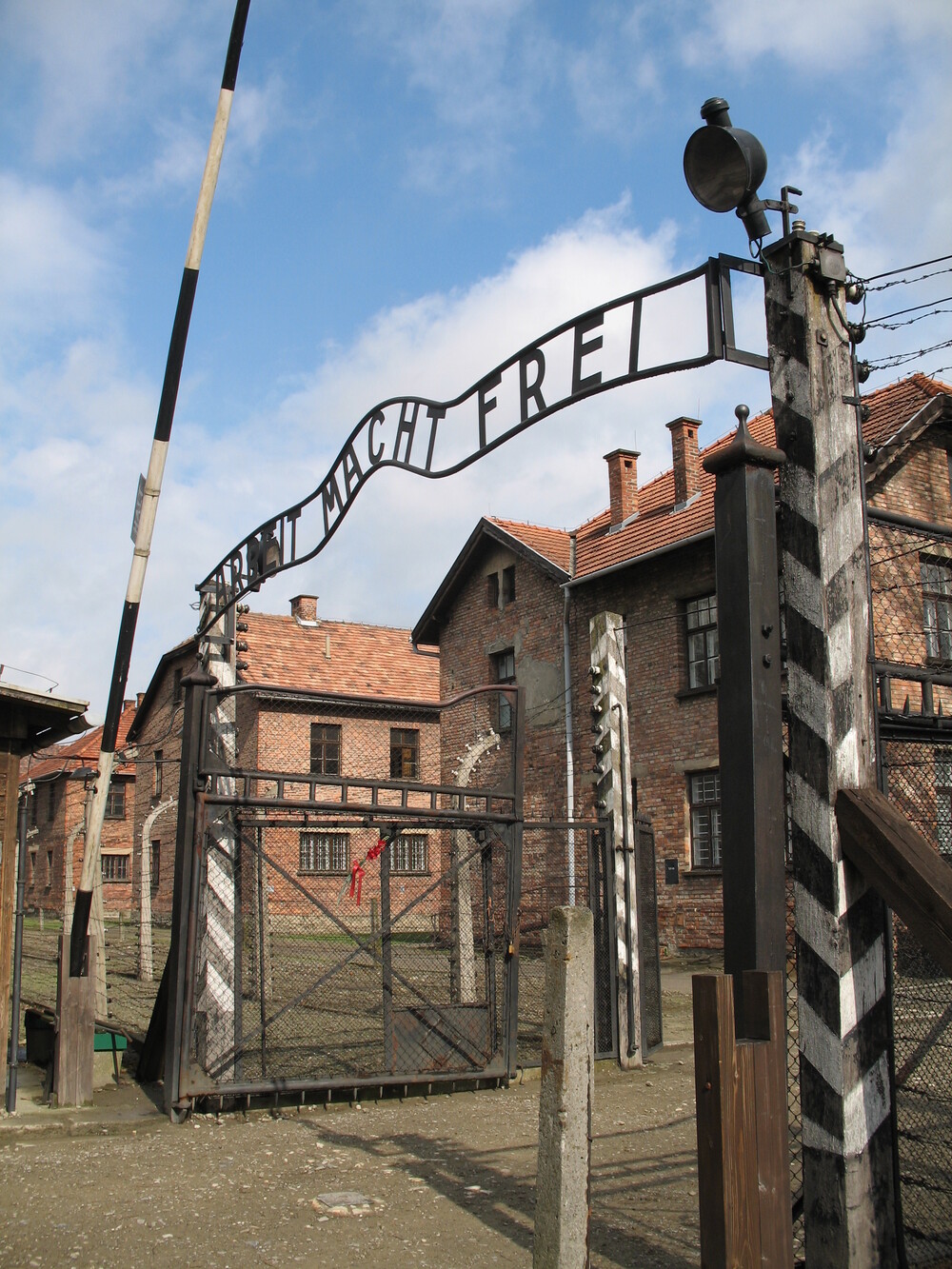
One of the most infamous concentration camps of World War II, Auschwitz serves as a somber reminder of the Holocaust. Visitors can see barracks, gas chambers, and exhibits displaying the personal items of victims. The site emphasizes education and remembrance.
3.2. Chernobyl Exclusion Zone, Ukraine

The site of the 1986 nuclear disaster has become a popular destination for those interested in the consequences of human error and environmental catastrophe. Guided tours provide insight into the event and its aftermath.
3.3. The Catacombs of Paris, France

These underground ossuaries hold the remains of over six million people, offering a glimpse into the city’s history and the practical challenges of urban burial.
3.4. The Tower of London, England
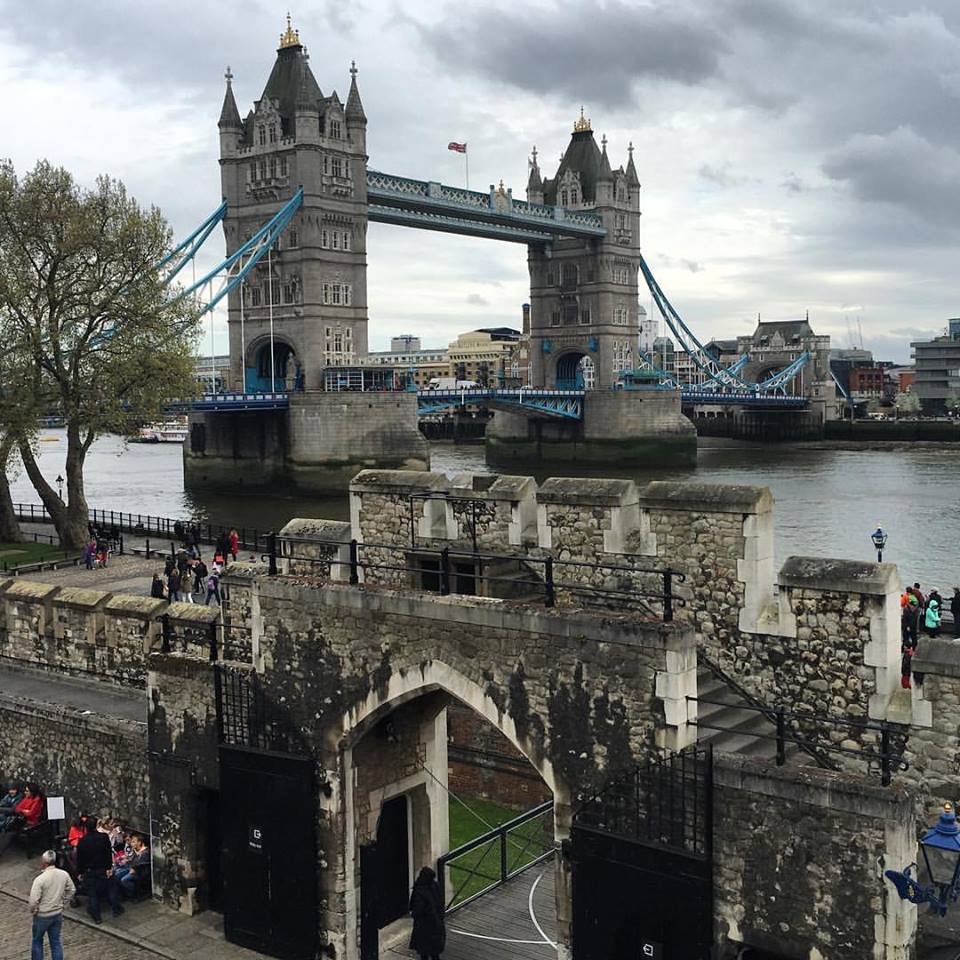
Known for its grim history of executions, imprisonment, and torture, this iconic landmark provides insight into England’s tumultuous past.
Section 4: Dark Tourism in Asia
4.1. The Killing Fields, Cambodia

These sites bear witness to the atrocities of the Khmer Rouge regime. Visitors can learn about the genocide that claimed millions of lives through guided tours and memorials.
4.2. Hiroshima Peace Memorial Park, Japan

Dedicated to the victims of the atomic bombing in 1945, the park includes the iconic A-Bomb Dome and a museum educating visitors on the devastating impact of nuclear warfare.
4.3. Ghost Cities of China

Abandoned urban developments, like Ordos in Inner Mongolia, offer a haunting look at the consequences of rapid industrialization and economic speculation.
Section 5: Dark Tourism in the Americas
5.1. Alcatraz Island, USA

The infamous prison housed notorious criminals like Al Capone and Robert Stroud. Today, it’s a museum offering insights into the harsh realities of incarceration.
5.2. Ground Zero, USA
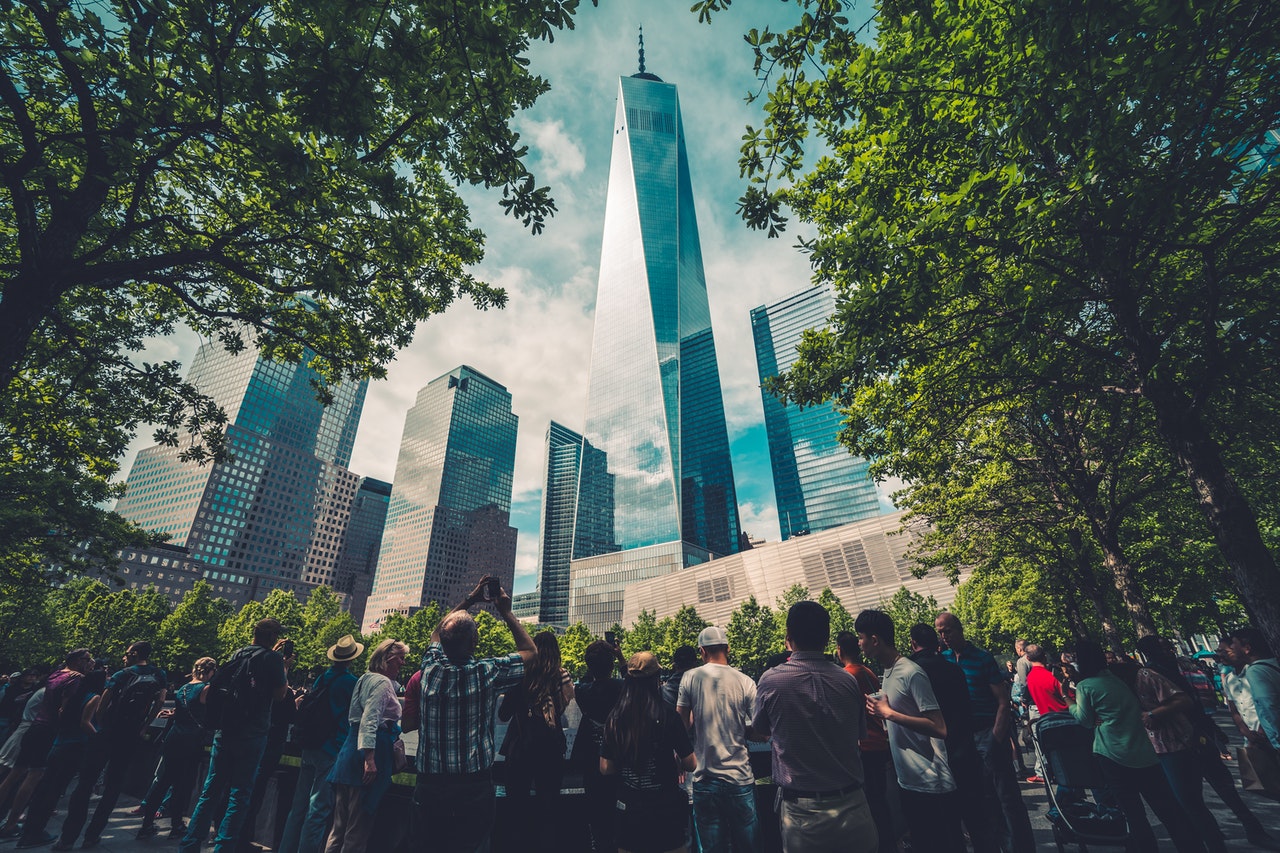
The 9/11 Memorial and Museum in New York City honors the victims of the September 11 attacks and educates visitors on the events of that tragic day.
5.3. Salem, Massachusetts, USA
Known for the 1692 witch trials, Salem has embraced its dark history with museums, reenactments, and guided tours.
5.4. The Museum of Death, USA

With locations in Los Angeles and New Orleans, this museum showcases exhibits on mortality, crime, and the macabre.
Section 6: Dark Tourism in Africa
6.1. Robben Island, South Africa

This former prison, where Nelson Mandela was incarcerated, is now a UNESCO World Heritage Site. It offers guided tours led by former political prisoners.
6.2. Slave Forts of Ghana

Elmina and Cape Coast castles were central to the transatlantic slave trade. Visitors can explore dungeons and learn about this dark chapter of history.
6.3. Rwanda Genocide Memorials

Sites like the Kigali Genocide Memorial commemorate the victims of the 1994 genocide and educate visitors on the importance of reconciliation.
Section 7: Dark Tourism in Oceania
7.1. Port Arthur, Tasmania, Australia

This former penal settlement highlights Australia’s history of convict transportation and features a museum and preserved ruins.
7.2. The Quarantine Station, Sydney, Australia

This site served as a quarantine facility for immigrants and offers ghost tours highlighting its haunted reputation.
Section 8: Challenges and Controversies in Dark Tourism
8.1. Commercialization of Tragedy
Dark tourism destinations can often challenge our preconceived notions of history, offering a different perspective.
Some sites risk trivializing history by prioritizing profit over education.
8.2. Balancing Accessibility and Preservation
In conclusion, dark tourism destinations are essential for understanding not only the past but also humanity’s ongoing journey.
Increased tourism can strain resources and damage fragile historical sites.
8.3. Media Influence
Movies, TV shows, and social media often drive interest in dark tourism, but sensationalism can overshadow historical accuracy.
Section 9: Conclusion
Dark tourism is a multifaceted phenomenon that offers opportunities for education, reflection, and understanding. By approaching these destinations with sensitivity and respect, visitors can honor the memory of those affected by tragedy while gaining deeper insights into history and humanity.
Appendix: Resources for Further Exploration
- Books: “Dark Tourism” by John Lennon and Malcolm Foley.
- Documentaries: Dark Tourist (Netflix).
- Organizations: UNESCO World Heritage Sites, local historical societies.
Frequently Asked Questions About Dark Tourism
Which country is famous for dark tourism?
Countries like Poland (Auschwitz-Birkenau), Cambodia (Killing Fields), and Ukraine (Chernobyl Exclusion Zone) are well-known for their dark tourism destinations. These sites attract visitors due to their historical significance and the lessons they offer about human resilience and tragedy.
Why is it called dark tourism?
Dark tourism refers to visiting places associated with death, tragedy, or the macabre. The term highlights the somber nature of these destinations and the opportunity they provide to reflect on historical or cultural events tied to suffering or mortality.
What is dark tourism in India?
In India, dark tourism includes sites such as:
- Jallianwala Bagh in Amritsar, where a tragic massacre occurred in 1919.
- Cellular Jail in the Andaman and Nicobar Islands, which was used to imprison freedom fighters during British colonial rule.
- Bhopal Gas Tragedy Memorial, commemorating the victims of the 1984 industrial disaster.
Why is dark tourism good?
Dark tourism offers several benefits:
- Education: It provides insights into history and significant events.
- Empathy: Visitors can develop a deeper understanding of human suffering and resilience.
- Preservation: Tourism can help fund the maintenance of historical sites.
What is an example of dark tourism?
One prominent example is Auschwitz-Birkenau in Poland, a former Nazi concentration camp that now serves as a memorial and museum dedicated to the victims of the Holocaust.
Which country is number 1 in tourism?
France consistently ranks as the most visited country in the world, known for its rich cultural heritage, iconic landmarks like the Eiffel Tower, and renowned art and cuisine.