Mardi Himal Base Camp Trek – 10 Day Itinerary, Cost & Map (2026)

Quiet Trails, Epic Views
From$1,065
Booking Form
Enquiry Form
Full Name*
Email Address*
Phone Number*
Your Country*
Your Enquiry*
Accommodation*
* I agree with Terms of Service and Privacy Statement.
Please agree to all the terms and conditions before proceeding to the next step
Available: 16 seats
* Please select all required fields to proceed to the next step.

Proceed Booking

Save To Wish List

Adding item to wishlist requires an account

7773

  • DestinationNepal
  • AccommodationHotel/Lodge/Tea House during the trek
  • RegionAnnapurna Region
  • Best SeasonFeb, March, April, May, June, Sep, Oct, Nov & Dec.
  • Days13
  • Group8-15 Persons
  • DifficultyModerate
  • PickupTIA Airport
  • Activity Per DayApprox. 4-6 hrs Walking
  • Max. Altitude 4,500 m
  • Meals IncludedBreakfast in Pokhara Hotel and all Meals (Breakfast, Lunch, Dinner) during the trek
  • TransportationFlight / Drive

About Mardi Himal Base Camp Trek

The Mardi Himal Base Camp Trek is a spectacular 10-day journey deep into the Annapurna region, where every step brings you closer to some of Nepal’s most breathtaking Himalayan landscapes.

This trek combines panoramic mountain views, vibrant rhododendron forests, and the warm hospitality of the local Gurung communities into an unforgettable adventure.

Your journey begins in Pokhara, Nepal’s charming lakeside city, where the majestic peaks feel just within reach. After a scenic drive to the trailhead at Phedi, the real trek begins. You’ll pass through serene villages like Siddha, Low Camp, and High Camp, trekking along forested trails and crossing suspension bridges that sway gently over rushing mountain rivers.

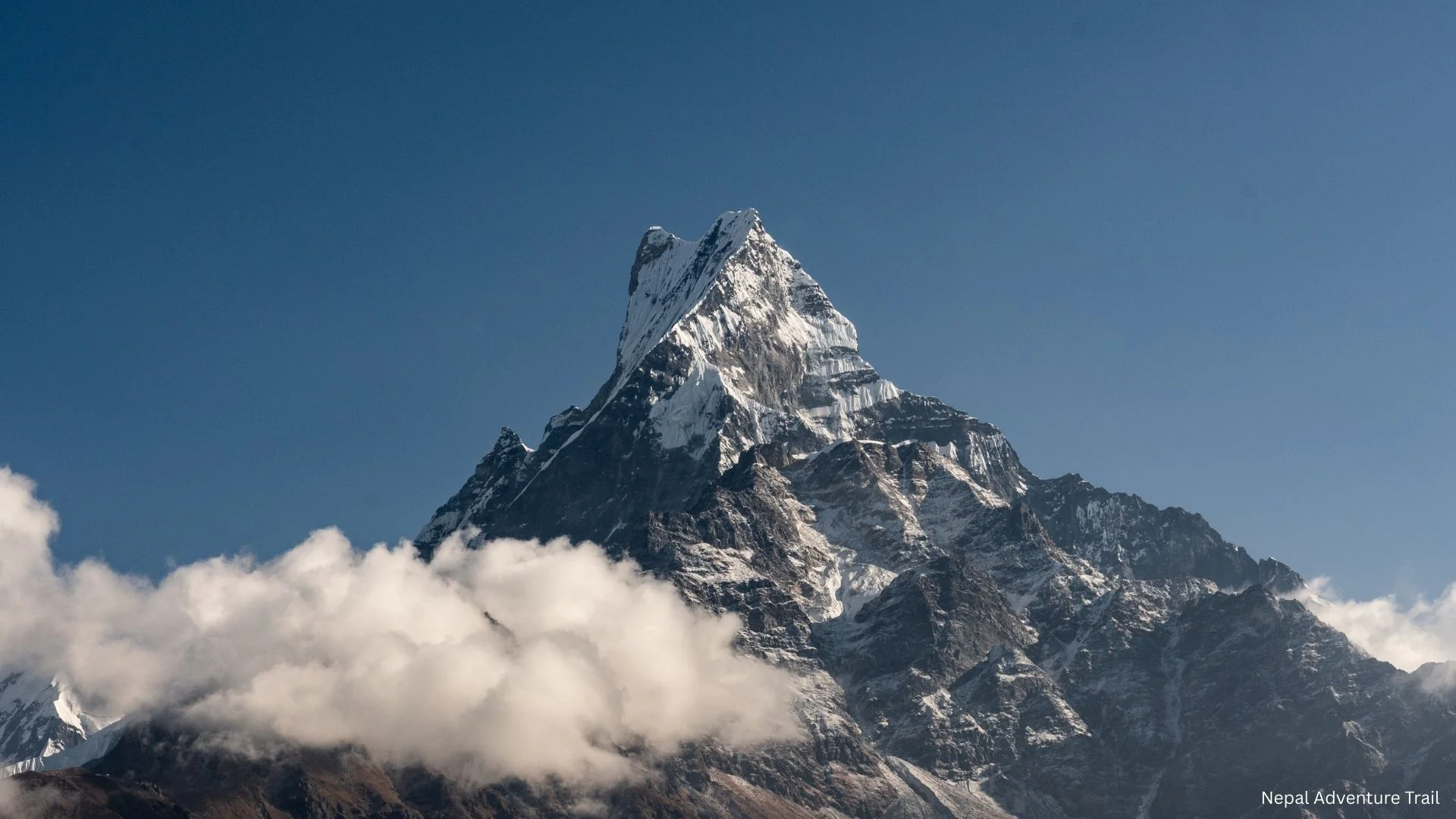
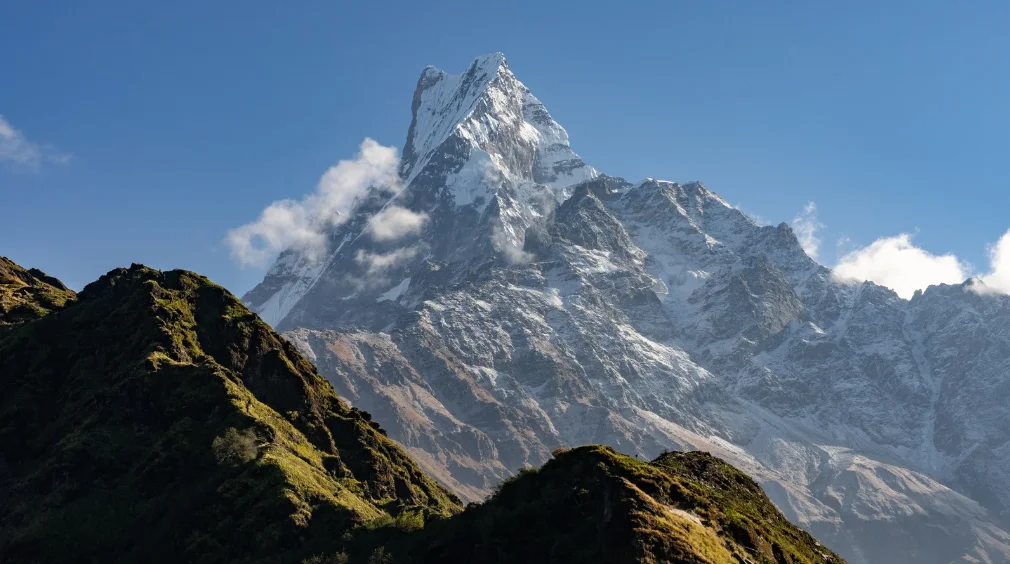
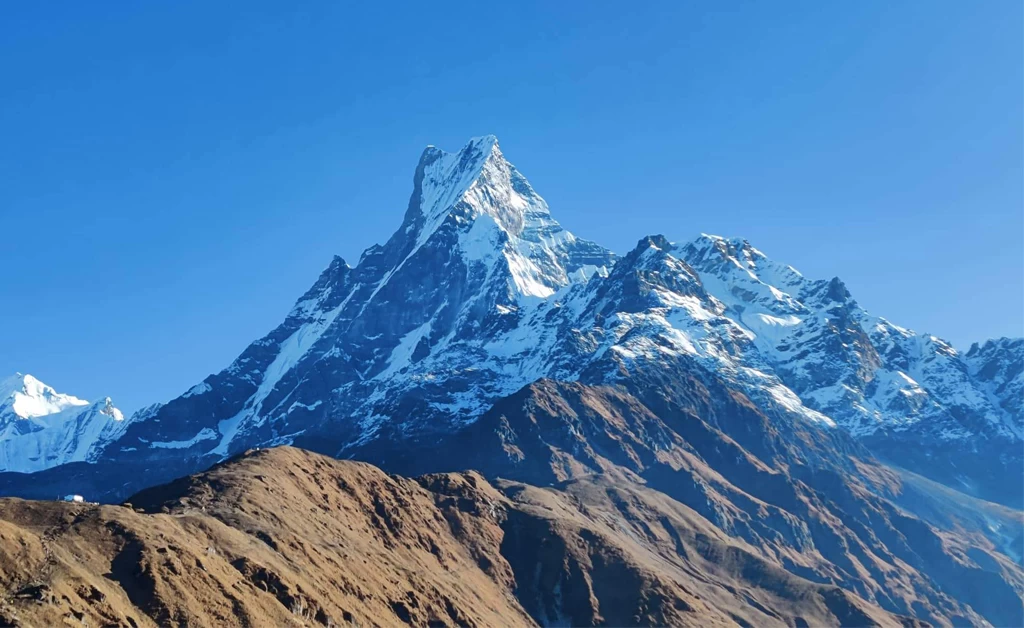
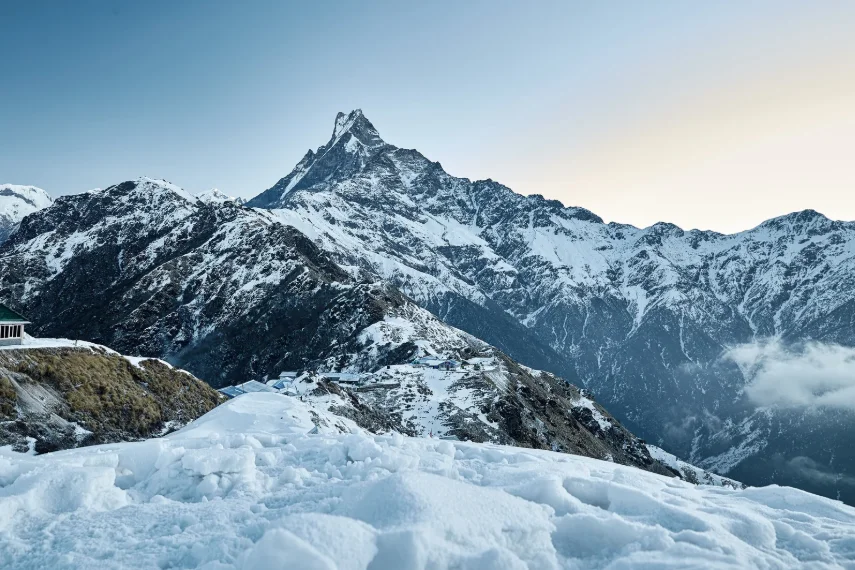
As you ascend higher, the air turns crisp and the views expand dramatically. Towering mountains such as Machapuchare (Fishtail), Himalchuli, and the Annapurna massif dominate the horizon. The trail winds through dense rhododendron and bamboo forests, offering glimpses of native wildlife and vibrant alpine flora.

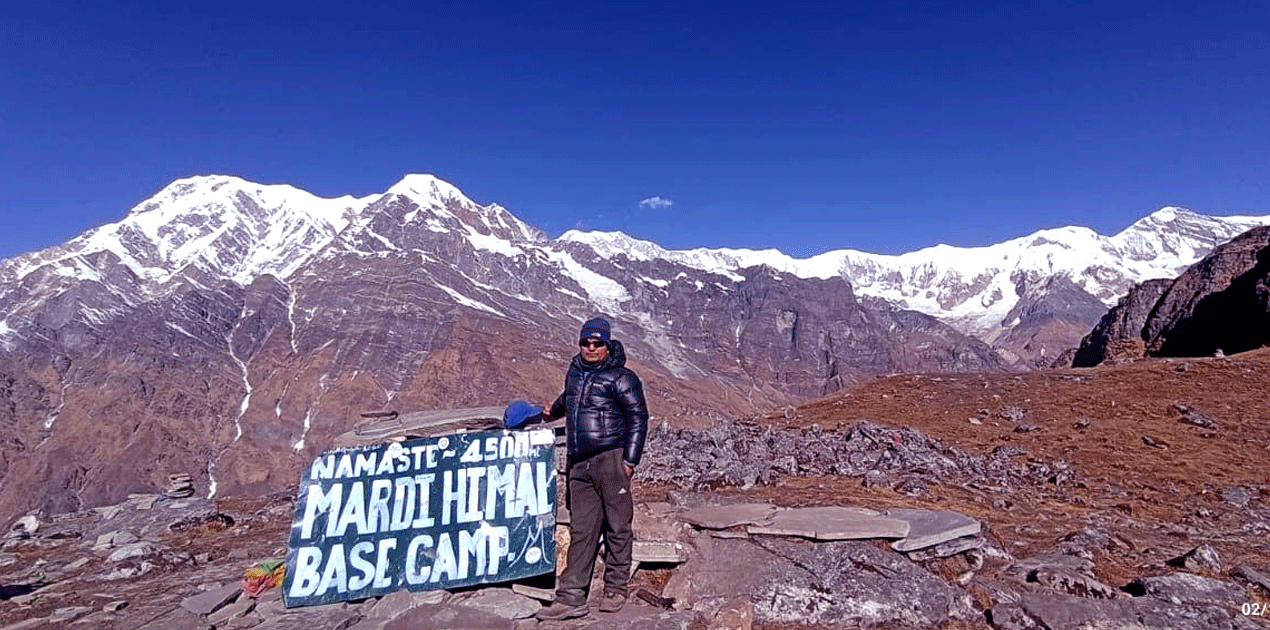
The highlight of this trek is reaching Mardi Himal Base Camp at around 4,500 meters—an incredible natural vantage point surrounded by snow-capped peaks. Witnessing the sunrise here, as golden light bathes the towering mountains, is a magical and soul-stirring experience.

Along the way, you’ll stay in cozy mountain teahouses, enjoy nourishing Nepali meals, and connect with fellow trekkers and friendly locals under starry Himalayan skies. The blend of cultural warmth and raw natural beauty makes this trek both adventurous and deeply peaceful.

The descent back feels lighter and more reflective as you retrace your steps through tranquil forests and villages.

After a restful night in Pokhara, you’ll return home carrying not just photographs, but lasting memories and a renewed connection with nature and yourself.

The Mardi Himal Base Camp Trek is more than just a trek—it’s a journey into the heart of the Himalayas, culture, and self-discovery, offering a perfect Himalayan escape.

Mardi Himal Trek Itinerary (Day-by-Day)

Day 1: Arrival in Kathmandu (1,400 m)

Day 2: Drive to Pokhara (822 m) – 6–7 hrs drive / 30 min flight

Day 3: Drive to Kande (1,770 m) & Trek to Deurali (2,100 m) – 3-4 hrs trek

Day 4: Trek to Low Camp (2,600 m) – 5–6 hrs

Day 5: Trek to High Camp (3,550 m) – 6 hrs

Day 6: Trek to Mardi Himal View Point (4,200 m) & Back to Low Camp (2,990 m) – 6–7 hrs

Day 7: Trek to Siding Village (1,700 m) – 5 hrs. Drive to Pokhara (822 m) – 3 hrs drive

Day 8: Rest Day at Pokhara.

Day 9: Drive/Fly to Kathmandu (1,400 m) – 6–7 hrs drive / 30 min flight

Day 10: Final Departure

Mardi Himal Base Camp Trek Cost — What's Included & Excluded

Price Includes

Accommodation & Meals

  • 2 nights in Kathmandu (4-star hotel, breakfast included).
  • 3 nights in Pokhara (4-star hotel, breakfast included).
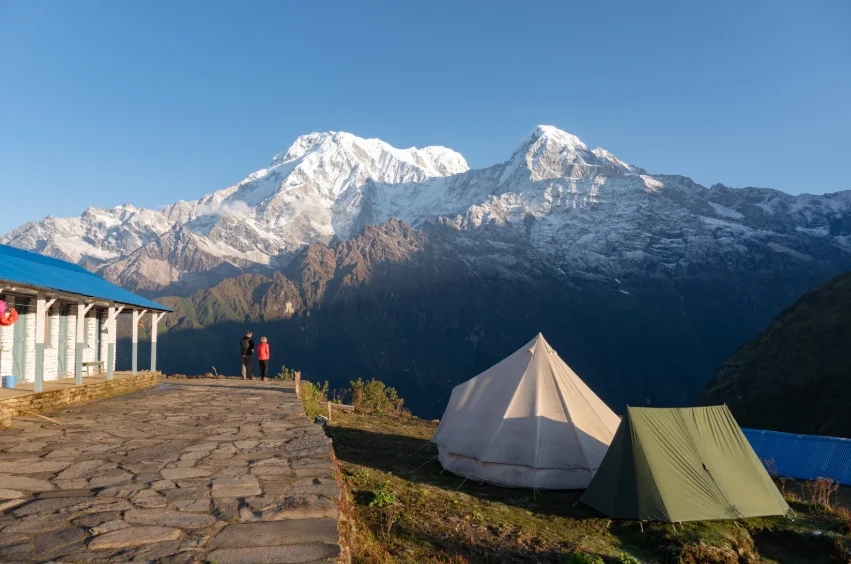
  • 04 nights in mountain teahouses (twin-sharing basis).
  • All meals during trek (breakfast, lunch, dinner).
  • 3 times Regular Tea/coffee during all meals on trek.

Transportation

  • Private Vehicles(arrival and departure), sightseeing as per itinerary.
  • Kathmandu to Pokhara using Private Transfer
  • Private transfers to Pokhara - Kande, Sidding- Pokhara
  • Airfare - Pokhara to Kathmandu ( tax included )

Professional Guide & Porter Service

  • Experienced English-speaking Trekking guide.
  • Porter service (1 porter for 2 trekkers, max 25kg).
  • Guide and porter insurance, meals, and accommodation.
  • Comprehensive first aid kit with guide.

Permits & Documentation

  • TIMS (Trekkers' Information Management System) card.
  • Annapurna Conservation Area Permit (ACAP)
  • All government taxes and fees.

Price Excludes

Personal Expenses

  • International airfare to/from Nepal
  • Nepal entry visa fees ($30-50)
  • Travel and medical insurance (mandatory)
  • Personal trekking equipment and gear
  • Extra night accommodation due to early arrival/late departure

Additional Costs During Trek

  • Hot showers in teahouses
  • WiFi and battery charging
  • Laundry services
  • Hot drinks and snacks outside planned meals
  • Alcoholic beverages and soft drinks

Optional Services

  • Helicopter rescue in emergency (insurance should cover)
  • Additional porters for personal items
  • Single room supplements
  • Tips for guide and porters
  • Photography/video fees at monasteries
Mardi Himal Trek Itinerary

Day 1: Arrival in Kathmandu (1,400 m)

  • Welcome to Tribhuvan International Airport.

  • Transfer to hotel, trip briefing & preparation.

  • Evening free to explore Thamel.

Overnight in Kathmandu.

Day 2: Drive to Pokhara (822 m) – 6–7 hrs drive / 30 min flight

  • Scenic journey along the Trishuli and Marsyangdi rivers.

  • Evening stroll around Lakeside Pokhara.

Overnight in Pokhara.

Day 3: Drive to Kande (1,770 m) & Trek to Deurali (2,100 m) – 3-4 hrs trek

  • Short drive to Kande. (Approx. 1 hour drive)

  • Trek uphill through forested trail to Australian Base Camp, a famous viewpoint.

  • Trek to Pitam Deurali via Pothana.
  • Stunning panorama of Annapurna South, Hiunchuli & Machhapuchhre.

Overnight at Deurali.

Day 4: Trek to Low Camp (2,600 m) – 5–6 hrs

  • Gradual walk through dense rhododendron & oak forest.

  • Lunch at Forest Camp
  • Quiet trails with occasional glimpses of mountains.

Overnight at Low Camp

Day 5: Trek to High Camp (3,550 m) – 6 hrs

  • Trek uphill via  Badal Danda ridge.

  • The tree line ends, opening up spectacular views of Mardi Himal, Annapurna & Fishtail.

Overnight at High Camp.

Day 6: Trek to Mardi Himal View Point (4,200 m) & Back to Low Camp (2,990 m) – 6–7 hrs

  • Early Morning hike to Mardi View Point / Mardi Base Camp. ( 2 hrs hike)
  • Lunch at High Camp / Badal Danda

  • Trek to Low Camp.
  • The tree line ends, opening up spectacular views of Mardi Himal, Annapurna & Fishtail.

Overnight at Low Camp.

Day 7: Trek to Siding Village (1,700 m) – 5 hrs. Drive back to Pokhara - 3 hrs.

  • Descend through beautiful forest and traditional Gurung settlements.

  • Experience authentic village life away from the busy trails.

  • Drive back to Pokhara. (Approx. 2-3 hrs drive.)

  • Relax at Lakeside, with optional boating at Phewa Lake.

Overnight in Pokhara.

Day 8: Rest Day at Pokhara (822 m)

  • Rest Day at Pokhara.

  • Relax at Lakeside 

  • Optional Add-ons: Full day sightseeing in Pokhara.

Overnight in Pokhara.

Day 9: Fly to Kathmandu (1,400 m) – 6–7 hrs drive / 30 min flight

  • Return journey to Kathmandu.

  • Free evening for last-minute shopping or cultural exploration.

Overnight in Kathmandu.

Day 10: Final Departure

Transfer to the airport for the onward journey

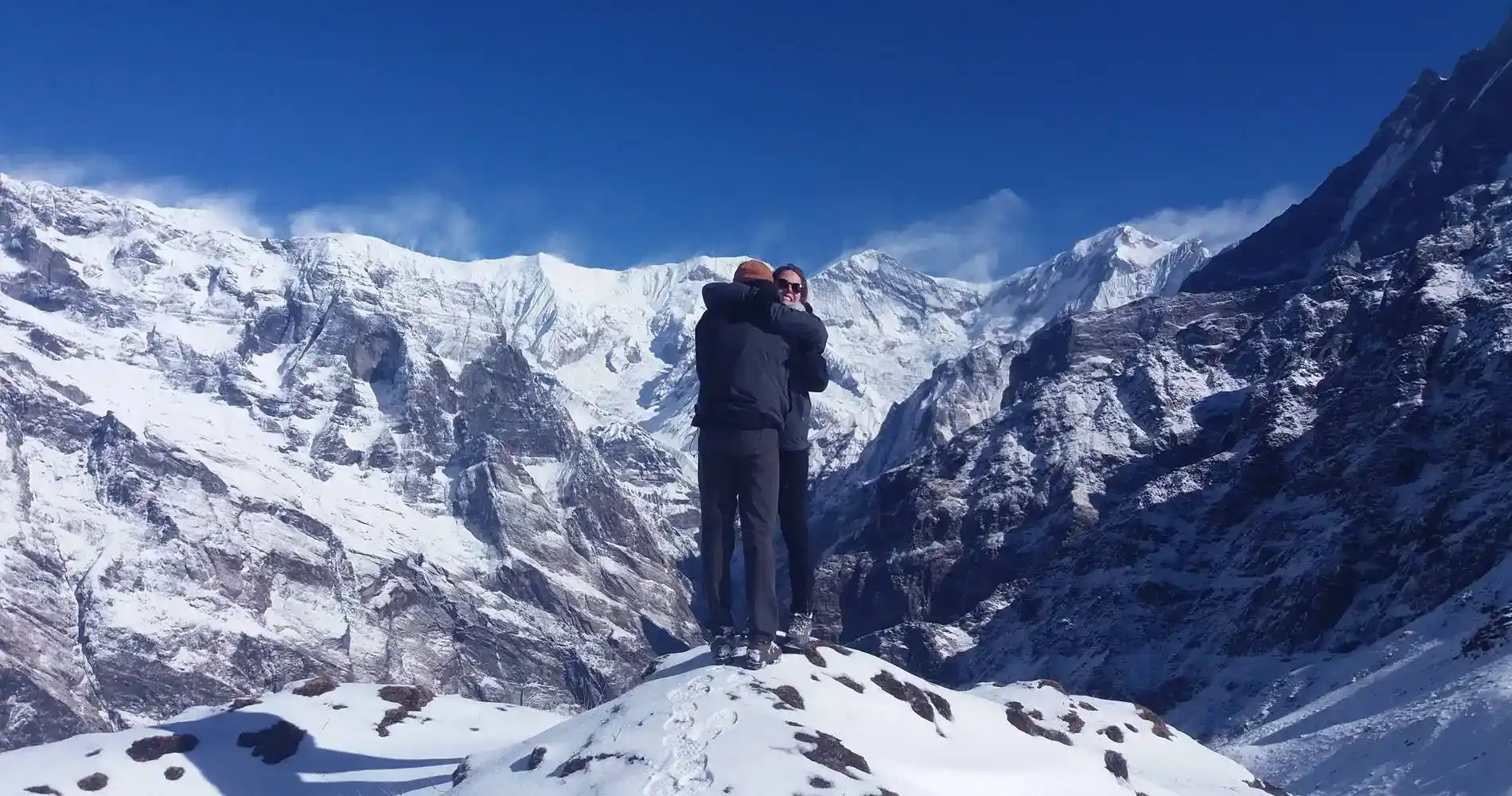
Mardi Himal Trek Photos

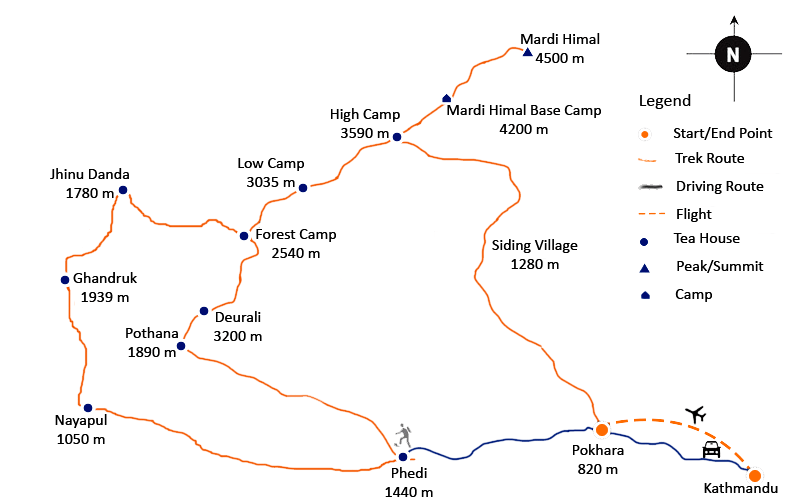
Mardi Himal Trek Map

Highlights of Mardi Himal Base Camp Trek

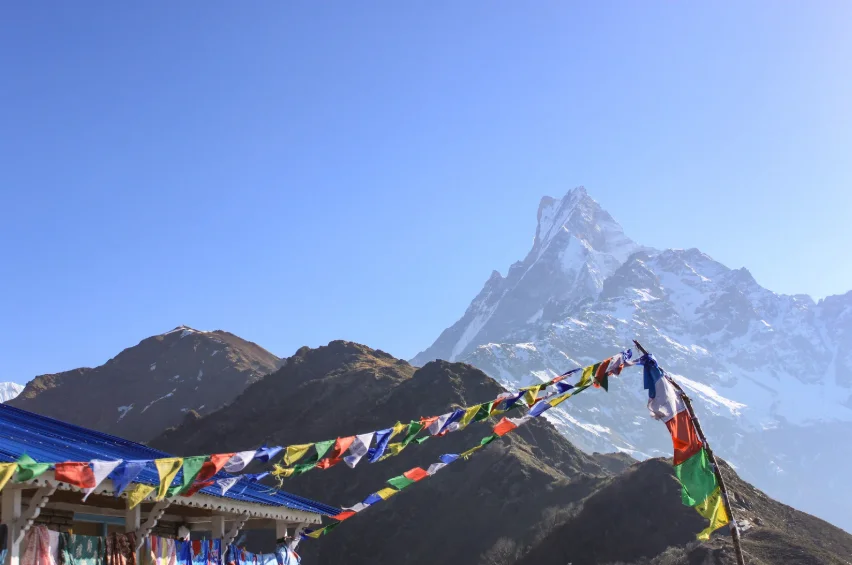
  • Panoramic views of Mount Machapuchare (Fishtail) and Annapurna Range
  • Trek through lush rhododendron forests and pristine alpine landscapes
  • Experience traditional Gurung villages and warm Nepali hospitality
  • Reach the serene Mardi Himal Base Camp at 4,500 meters altitude
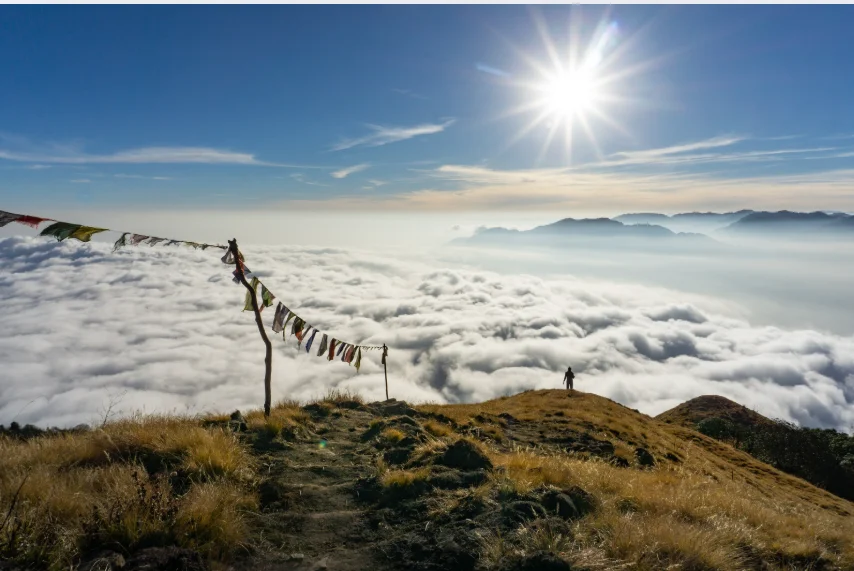
  • Spectacular sunrise and sunset views from Mardi Himal viewpoint
  • Moderate trek suitable for beginners and experienced hikers
  • Stay in cozy mountain teahouses with authentic local cuisine
  • Opportunity to spot diverse Himalayan wildlife and birds
  • Easy access from Pokhara with jeep/bus to trailhead at Phedi

Best Season to Trek Mardi Himal — Weather Guide

Choosing the best time to trek the Mardi Himal Trek in Nepal can make or break your adventure. While this hidden gem in the Annapurna region is accessible year‑round, some seasons stand out for unbeatable views, comfortable hiking weather, and clear mountain panoramas.

Spring (March to May)


Spring is one of the most magical times to hike Mardi Himal. The trail comes alive with blooming rhododendron forests, vibrant wildflowers, and lush greenery. Temperatures are moderate, days are long, and the scenic beauty is at its peak — ideal for photographers and nature lovers. Clear skies often reward trekkers with spectacular views of Machapuchare (Fishtail) and the Annapurna range from multiple vantage points.

Autumn (September to November)


Often considered the best season for Mardi Himal trekking, autumn boasts stable weather, crisp air, and almost zero haze. After the monsoon rains, trails are refreshed and visibility of the towering Annapurna South, Hiunchuli, and Fishtail peaks reaches its best. This season is perfect for capturing dazzling sunrise and sunset colors over the Himalayas.

Winter (December to February)


Winter offers a quieter trek with far fewer hikers on the trail. Snow blankets higher elevations, turning the trek into a serene winter hike. However, temperatures drop significantly, especially near Mardi Himal Base Camp, and proper cold‑weather gear is essential.

Monsoon (June to August)


Heavy rains transform the landscape into emerald green splendor, but trails become muddy and slippery, and landslides are a risk in some areas. Monsoon is not recommended for typical trekking itineraries unless you are seeking solitude and have excellent rain gear and waterproof boots.


Highlights of the Mardi Himal Trek — Why It’s Special

The Mardi Himal Trek is a moderately challenging, less crowded trekking route in Nepal that offers a raw Himalayan experience without the heavy foot traffic of the Annapurna Base Camp or Everest trails.

Spectacular Mountain Views


From Mardi Himal Base Camp, you’ll enjoy close‑up, jaw‑dropping vistas of Machapuchare (Fishtail), Annapurna South, Hiunchuli, and other peaks in the Annapurna massif. These panoramic mountain scenes are unforgettable and a major reason travelers choose this trek.

Diverse Natural Landscapes


The trail is a photographer’s dream: trek through dense rhododendron, oak, and bamboo forests, delicate alpine meadows, and serene ridgelines. The shift in ecosystems — from subtropical lower valleys to alpine high camps — is part of the allure.

Authentic Local Culture


You’ll pass through traditional Gurung and Magar villages like Pothana and Forest Camp, where warm hospitality and simple teahouse accommodations create intimate cultural encounters. Visit traditional homes, share dal bhat with locals, and learn about mountain life off the beaten path.

Rewarding Yet Accessible Trek


Rated a moderate trek in Nepal, Mardi Himal is perfect for hikers seeking a Himalayan adventure with breathtaking views but without the extreme difficulty of longer expeditions. Most daily hiking hours are manageable, and acclimatization is gradual and sensible for trekkers of varying experience levels.


Ultimate Mardi Himal Trek Packing List — What to Bring

Packing for the Mardi Himal trek requires careful planning and gear that adapts to variable mountain weather. Below is a detailed high‑altitude trekking gear list that seasoned hikers recommend:

Clothing & Layers

  • Moisture‑wicking base layers (tops & bottoms) — no cotton

  • Breathable, quick‑dry trekking shirts and pants

  • Insulating fleece jacket or down jacket for chilly mornings

  • Waterproof and windproof outer shell jacket & pants

  • Warm hat, gloves, buff/neck gaiter

Footwear

  • Sturdy, comfortable trekking boots with ankle support

  • Camp shoes or sandals for evenings at teahouses

  • Multiple pairs of high‑quality trekking socks

Essentials

  • 30–40L daypack with rain cover

  • Sleeping bag rated for cold weather (can be rented in Pokhara)

  • Trekking poles for stability on uneven terrain

  • UV‑blocking sunglasses and high‑SPF sunscreen

  • Headlamp and spare batteries

  • Water purification tablets or filter

Safety & Health

  • Personalized first aid kit with altitude sickness meds

  • Lip balm with SPF, blister care, pain relievers

  • Enough cash in Nepali rupees (no ATMs on the trail)

Optional, But Highly Recommended

  • Power bank or solar charger

  • Camera or GoPro for breathtaking Himalayan shots

  • Journal or notebook for memories

Mardi Himal Trek FAQs

What is the best season to do the Mardi Himal Base Camp Trek?

Spring (March–May) and autumn (September–November) offer the clearest skies and best mountain views. Spring adds blooming rhododendron forests, while autumn has the most stable weather overall.

How much does the Mardi Himal Base Camp Trek cost?

Our 10-day Mardi Himal Base Camp Trek package starts from $1,065 per person, including Kathmandu/Pokhara hotels, all trek meals, teahouse accommodation, a licensed guide, and required permits. International flights, travel insurance, and personal expenses are not included.

What is included in the Mardi Himal Base Camp Trek package?

The package covers airport transfers, hotel stays in Kathmandu and Pokhara, all meals during the trek, teahouse lodging, a licensed English-speaking guide, porter service, and all permit fees (ACAP and TIMS).

How difficult is the Mardi Himal Base Camp Trek, and how fit do I need to be?

It’s rated a moderate trek — no technical climbing skills are needed, but you should be able to walk 5–7 hours a day on steep, uneven trails for several consecutive days. A few weeks of cardio and hiking prep beforehand is recommended, especially if you have no prior trekking experience.

How long does the Mardi Himal Base Camp Trek take, and how far is it?

Our standard itinerary is 10 days including Kathmandu arrival and departure days, with 6–7 days of actual trekking. The trek covers roughly 41–45 km round trip from the trailhead near Pokhara.

What is the highest altitude reached on the Mardi Himal Base Camp Trek?

The trek reaches Mardi Himal Base Camp at 4,500 meters (14,764 feet), the highest point on the route.

Do I need a special permit for the Mardi Himal Base Camp Trek, and what does it cost?

Yes — you’ll need an ACAP (Annapurna Conservation Area Permit), around NPR 3,000 (~$25–30), and a TIMS card, around NPR 2,000 (~$20). Both are arranged for you and included in our package price.

Can I trek Mardi Himal Base Camp without a guide, or go solo?

As of April 2026, a licensed guide is mandatory for all foreign trekkers in the Annapurna Conservation Area, including Mardi Himal. Solo trekkers are welcome, but you’ll need to hire a guide — we can arrange this even for independent travelers who don’t want a full group package.

What kind of accommodation is available on the Mardi Himal Base Camp Trek?

You’ll stay in comfortable hotels in Kathmandu and Pokhara, and in basic but cozy teahouses along the trail, offering a bed, blanket, and shared or private bathrooms depending on altitude.

What kind of food can I expect on the Mardi Himal Trek?

Teahouses serve a mix of Nepali staples like dal bhat (lentils, rice, vegetables) and momos, alongside Western options like pancakes, noodles, and soups. Menu variety narrows slightly at higher altitudes, but meals remain hearty and energy-dense throughout.

What wildlife might I see on the Mardi Himal Trek?

The Annapurna Conservation Area is home to Himalayan black bears, langur monkeys, various pheasant species, and occasionally red pandas at higher elevations, though sightings aren’t guaranteed.

Is there mobile network coverage on the Mardi Himal Base Camp Trek?

Coverage is patchy — expect reasonable signal in lower villages, weakening as you climb. Most teahouses offer paid Wi-Fi ($2–5/hour), though it can be slow at higher camps.

What should I pack for the Mardi Himal Base Camp Trek?

Essentials include layered clothing, a warm down jacket, trekking boots, a sleeping bag rated for sub-zero temperatures, trekking poles, and sun protection. See our full packing list below for the complete checklist.

Is altitude sickness a concern on the Mardi Himal Trek?

At 4,500m there’s a moderate risk, though lower than treks like Everest Base Camp. Trekking at a steady pace, staying hydrated, and following your guide’s acclimatization advice significantly reduces the risk.

Are there any cultural sites on the Mardi Himal Trek?

Yes — the trail passes through traditional Gurung and Magar villages, giving you a firsthand look at Himalayan mountain culture, local farming life, and small monasteries along the route.

How safe is the Mardi Himal Base Camp Trek?

It’s considered one of the safer moderate treks in Nepal, with well-marked trails, regular teahouses, and no technical or glacier sections. A licensed guide adds an extra layer of safety for navigation and altitude monitoring.


Do I need travel insurance for the Mardi Himal Base Camp Trek?

Yes, we require all trekkers to have travel insurance covering high-altitude trekking up to at least 5,000m, including emergency evacuation.

Can children do the Mardi Himal Base Camp Trek, and is it beginner-friendly?

Yes — its moderate grading and teahouse comfort make it one of the more accessible treks in Nepal for both children (with reasonable fitness) and first-time trekkers, especially compared to longer routes like Annapurna Base Camp or Everest Base Camp.

Get Latest Updates By Subscribing To Our Newsletter

From$1,065
Book Now