Ready to explore the hidden Limi Valley?
Contact us on WhatsApp: +977 9851410929
EXCELLENT Based on 20 reviews Posted on Google David HankeTrustindex verifies that the original source of the review is Google. Our travel with Nepal Adventure Trail was outstanding. Porgi was the best guide one could ask for. And the way we experienced Tibet as a family was one of our favorite trips ever. I would highly recommend this company for the full experience of traveling in Tibet. David U.S.A.Posted on Google Michael EisenbachTrustindex verifies that the original source of the review is Google. I went to Nepal with two of my sons, and the 12-day trip organized by Nepal Adventure Trail was absolutely fantastic. The itinerary was diverse and well-balanced, including guided tours of Kathmandu and Pokhara, a thrilling jungle safari on foot in Chitwan, and a breathtaking 3-day trek to the Australian Camp in the Himalayas. We were fortunate to have two superb guides, one for Kathmandu and Chitwan, and another for Pokhara and the trek. Both of them were knowledgeable, friendly, and attentive. This journey left us deeply impressed and eager to return to Nepal. Highly recommended!Posted on Google markov40plusTrustindex verifies that the original source of the review is Google. Хорошая компания исполняющая взятые на себя обязательства. Путешествовать с ними большое удовольствие!Posted on Google suzanne leza benadieTrustindex verifies that the original source of the review is Google. I have had a long standing business relationship with the team at Nepal Adventure Trail. A very porfessional company that offers a wide range of tourism services. I highly recommend them for planning and executing unique itineraries.Posted on Google Purushottam DawadeeTrustindex verifies that the original source of the review is Google. Nepal Adventure Trail is one of the best companies I’ve ever worked with. We had an incredible experience with this trail, During our trip to Annapurna Base Camp on April-May, 2025. Very good experience, robust knowledge and friendly staff who helped us every aspect of our journey and mission. Mr. Sapkota, pragya & his entire team is dedicated and very professional. I would strongly recommend that if you’re interested doing something interesting like Hiking, trekking or exploring nature of virgin mountain, please go ahead with this company.Posted on Google Sanjeeb SubediTrustindex verifies that the original source of the review is Google. Amazing EBC trek was organised by Nepal Adventure Trail for us (a group of friends from London) in March 2025. As you can imagine, when there are 8 individuals, 16 different ideas pop ups and the company was accommodating our changes while going through such as change from standard route to Cho La Pass and via Gokyo Lake, arranging helicopter ride back Kathmandu and getting refund to airline ticket from Lukla.... It was an once in lifetime achievement for me and thanks for making my dream true and helping on the way through.Posted on Google Gregory BolotinTrustindex verifies that the original source of the review is Google. My wife, our friends, and I had the most unforgettable adventure trip to Mustang, Nepal last year, and it was all thanks to the exceptional organization and accompaniment of Nepal Adventure Trail. This company truly delivered everything they promised, seamlessly blending adventure, comfort and exploration. The 12 days itinerary was perfectly crafted, utilizing jeeps which allowed us to cover significant ground and witness the breathtaking landscapes of the region. The inclusion of a thrilling short rafting experience and hiking added exciting dimension to our trip. What truly set Nepal Adventure Trail apart was their incredible team. Our guide Progi and drivers were not just professionals, they were passionate, knowledgeable, and genuinely cared about ensuring every member of our group of 9 had a safe, enjoyable and enriching journey. They handled all logistics with remarkable efficiency, from accommodations to meals. Their local insights brought the history, culture and traditions of Nepal and specifically Mustang region to life, making every stop more meaningful. If you are planning a trip to Nepal, especially an adventure like exploring Mustang, I would definitely recommend Nepal Adventure Trail. They go above and beyond to create personalized and memorable travel experiences.Posted on Google piki dayanTrustindex verifies that the original source of the review is Google. We had an unforgettable experience combining the Mustang Jeep Tour with the Ghorepani Trek, all arranged by Nepal Adventure Trail. The contrast between the rugged Mustang landscapes and the lush forests of Ghorepani was simply breathtaking. Everything was perfectly managed—from the comfy jeep rides to the peaceful mountain lodges. Our guide was knowledgeable, friendly, and made us feel safe and inspired every step of the way. Truly a once-in-a-lifetime journey!Posted on Google Karpachou / Карпачев МихаилTrustindex verifies that the original source of the review is Google. Progi is excellent guide and travel organizer!!! We traveled with him twice and have a very good service!Posted on Google Ajay AgrawalTrustindex verifies that the original source of the review is Google. Progi guided my group to Muktinath and was a thoughtful, considerate and knowledgeable guide. He was able to cater to all the diverse needs of the group expertly and always with a smile.Verified by TrustindexTrustindex verified badge is the Universal Symbol of Trust. Only the greatest companies can get the verified badge who has a review score above 4.5, based on customer reviews over the past 12 months. Read more
The Humla Limi Valley Trek is a 16-day journey into one of the most isolated corners of Nepal, tucked against the Tibetan border in the far-northwestern district of Humla. This is not a trail most trekkers ever hear about. Limi Valley was only opened to foreign visitors in 2002, and the government still limits the number of permits issued each year to protect its fragile ecosystem and centuries-old way of life.
The adventure begins with a flight from Kathmandu to Nepalgunj, followed by a short mountain flight into Simikot, the district headquarters of Humla and the true starting point of the trek. From here, the trail follows the Humla Karnali River upstream through villages like Dharapuri and Kermi, known for its natural hot springs, before climbing higher through Yalbang and its Namkha Khyung Dzong monastery, a respected center of Buddhist learning.
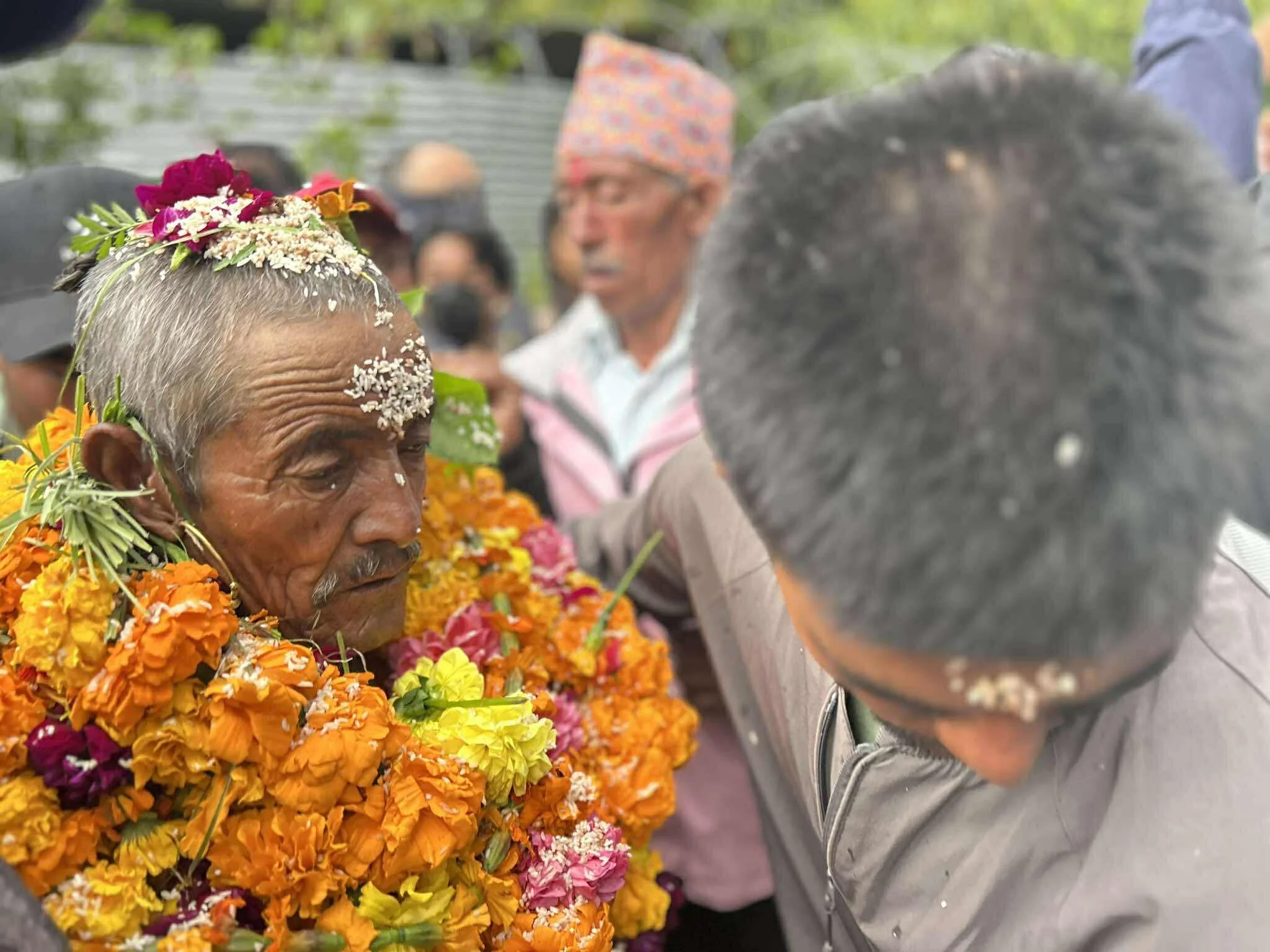
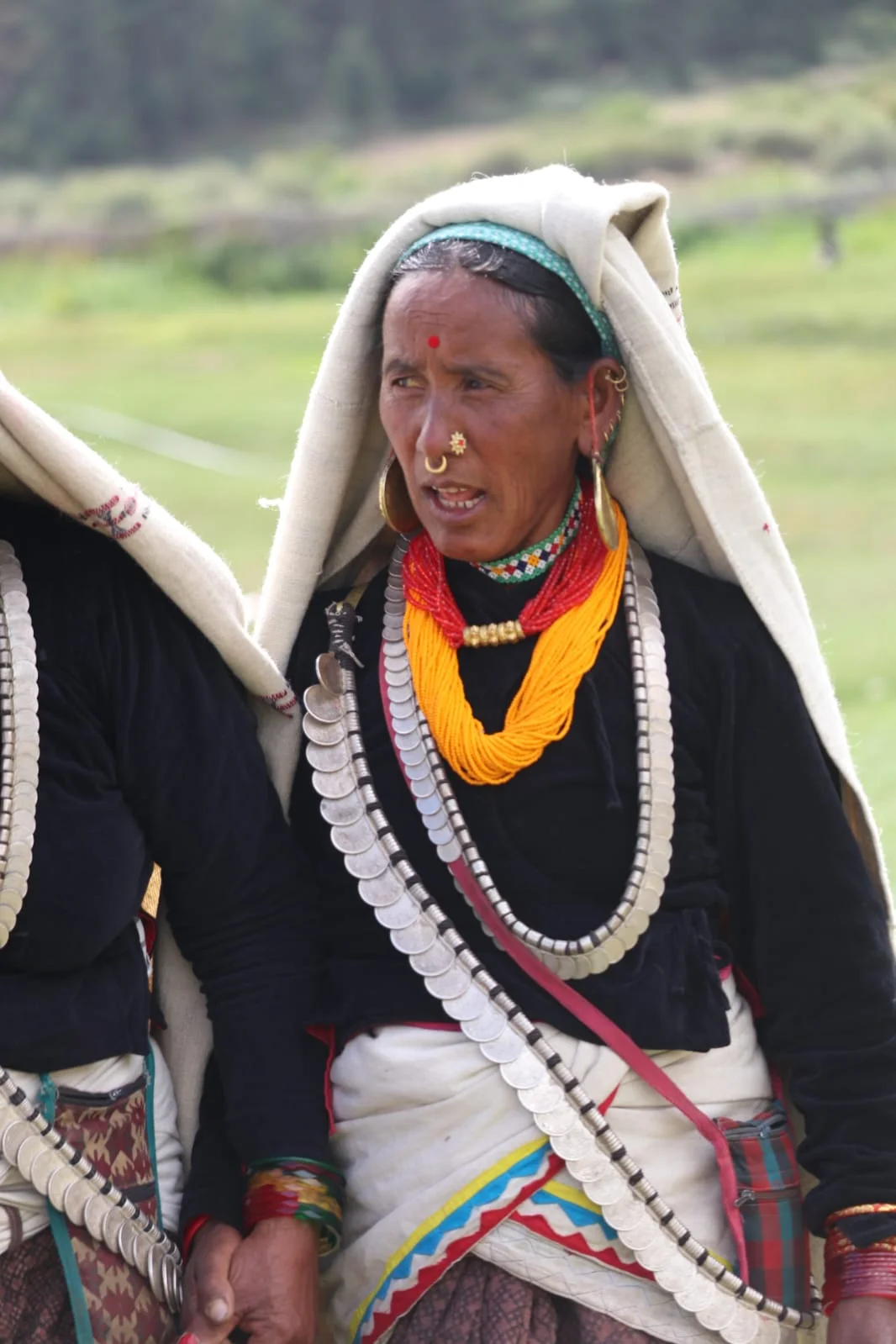
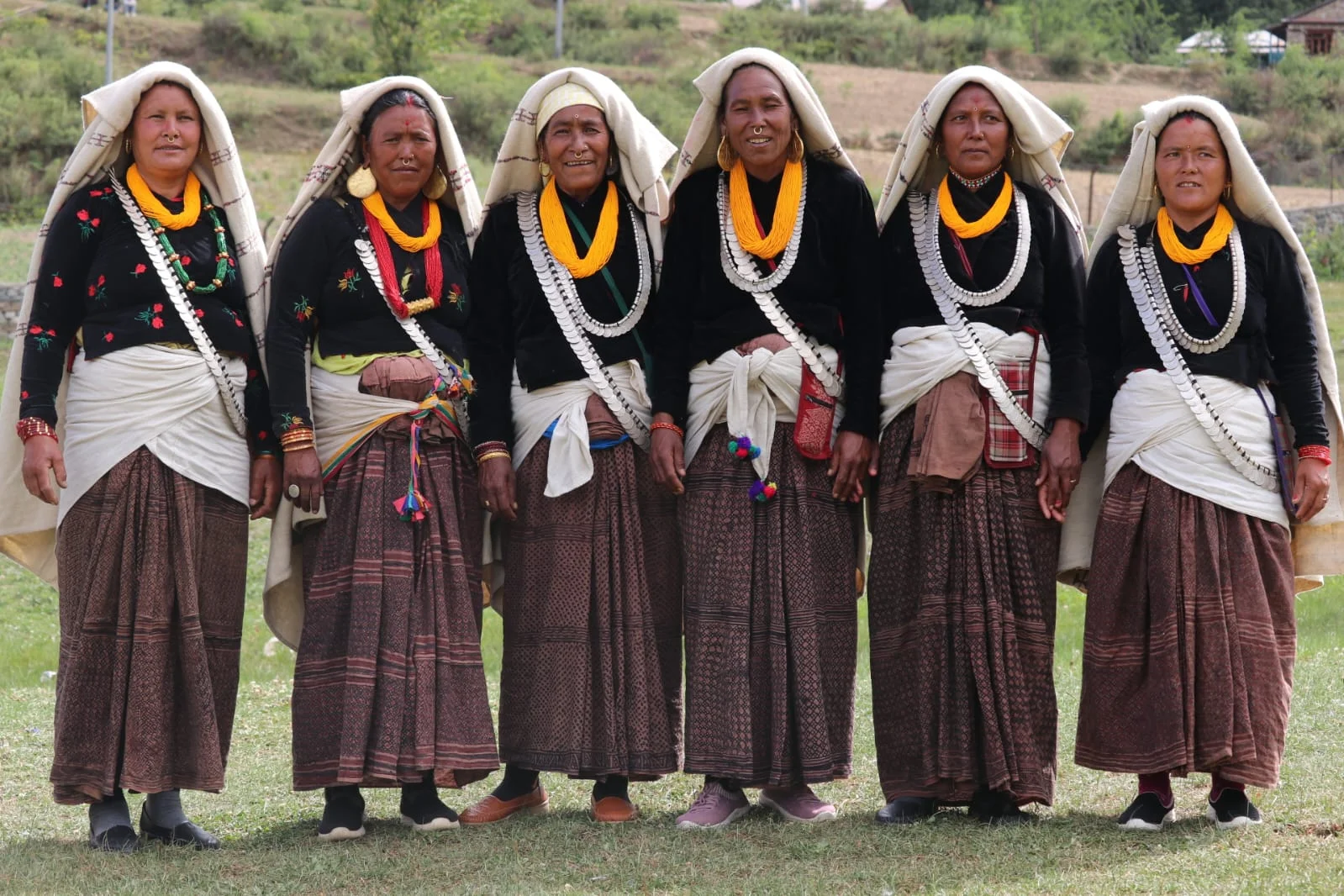
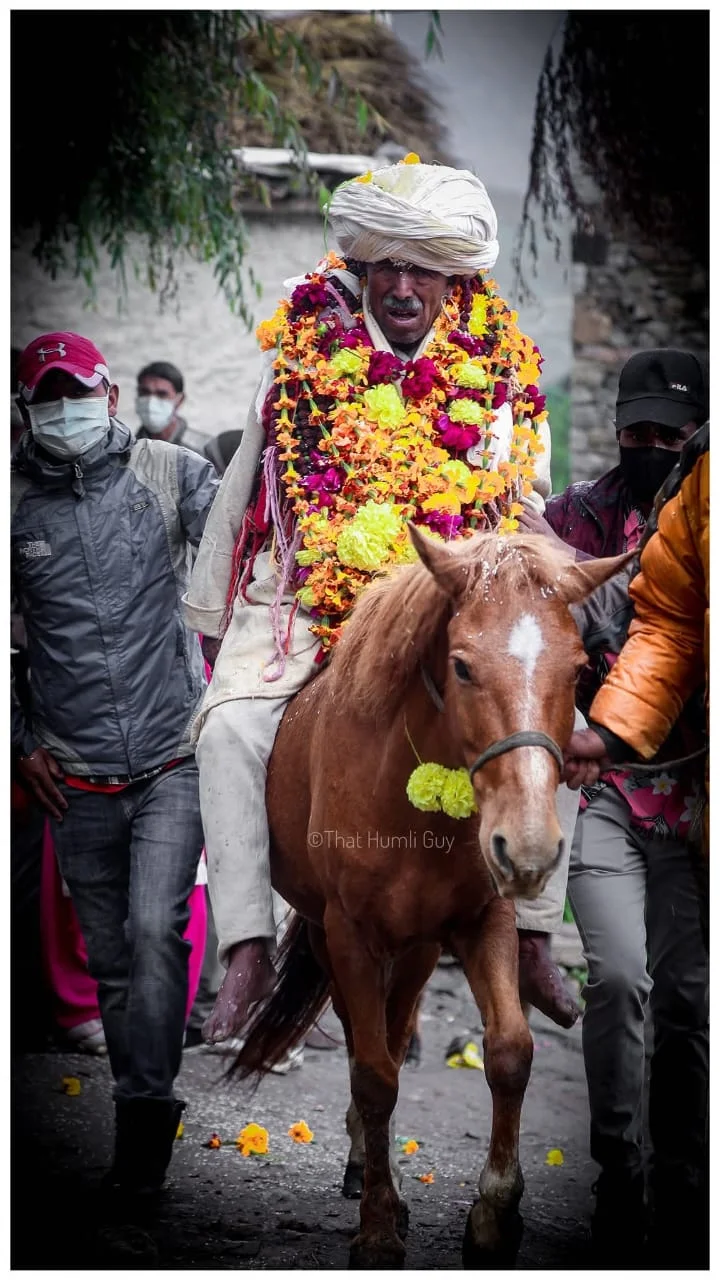
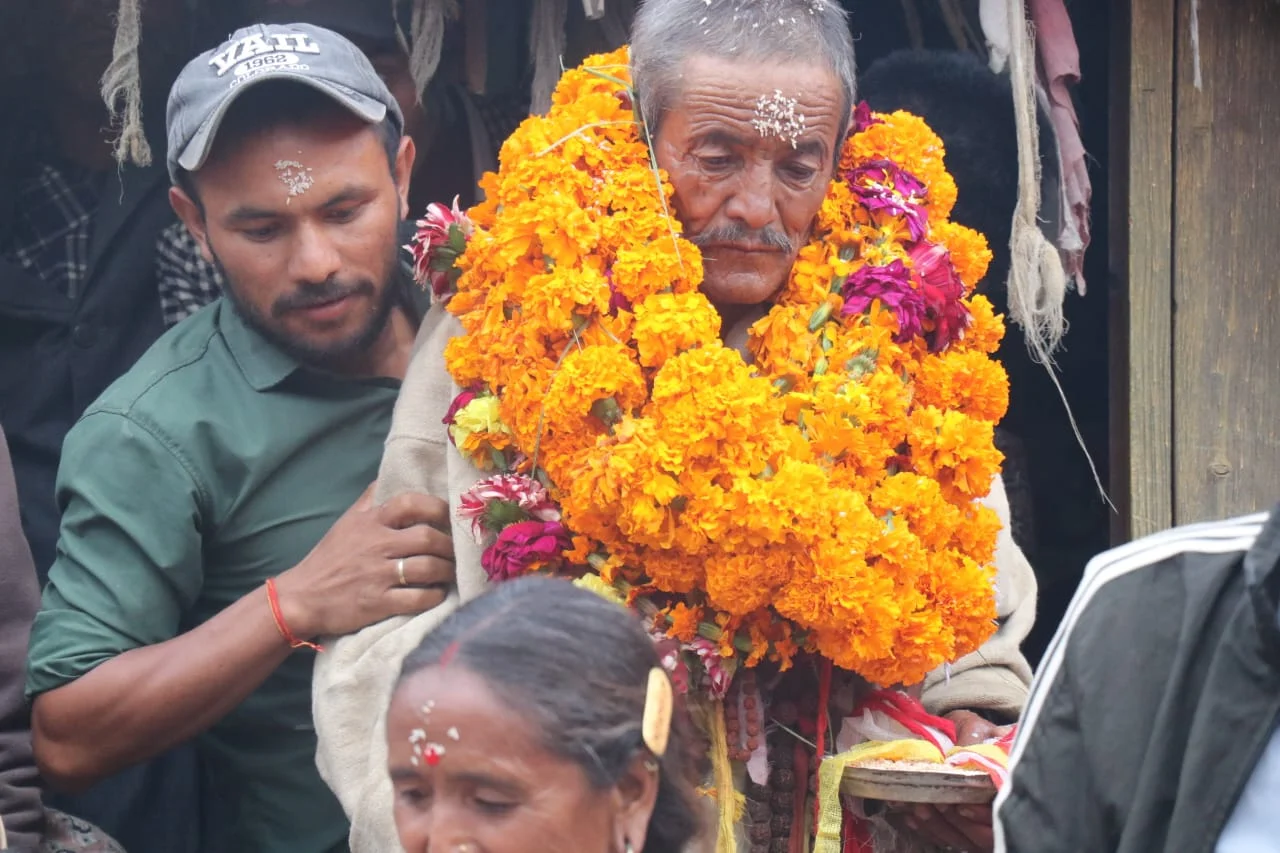
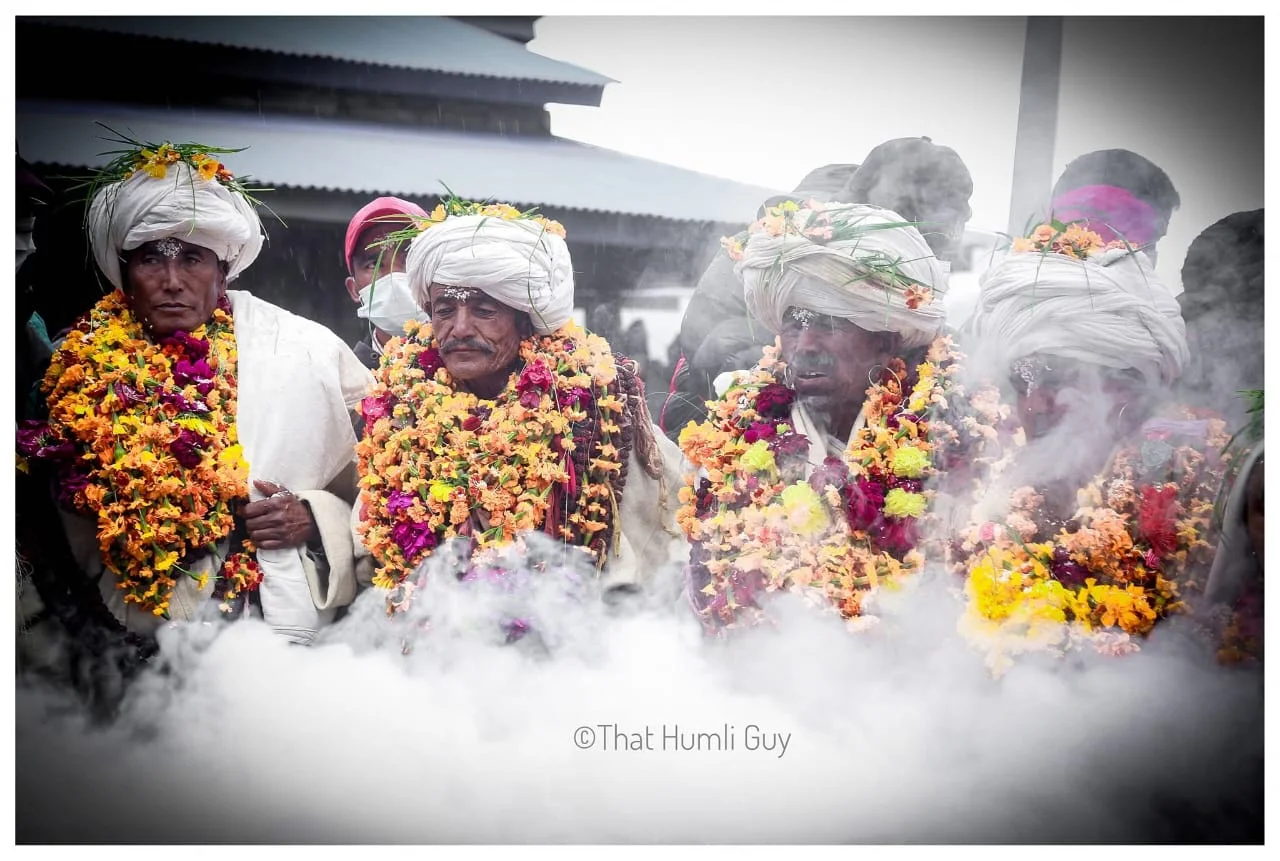
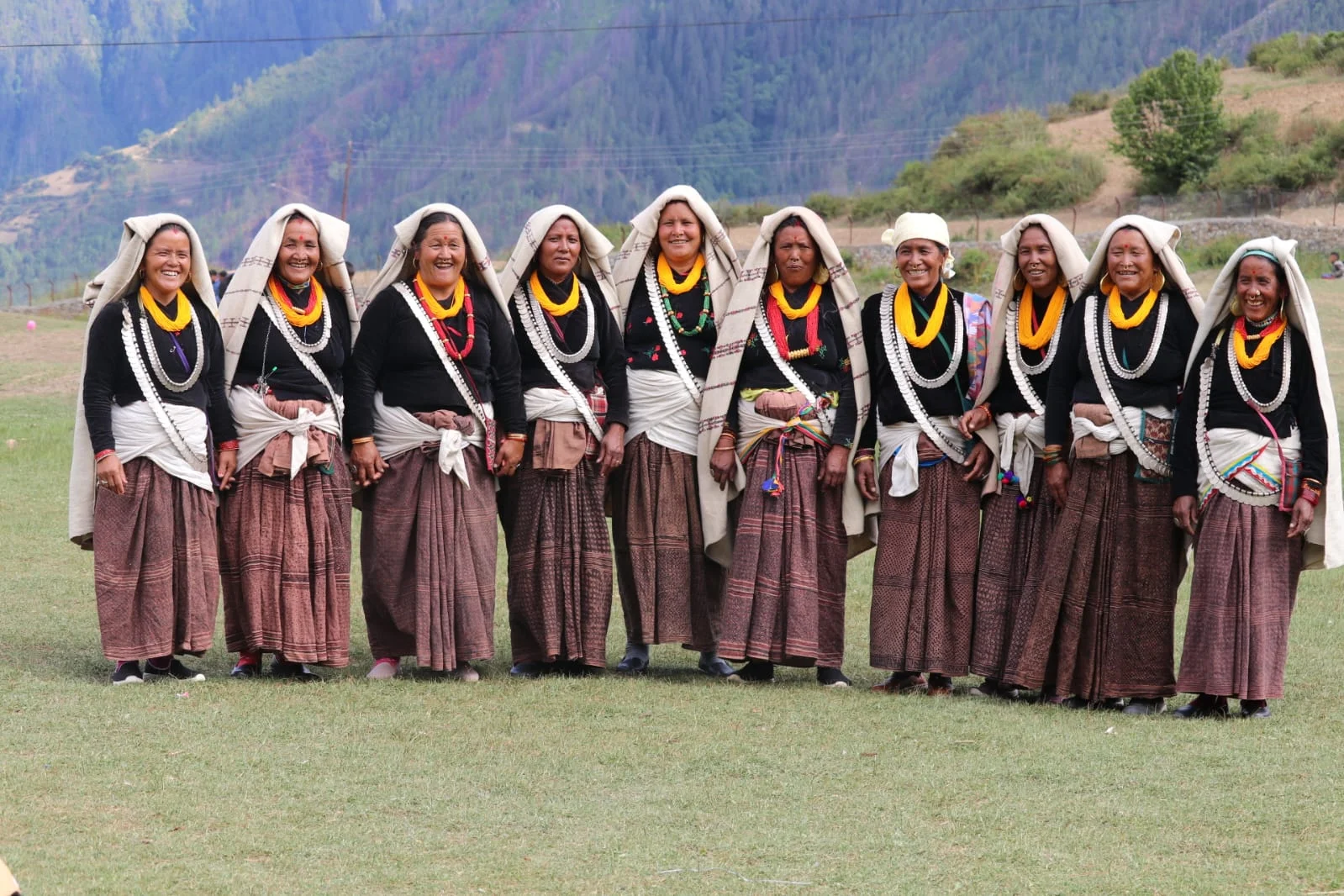
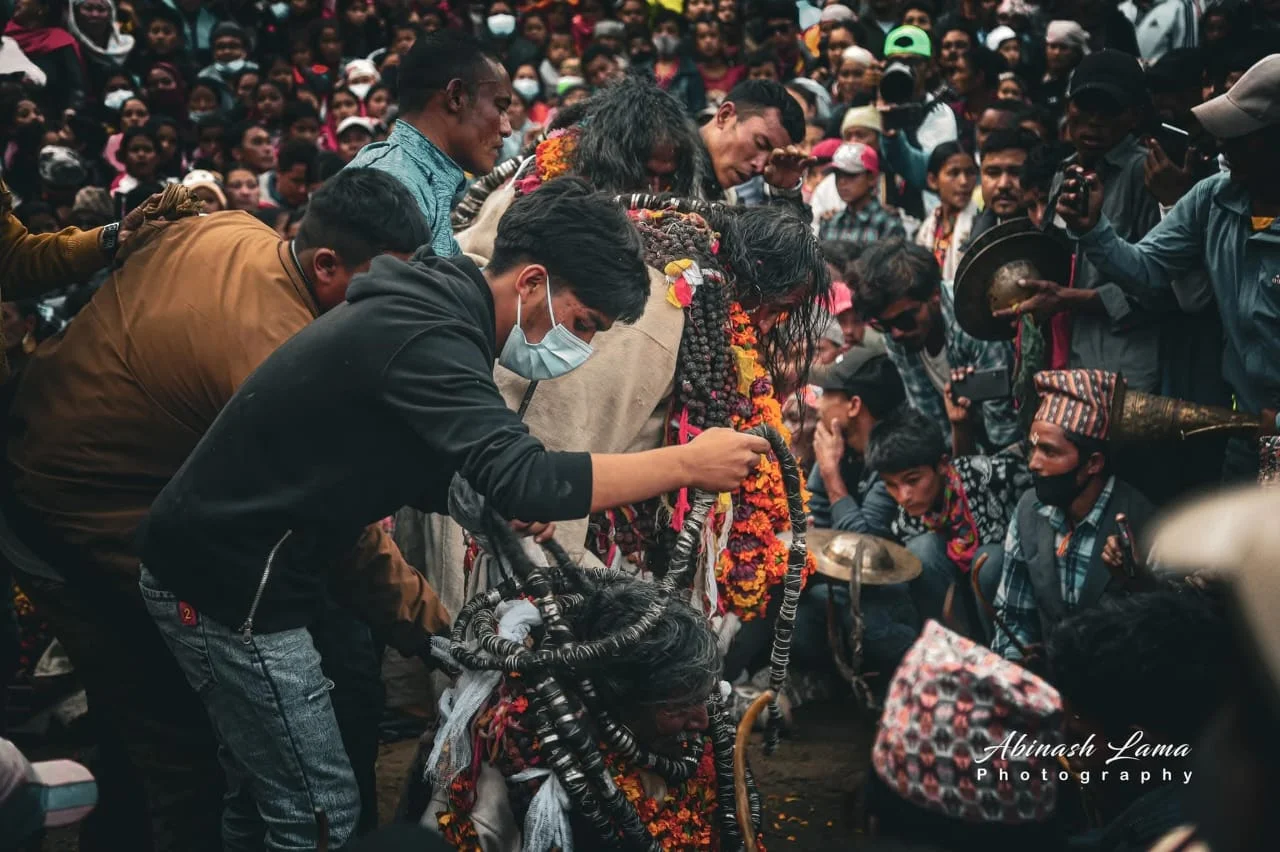
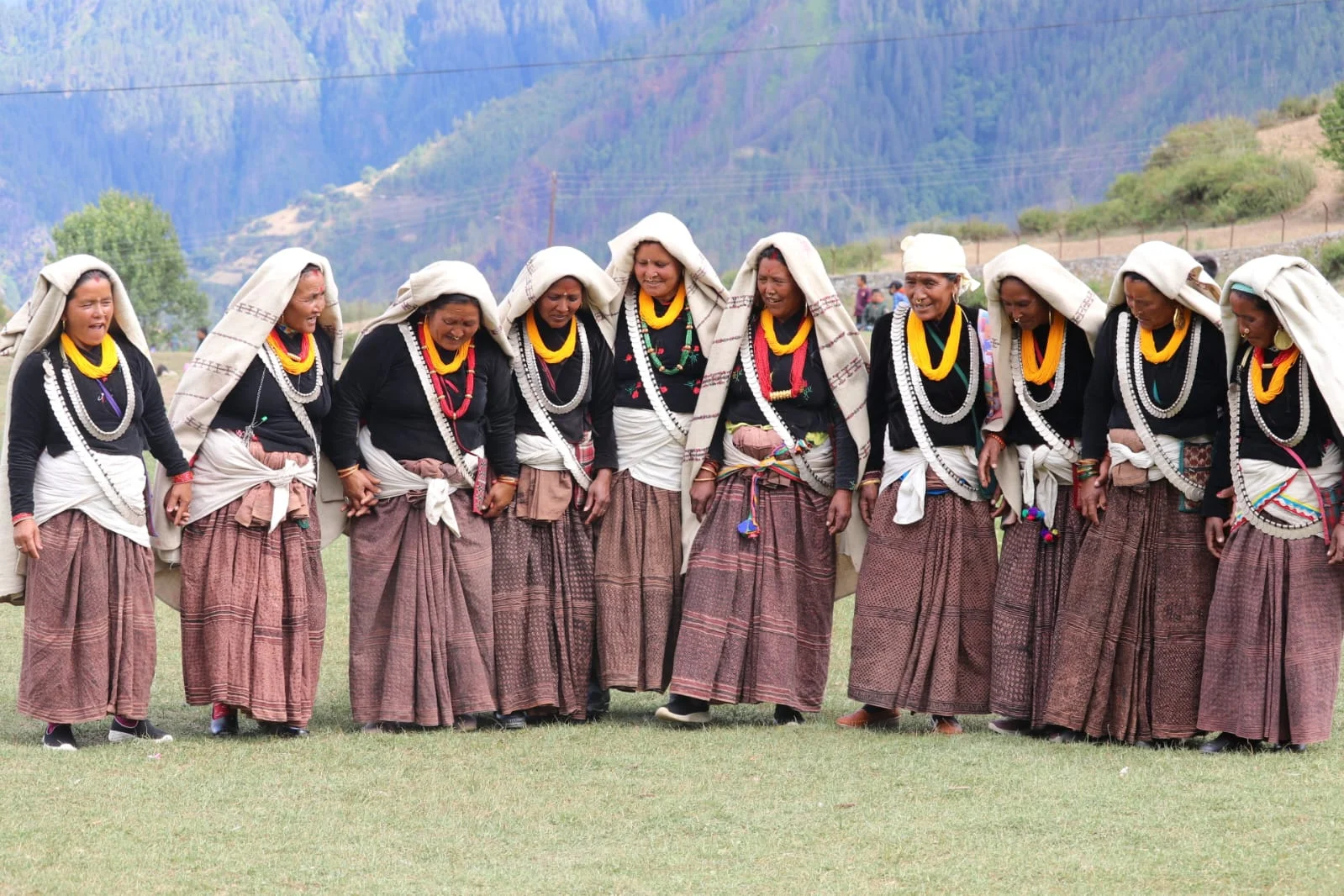
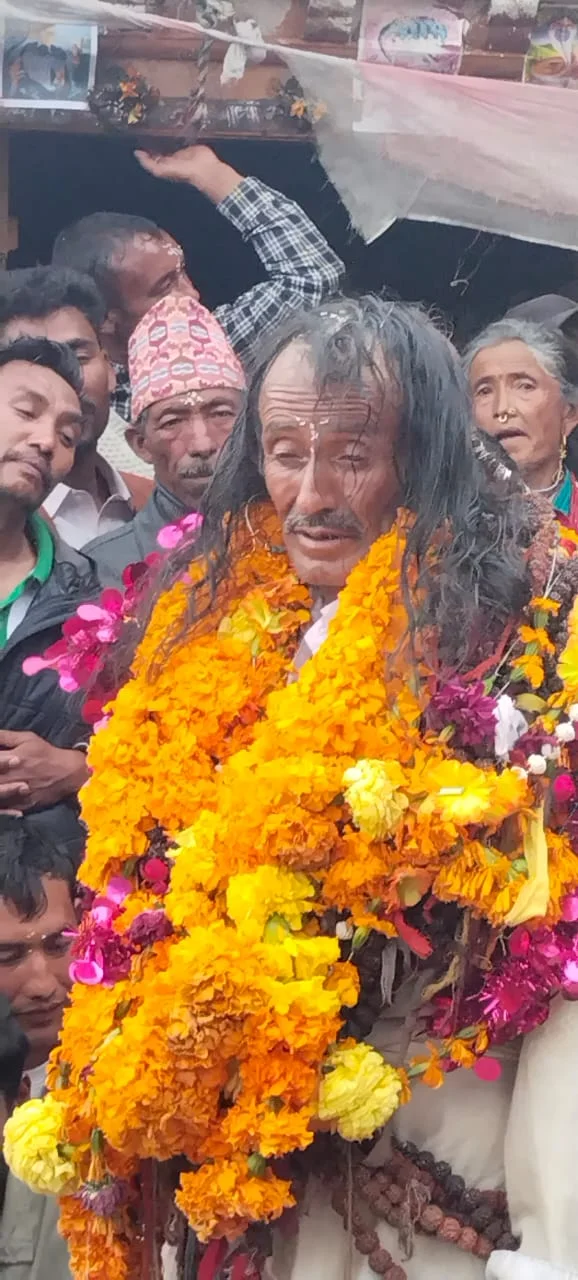
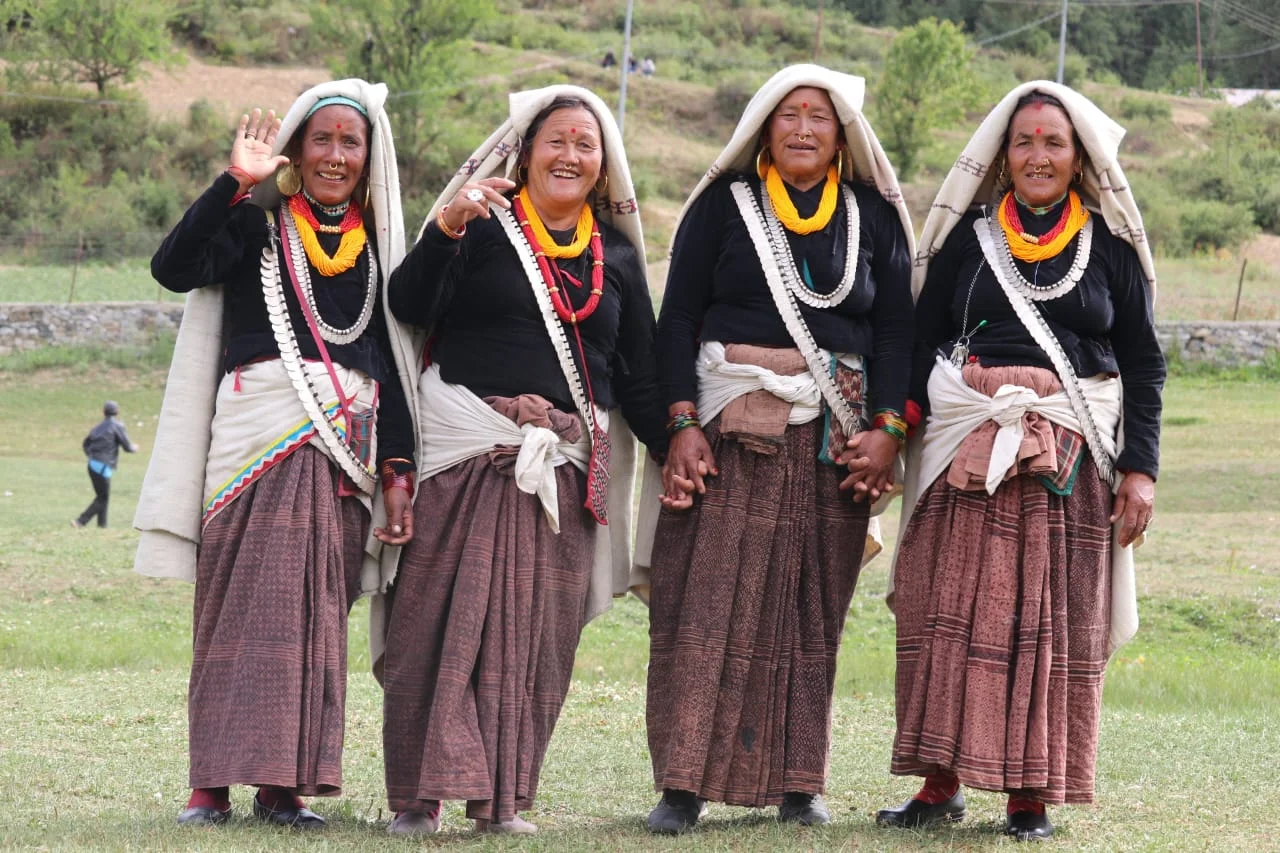
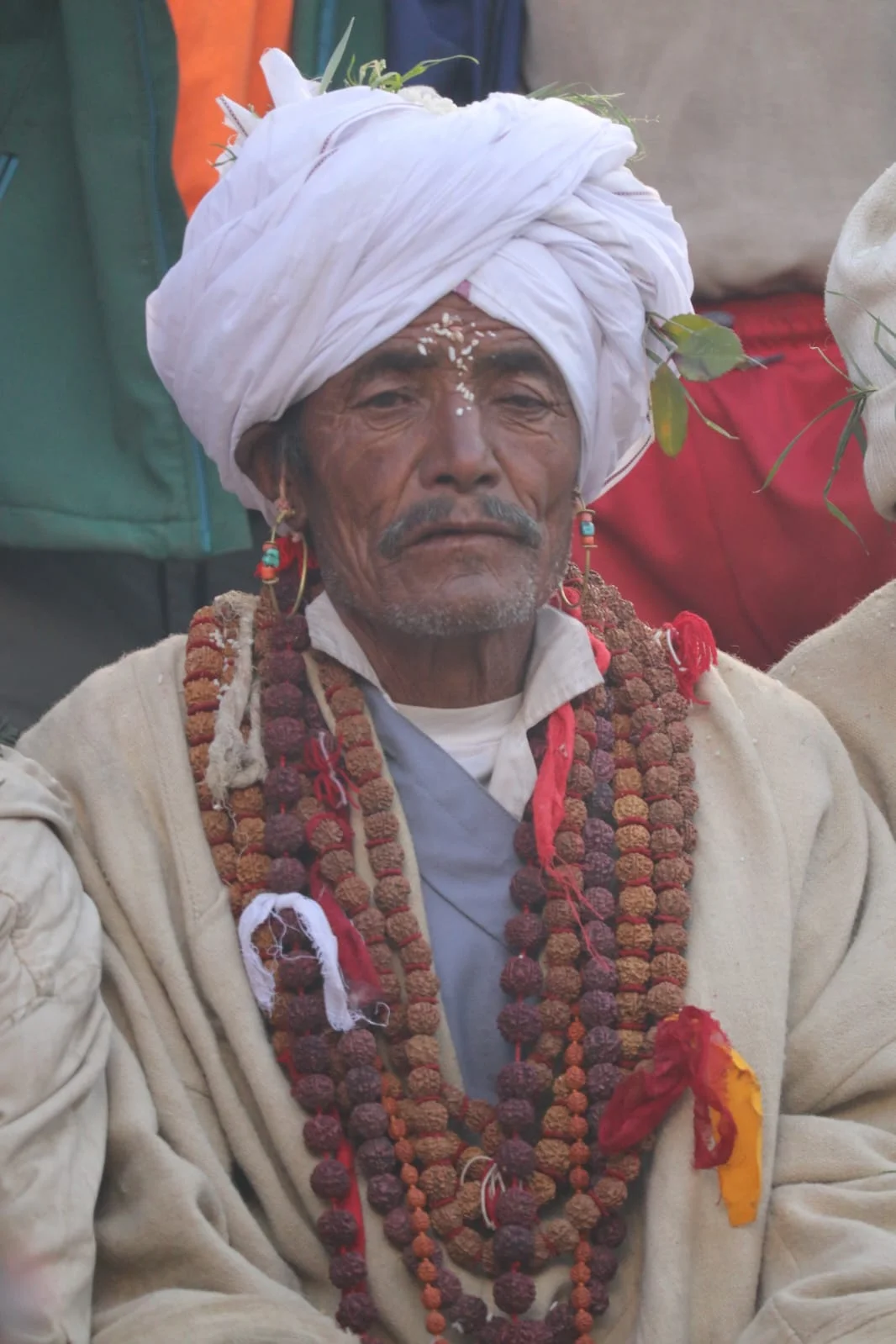
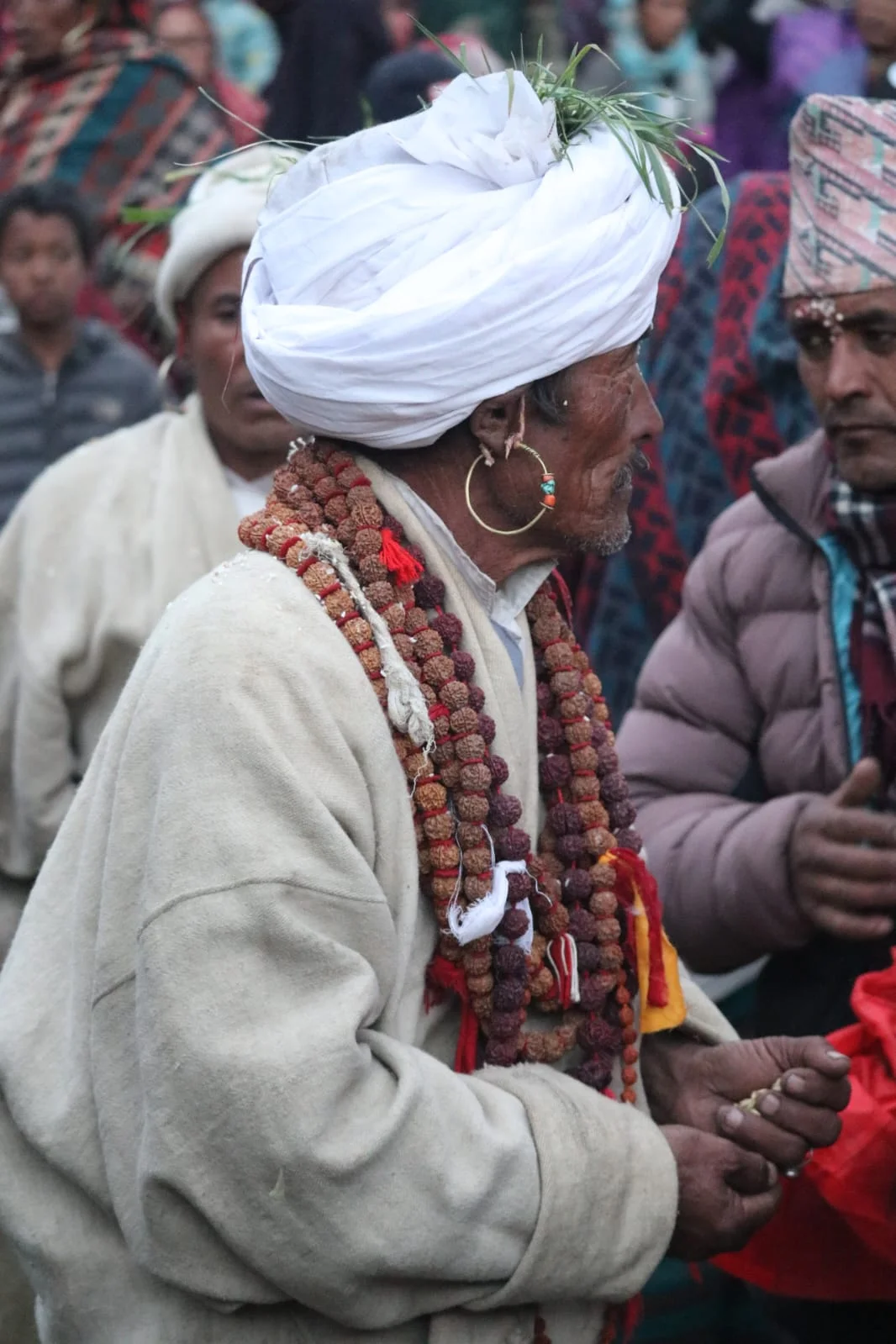
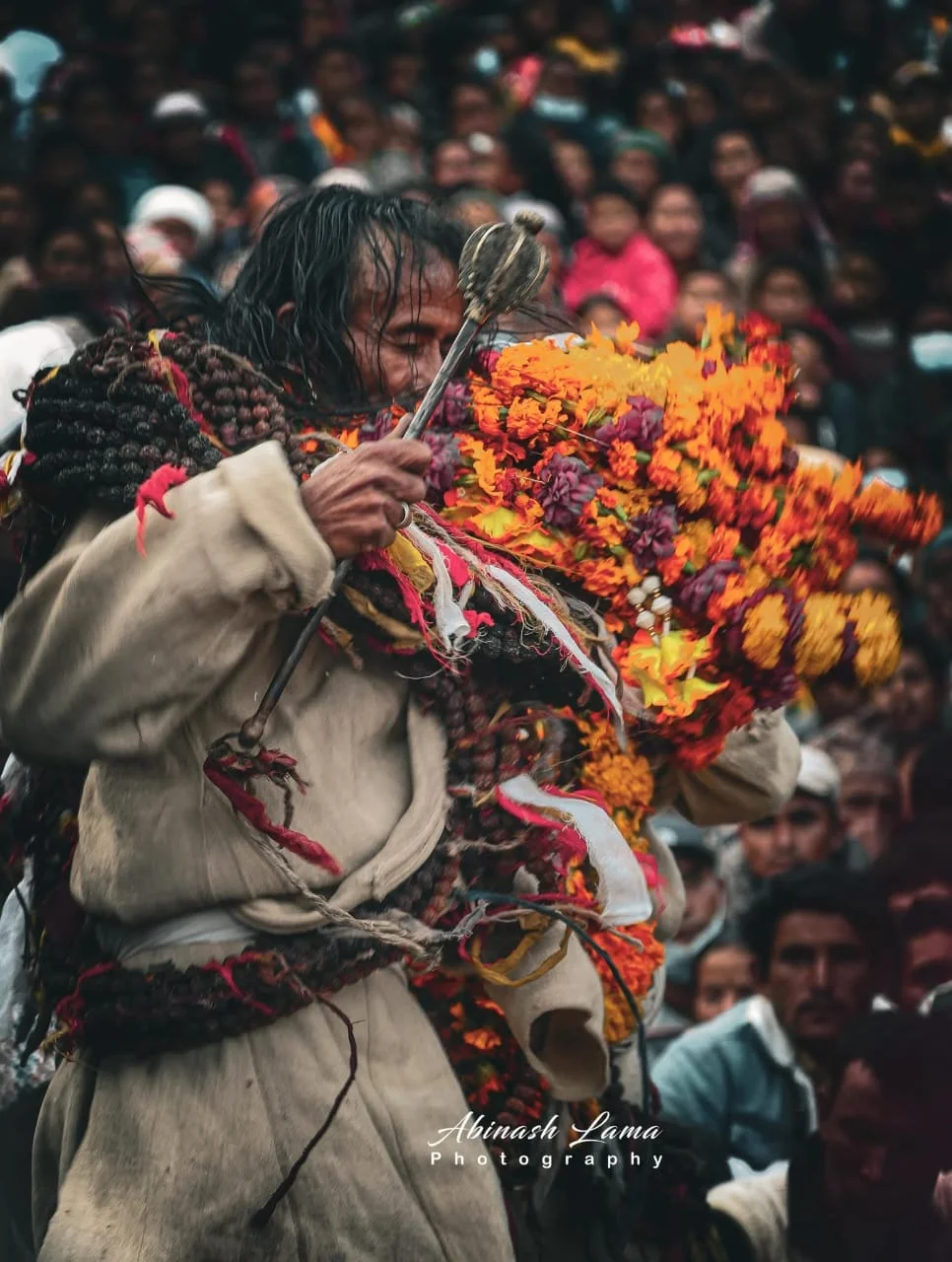
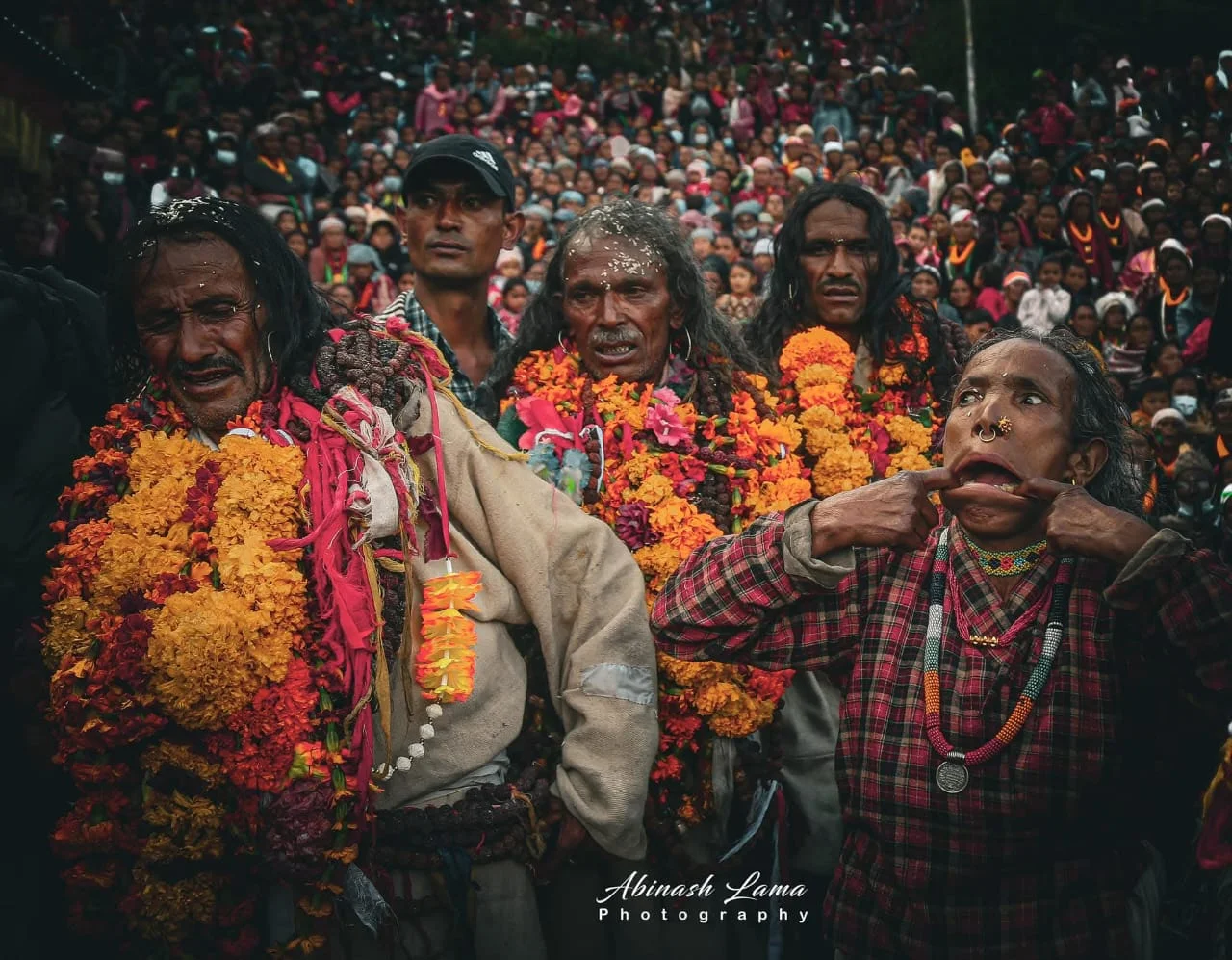
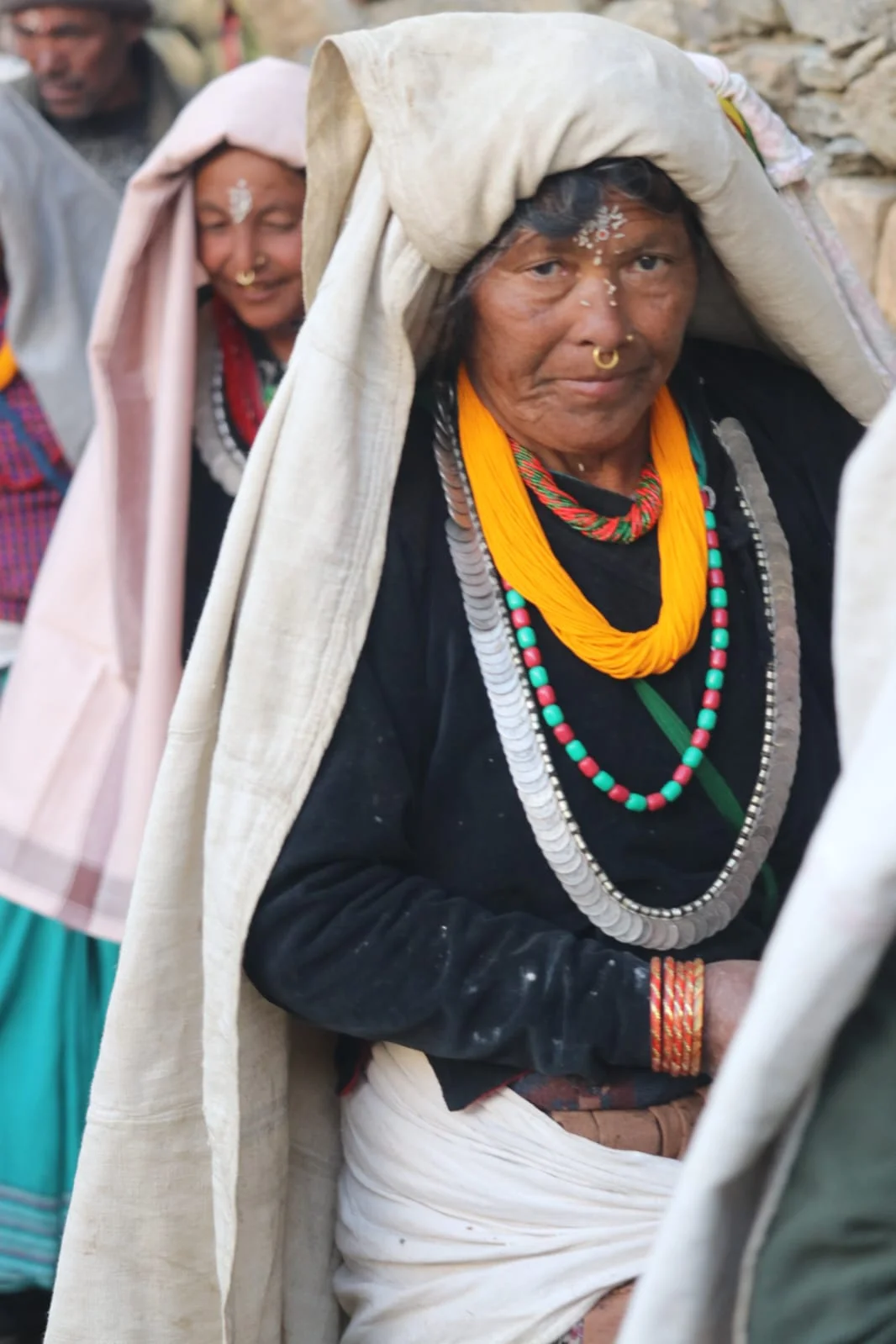
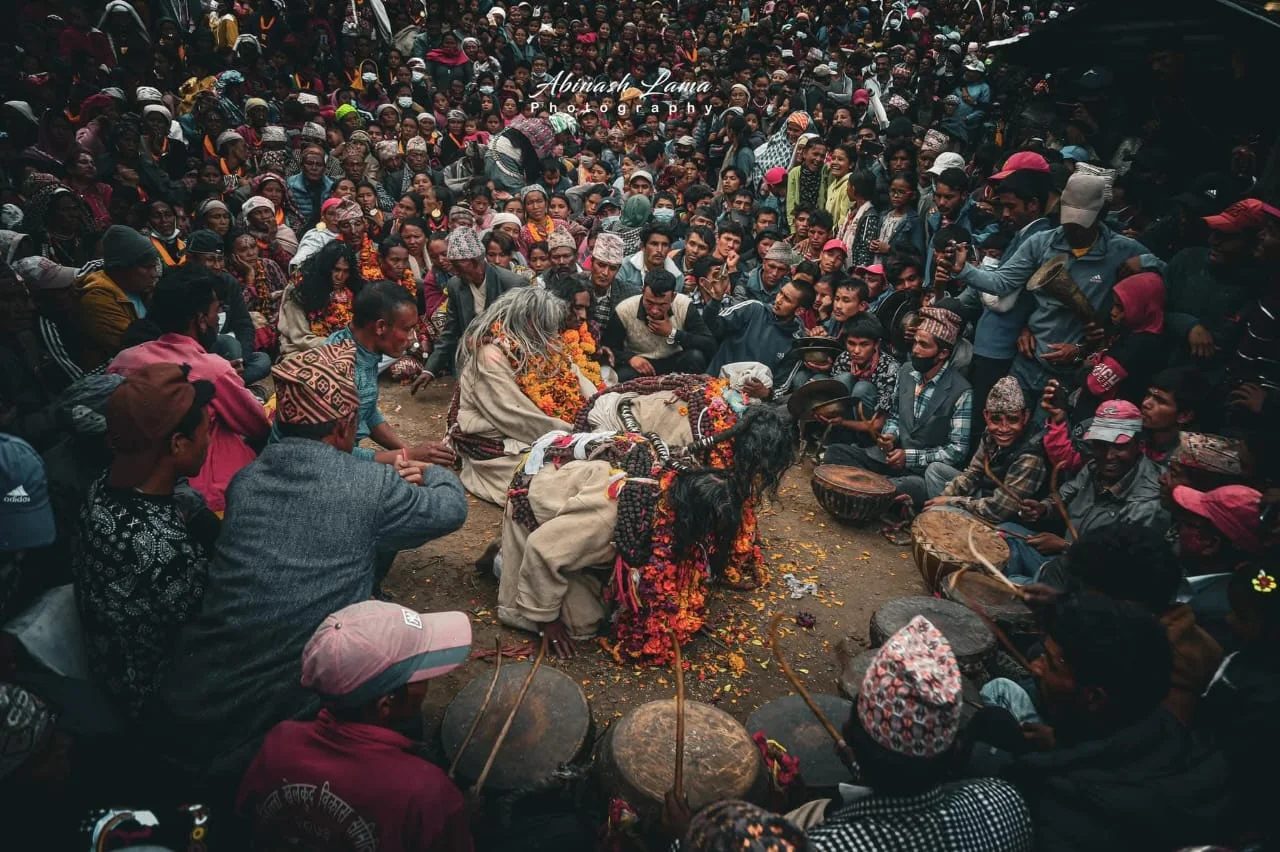
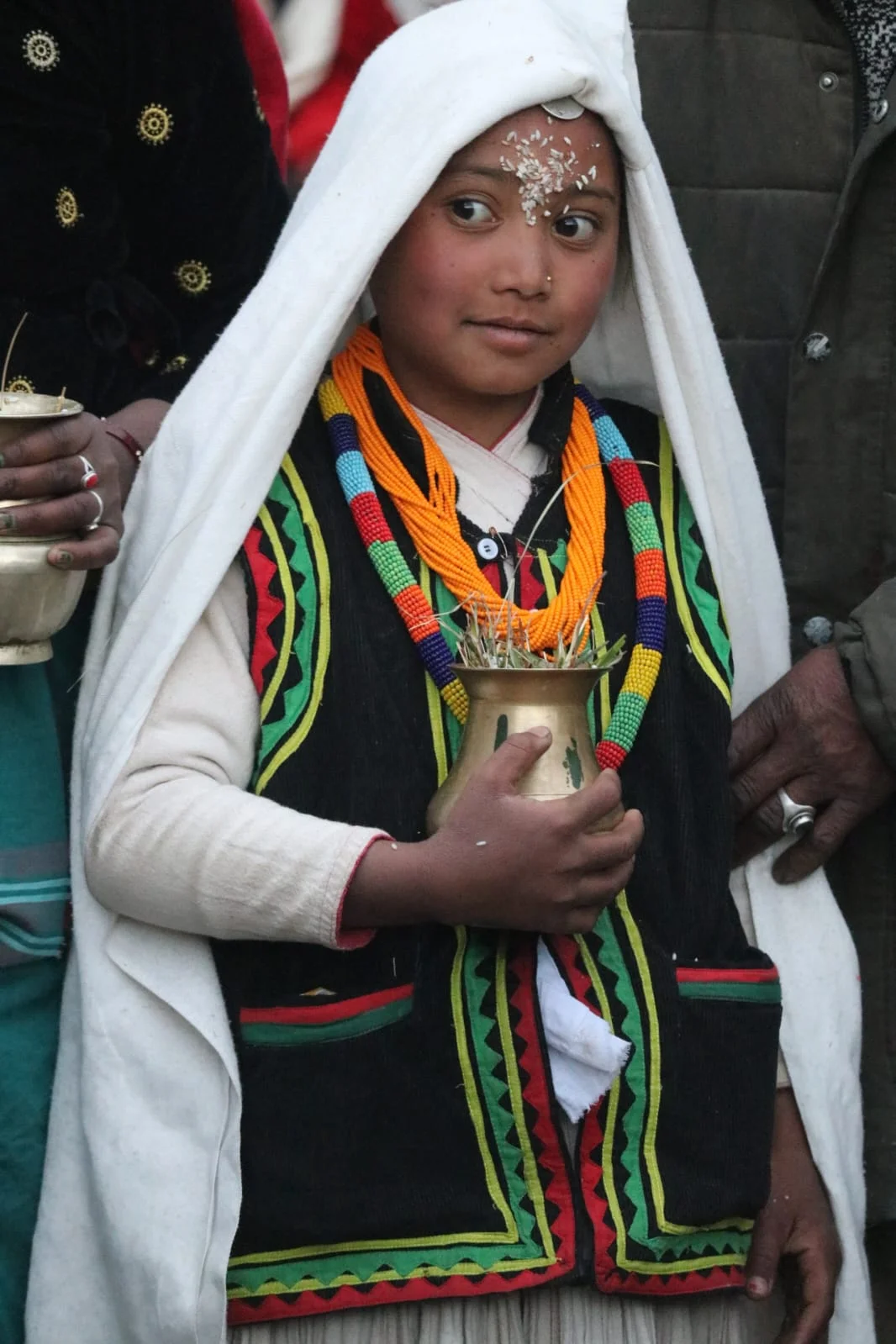
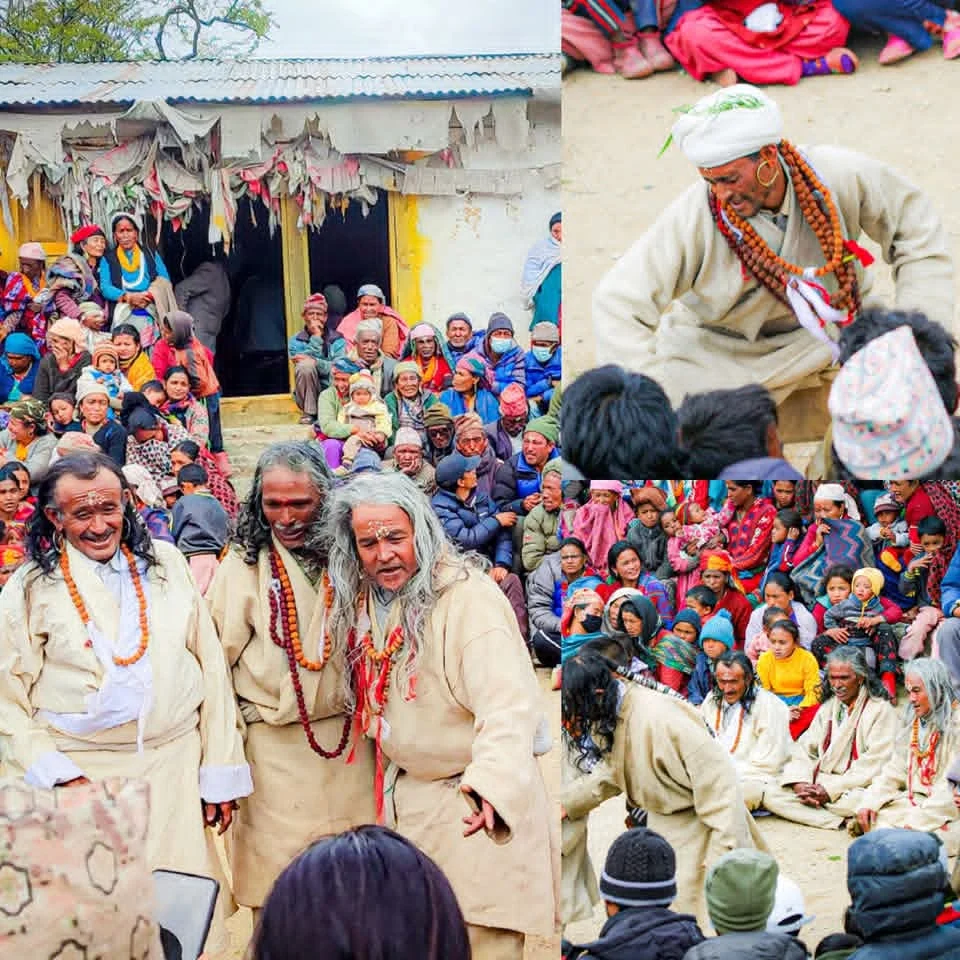
The trail then rises to Yari and crosses the Nara La Pass at 4,620 m before descending to Hilsa, a small settlement sitting directly on the Nepal-Tibet border along the Humla Karnali River. From Hilsa, the route turns north into the Limi Valley itself, home to just three settlements, Til, Halji, and Jang (also spelled Dzang), and roughly a thousand people who live much as their Tibetan ancestors did. Halji’s Rinchenling Gompa, believed to be around 900 years old, is one of the oldest monasteries in the region and a highlight for anyone interested in Tibetan Buddhist heritage.
Beyond Jang, the trek climbs to the Nyalu La Pass at 4,949 m, the highest point of the journey. On a clear day, this pass offers views of Mount Kailash across the Tibetan Plateau alongside Nepali giants like Saipal, Api, and Kanjiroba. The descent from Nyalu La leads back down through Shinjungma and Kermi before rejoining the trail to Simikot, where a flight returns trekkers to Nepalgunj and on to Kathmandu.
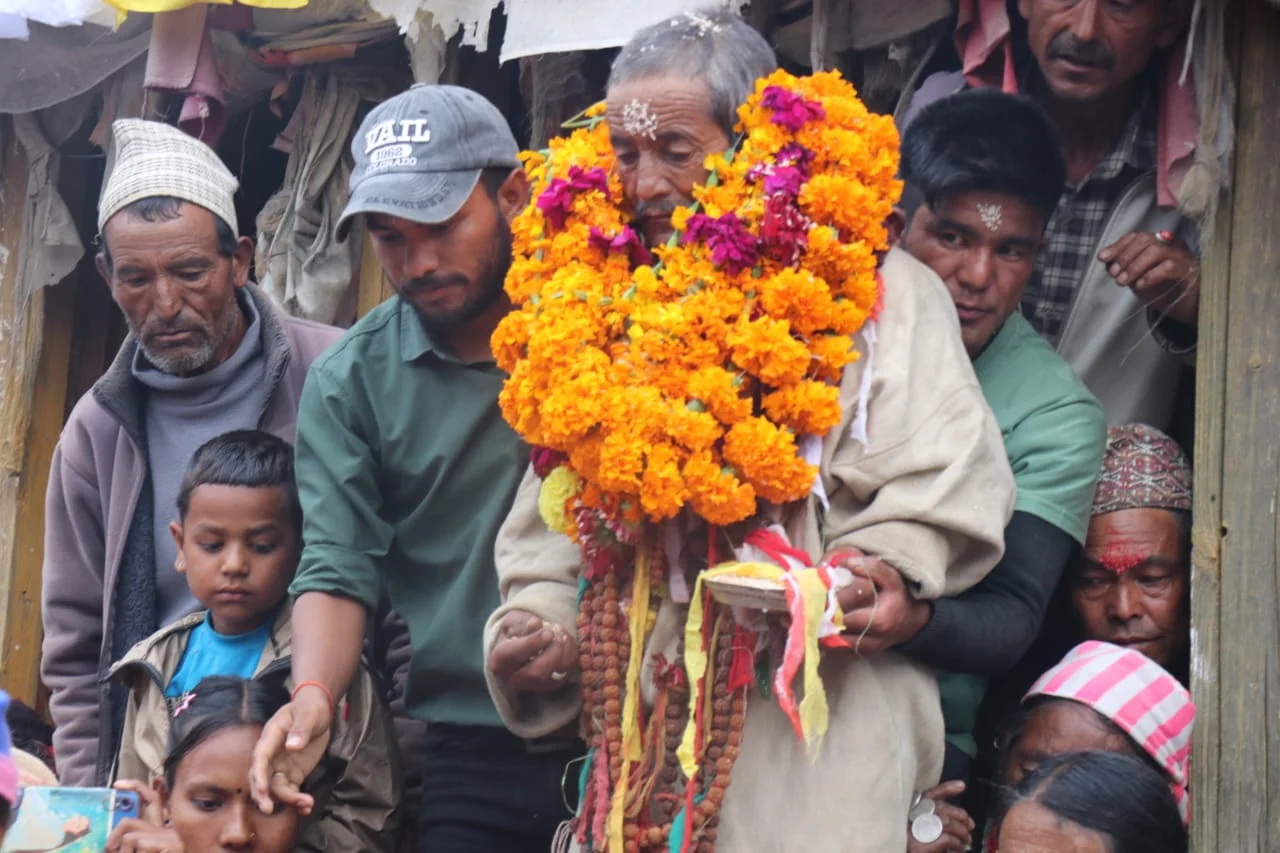
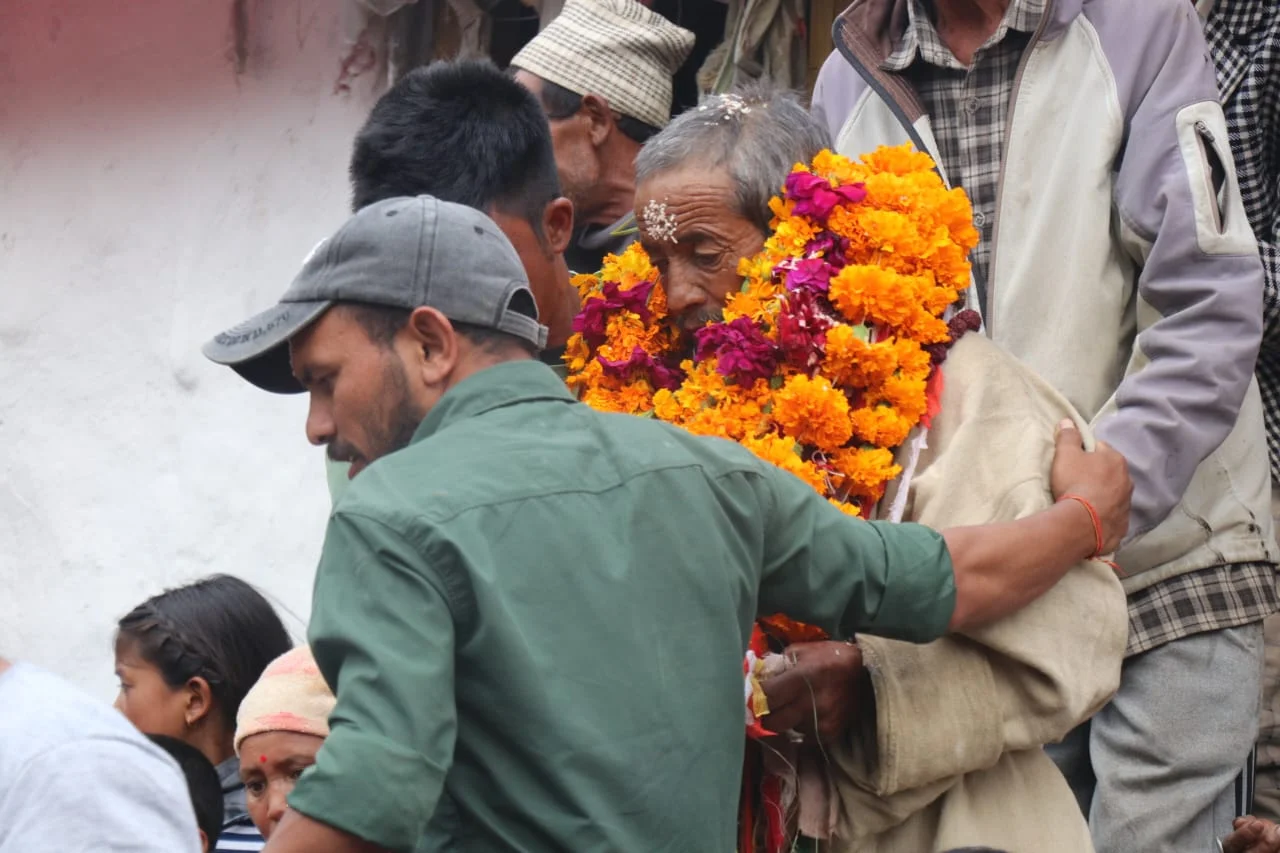
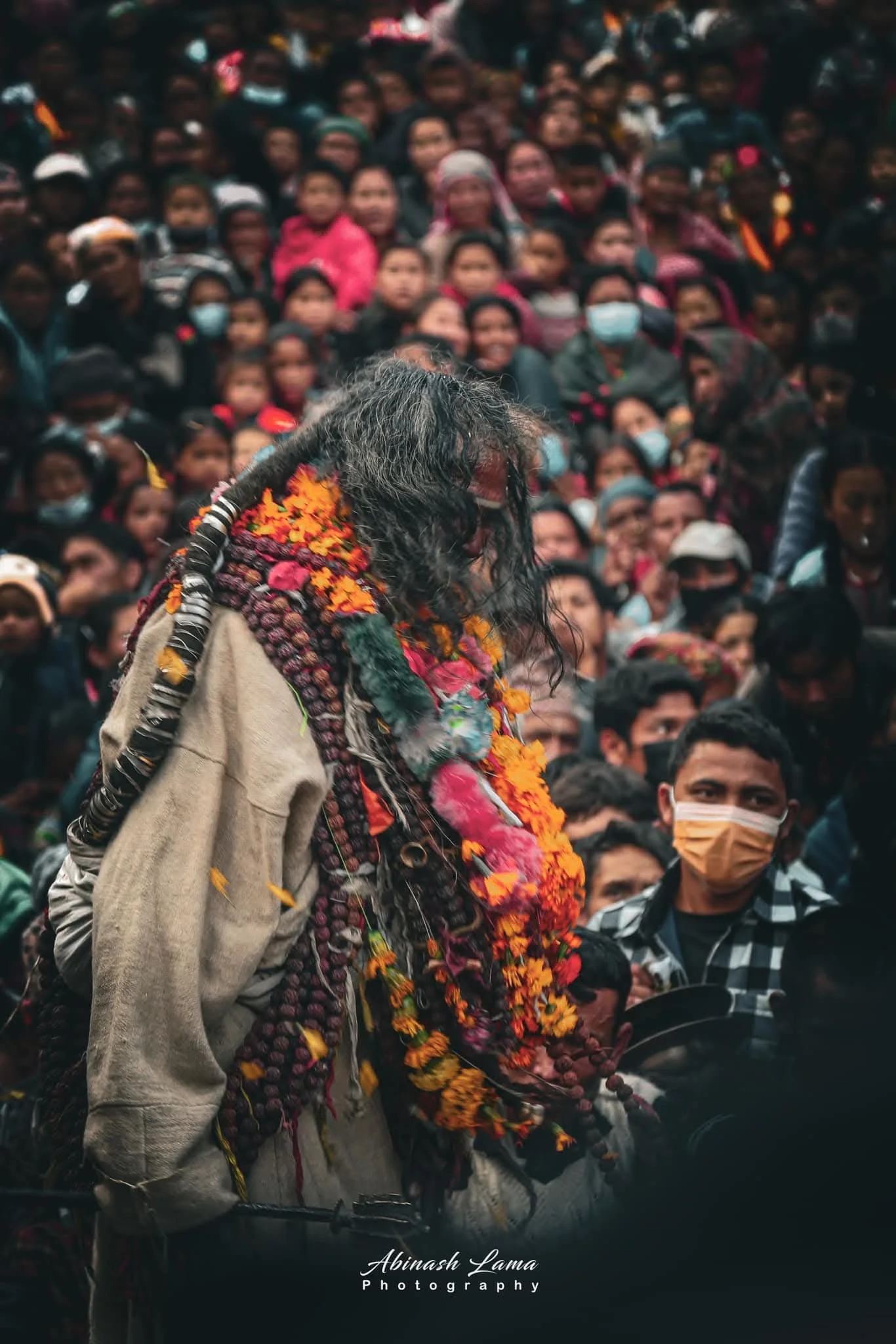
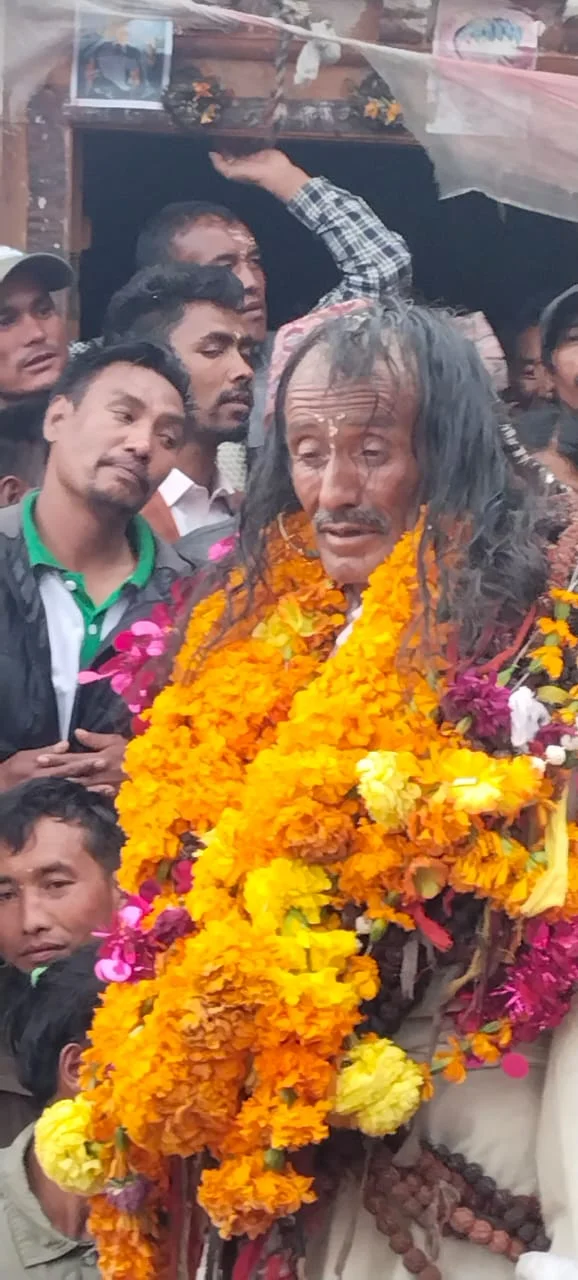
Because Limi Valley sees only a handful of foreign trekkers each year, expect ancient salt-trading routes, yak caravans, sacred mani walls, and a pace of life almost untouched by modern development. Trekkers should be comfortable with basic camping, long trekking days, and genuine remoteness, in exchange for one of the last truly untouched trekking experiences left in the Himalayas.
Pro Tip: The Humla Limi Valley Trek map shows the classic loop via Nara La and Nyalu La passes. Since this route requires full camping and two internal flights, we can also discuss a shorter Simikot-Hilsa-Simikot variation for trekkers with limited time who still want a taste of the Tibet border region without the full Limi Valley circuit.
Because Limi Valley requires a full camping setup, restricted-area permits, and two internal flights each way (Kathmandu-Nepalgunj-Simikot), the cost structure is different from standard teahouse treks elsewhere in Nepal. We quote this trek on request, based on your group size, dates, and service level, so you get an accurate price rather than a generic estimate.
Several factors shape the final cost:
Group Size: Camping crew, guide, and permit costs are shared across the group, so larger groups bring the per-person cost down noticeably compared to a 2-person minimum group.
Flights: Kathmandu-Nepalgunj-Simikot flights are a fixed, sizeable cost on both ends of the trek, and fares can vary by season and availability.
Restricted Area Permit: Humla requires a special permit, generally priced per week with an additional daily rate beyond the first week. As government-set fees, these can change, and we always confirm the current rate at the time of booking.
Camping Equipment & Crew: Since teahouses do not exist through most of Limi Valley, the trek requires tents, kitchen staff, and porters or mules, which adds cost compared to a teahouse-based trek of similar length.
Season: Spring and autumn bring the best weather and the highest demand for flights and camping crew, which can push prices up slightly compared to the shoulder months.
Get in touch with us on WhatsApp for a tailored quote for your dates and group size.
Let’s be honest: the Humla Limi Valley Trek is strenuous. This is not a beginner trek, and it’s arguably tougher logistically than most of Nepal’s popular routes. Here’s what you need to know:
| Factor | Rating | Details |
| Physical Fitness | ⭐⭐⭐⭐☆ | Long days, 5–8 hrs walking, back to back with no rest days built in on most sections |
| Altitude | ⭐⭐⭐⭐⭐ | Max 4,949m at Nyalu La — two passes above 4,600m, real AMS risk |
| Technical Skill | ⭐⭐⭐☆☆ | No climbing gear needed, but expect snow and ice underfoot on both passes |
| Remote Factor | ⭐⭐⭐⭐⭐ | No roads, no teahouses in Limi Valley itself, full camping required, nearest hospital is days away |
| Weather Exposure | ⭐⭐⭐⭐☆ | Cold camping nights, and Simikot flights get grounded by weather more often than most Nepal airstrips |
Who Should Do This Trek?
You’re a good fit if you:
Bottom Line: If you’ve handled the Manaslu Circuit or Everest Base Camp and found yourself wanting somewhere with far fewer people and no teahouse comforts to fall back on, Humla Limi Valley is the next step up. It’s harder because it’s remote and camping-based, not because the trail itself demands technical climbing skill.
Required Permits:
| Permit | Cost | Details |
| Humla Restricted Area Permit (RAP) | ~$50 USD per person for the first week, ~$10 USD per person per additional day | Minimum 2 trekkers required to obtain this permit — solo trekking is not permitted in Humla |
| TIMS Card | ~$20 USD (individual) / ~$10 USD (through a registered agency) | Standard requirement for all trekkers in Nepal |
Government fees are subject to change without notice. We confirm exact rates at the time of booking and handle all permit applications, included in your package.
You must have insurance covering:
Recommended Providers: World Nomads, IMG, or Global Rescue (high-altitude specialists)
Essential Packing List
| Category | Items |
| Footwear | Broken-in hiking boots (waterproof), microspikes/ice cleats for the passes, camp shoes, 4–5 pairs wool socks |
| Clothing | Base layers (merino), fleece jacket, down jacket (-15°C rated), rain/wind shell, trekking pants x2, waterproof over-pants, thermal underwear |
| Head & Hands | Warm beanie, sun hat, buff/neck gaiter, glacier-rated UV400 sunglasses for the passes, waterproof gloves + liner gloves |
| Sleeping | Four-season sleeping bag rated to -15°C (can rent from us), sleeping bag liner, closed-cell foam sleeping pad |
| Daypack | 30–40L daypack with rain cover, 2L water bladder or bottles |
| Trekking Poles | Highly recommended — saves your knees on the long descents from Nara La and Nyalu La |
| Sun Protection | SPF 50+ sunscreen, sunglasses (UV400), lip balm with SPF |
| Electronics | Headlamp + extra batteries, power bank (charging is very limited once you’re in Limi Valley), camera |
| Medical | Diamox (on your doctor’s advice), blister kit, personal medications, water purification tablets or a UV steriliser — bottled water is not reliably available on this route |
| Extras | Snacks (energy bars, nuts), book/kindle, playing cards for long camp evenings |
Gear Rental Available: We provide duffel bags and can arrange rentals for sleeping bags and down jackets. Limi Valley has almost no shops, so pick up or rent everything else in Kathmandu before you fly out — Thamel has great gear shops, and there’s little to no chance to restock once you’re past Simikot.
Ready to explore the hidden Limi Valley?
Contact us on WhatsApp: +977 9851410929
Cost depends on group size, season, and flight availability into Simikot, since this trek requires camping equipment, crew, and restricted-area permits rather than fixed teahouse pricing. Contact us on WhatsApp for a quote tailored to your dates and group size.
Yes, it is considered a challenging trek. Expect long trekking days of 5-8 hours, two passes above 4,600m, and full camping conditions for much of the route. Good fitness, prior trekking experience, and mental readiness for genuine remoteness all matter here.
Yes. Humla is a restricted area bordering Tibet, and solo trekking is not permitted. You must trek with a licensed guide and a minimum of two trekkers to obtain the Restricted Area Permit.
You need a Humla Restricted Area Permit and a TIMS card. The Restricted Area Permit is typically charged per week with an additional daily rate beyond the first week, and government fees can change, so we confirm current rates at the time of booking. We handle all permit paperwork for you.
It is mostly a camping trek. Teahouses and basic lodges exist along the Simikot-Yalbang section, but once you enter Limi Valley and cross the high passes, there is little to no lodge infrastructure, so full camping equipment and kitchen crew are required.
Autumn (September-November) is generally best for clear skies and stable trail conditions, with spring (March-May) a close second. Because Humla sits in a partial rain shadow, some trekkers also do this route in summer, though flight delays and cloud cover remain a factor. Winter is not recommended due to heavy snow on both passes.
Flights from Nepalgunj to Simikot are frequently delayed or cancelled due to weather, particularly in the shoulder seasons. We strongly recommend building at least one buffer day into your schedule before any international connecting flight home.
On clear days, Mount Kailash is visible across the Tibetan Plateau from high points like the Nyalu La Pass. Visibility depends on weather conditions on the day of crossing.
The risk is real, since the trek spends extended time above 3,500m and crosses two passes near 4,600-4,950m. Gradual ascent, proper hydration, and honest communication with your guide about symptoms are the best prevention. Your guide is trained to recognise early signs of AMS and will adjust the plan if needed.
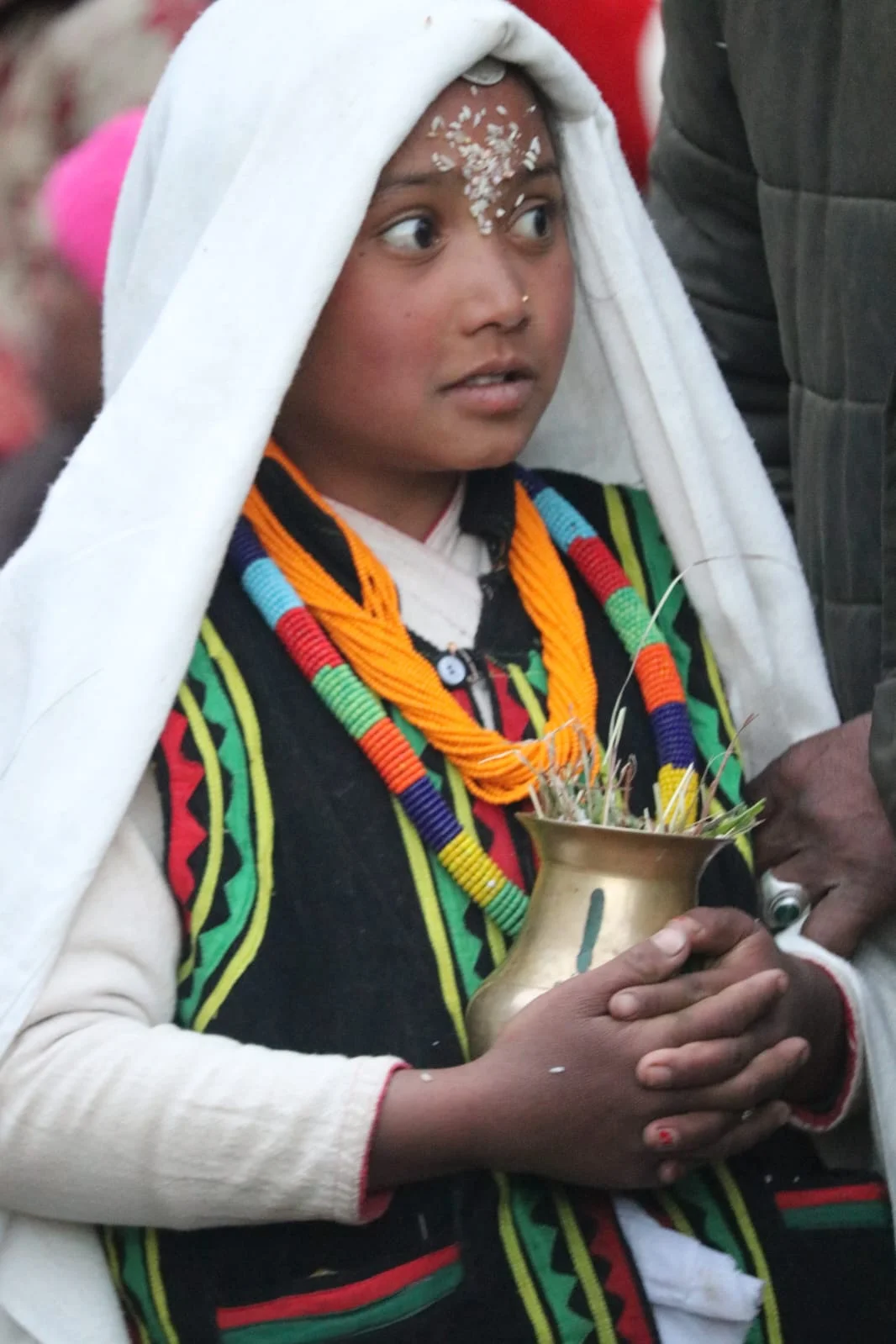
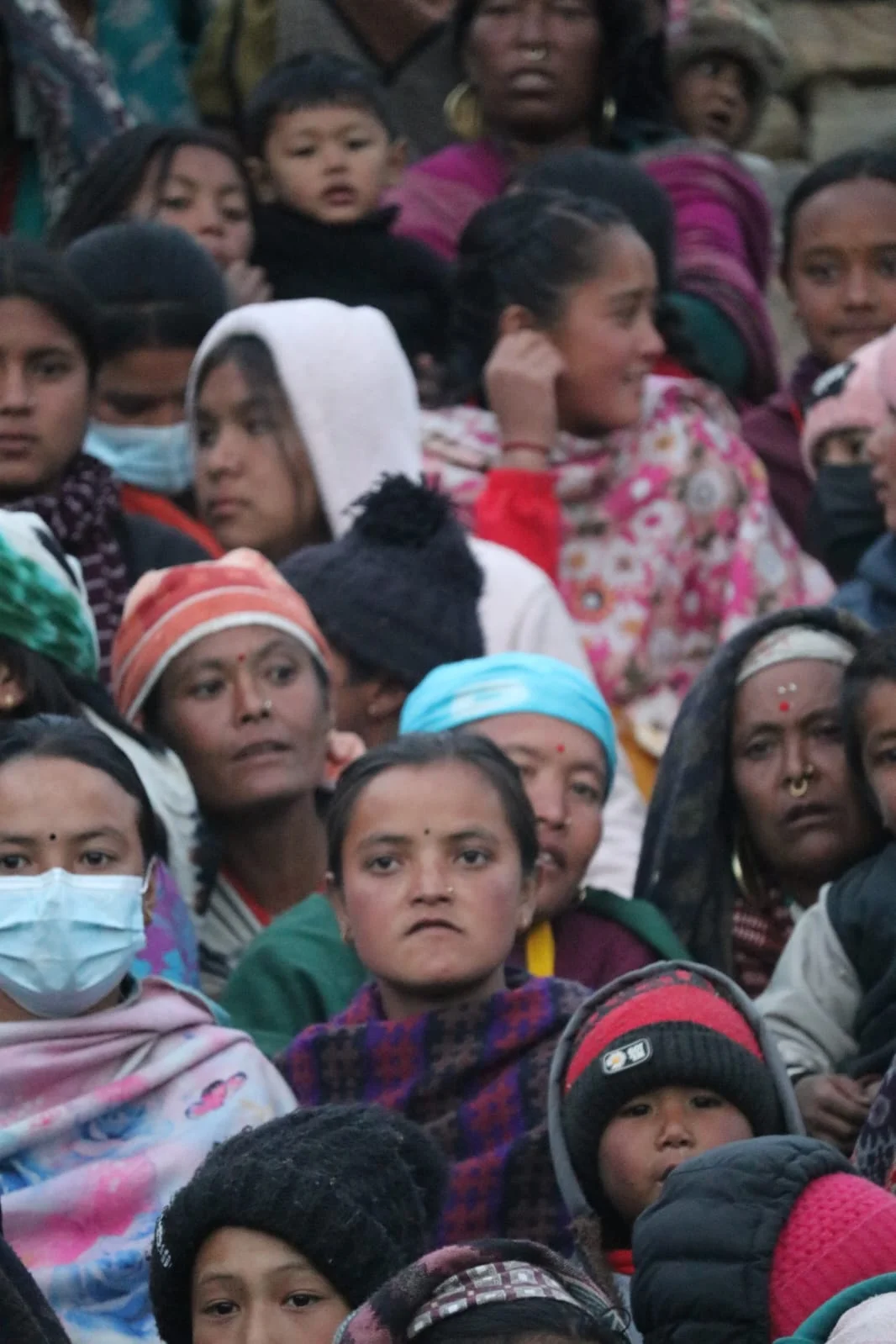
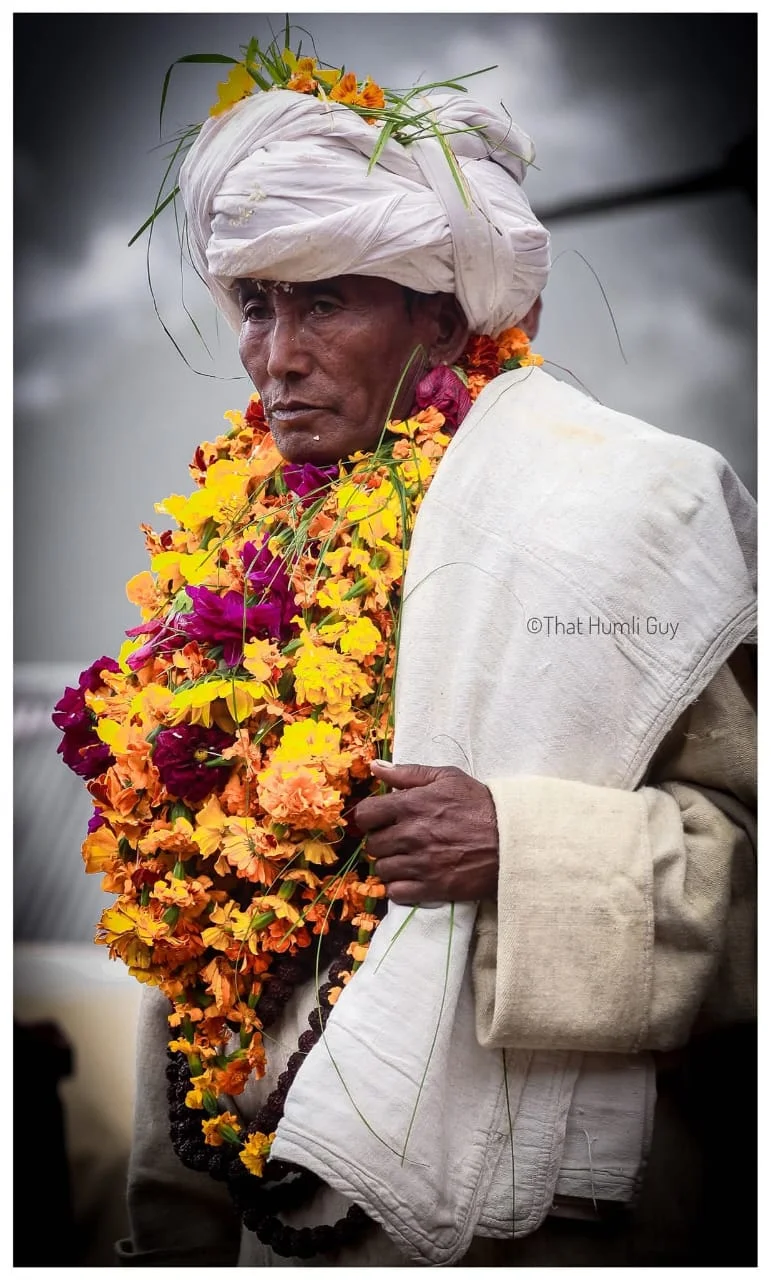
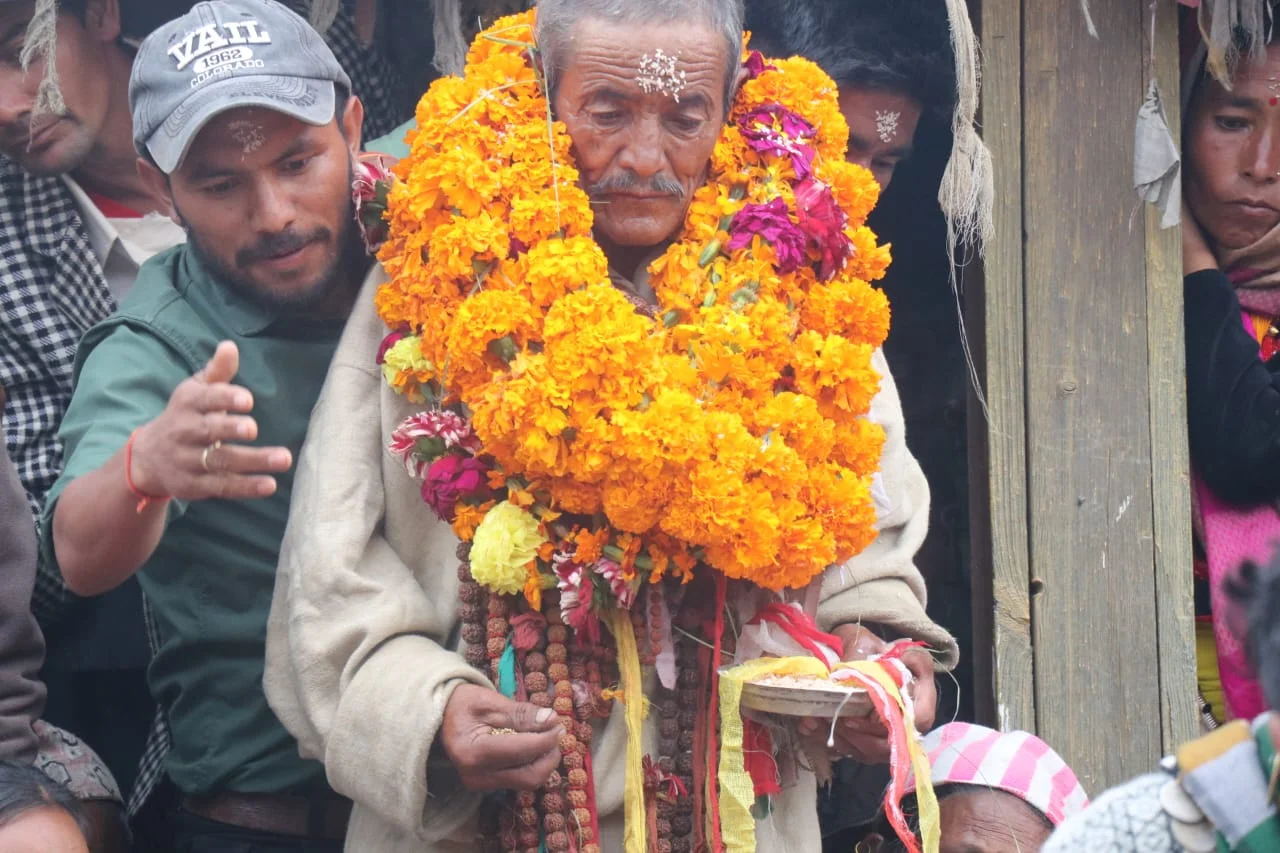
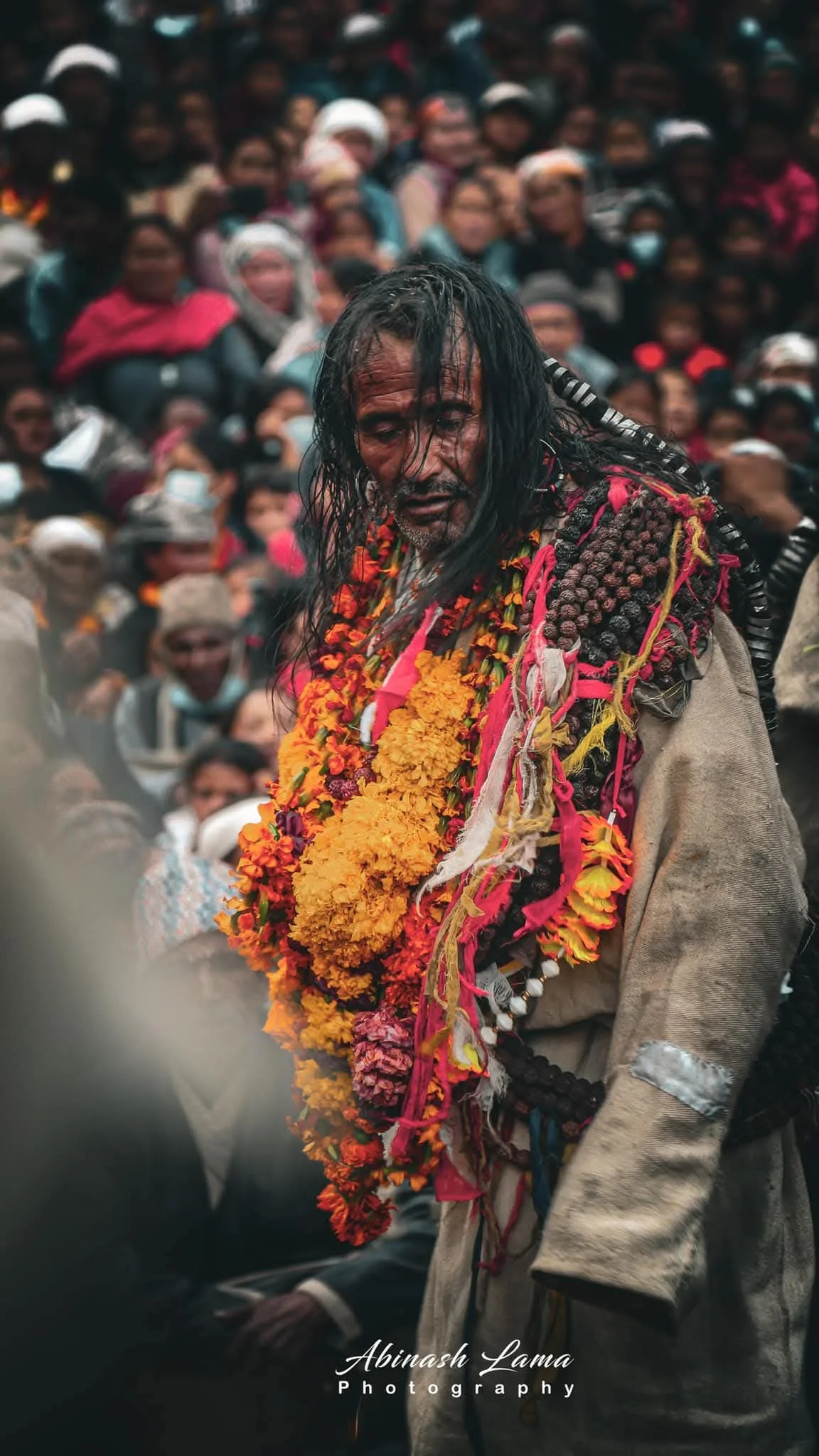
Til, Halji, and Jang are small, Tibetan-influenced settlements of roughly a thousand people combined, living largely as their ancestors did, herding yaks and horses and farming barley and buckwheat on terraced fields. Halji’s Rinchenling Gompa, nearly 900 years old, is a highlight for anyone interested in Tibetan Buddhist heritage.
Yes, when booked through a licensed agency. Since solo trekking is not permitted for anyone in this restricted region, every trekker travels with a professional guide and the rest of the trekking crew, which provides a consistent layer of safety and support.
The Humla region is home to blue sheep, musk deer, Himalayan tahr, and various high-altitude birds. Snow leopards live in the area too, though sightings are rare.
Humla Limi Valley is considerably more remote than either. It sees far fewer trekkers per year, requires full camping rather than teahouse stays for much of the route, and involves two internal flights each way rather than a road or jeep approach. It suits trekkers specifically looking for the least-visited restricted areas in Nepal.