The Best Time to Visit Nepal: A Complete Seasonal Guide for Travelers
People ask me this question constantly: “When should I actually go to Nepal?” There’s no single right answer about the best time to visit Nepal. The country runs through four very different seasons, and each one suits a different kind of trip. If you want the classic mountain panorama at Everest Base Camp, you’ll pick a different month than someone hoping to spot rhinos in Chitwan or catch Kathmandu’s biggest festival of the year.
I’ve spent over ten years guiding trekkers through the Khumbu, running cultural tours around the Kathmandu Valley, and leading safari walks through the Terai lowlands. What follows is the same advice I give clients before they book: how Nepal’s weather actually behaves, month by month, and how to match your travel dates to what you actually want out of the trip.
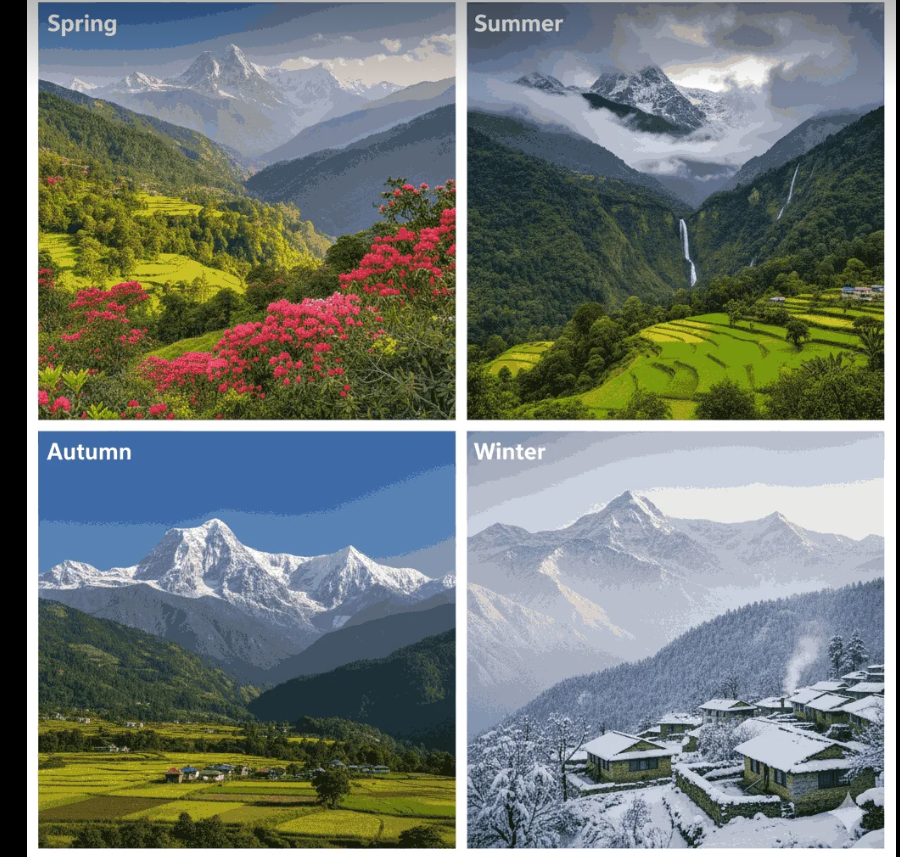
Ask most guides for the best time to visit Nepal and they’ll say autumn, and for good reason. Once the monsoon clouds pull out, the air clears and stays that way for weeks. Trails firm up, the humidity drops, and the mountains show themselves properly.
A few things worth knowing about this window:
Daytime temperatures in the mid hills sit around 15 to 20°C, though it still drops below freezing at night once you gain elevation.
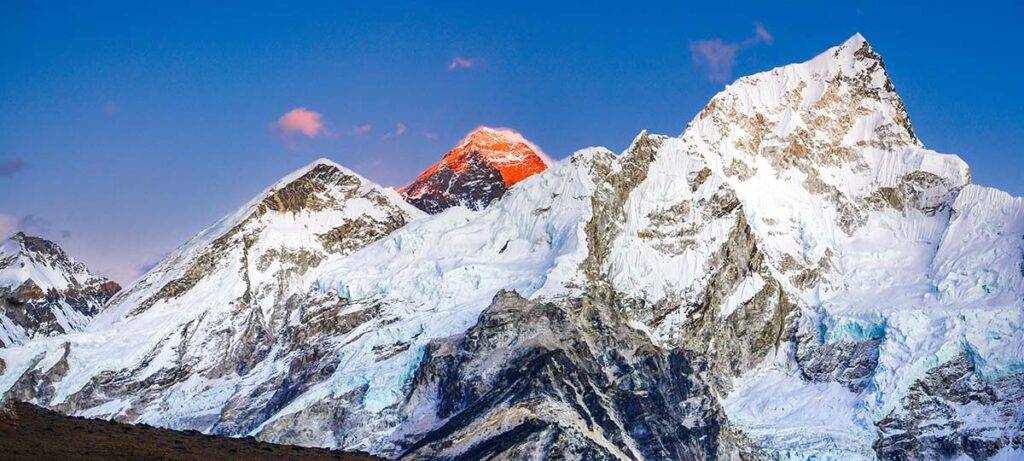
Visibility is often excellent for stretches at a time, which matters a lot if you’re chasing that classic sunrise view from Kala Patthar.
This is generally the best window for the Annapurna Circuit, before the Thorong La pass gets its first serious snowfall.
Dashain and Tihar, Nepal’s two biggest festivals, usually fall somewhere in this stretch, so cultural travelers get a genuine look at family celebrations, oil lamps, and street processions.
Guide’s note: mornings are almost always clearer than afternoons in the mountains, since clouds tend to build up through the day. If you’re after that perfect shot of Ama Dablam or Machhapuchhre, be at your viewpoint by half past six. I’ve watched more than a few trekkers miss the view simply because they slept in.
The downside is crowding. Teahouses along the Everest and Annapurna routes book up fast, so flights to Lukla and trail permits are worth sorting out well ahead of time.
Spring: Warmer Passes and Blooming Trails
Spring runs a close second when people debate the best trekking season, and for wildlife watchers and photographers, it might actually come first.
Forests along the Annapurna and Langtang routes fill with red and pink rhododendron blooms, usually peaking in March and April.
Daytime warmth makes the high passes noticeably more comfortable than the deep cold of winter.
This is widely seen as the best stretch for wildlife safaris in Chitwan, since thinner undergrowth makes spotting rhinos and crocodiles, and occasionally a tiger, much easier.
By late May, pre-monsoon haze tends to build up, softening the mountain views compared with autumn’s sharper skies.
Local insight: pack a mid-weight down jacket rather than expedition-grade gear for spring passes under 5,000 metres. I’ve seen trekkers overpack for cold that just doesn’t show up at these altitudes in April, then spend two weeks carrying dead weight.
Spring also doubles as summit season for many expedition teams working peaks throughout the Khumbu region.
Crisp, clear skies and snow-dusted trails: Experiencing the Himalayas at their most majestic during best time to visit Nepal.
Winter: Quiet Trails for Travelers Who Plan Ahead
Winter gets overlooked more than it should. If your plans skip the very highest passes, it’s genuinely one of the best times to travel off peak.
Kathmandu and the Terai lowlands stay mild, often 15 to 20°C in the day, which makes this a good window for cultural touring, Chitwan safaris, and lower Annapurna walks.
Routes like Everest Base Camp and the Thorong La pass become much harder, with sub zero nights and the chance of a snow closure.
Teahouses sit mostly empty, so you’ll get your pick of rooms and more time to actually talk with local guides and lodge owners.
On a clear winter day, mountain visibility can rival autumn.
Is Nepal safe to visit in December? For the most part, yes. Kathmandu, Pokhara, and the Terai are easy to get around and this window is underrated for cultural trips. Higher routes are a different story and demand proper cold weather gear along with a flexible itinerary, since snow can shut a pass for days.
Guide’s note: if you want a Himalayan trek in winter, go for a lower route like Poon Hill, Mardi Himal, or Ghandruk rather than Thorong La or the Everest high passes. You’ll still get real mountain views without the risk that comes with deep snow and closed trails.
Monsoon: Not the Write Off Most People Assume
Monsoon has a bad reputation, but it’s more workable than people give it credit for. Understanding how it actually behaves opens up some genuinely good options.
Rain concentrates in the afternoons and evenings across the mid hills and Terai, while mornings tend to stay clear.
Popular routes such as the Annapurna Circuit and Everest Base Camp turn muddy, leeches show up, and trail closures from landslides become more common.
The trans Himalayan regions, Upper Mustang, Dolpo, and parts of Manang, sit in a rain shadow north of the main monsoon belt and stay dry and walkable.
Kathmandu Valley’s heritage sites, museums, and cooking classes make for a solid rainy day itinerary.
Prices drop and crowds thin out, so this is by far the cheapest and quietest time to visit.
Local insight: leeches on the lower Annapurna and Langtang trails are the number one complaint I hear during monsoon. A pair of leech socks and some DEET repellent solves most of it. It’s a small thing that makes a big difference to the walk.
Nepal’s Weather Isn’t the Same Everywhere
One mistake first time visitors make is assuming Nepal has one climate. Altitude changes everything within a few hours’ drive.
Kathmandu Valley, at around 1,400 meters, is temperate: mild winters, warm and sometimes smoggy summers.
The Terai lowlands, below 500 meters, run subtropical: hot and humid before the monsoon, foggy on winter mornings. This is where Chitwan National Park sits.
The mid hills, between 1,500 and 3,000 meters, hold the classic four season pattern most trekkers experience.
Above 4,000 meters, conditions turn alpine and increasingly arctic. Everest Base Camp, at roughly 5,364 meters, can swing from sun warmed afternoons to well below freezing nights, even during the warmer trekking months.
A single forecast for “Nepal” tells you almost nothing on its own. Knowing how conditions shift as you climb is really what separates a useful weather guide from a generic one. The same October morning that feels pleasant in Kathmandu can mean biting wind at Gorak Shep.
Safety and Preparation Basics
No matter which season you pick, a few things stay constant.
Altitude acclimatization isn’t optional. Ascend gradually above 3,000 meters, build rest days into your schedule, and know the early signs of acute mountain sickness: headache, nausea, dizziness. The Himalayan Rescue Association and the World Health Organization both recommend gaining no more than 300 to 500 meters in sleeping elevation per day once you’re above that mark.
Get travel insurance that specifically covers high altitude trekking and helicopter evacuation. A lot of standard policies exclude trekking above 3,000 to 4,000 meters, so it’s worth checking the fine print before you buy.
Hire local, licensed guides and porters. Beyond the safety benefit, it keeps tourism income in the communities you’re passing through and supports more sustainable trekking practices across the region.
Check current government and agency advisories before you leave, particularly around monsoon season landslide risk and trail conditions in areas affected by past earthquakes.
Timing a high altitude trek well takes more than picking a good month. It also takes local knowledge of how conditions are actually shaping up that season. This is the kind of planning our guides at Nepal Adventure Trails handle for clients directly, matching each itinerary to the conditions on the ground. If that sounds useful, our trip packages page breaks down how each season shapes a different route.
Nepal’s Festival Calendar
If you want your trip to line up with a major cultural event, a few dates are worth building around.
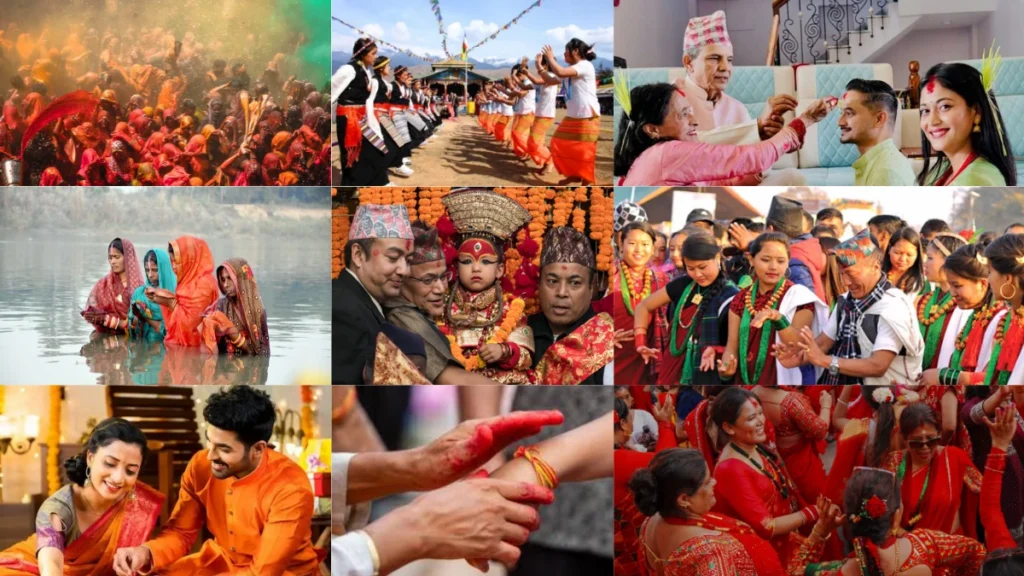
Dashain, in September or October, is Nepal’s largest festival, with family reunions, kite flying, and blessings from elders.
Tihar, in October or November, is the festival of lights, when homes fill with oil lamps and marigold garlands.
Holi, in March, is the color festival, celebrated with particular energy in Kathmandu and Pokhara.
Bisket Jatra, in April, is a chariot festival in Bhaktapur that marks the Nepali New Year.
Planning a cultural trip around one of these adds something a standard sightseeing itinerary just can’t. If festival timing matters to your trip, we can help line up a cultural touring itinerary around these dates.
Experience the vibrant energy of Nepal’s festivals, a major reason many travelers look for the best time to visit Nepal.
Matching the Season to Your Goal
Want the clearest mountain views and classic teahouse trekking? Go in autumn.
Want blooming landscapes, wildlife safaris, and warmer high passes? Go in spring.
Want fewer crowds and don’t mind sticking to lower elevations? Go in winter.
Want low prices, rain shadow trekking, or a cultural deep dive around Kathmandu? Go in monsoon.
There isn’t really a wrong season in Nepal, only a mismatch between the season and the plan. If you’re ready to start mapping out your own trip, our guides at Nepal Adventure Trail can help you line up the right dates with the right route, whether that’s the Everest Base Camp classic, the Annapurna Circuit, or a quieter valley trek most visitors never hear about.
Frequently Asked Questions
What is the best time to visit Nepal overall?
Autumn, from late September through November, is generally considered the best time to visit Nepal for most travelers, thanks to stable weather, clear mountain views, and major festivals. Spring, from March to May, comes in a close second, particularly for wildlife safaris and flowering landscapes.
Can I trek in Nepal during the monsoon?
Yes, though your options narrow. Popular mid hill routes like Annapurna and Everest turn muddy and carry more landslide risk, but rain shadow regions such as Upper Mustang and Dolpo stay dry and make solid monsoon season alternatives.
Is Nepal safe to visit in December?
Kathmandu, Pokhara, and the Terai lowlands are safe and pleasant in December, with mild days. High altitude routes need real cold weather preparation, since passes above 4,500 meters can hit sub zero temperatures and occasionally close from snow.
What’s the best time specifically for the Everest Base Camp trek?
Late September through November, and March through May, are the two prime windows, offering the most stable weather and the clearest views.
When’s the best time for wildlife safaris in Chitwan?
The dry months from October through March give the best visibility for spotting rhinos, crocodiles, and birdlife, since thinner vegetation makes wildlife much easier to track.
How far ahead should I book a peak season trek?
For autumn or spring departures, book flights, permits, and teahouse based treks at least two to three months out. Lukla flights and popular lodges fill up quickly during peak trekking months.