Here’s the thing nobody tells you when you start Googling treks: half the websites you find are basically the same site with different colors. Same stock photos. Same promises. Same vague pricing. And you’re sitting there trying to figure out which Nepal trek agency is actually going to show up for you at 4,800 meters, versus which one just has a good web designer.
I get why this is stressful. You’re not just picking a vendor. You’re picking who’s responsible for you on a trail where the nearest hospital might be a day’s walk away, or a helicopter ride you didn’t budget for. So let’s skip the fluff and get into what actually separates a good operator from a bad one.
Why This Decision Actually Matters
A city tour, you can wing it. A trek above 4,000 meters, you can’t. Altitude doesn’t care how much you paid, and it definitely doesn’t care how nice your itinerary PDF looked.
The agency you pick decides a lot of things you won’t think about until you’re on the trail: whether your guide notices you’re getting a headache that’s actually early AMS, whether your porter is carrying a fair load in decent boots, whether the “all-inclusive” price you paid quietly turns into a list of extras once you’re three days in and can’t exactly walk away. Finding the best trekking company in Kathmandu isn’t about the lowest quote. It’s about who has their systems in order before anything goes wrong, not after.
The Paperwork That Actually Matters
I know, nobody wants to read about registration numbers. But this is the boring stuff that tells you everything.
TAAN and NTB: Ask, Don’t Assume
Any legitimate operator should be registered with the Nepal Tourism Board (NTB) and hold membership with TAAN, the trade body that sets standards and steps in when disputes come up. Ask for the registration number. Then actually look it up instead of trusting a badge on a homepage. Badges are free. Verification isn’t.
If an agency gets cagey when you ask, or sends back something vague like “we’re fully licensed, don’t worry,” that’s not an answer. That’s a dodge.
Do They Have an Actual Office?
A real Nepal trek agency has a desk somewhere in Kathmandu or Pokhara where a human being sits. Not just a Facebook page and a phone number that only responds on WhatsApp.
Why does this matter so much? Because when your flight to Lukla gets weathered out for three days, and it will, eventually, happen to someone, you want a person you can walk in and talk to, not a chatbot. An office is where permits get sorted, where you meet your guide the night before, where accountability actually lives.
Spotting the Difference: Legit Operator vs. Red Flag Operator
| Factor | Legitimate Agency | Unprofessional Operator |
|---|---|---|
| Licensing | NTB registered, TAAN member, verifiable | Claims license, no number given |
| Office | Physical office you could walk into | Website and a WhatsApp chat, nothing else |
| Guides | Government-certified, first-aid trained | “Guide” is really just a porter with more English |
| Pricing | Line-item quote, nothing vague | One flat number, extras appear later |
| Porters | Weight limits, real gear, insured | Overloaded, underdressed, uninsured |
| Itinerary | Realistic acclimatization built in | Compressed schedule, too much too fast |
| Emergency plan | Written, with a communication device | “We’ll handle it if something happens” |
The Itinerary Trick Almost Nobody Checks
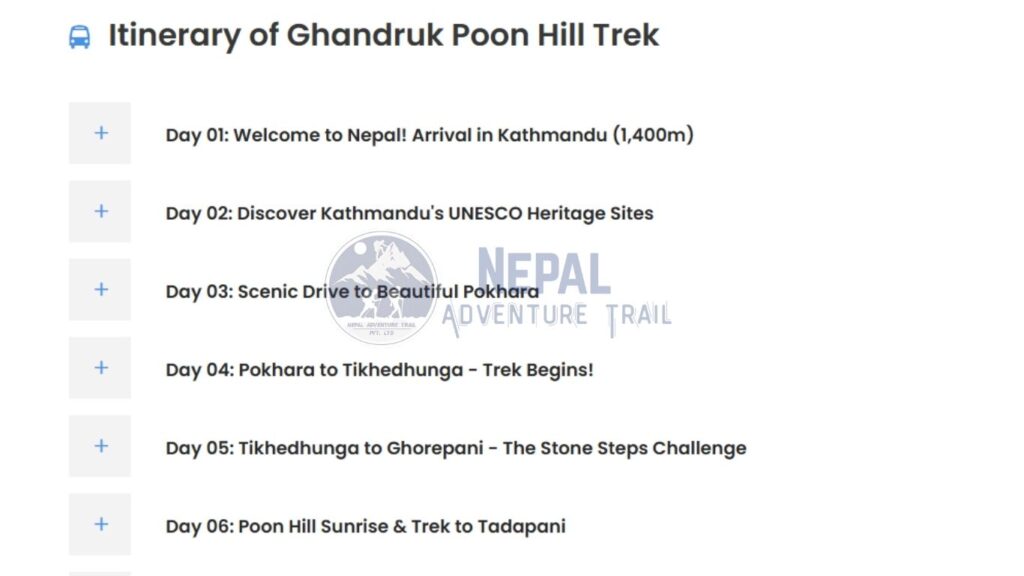
Here’s something most travelers never think to look at: the day-by-day altitude gain on the itinerary itself. This is where a shady or just lazy agency shows its hand before you’ve even paid a deposit.
If you’re heading toward Everest Base Camp and the itinerary has you at Namche on day three and Dingboche by day five, that’s too fast. General rule of thumb above 3,000 meters: no more than 300 to 500 meters of net gain per day, with a rest day roughly every 1,000 meters. An agency that’s cut two days out of a “standard” 12-day EBC itinerary to undercut a competitor on price isn’t giving you a deal. They’re gambling with your lungs to save you two hotel nights.
So actually count the altitude jumps day by day. If it looks aggressive, ask why. A good agency will explain their acclimatization logic without blinking. A bad one will say something like “it’s fine, most people manage.”
Pricing: What “No Hidden Fees” Should Actually Look Like
Vague pricing is the single most common complaint I hear after the fact. Not because people got ripped off exactly, but because nobody told them what wasn’t included until it was too late to shop around.
A trustworthy quote should be itemized, in writing, covering:
- Permits (TIMS card, national park or conservation fees)
- Guide and porter wages, and whether tips sit on top of that or are somehow folded in
- Accommodation type and what meals are actually covered
- Transport to the trailhead, including any domestic flights
- Insurance requirements, including who’s covering what
If a quote comes in noticeably lower than three others you’ve gathered, ask yourself where that money isn’t going. It’s usually not magic efficiency. It’s usually the guide, the porter, or the safety margin.
What “Guide Certification” Should Actually Mean
Not every person leading a group up a trail is equally qualified, and this gap only shows up when it matters most. So ask directly, not “are your guides good?” but specifics:
- Do they hold a government-issued trekking guide license?
- Have they done wilderness first aid or high-altitude first responder training?
- Can they actually recognize AMS symptoms and will they enforce a descent if needed, even if it wrecks the schedule?
- Have they done this specific route before, not just “trekking in general”?
On the higher routes, think Everest Base Camp or Annapurna’s Thorong La pass, it’s worth asking if your specific guide has extra rescue training, not just the agency’s guides in general. Agencies rotate staff. Ask about the person, not the brand.
Porter Welfare: The Question That Tells You Everything
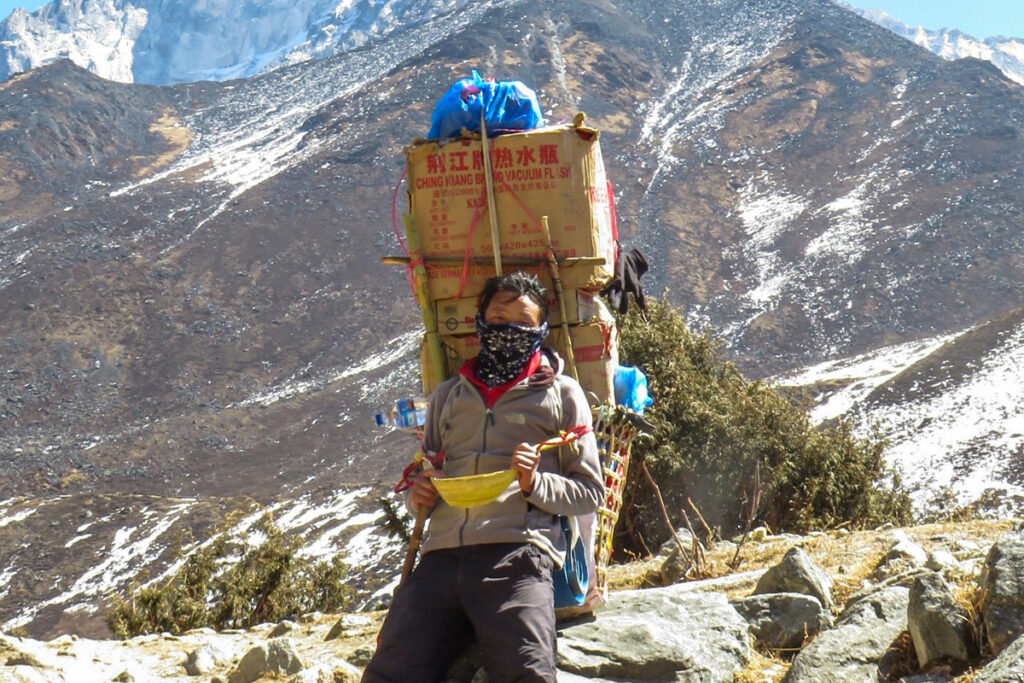
You can learn more about an agency’s real ethics from how they treat porters than from anything on their About page, mostly because it’s the part almost nobody checks.
Ask directly:
- What’s the maximum weight your porters carry? IPPG guidelines put this around 20 to 25 kg. If an agency doesn’t know this number offhand, that’s telling.
- Do they have proper footwear and layers for high passes, or are they in sneakers and a windbreaker at 5,000 meters? This still happens more than people realize.
- Are they insured against illness or injury?
- Do they get paid a fair daily wage regardless of what tourists tip?
An agency that answers these without hesitation, with specific numbers, is one that’s actually thought about it. An agency that gets uncomfortable is one that hasn’t.
Safety: Where the Real Differences Show Up
This is the part that matters most, and it’s also the part most itineraries gloss over in a single vague sentence.
Altitude protocol. Does the schedule build in real acclimatization days? More importantly, will the guide actually pull the plug on someone’s summit day if they’re showing symptoms? A lot of guides know the textbook answer but won’t act on it under pressure from a group that “just wants to keep going.” Ask how they’ve handled it before.
Oxygen and medication. On the higher routes, do guides carry supplemental oxygen or emergency meds like Diamox? Not every trek needs this, but above certain altitudes, it should be a yes.
Communication. Once you’re past Namche or off the main teahouse circuit, cell signal disappears. Is there a satellite phone or similar device with the group?
Evacuation plan. If someone needs a helicopter out, is there an actual process? Who calls it in, how it’s coordinated, who fronts the cost before insurance reimburses. “We’ll figure it out” is not a plan.
Insurance. You need a policy that specifically covers high-altitude trekking and helicopter evacuation. Most standard travel insurance quietly excludes this above a certain elevation. A good agency asks to see your policy before you leave. If they don’t ask, that’s a gap you’re filling with your own money later.
How to Actually Read Reviews
Everyone says “check the reviews,” which is useless advice on its own because reviews are easy to fake and easy to misread. Here’s how to actually use them.
Skip the five-star reviews that just say “amazing trip, highly recommend!” Those tell you nothing. Look for reviews that mention specifics: a guide’s name, a moment where something went wrong and how it was handled, a comment about the food or the porter treatment. Specificity is much harder to fake than enthusiasm.
Also look at how the agency responds to negative reviews, if any exist. A defensive, dismissive response is a red flag. A response that acknowledges the issue and explains what changed is a much better sign. It means someone’s actually paying attention.
And check the dates. A page full of five-star reviews all posted in the same two-week window usually means someone bought a review package, not that a hundred trekkers organically decided to log on and gush.
Why Local Knowledge Actually Shows Up on the Trail
International booking sites can arrange your trek, sure, but a lot of them are just reselling a local ground operator’s services anyway, often with less visibility into how things are actually run.
Being based in Kathmandu means Nepal Adventure Trails deals with the small, unglamorous stuff that international agencies often miss: which teahouse at a given stage is actually reliable this season, how a particular pass behaves once the weather shifts in late October, which permit office is enforcing which rule this month versus what’s outdated on some blog from three years ago. That’s not marketing language. It’s the difference between a trip that goes smoothly and one where you’re improvising on day six.
Frequently Asked Questions
Are tips included in the price?
No, and honestly, don’t trust an agency that tells you they are. It’s standard industry practice for tips to be separate from the base cost. A transparent agency will just tell you this upfront and give you a realistic ballpark for guides and porters instead of dodging the question.
What qualifications should my guide actually have?
Government-issued trekking guide license, wilderness first aid training, and real experience on your specific route, not just “trekking experience” in general. For higher routes, ask about high-altitude rescue training too.
How do I actually verify a Nepal trek agency is licensed?
Get their NTB registration number and TAAN membership details and check them yourself. Don’t take a website badge at face value. It costs nothing to display one.
Do I really need special travel insurance for this?
Yes. Most standard travel policies exclude high-altitude trekking and helicopter evacuation, which are exactly the things you might need. Confirm your policy covers the actual elevation of your route before you go, not after.
What’s the real difference between teahouse and camping treks, safety-wise?
Teahouse treks use existing lodges along the route; camping treks bring tents and a bigger crew, usually for routes without lodges. Neither is inherently safer. What matters is whether the agency’s staffing and emergency planning actually match the style of trek you’ve chosen.
A Straightforward Next Step
You shouldn’t have to guess about permits, guide qualifications, or what your quote actually covers. At Nepal Adventure Trail, we believe transparency is the foundation of a great trek. If you have questions about permits, guide certifications, or what to pack, feel free to reach out to our team directly.