

Yalung Khang: Nepal Officially Updates Its Peak Profile: Recognizing 14 Mountains Over 8,000 Meters
Table of Contents
- Introduction
- Yalung Khang: A New Jewel in Nepal’s Crown
- Key Features of Yalung Khang
- Nepal’s Updated List of 14 Officially Recognized Mountains
- How Yalung Khang and the New Peaks Will Boost Tourism
- Attracting Climbers and Adventurers
- Increased Revenue from Climbing Permits
- Boost to Local Economy
- Enhanced Global Reputation
- Promotion of Sustainable Tourism
- Awaiting International Recognition
- Conclusion
- Backlinks and On-Page SEO
- Internal Links
- External Links
- On-Page SEO Tips
Nepal, the land of the Himalayas, has always been a dream destination for mountaineers and adventure enthusiasts. In a groundbreaking move, the Nepalese government has officially updated its peak profile, now recognizing 14 mountains over 8,000 meters. This update includes six newly acknowledged peaks, which could significantly boost Nepal’s tourism revenue and attract climbers from around the world.
This article delves into the details of this exciting development, the newly recognized peaks, the process behind the update, and its potential impact on Nepal’s tourism industry.
The Newly Recognized Peaks
Nepal’s updated peak profile now includes six new mountains over 8,000 meters. These peaks were previously considered sub-peaks or were not officially recognized. Here’s a closer look at each of them:
1. Yalung Khang (8,505m)
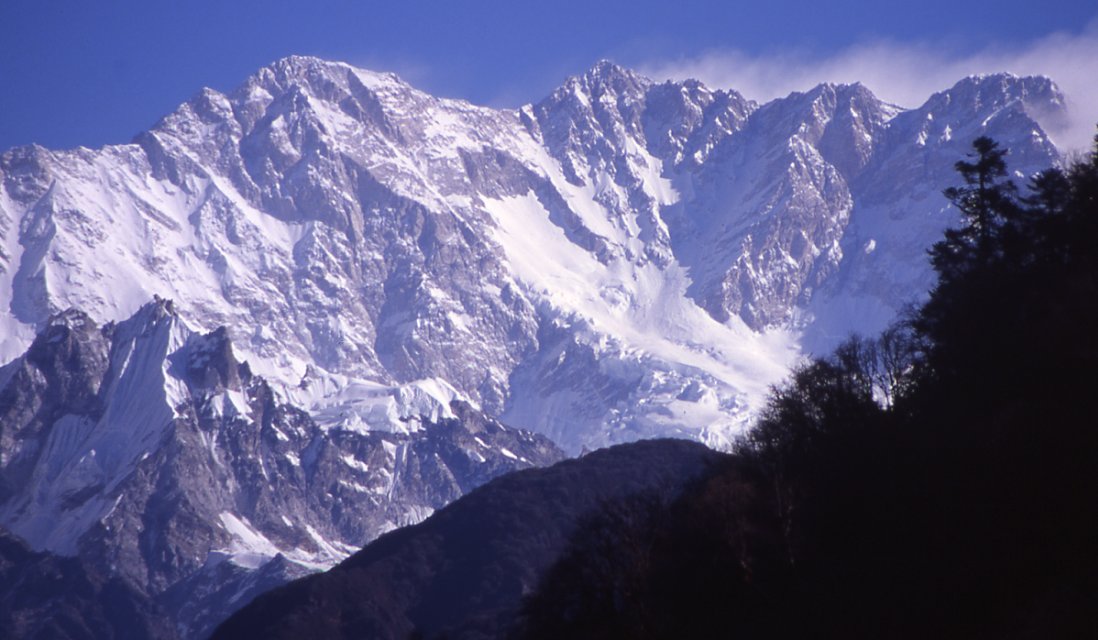
Yalung Khang is a prominent peak in the Kangchenjunga massif. While it has been climbed by a few expeditions, it was not officially recognized as an independent peak until now.
2. Yalung Khang West (8,077m)
.jpg)
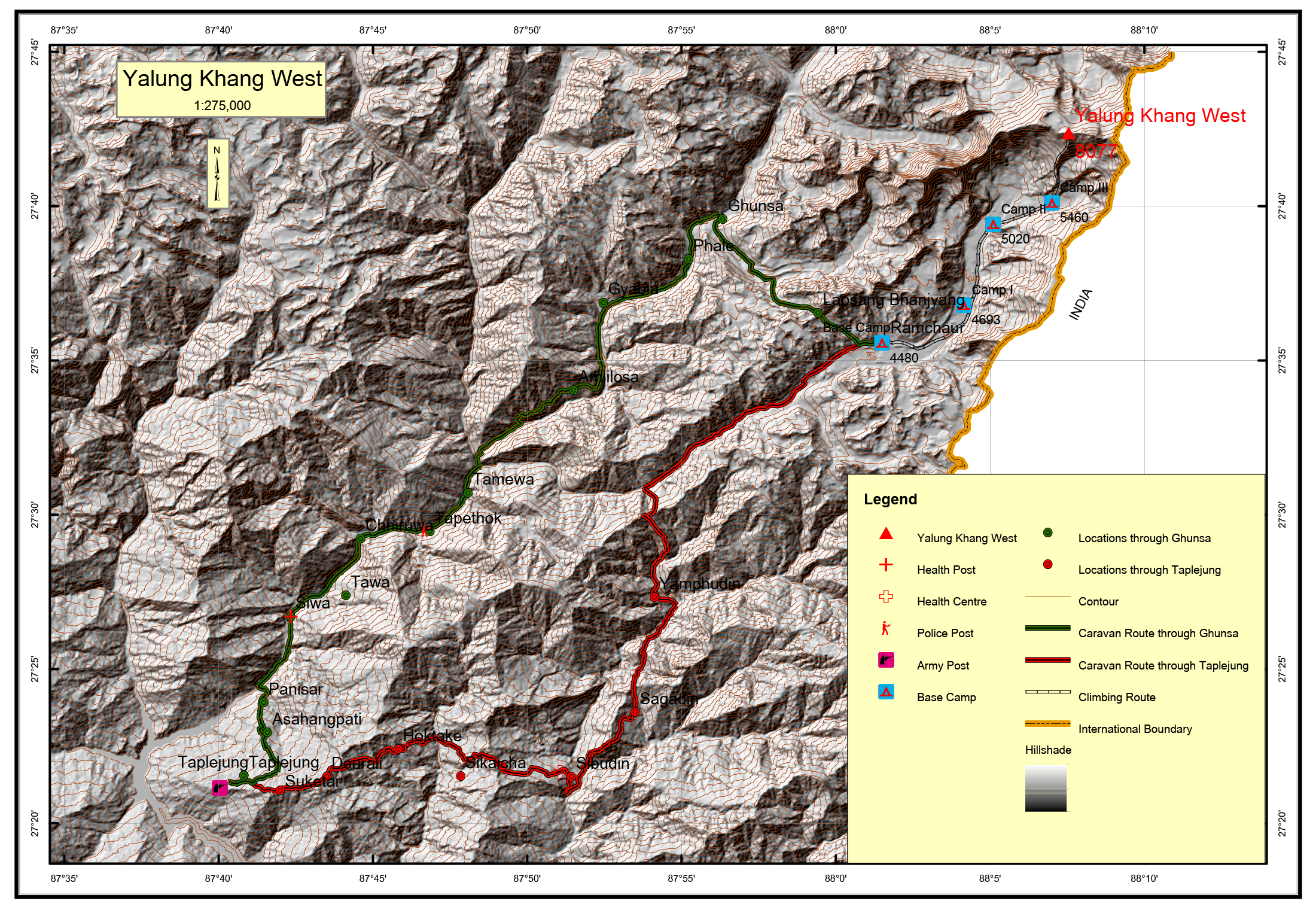
This is the western counterpart of Yalung Khang. Its inclusion adds another challenging climb for mountaineers aiming to conquer Nepal’s highest peaks.
3. Kanchenjunga Central (8,473m)
Kanchenjunga, the world’s third-highest peak, now has its central summit officially recognized. This peak offers a unique challenge for climbers due to its technical difficulty.
4. Kanchenjunga South (8,476m)
.jpg)

The southern summit of Kanchenjunga is another addition to the list. It is known for its stunning views and challenging ascent.
5. Lhotse Middle (8,410m)

.jpg)
Lhotse, the fourth-highest peak in the world, now has its middle summit recognized. This peak is often overshadowed by its more famous neighbor, Mount Everest, but it is equally challenging.
6. Lhotse Shar (8,400m)
.jpg)
.jpg)
Lhotse Shar, the eastern summit of Lhotse, is another newly recognized peak. It is a popular destination for experienced climbers seeking less-crowded routes.
The Process Behind the Update
The updated list of 14 peaks over 8,000 meters has been in preparation for over a decade. The Nepal government, in collaboration with experts, conducted extensive studies and mapping to ensure the accuracy of the data.
The process involved:
- Geological Surveys: Detailed studies of the Himalayan range to identify and measure the peaks.
- Historical Data Analysis: Reviewing past climbing records and expedition reports.
- International Collaboration: Working with global mountaineering organizations to validate the findings.
The updated list is now awaiting approval from the Nepalese Cabinet before being submitted to the International Mountaineering and Climbing Federation (UIAA) for international recognition.
Current Globally Recognized Eight-Thousanders in Nepal
Before this update, Nepal was home to eight globally recognized peaks over 8,000 meters. These include:
| Peak Name | Height (meters) | Rank (World) |
|---|---|---|
| Mount Everest | 8,848.86 | 1 |
| Kanchenjunga | 8,586 | 3 |
| Lhotse | 8,516 | 4 |
| Makalu | 8,485 | 5 |
| Cho Oyu | 8,188 | 6 |
| Dhaulagiri | 8,167 | 7 |
| Manaslu | 8,163 | 8 |
| Annapurna I | 8,091 | 10 |
With the addition of the six new peaks, Nepal’s list of eight thousanders now stands at 14, solidifying its position as the ultimate destination for high-altitude mountaineering.
Impact on Nepal’s Tourism Industry
The recognition of these new peaks is expected to have a significant impact on Nepal’s tourism industry. Here’s how:
1. Increased Climber Interest
The addition of new peaks will attract climbers looking to conquer uncharted or less-explored summits. This could lead to a surge in climbing permits and expedition bookings.
2. Boost to Local Economy
More climbers mean increased revenue for local businesses, including trekking agencies, hotels, and guides. This will also create job opportunities for the local population.
3. Enhanced Global Reputation
Nepal’s reputation as a mountaineering hub will be further strengthened, drawing attention from international media and adventure enthusiasts.
4. Promotion of Sustainable Tourism
The government can use this opportunity to promote sustainable tourism practices, ensuring that the environmental impact of increased climbing activities is minimized.
Awaiting International Recognition
While the Nepalese government is confident about the updated count, the final step is gaining international recognition from the UIAA. This process involves:
- Submitting detailed documentation, including survey data and historical records.
- Addressing any concerns or queries raised by the UIAA.
- Collaborating with international mountaineering experts to validate the findings.
Once approved, Nepal’s updated peak profile will be officially recognized worldwide, opening new doors for climbers and adventurers.
Conclusion
Nepal’s decision to officially recognize 14 mountains over 8,000 meters is a monumental step for the country’s mountaineering and tourism sectors. The inclusion of six new peaks not only adds to Nepal’s rich Himalayan heritage but also promises to boost its economy and global reputation.
As the world awaits the UIAA’s approval, climbers and adventure enthusiasts are already gearing up to explore these new summits. Nepal’s Himalayas continue to inspire and challenge, proving once again why they are the crown jewel of the mountaineering world.
Whether you’re an experienced climber or a nature lover, Nepal’s updated peak profile offers something for everyone. Stay tuned for more updates as Nepal cements its place as the ultimate destination for high-altitude adventures!
Internal Links:
External Links:
SEO Keywords: Nepal 8,000 meter peaks, new 8,000 meter mountains Nepal, mountaineering in Nepal, recognized 8,000 meter peaks, Yalung Khang, Kanchenjunga Central South peaks, Lhotse Middle Shar peaks, Nepal climbing tourism, UIAA mountain recognition, Nepal tourism boost 8,000 meters, new climbing challenges Nepal, Nepal mountaineering update, highest mountains in Nepal, Nepal mountaineering heritage, adventure tourism in Nepal, Nepal tourism economy, climbing Kanchenjunga peaks, Nepal’s 14 8,000 meter peaks, mountaineering routes in Nepal, Himalayan peaks in Nepal, trekking in Nepal, Everest climbing, Lhotse climbing, Manaslu summit, Dhaulagiri expedition, Annapurna I peak, Cho Oyu ascent, Makalu mountain climb, Kanchenjunga climbing routes, Nepal summit statistics, high altitude trekking Nepal, Nepal peak map, Nepal climbing permits, mountain expeditions Nepal, adventure travel Nepal, Everest region trekking, Nepal tourism trends, Nepal travel guide, Himalayan adventure tourism, top peaks Nepal, Nepal climbing season, Mount Everest altitude, Nepal climbing season dates, world’s highest peaks, highest mountains in the world, Nepal mountaineering news, climbing in the Himalayas, Nepal peak profiles, Nepal’s 8,000 meter mountains, UIAA recognition Nepal, Nepal peak heights, Himalayan climbing history, Nepal climbing routes, Nepal travel tips, eco-tourism Nepal, Nepal tourism development, Nepal adventure tourism industry, Nepal tourism trends 2025, exploring Nepal’s peaks, Nepal tourism statistics, Yalung Khang West, new peaks Nepal, Nepal tourism growth, Nepal tourism revenue, mountaineering safety Nepal, Nepal tourism opportunities, new mountain additions Nepal, Nepal summit challenges, Lhotse Middle expedition, Kanchenjunga South peak, Nepal mountaineering industry, trekking in Kanchenjunga region, Nepal high-altitude climbing, Himalayan trekking routes, Nepal adventure tourism experiences, Nepal summit records, Nepal mountaineering challenges, Nepal UIAA certification, mountain tourism Nepal, peak climbing Nepal, climbing permits Nepal, Nepal tourism potential, Nepal’s top climbing destinations, high altitude mountaineering Nepal, Nepal’s peak heritage, new climbing routes Nepal.
Wow! Which of the Yalung Khang mountains would you recommend for a first-time trekker in Nepal?
For first-time trekkers, I’d recommend starting with peaks that have moderate trails and stunning views, like Langtang Lirung or Ganesh Himal. They offer an unforgettable experience without being too challenging.
Kanchenjunga Base Camp sounds amazing! How challenging is the trek, and how many days does it usually take?