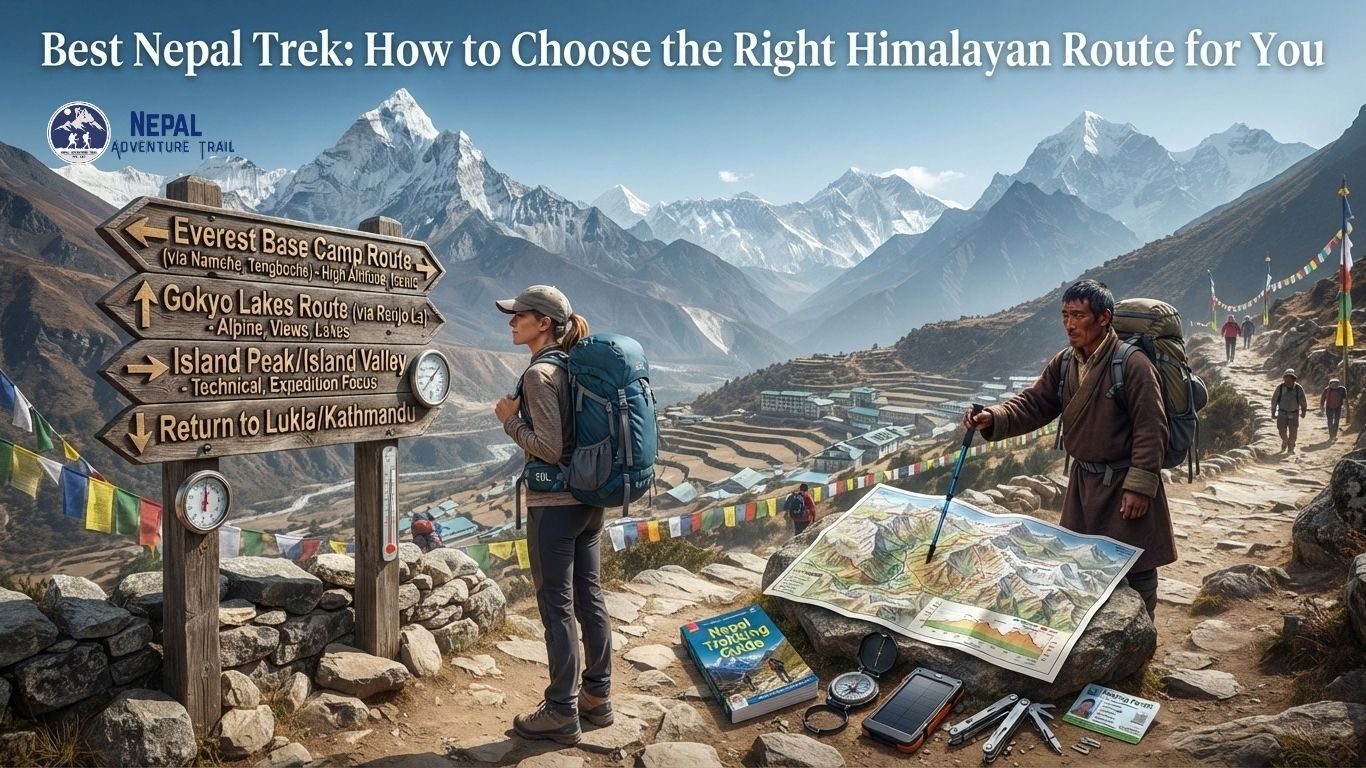
Ask ten guides for the best Nepal trek and you will hear five answers. The famous route is not always the right one. Everest Base Camp carries the biggest name, yet a trekker with eight days, a modest fitness base and a love of forest might be happier on Mardi Himal. Someone craving empty trails may find the Everest corridor too busy.
Six factors decide the match: trekking experience, trip length, altitude tolerance, season, scenery and cultural interest. Remoteness and budget sit underneath them. Nepal offers teahouse treks that finish in a long weekend, and restricted-area expeditions that need a month and a permit paid in US dollars.
This guide compares the main routes, explains difficulty and altitude honestly, and flags where rules and prices are in motion. The aim is not to crown a winner. It is to help you find the best Nepal trek for your own priorities.
Quick Answer: What Is the Best Nepal Trek?
For many first-time visitors, Everest Base Camp is the classic choice for an iconic Himalayan experience. It is also high, busy in season and logistics-heavy. Annapurna Base Camp suits trekkers who want big mountain scenery in a shorter window. The Annapurna Circuit offers changing landscapes over a longer walk. Langtang Valley offers Tamang culture and closer mountains, though access needs checking after the August 2026 Rasuwa flood. Manaslu, Gokyo, Upper Mustang and Kanchenjunga reward experience, time or a taste for remote country.
Best Nepal Treks at a Glance
Durations and elevations are approximate and vary by itinerary.
| Trek | Typical Duration | Difficulty | Highest Point | Best For | Main Attraction |
|---|---|---|---|---|---|
| Ghorepani Poon Hill | 4 to 6 days | Easy to moderate | 3,210 m | Short trips, beginners | Sunrise over Dhaulagiri and Annapurna |
| Mardi Himal | 5 to 7 days | Moderate | About 4,500 m | Forest and ridge views | Close views of Machapuchare |
| Annapurna Base Camp | 7 to 12 days | Moderate | 4,130 m | First big trek | Mountain amphitheatre |
| Langtang Valley | 7 to 10 days | Moderate | Kyanjin Ri, about 4,770 m | Culture and accessibility | Glacial valley, Tamang villages |
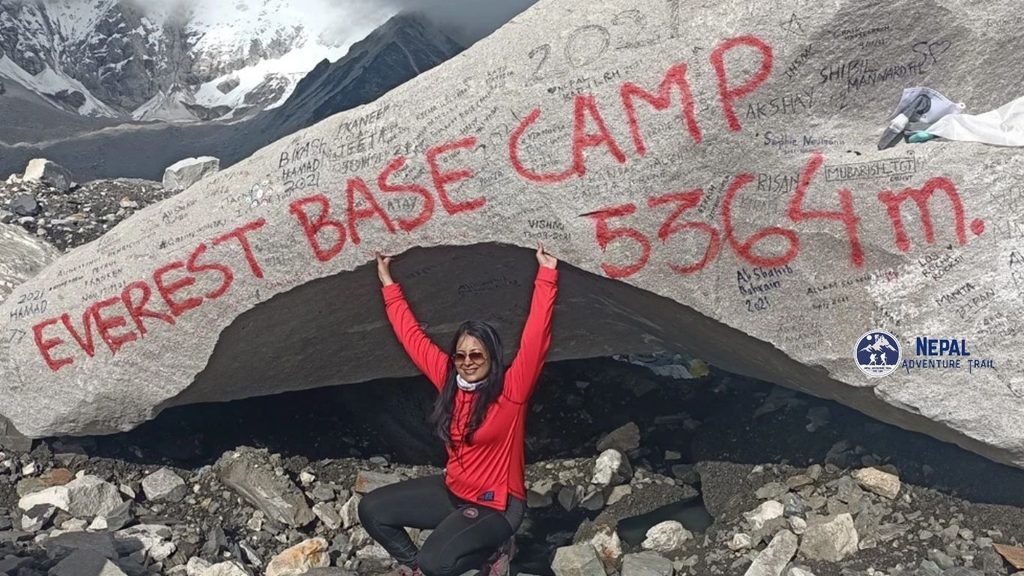
| Everest Base Camp | 12 to 14 days | Moderate to demanding | Base Camp about 5,364 m; Kala Patthar about 5,545 m | Iconic Everest region | Sherpa culture, Everest views |
| Annapurna Circuit | 10 to 18 days | Demanding | Thorong La, 5,416 m | Varied terrain, high pass | Humid valleys to Tibetan plateau |
| Gokyo Valley | 10 to 14 days | Demanding | Gokyo Ri, 5,357 m | Alpine lakes, Everest views | Ngozumpa Glacier and lakes |
| Manaslu Circuit | 12 to 16 days | Demanding | Larkya La, about 5,100 to 5,200 m | Remote culture and scenery | Tibetan-influenced valleys |
| Upper Mustang | 10 to 14 days | Moderate, high and dry | About 3,800 m at Lo Manthang | Culture and desert landscape | Cliffs, caves, walled capital |
| Kanchenjunga | 3 to 4 weeks | Very demanding | North base camp, about 5,100 m | Remote expeditions | Third-highest mountain on Earth |
Best Nepal Trek by Traveler Type
Beginners. Ghorepani Poon Hill, Mardi Himal and Annapurna Base Camp are the usual starting points. Poon Hill stays near 3,200 m, which keeps altitude risk low. Expect steep stone steps and daily walks of several hours. Mardi Himal climbs higher and is steeper, so it suits steady walkers.
First-time visitors. Choose between iconic and easier. Everest Base Camp is the iconic option, with a flight to Lukla and a long ascent to over 5,000 m. Annapurna Base Camp or Langtang are gentler introductions to teahouse trekking.
Experienced trekkers. Manaslu, Gokyo with the Renjo La, Three Passes and Kanchenjunga ask for acclimatisation discipline, pass crossings and tolerance for basic lodges.
Families. Poon Hill and lower Annapurna routes work best. Keep itineraries below about 3,500 m for younger children, and add rest days.
Short treks. Poon Hill, Mardi Himal and the shorter Langtang itineraries fit a week or less.
Long-distance treks. The Annapurna Circuit, Manaslu and Kanchenjunga reward time. Gradual change in terrain and culture is the point.
Mountain views. Gokyo Ri and Kala Patthar give broad views of Everest. Annapurna Base Camp wraps you in peaks. Poon Hill gives the most view for the least effort.
Culture. Langtang, Manaslu, Upper Mustang and the Sherpa villages of Khumbu offer monasteries, Buddhist communities and mani walls.
Remote experiences. Remote means long walk-ins, thin infrastructure, limited medical access and fewer lodges. Kanchenjunga, Manaslu and Upper Mustang sit at that end.
Major Treks in Nepal
Everest Base Camp Trek
The classic route runs from Lukla through Namche Bazaar and Tengboche to Gorak Shep, with Kala Patthar as the usual viewpoint for Everest. Sherpa villages, monasteries and suspension bridges shape the walk. Expect about 12 to 14 days. Altitude is the main challenge, and acclimatisation days are not optional. Spring and autumn are the main seasons. Lukla flights in peak months have often operated from Manthali in Ramechhap, so confirm arrangements.
Annapurna Circuit
The circuit climbs from subtropical valleys through Manang to Thorong La at 5,416 m, then drops to Muktinath and the Kali Gandaki gorge. Landscape change is the draw. Road construction has altered sections of the trail, and many trekkers shorten the walk, so itineraries vary from about 10 to 18 days. Autumn and spring are favoured, and the Manang side sits in a rain shadow.
Annapurna Base Camp Trek
This route climbs the Modi Khola valley through rhododendron forest to a high basin ringed by Annapurna I, Machapuchare and Hiunchuli. Base camp sits at about 4,130 m. Plan 7 to 12 days. Stairs are relentless. Spring and autumn work best, and the monsoon brings leeches and slides.
Langtang Valley Trek
A glacial valley close to Kathmandu, with Tamang culture and Kyanjin Gompa as the usual turnaround. Typical length is 7 to 10 days. After the 26 August 2026 flash flood in Rasuwa, reports describe disrupted road access around Syabrubesi, and some operators suggest alternate starts. Confirm status with a registered operator before committing.
Manaslu Circuit Trek
A remote loop around the eighth-highest mountain, crossing Larkya La. Villages grow more Tibetan with height. It needs a restricted-area permit and a licensed guide, usually 12 to 16 days. Reports in September 2026 flagged flash-flood damage to bridges near Namrung, so check route status.
Mardi Himal Trek
A forested ridge walk with close views of Machapuchare and the Annapurnas. It is shorter and quieter than the Annapurna classics, though popularity is rising. About 5 to 7 days.
Gokyo Valley Trek
A branch of the Everest region leading to the Gokyo lakes and Gokyo Ri at 5,357 m. It can be done as an out-and-back or combined with Cho La and Everest Base Camp. Views of four 8,000-metre peaks are reported from the summit of Gokyo Ri. Trails are quieter than the main Base Camp route.
Upper Mustang Trek
Behind the Annapurna and Dhaulagiri ranges, Upper Mustang is arid, windy and culturally Tibetan, centred on the walled town of Lo Manthang. It sits in a rain shadow and can be trekked in summer. A restricted-area permit applies.
Kanchenjunga Trek
The most remote route here, in Nepal’s far east, reaching north and south base camps. It takes three to four weeks, with long days and basic lodging. A restricted-area permit applies.
Ghorepani Poon Hill Trek
A short walk through rhododendron forest to a sunrise viewpoint at 3,210 m. It is the easiest on this list, and busy in March, April, October and November.
Everest Base Camp vs Other Nepal Treks, and Annapurna vs Everest
Everest Base Camp is famous because of what it reaches. It also means higher altitude, more traffic, a flight dependency and costs that climb with height. Annapurna Base Camp is shorter and lower. The Annapurna Circuit delivers terrain variety. Langtang and Manaslu trade infrastructure for culture. Gokyo trades crowds for lakes. Mardi Himal trades altitude for forest and ridge scenery.
Between the two big regions, the Everest corridor suits trekkers who want Everest itself, Sherpa culture and a clear goal at altitude. Annapurna suits those who want landscape range, lower starting points, shorter options and trail variety, from subtropical hills to high desert. Everest is generally higher and more flight-dependent. Annapurna is generally more flexible in length. Neither wins. They answer different questions.
Best Time for the Best Nepal Treks
Spring (March to May) brings rhododendrons, warm lower trails and cooler nights above 4,000 m. Haze can soften distant views, and popular routes fill.
Monsoon (June to September) brings rain, cloud, slippery trails, landslides and leeches on lower routes. Rain-shadow regions such as Upper Mustang and the upper Manang side are far drier, so monsoon does not close everything.
Autumn (late September to November) often brings the clearest post-monsoon skies and the heaviest crowds. October is the busiest month.
Winter (December to February) is cold, with snow on high passes. Lower routes such as Poon Hill can work, and trails are quiet.
Conditions vary by route, year and altitude. For detail, see our best time to visit Nepal guide.
Month by Month
| Month | Suitable Treks | Advantage | Limitation |
|---|---|---|---|
| January | Poon Hill, low-altitude routes | Quiet trails | Cold; passes snowbound |
| February | Poon Hill, Mardi Himal lower sections | Clear days | Cold nights |
| March | Poon Hill, Annapurna Base Camp, Everest | Early rhododendrons | Haze begins |
| April | Everest, Annapurna, Langtang | Warm, stable | Crowded |
| May | Upper Mustang, high routes | Higher blooms | Heat, afternoon cloud |
| June | Upper Mustang, Dolpo | Dry rain-shadow | Monsoon on most routes |
| July | Upper Mustang | Quiet | Landslide risk elsewhere |
| August | Rain-shadow routes | Green hills | Flood and road risk |
| September | Late-month rain-shadow and lower routes | Fewer trekkers | Rain tail |
| October | All classics | Clearest skies | Peak demand, Dashain |
| November | Everest, Annapurna, Manaslu | Crisp, dry | Cold at height |
| December | Poon Hill, lower routes | Quiet | Cold, snow on passes |
What Makes a Trek Difficult
Altitude. Elevation gain and loss. Walking hours. Terrain. Weather. Acclimatisation time. High passes. Remoteness. Your fitness and experience. No single rating captures all of these. A route labelled moderate can still be hard if the weather turns or you ascend too fast. Ratings are guides, not guarantees.
Altitude and Acclimatisation
Ascend gradually, include rest days, drink water and pace yourself. Common symptoms of altitude illness include headache, nausea, dizziness and poor sleep. Do not go higher with worsening symptoms. If symptoms worsen, descend. Severe symptoms such as confusion, breathlessness at rest or loss of balance need immediate descent and medical help. Consult a doctor or travel clinic about altitude advice before a high-altitude trek, and follow guidance from established high-altitude medical sources.
Permits and Regulations
Rules and fees change, and sources disagree. Treat the figures below as typically published values for foreign nationals, and confirm with the Nepal Tourism Board, the Department of Immigration or a registered operator before you book.
- National park and conservation area permits: about NPR 3,000 for Sagarmatha, Annapurna (ACAP), Langtang and Manaslu (MCAP). Kanchenjunga is reported at about NPR 2,000.
- Khumbu local fee: the Khumbu Pasang Lhamu Rural Municipality charges its own fee, reported between NPR 2,000 and 3,000.
- TIMS: reports disagree. Several say it is no longer required in Khumbu and not enforced on Annapurna trails, while still used in Langtang and Manaslu. Ask your operator.
- Restricted areas: Manaslu is reported at USD 100 for the first week in September to November, and USD 75 for December to August. Kanchenjunga is about USD 20 per week. Upper Mustang sources conflict: the older USD 500 for 10 days, and a reported shift to USD 50 per day from late 2025. Reports also say solo applicants can apply for restricted-area permits since 22 March 2026, though a guide is still required.
- Guides: the Nepal Tourism Board announced a guide requirement for foreign trekkers in 2023. Many sources describe it as enforced on most major routes. Some describe the Everest region as handled differently. Confirm for your route.
Cost of Trekking in Nepal
Costs depend on route, season, support and comfort. Main items: permits, guide, porter, accommodation, meals, transport, domestic flights, gear, insurance, charging and Wi-Fi, tips and emergency cover.
Published daily guide rates cluster around USD 25 to 40, and porters around USD 20 to 30. Teahouse rooms often cost a few dollars to about USD 15, and prices rise with altitude. A dal bhat meal runs from about USD 5 near the start to over USD 10 high up. One operator quotes about USD 1,250 to 1,800 for a 14-day guided Everest Base Camp package. Treat all of these as approximate, ask what is included, and be cautious of unusually low quotes. Budget for emergencies and insurance that covers high-altitude trekking and evacuation.
Teahouse Trekking
Teahouses are family-run lodges offering a bed and meals. Rooms are basic, often twin, with shared bathrooms. Expect dal bhat, noodles, eggs and tea. Electricity, charging, Wi-Fi and hot showers are often paid extras. Standards drop and prices rise with altitude. Bring a sleeping bag liner or bag. Remote routes such as Kanchenjunga and Upper Dolpo may have thinner lodging.
What to Pack
Broken-in boots. Layered clothing. A waterproof jacket and warm insulating layers. A sleeping bag for cold routes. Trekking poles. Sun protection. A water bottle or hydration system. A basic first-aid kit and personal medication. A headlamp. Passport, permits and insurance papers. A daypack, with the main load carried by a porter if you hire one.
Safety, Responsible Trekking and Guided Options
Check weather, avoid pushing through altitude symptoms, buy insurance and share your plan. Stay on established trails, carry out waste, avoid single-use plastic, respect mani walls and monasteries, ask before photographing people, support local businesses and ensure porters have proper clothing, weight limits and fair pay.
Independent, guided and group trekking differ. Independent trekking is restricted on many routes under current guide rules. A guide adds navigation, safety and local knowledge. A porter reduces load. A group lowers costs per person. Because rules change, confirm your route’s requirements first.
How to Choose Your Best Nepal Trek
- Everest Base Camp: if you want the iconic Everest region and can handle high-altitude trekking.
- Annapurna Circuit: if you want changing landscapes and a long-distance route.
- Annapurna Base Camp: if you want a shorter, big-mountain trek.
- Langtang Valley: if you want culture and a closer valley, after confirming access.
- Manaslu Circuit: if you want remote cultural trekking and have experience.
- Mardi Himal: if you want forest and ridge views without much time.
- Gokyo Valley: if you want lakes and Everest views with fewer crowds.
- Upper Mustang: if you want desert landscapes and Tibetan culture, even in monsoon.
- Poon Hill: if you want an easy first trek.
By time available: about a week suits Poon Hill, Mardi Himal and Langtang. Around ten days suits Annapurna Base Camp or Gokyo. Around two weeks suits Everest Base Camp, the Annapurna Circuit and Manaslu. Three weeks or more suits Kanchenjunga and extended Annapurna or Everest variants.
Why Trek in Nepal?
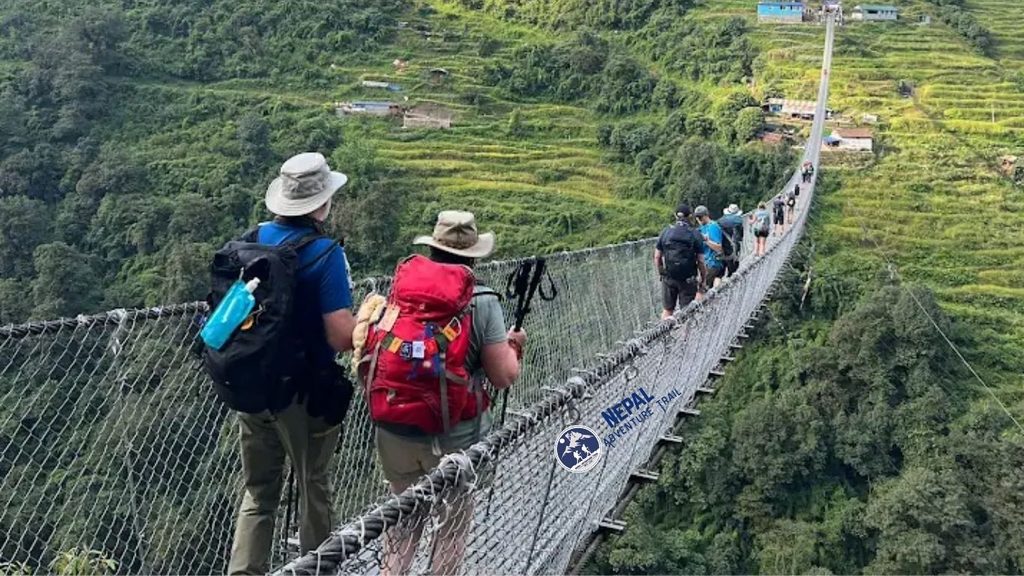
Nepal holds eight of the world’s 14 peaks above 8,000 m. Routes run from subtropical hills to alpine passes. Teahouse infrastructure lets you walk without camping, and mountain communities host you along the way.
Planning With Nepal Adventure Trail
A local operator can help with route selection, itinerary, permits, guide and porter arrangements, transport and lodging. Nepal Adventure Trail plans trekking itineraries across several regions, and the useful starting question is your time, fitness and season. A good operator will tell you when a famous route is the wrong fit.
Frequently Asked Questions
What is the best trek in Nepal?
There is no single answer. Everest Base Camp is the classic iconic choice, Annapurna Base Camp suits a shorter big-mountain trip, and Manaslu or Kanchenjunga suit remote travel. Your time, fitness, season and interest decide.
What is the easiest trek in Nepal?
Ghorepani Poon Hill is usually considered the easiest, topping out near 3,200 m with stone stairs and short days. Lower Annapurna and Langtang itineraries can also be gentle with proper pacing.
What is the best Nepal trek for beginners?
Poon Hill and Annapurna Base Camp suit most first-timers. Mardi Himal works for steady walkers. Choose itineraries with rest days and a guide, and prepare with hill walks.
What is the best season for trekking in Nepal?
Spring and autumn are the main seasons. October is the busiest. Winter suits lower routes. Monsoon suits rain-shadow regions such as Upper Mustang. Conditions vary by route and year.
What is the best trek for Everest views?
Everest Base Camp with Kala Patthar offers the closest views. Gokyo Ri offers a broader panorama with four 8,000 m peaks. Weather can hide views at any time of year.
What is the best short trek in Nepal?
Poon Hill takes four to six days. Mardi Himal takes five to seven. A short Langtang itinerary can fit a week when road access allows.
What is the most challenging trek in Nepal?
Kanchenjunga is among the most demanding because of length and remoteness. Manaslu, Gokyo with high passes and the Three Passes are also hard, mainly due to altitude and pass crossings.
How much does trekking in Nepal cost?
It depends on route and support. Permits can be small for standard routes and large for restricted areas. Guides, porters, lodging, flights and insurance add up. Ask what is included in any quote.
What permits do I need for a Nepal trek?
Usually a park or conservation area permit, plus a local fee or TIMS in some regions. Restricted areas need a special permit via a registered agency. Rules change, so confirm before booking.
Do I need a guide to trek in Nepal?
Under the 2023 rules announced by the Nepal Tourism Board, foreign trekkers are generally required to hire a licensed guide on most major routes. Sources differ on details such as the Everest region, so check your route.
How dangerous is altitude on Nepal treks?
Altitude illness can affect anyone above about 2,500 m, regardless of fitness. Ascend slowly, rest, hydrate and descend if symptoms worsen. Take it seriously on Everest, Annapurna Circuit and Manaslu.
How should I prepare for my first Nepal trek?
Build fitness with hill walking, break in boots, pack layers, buy insurance that covers altitude and choose an itinerary with acclimatisation days. Book permits and logistics through a registered operator.