


Everest Base Camp Trekking in Nepal | Everything You Need to Know
The Everest Base Camp (EBC) trek in Nepal is a dream come true for many adventure lovers. It takes you on an amazing journey to the base of Mount Everest, the tallest mountain in the world at 5,364 meters (17,598 feet).
This trek offers beautiful mountain views, a chance to experience Sherpa culture, and a fun but challenging adventure. Whether you are an experienced trekker or doing this for the first time, this simple guide will help you with everything you need to know about the EBC trek, including the route, costs, preparation, and useful tips to make your trip unforgettable.

Why Choose the Everest Base Camp Trek?
The EBC trek usually takes 12-14 days and starts with a short flight from Kathmandu to Lukla. It’s not just about reaching the base camp; it’s about enjoying the stunning mountains and learning about the Sherpa people who live in this region. Along the way, you’ll see amazing views of Everest, Lhotse, and Ama Dablam, visit old monasteries, and get to know the local culture.
Key Highlights of the Trek
- Duration: 12-14 days, including rest days to help your body adjust to the altitude.
- Starting Point: Lukla (2,860 meters), reached by a 30-minute flight from Kathmandu.
- Highest Point: Everest Base Camp (5,364 meters); Kala Patthar viewpoint (5,545 meters) for amazing sunrise views.
- Fitness Level: Moderate to good fitness needed, with 5-7 hours of walking each day at high altitudes.
- Best Seasons: Spring (March-May) and autumn (September-November) for clear skies and good weather.
- Permits: You need a Sagarmatha National Park entry permit and a local community fee.
- Accommodation: Simple and cozy tea houses and lodges along the trail.
- Cost: Between $1,150 and $4,000, depending on your group size and package.

Want to see what the trek looks like? Watch this Everest Base Camp trek video to get a feel for the trails and Sherpa villages.
What Makes the EBC Trek Special?

1. Stunning Mountain Views
The trek offers some of the best views of the world’s tallest mountains. From Namche Bazaar, the lively Sherpa town, to Kala Patthar, you’ll see Everest, Lhotse, and Nuptse up close. The trail goes through Sagarmatha National Park, a UNESCO World Heritage Site full of unique plants and animals like the Himalayan tahr and colorful birds.
2. Sherpa Culture
The Khumbu area is home to the Sherpa people, famous for their mountaineering skills and friendly nature. You’ll visit monasteries like Tengboche, walk through villages like Phakding, and learn about their Buddhist traditions. For more on Sherpa life, check out this Sherpa culture guide.
3. A Great Challenge
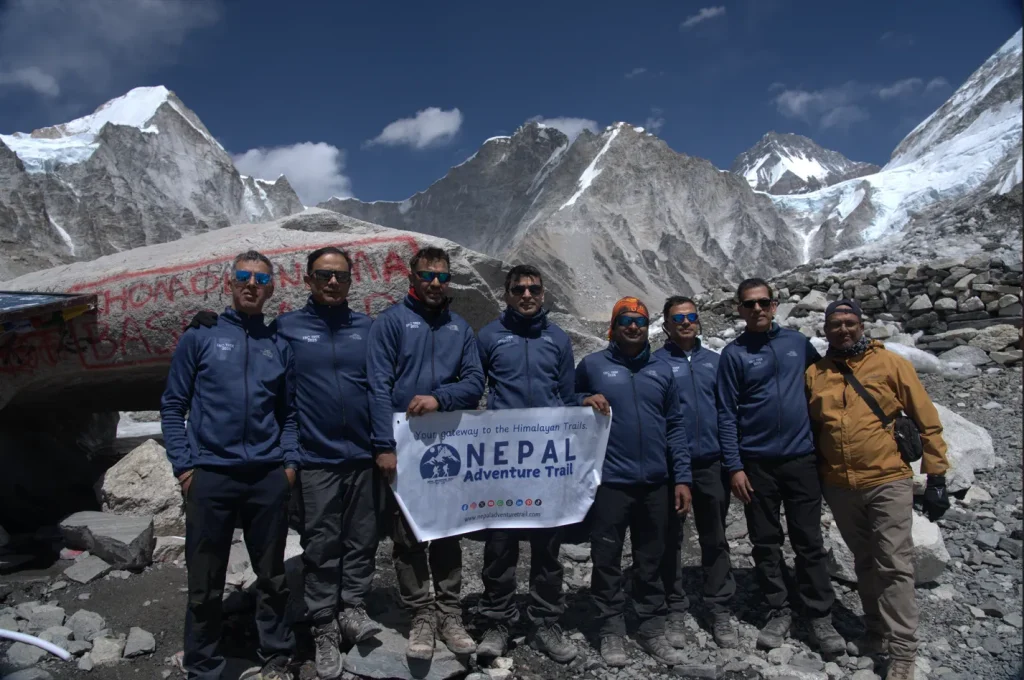
Getting to Everest Base Camp is a big achievement. The trek tests your strength and endurance, especially at high altitudes, but the feeling of standing at the foot of Everest is worth every step. For a guided experience, see the Everest Base Camp Trek by Nepal Adventure Trail.
Sample Itinerary for the Everest Base Camp Trek
The trek usually takes 12-14 days, with rest days to help your body adjust to the altitude. Here’s a simple day-by-day plan:
- Day 1: Fly from Kathmandu to Lukla, then trek to Phakding (2,610 meters, 3-4 hours).
- Day 2: Trek to Namche Bazaar (3,440 meters, 5-6 hours).
- Day 3: Rest day in Namche; hike to Everest View Hotel for great views.
- Day 4-5: Trek to Tengboche (3,860 meters) and Dingboche (4,410 meters).
- Day 6: Rest day in Dingboche; optional hike to Nagarjun Hill.
- Day 7-8: Trek to Lobuche (4,940 meters) and Gorak Shep (5,164 meters).
- Day 9: Hike to Everest Base Camp (5,364 meters), then back to Gorak Shep.
- Day 10: Climb Kala Patthar early morning for sunrise, then descend to Pheriche.
- Day 11-12: Trek back to Namche Bazaar and Lukla.
- Day 13-14: Fly back to Kathmandu.
If you want a shorter option, try the Everest Base Camp Short Trek for a quicker but still amazing experience.

How to Prepare for the EBC Trek
Get Fit
This trek needs good fitness because you’ll walk many hours each day in thin air. Start training 3-6 months before your trip with:
- Cardio exercises like running, cycling, or climbing stairs.
- Strength training for your legs and core muscles.
- Practice hikes carrying a backpack.
For more training tips, see this trekking fitness guide.
What to Pack
Bring the right gear to stay comfortable:
- Good trekking boots with ankle support.
- Layers of clothing: moisture-wicking base layers, warm fleece, and a waterproof jacket.
- A sleeping bag rated for cold temperatures (-10°C), trekking poles, and water purification tablets.
Check out the EBC packing guide for a full list.
Be Aware of Altitude Sickness
Altitude sickness can happen above 2,500 meters. Rest days help your body adjust. Watch for headaches or dizziness, and talk to your doctor about medicines like Diamox. Learn more in this altitude sickness guide.
Best Time to Trek to Everest Base Camp
- Spring (March-May): Warm weather, flowers blooming, and clear views.
- Autumn (September-November): Stable weather and colorful local festivals like Dashain.
Avoid the rainy monsoon season (June-August) and the cold winter months (December-February). For a special trip, check out the EBC Trek Multiland, combining Nepal and Bhutan.
Permits and Important Info
You will need:
- Sagarmatha National Park Permit: Around $30, available in Kathmandu or Monjo.
- Khumbu Pasang Lhamu Rural Municipality Fee: About $20, paid in Lukla.
Booking with a trusted company makes things easier. Nepal Adventure Trail is a great choice — see why they’re the best tour company for Everest Base Camp.
Where to Stay and Eat
Tea houses along the trail offer simple, cozy rooms with shared bathrooms. You can enjoy warm meals like dal bhat (rice and lentils), momos (dumplings), and pasta. Prices go up higher on the trail because of transport costs. Take a virtual look at a tea house in this YouTube video.
How Much Does the Trek Cost?
The cost ranges from $1,150 to $4,000, depending on:
- Group Size: Solo trekkers pay more; groups save money.
- Guides and Porters: Guides cost $20-30/day, porters $15-20/day, and make your trek easier.
- Package Type: Budget trips cost less, luxury trips cost more.
For more details, visit Nepal Adventure Trail’s EBC trek page.
Tips for a Great Trek
- Take Your Time: Rest on acclimatization days to avoid altitude sickness.
- Drink Lots of Water: Aim for 3-4 liters a day.
- Respect Local Traditions: Dress modestly and ask before taking photos.
- Pack Light: Keep your backpack around 10-12 kg and hire a porter if you can.
- Get Travel Insurance: Make sure it covers high-altitude trekking and emergency evacuation.
Learn more with this trekking tips guide.
Responsible Trekking
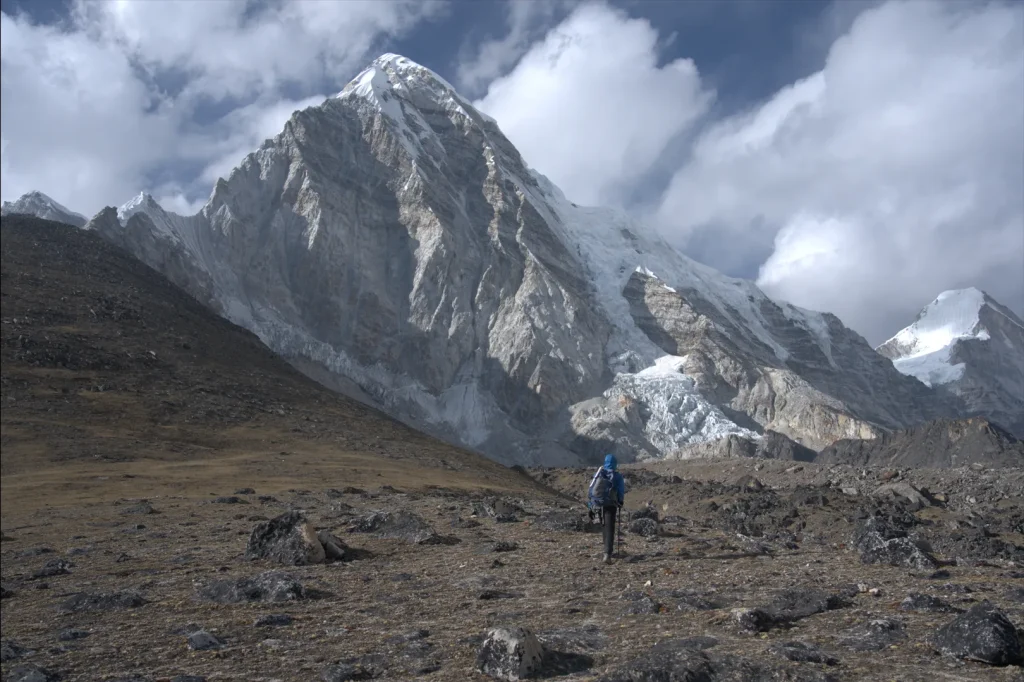
Sagarmatha National Park is fragile, so please follow Leave No Trace rules: don’t litter, stay on marked trails, and support local businesses. Respect Sherpa customs, like walking clockwise around stupas. Find out more at the Nepal Tourism Board.
The Everest Base Camp trek in Nepal is an unforgettable adventure that combines physical challenge with amazing nature and culture.
From watching the sunrise at Kala Patthar to meeting friendly Sherpa people, it’s a trip you’ll remember forever. Plan your trek with a trusted company like Nepal Adventure Trail for a smooth and safe journey. Ready to start your Himalayan adventure? Let’s go!
Sounds amazing! Which route to Everest Base Camp would you recommend for first-time trekkers, and how long does it usually take?
For first-time trekkers, the classic route via Lukla to Everest Base Camp is the most popular. It usually takes about 12–14 days round trip, including acclimatization, and offers breathtaking views along the way