
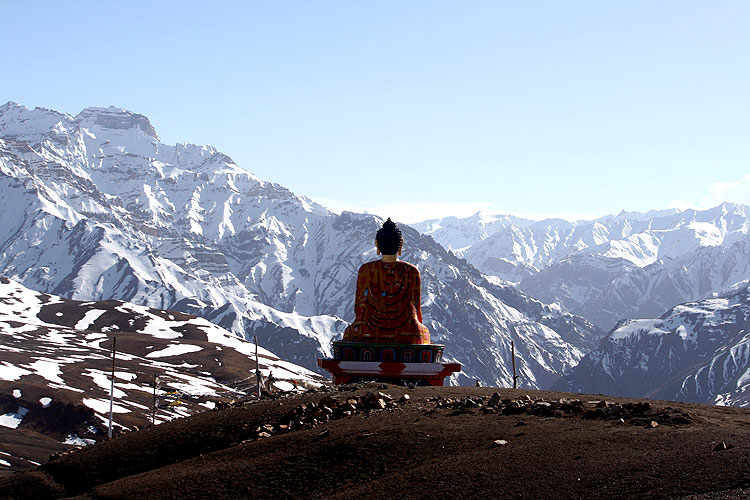
The Himalayas are more than just mountains. They have served as a living haven for sages, monks, pilgrims, and travellers looking for something more profound than adventure or altitude for centuries. The Himalayan yoga retreat experience, where yoga, meditation, and mountain scenery combine to create something subtly transformative, still attracts tourists from all over the world today.
Yoga in the Himalayas takes place in untamed terrain, in contrast to studio-based retreats or resort wellness vacations.
You practise sun salutations under snow-capped ridgelines, breathe air sharpened by glaciers and pine forests and wake up to prayer flags snapping in the alpine wind. Presence is more important than luxury in this experience.
At Nepal Adventure Trail, we think the Himalayas influence yoga retreats rather than merely hosting them.
What Makes the Himalayan Yoga Retreat Experience Unique
Location is just as important to the Himalayan yoga retreat experience as practice. Here, mountains, monasteries, and trails shape the daily rhythm of yoga, which is not detached from life.
In the Himalayas, doing yoga entails:
- Asanas at a high altitude where breath awareness becomes natural
- Silently meditating with only the sound of distant rivers, bells, or the wind
- Following historic hiking paths that pilgrims, traders, and monks used
- Living slowly, guided by the terrain, weather, and sunrise
Himalayan yoga retreats feel more grounded than performative because of this. The mountains require humility. They quiet the mind without effort.
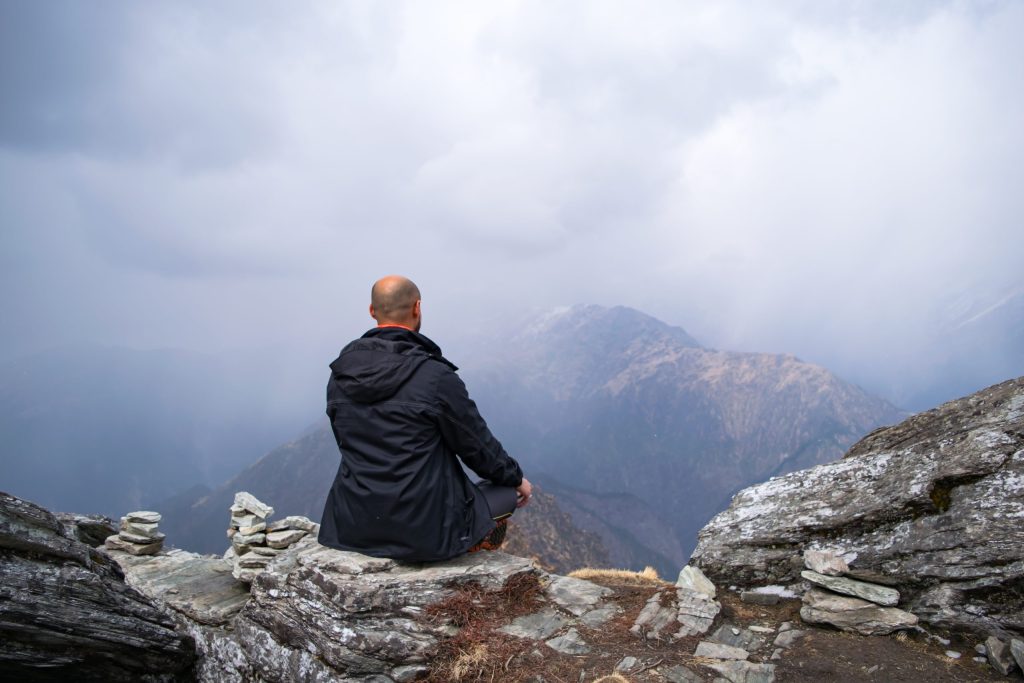
Nepal: The Heart of the Himalayan Yoga Retreat Experience
Nepal is located in the geographical and spiritual heart of the Himalayas. Sacred pilgrimage routes, Buddhist monasteries, Hindu temples, and some of the most famous trekking scenery in the world can all be found there. Because of this, Nepal is the most genuine location for a Himalayan yoga retreat experience.
Nepal maintains a profoundly spiritual connection to the Himalayas, in contrast to other commercialised mountain destinations. Here, slow travel ethics, a profound reverence for the natural world, and local philosophy frequently influence yoga retreats.
Important locations for Himalayan yoga retreats consist of:
- Boudhanath and the Kathmandu Valley for spiritual immersion
- Pokhara and the foothills of Annapurna for peaceful mountain lakes
- Helambu and Langtang for quiet in the Himalayan forest
- High-altitude mindfulness in the Everest region’s periphery
Daily Life During a Himalayan Yoga Retreat
A Himalayan yoga retreat experience is characterised by a natural rhythm that is not determined by clocks but rather by altitude, weather, and daylight.
Mornings frequently start before the sun comes up. The air is thin, clear, and cold. In order to align with the mountain environment, yoga sessions focus on breath control, slow flows, and grounding poses. With the calmness of the surroundings, meditation comes easily.
In the afternoon, things move more slowly. Numerous retreats consist of:
- Gentle hikes or short treks through villages and forests
- Journaling, tea rituals, or sound healing
- Philosophy discussions rooted in yogic and Buddhist traditions
Evenings are peaceful. Reflection gets deeper as the temperature drops. Sleep is easy when there is no traffic, noise, or electronic distractions.
Yoga and Trekking: A Defining Himalayan Combination
The combination of yoga and trekking is one of the most potent features of the Himalayan yoga retreat experience. These hikes are slow, mindful, and intended to enhance the body rather than tax it, in contrast to strenuous expeditions.
Yoga helps trekkers:
- Improve flexibility and reduce muscle fatigue
- Adapt better to altitude through breathwork
- Recover mentally and physically after walking
Trekking, in turn, deepens yoga practice by grounding movement in effort, terrain, and awareness.
Popular yoga trekking routes in Nepal include:
- Annapurna foothills and Australian Camp
- Langtang Valley lower trails
- Helambu cultural routes near Kathmandu
Meditation in the Himalayas: Silence with Substance
Meditation in the Himalayas feels different. The mountains remove unnecessary thought patterns, allowing stillness to emerge naturally.
Many Himalayan yoga retreats integrate:
- Guided mindfulness meditation
- Mantra chanting inspired by Tibetan Buddhism
- Walking meditation along trails and ridgelines
- Sunrise and sunset meditation sessions
Travellers looking for mental clarity, emotional grounding, or a spiritual reset will find the Himalayan yoga retreat experience especially appealing.
Who Is the Himalayan Yoga Retreat Experience For?
This experience is not limited to advanced yogis. It attracts:
- Beginners seeking authenticity over perfection
- Travelers burned out by fast-paced lifestyles
- Trekkers wanting a softer, more reflective journey
- Solo travelers seeking solitude with structure
The Himalayas teach patience. Retreats here focus less on mastering poses and more on listening to the body.
Best Time for a Himalayan Yoga Retreat Experience
The experience is significantly shaped by the season.
Clear views of the Himalayas, mild temperatures, and blossoming forests are all features of spring. It’s perfect for trekking and yoga.
Autumn offers golden scenery, clear skies, and consistent weather. Himalayan yoga retreats are most popular during this time of year.
Winter is more contemplative and quiet. During this season, lower-altitude retreats close to Pokhara and Kathmandu shine.
The Himalayas become misty, lush landscapes during the monsoon. Trekking is scarce, but meditation-focused retreats flourish in this intensely contemplative setting.
Cultural Depth Along the Way
A true Himalayan yoga retreat experience in Nepal extends beyond the yoga mat. Retreats usually include:
- Visits to monasteries and stupas
- Village walks through Sherpa, Tamang, or Gurung communities
- Exposure to prayer rituals and local festivals
These moments ground yoga practice in real cultural context, making the experience richer and more meaningful.
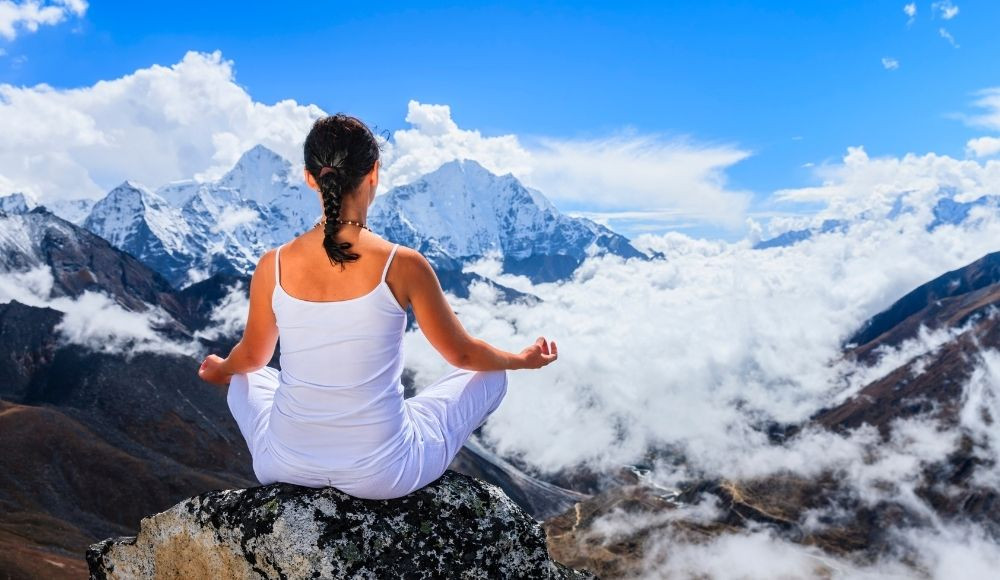
Choosing the Right Himalayan Yoga Retreat
Not all retreats are the same. When choosing a Himalayan yoga retreat, consider:
- Altitude and physical demands
- Teacher background and lineage
- Balance between yoga, trekking, and rest
- Group size and pace
Nepal Adventure Trail specialises in retreats that honour the Himalayas, assist local communities, and put the welfare of visitors ahead of strict schedules.
Why the Himalayas Change the Way You Practice Yoga
The Himalayas strip practice down to essentials. There are no mirrors, no distractions, no performance pressure. Breath becomes awareness. Movement becomes intention.
This is why travelers often say the Himalayan yoga retreat experience reshapes their relationship with yoga long after they leave Nepal.
Experience the Himalayas with Nepal Adventure Trail
The Himalayas don’t offer instant answers. They provide room to walk, breathe, think, and re-establish connections. A Himalayan yoga retreat is an experience that you live rather than consume.
At Nepal Adventure Trail, we create yoga retreats that celebrate the mountains, traditions, and the traveler’s journey. Whether you’re drawn to forested trails, sacred valleys, or panoramic ridgelines, we can help you find a retreat that feels authentic, grounded, and connected.
When you’re ready to slow down and listen to the peaks, the Himalayas awaits.