
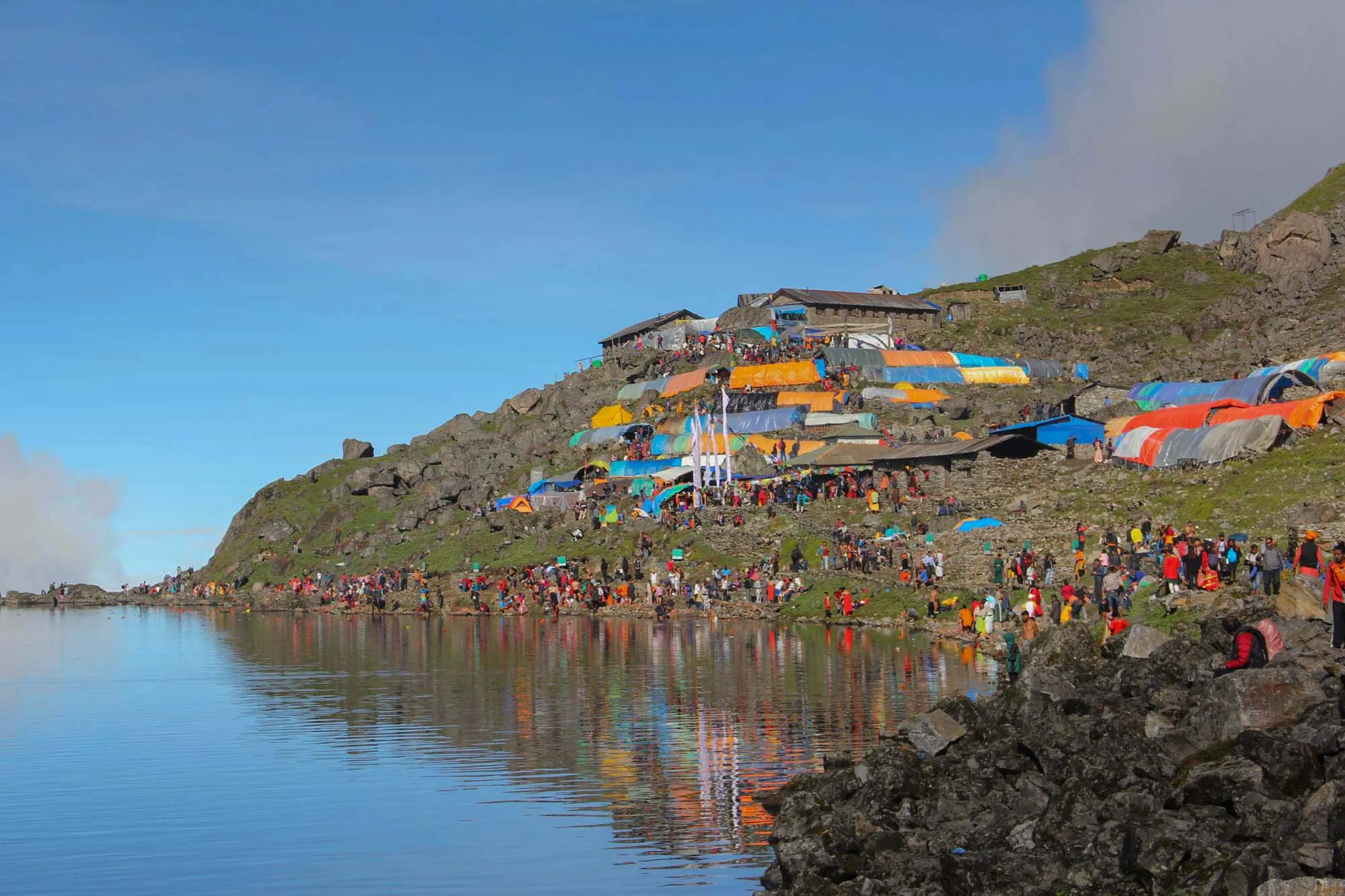
Janai Purnima is Nepal’s sacred thread festival, celebrated on the full moon day of Shrawan. In 2026, Janai Purnima falls on Friday, August 28. On this day, Hindu men renew their sacred thread, sisters tie Rakhi on their brothers’ wrists, and thousands of pilgrims trek to the holy lake of Gosaikunda high in the Langtang Himalayas. This guide covers the meaning, history, rituals, and the best way to experience Janai Purnima in Nepal, including the legendary Gosaikunda pilgrimage trek.
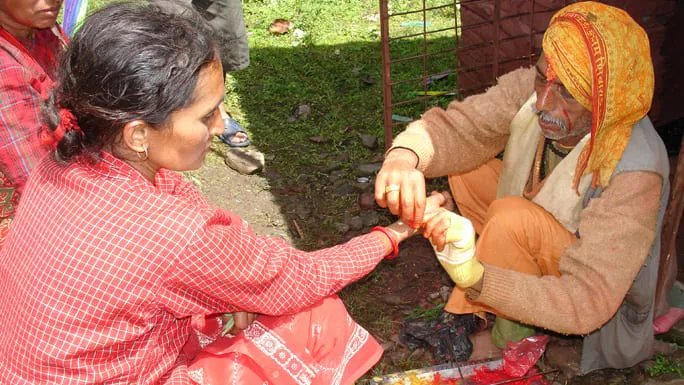
Table of contents
- What is Janai Purnima?
- When is Janai Purnima 2026?
- History and mythological origin
- Rituals and traditions
- Where Janai Purnima is celebrated in Nepal
- Gosaikunda: the ultimate Janai Purnima pilgrimage trek
- How to experience Janai Purnima as a traveler
- Why trek to Gosaikunda with Nepal Adventure Trail
- Frequently asked questions
What is Janai Purnima?
Janai Purnima, also called Rishi Tarpani or the sacred thread festival, is one of the most important Hindu festivals in Nepal. The name comes from two words: Janai, the sacred cotton thread worn across the chest by initiated Hindu men, and Purnima, meaning full moon. On this day, Brahmin and Chhetri men bathe in a holy river or lake and replace their old Janai with a new one, blessed by a priest.
The same day is also celebrated as Raksha Bandhan, when sisters tie a Rakhi (protection thread) around their brothers’ wrists. Because the two festivals share the same full moon, Nepali families often celebrate both a religious renewal and a sibling bond in a single day.
When is Janai Purnima 2026?
Janai Purnima 2026 falls on Friday, August 28, 2026, which is Bhadra 12, 2083 in the Nepali calendar. The Purnima tithi (full moon period) begins on the morning of August 27 and ends on the morning of August 28, so celebrations often start the evening before at temples and pilgrimage sites.
| Year | Janai Purnima date | Day of week |
|---|---|---|
| 2026 | August 28 | Friday |
Because Janai Purnima always lands in the second half of the monsoon season, travelers planning a Gosaikunda pilgrimage trek should prepare for wet trails and pack accordingly. It is also worth noting that Janai Purnima marks the unofficial start of Nepal’s festival season, which runs through Gai Jatra, Teej, Indra Jatra, Dashain, and Tihar.
History and mythological origin of Janai Purnima
Janai Purnima traces back to the Vedic era. According to legend, Lord Indra received a protective thread from his wife Sachi before his battle with the demon king Bali. The thread, tied for protection, is considered the origin of the modern Janai and Rakhi tradition.
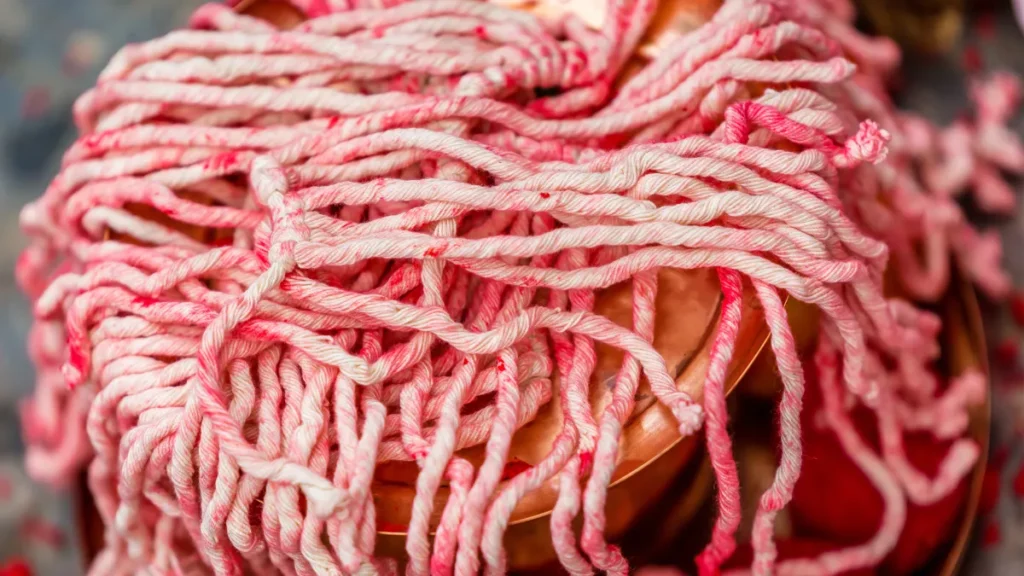
The Janai itself is given to a boy during the Bratabandha, a coming-of-age thread ceremony that marks his readiness to perform Hindu rituals. The thread has six strands, symbolizing Brahma, Vishnu, and Maheshwar, along with knowledge, worship, and karma. Once a man completes Bratabandha, he renews this thread every year on Janai Purnima as an act of purification and spiritual commitment.
At Gosaikunda specifically, the festival connects to the story of Samudra Manthan, the churning of the cosmic ocean. When a deadly poison called Halahala threatened to destroy the universe, Lord Shiva drank it to protect all beings, turning his throat blue and earning the name Neelkanth. Legend says Shiva then struck the earth with his trident to cool the poison’s burning effect, and the sacred lake of Gosaikunda emerged from that strike. This is why pilgrims believe a holy dip in Gosaikunda on Janai Purnima washes away sin and grants spiritual renewal.
Rituals and traditions of Janai Purnima
Changing the sacred thread
On the morning of Janai Purnima, Brahmin and Chhetri men take a ritual bath in a river, pond, or lake. A priest chants mantras over the new Janai before it is worn, and the old thread is formally released. The day before, many men observe a partial fast, avoiding garlic, onion, and meat.
Raksha Bandhan and the Rakhi thread
On the same day, sisters tie a Rakhi, a decorative protection thread, around their brothers’ wrists. In return, brothers promise protection and often give gifts. Priests also tie a plain Doro thread on the wrists of visitors at temples as a general blessing of protection, regardless of gender or family role.
Kwati, the festival soup
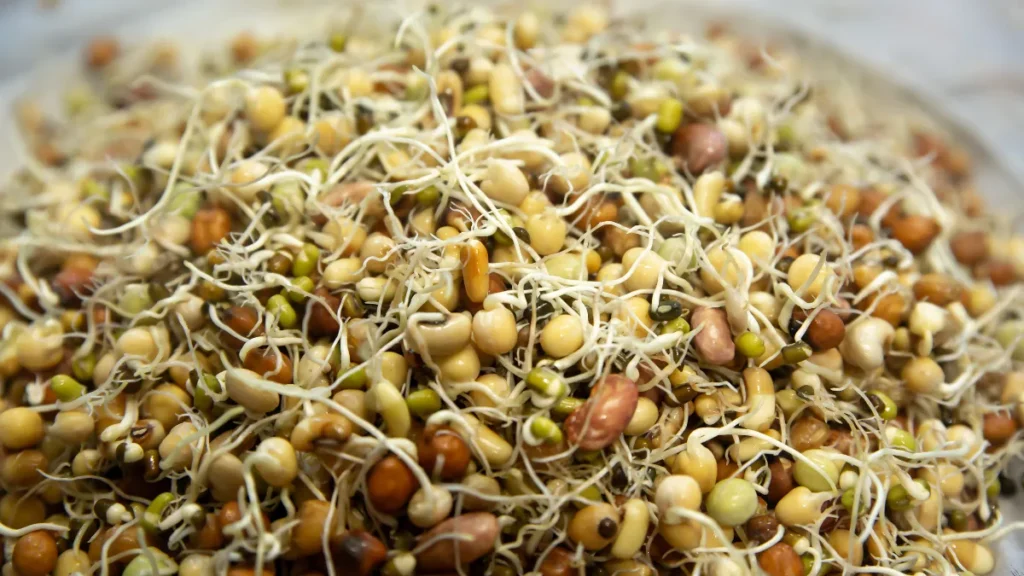
Janai Purnima is also called Kwati Purnima in the Kathmandu Valley, named after Kwati, a soup made from nine types of sprouted beans and lentils. Newar families prepare Kwati as part of the day’s celebration, and it has become a signature seasonal dish across Kathmandu.
Where Janai Purnima is celebrated in Nepal
Janai Purnima is celebrated across Nepal, but a handful of sites draw the largest crowds each year. If you would rather experience the valley celebrations than trek to Gosaikunda, our Nepal Highlights Tour can be timed around the festival to include Pashupatinath and Patan.
- Pashupatinath Temple, Kathmandu: priests line the banks of the Bagmati River performing the Shrawani Snan (holy bath) and tying protection threads on visitors.
- Kumbheshwar Temple, Patan: home to a natural spring believed to be spiritually connected to Gosaikunda Lake, giving pilgrims who cannot make the high-altitude trek a nearby alternative.
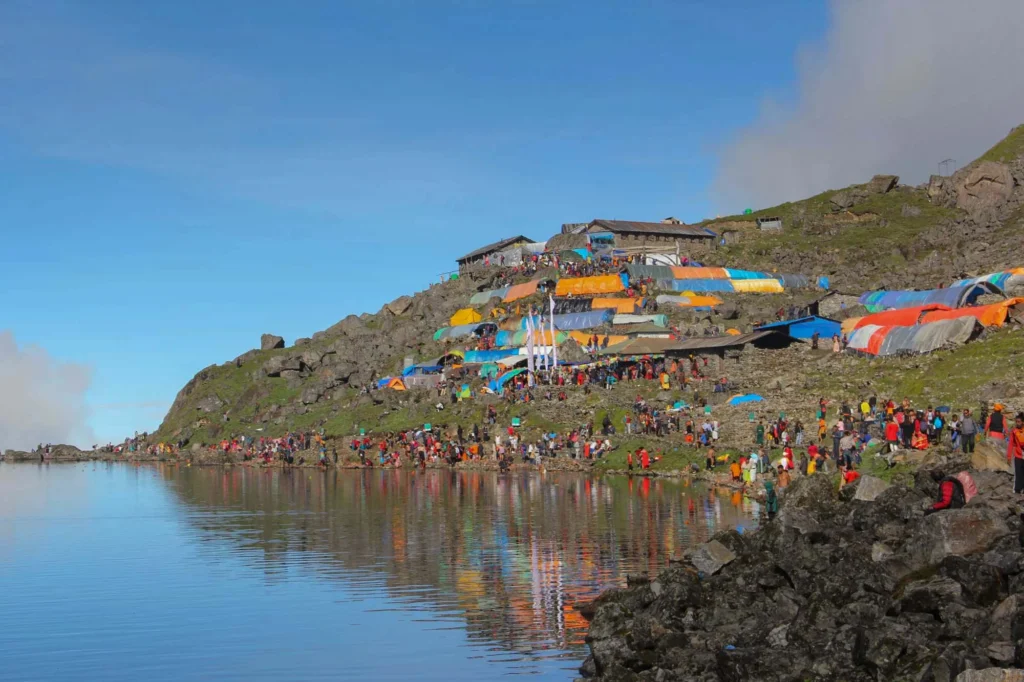
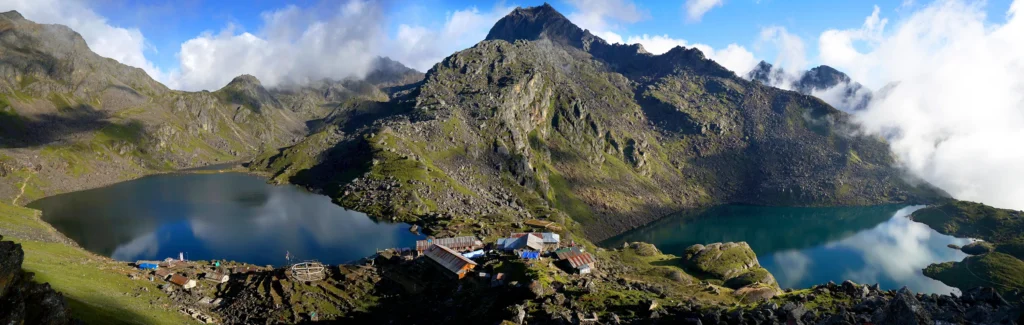
- Gosaikunda Lake, Langtang region: the largest and most physically demanding pilgrimage, drawing tens of thousands of devotees, shamans, and trekkers to a lake at 4,380 meters.
- Badimalika Temple, Bajura: a remote high-altitude pilgrimage in far-western Nepal, dedicated to Goddess Malika, popular with pilgrims seeking a less commercialized experience.
Gosaikunda: the ultimate Janai Purnima pilgrimage trek
Of all the places to experience Janai Purnima, the trek to Gosaikunda Lake offers the most complete combination of spiritual pilgrimage and Himalayan adventure. Every year, over 30,000 pilgrims, including Brahmins, families, elderly devotees, and Jhankri shamans, climb to this sacred lake in the Langtang Himalayas to bathe in its icy waters on the full moon night.
The Gosaikunda Lake trek typically takes 4 to 6 days round trip from Kathmandu, passing through Sundarijal or Dhunche, forested trails, Buddhist stupas, and traditional Tamang and Sherpa villages before reaching the lake at 4,380 meters. Many trekkers combine this pilgrimage with the neighboring Langtang Valley Trek for a longer Langtang region itinerary. During Janai Purnima, the trail comes alive with drumbeats, chanting, and thousands of pilgrims walking the same path for a mix of spiritual and adventurous reasons.
Why trek Gosaikunda during Janai Purnima
- Witness a living religious tradition rarely seen by international trekkers.
- Trek a high-altitude route that handles monsoon weather better than most classic Nepal trails.
- Experience the full moon rituals, holy baths, and shaman ceremonies at Nepal’s most sacred alpine lake.
- Combine cultural immersion with genuine mountain trekking through the Langtang region.
Because Gosaikunda sits within Langtang National Park, trekkers need a national park entry permit and a TIMS card, both of which can be arranged in Kathmandu before departure. As the trail gets crowded and trails turn muddy during monsoon, booking accommodation and a guide in advance is strongly recommended for the Janai Purnima period.
If you are planning a Himalayan trip around this festival, our Gosaikunda Lake Trek itinerary is built around the Janai Purnima calendar so you reach the lake in time for the full moon rituals.
How to experience Janai Purnima as a traveler
- Dress modestly: cover shoulders and knees when visiting temples or the lake.
- Ask before photographing rituals: some ceremonies are deeply personal for pilgrims and shamans.
- Accept the thread respectfully: priests often tie a protection thread on visitors of any faith. It is considered polite to accept it with your right hand.
- Book early: teahouses along the Gosaikunda trail fill up fast in the days before Janai Purnima.
- Prepare for monsoon trekking: pack a rain shell, gaiters, and trekking poles for wet, slippery trails.
Why trek to Gosaikunda with Nepal Adventure Trail
Nepal Adventure Trail is a government-licensed trekking company based in Kathmandu, operating since 2005. We arrange the full Gosaikunda Janai Purnima experience, including permits, experienced local guides, teahouse bookings during the festival rush, and a realistic monsoon-season itinerary.
- Government-registered trekking company (Reg. No. 3558717/81/82)
- Local guides who understand the rituals and can explain what you are witnessing
- Flexible, inquiry-based trip planning, no fixed rigid packages
- Direct WhatsApp support before, during, and after your trek
Frequently asked questions about Janai Purnima
When is Janai Purnima 2026?
Janai Purnima 2026 falls on Friday, August 28, the full moon day of the Nepali month of Shrawan.
Is Janai Purnima the same as Raksha Bandhan?
They fall on the same day but mark different things. Janai Purnima is when Hindu men renew their sacred thread, while Raksha Bandhan is when sisters tie a Rakhi on their brothers’ wrists.
Can non-Hindus and foreign travelers join Janai Purnima celebrations?
Yes. Visitors are welcome to observe respectfully at temples like Pashupatinath and Kumbheshwar, and priests often tie a protection thread on visitors regardless of religion.
How difficult is the Gosaikunda trek during Janai Purnima?
The Gosaikunda Lake trek is a moderate to challenging high-altitude trek reaching 4,380 meters. During Janai Purnima, trails are busier and often muddy due to monsoon conditions, so proper gear and an experienced guide are recommended.
What should I eat during Janai Purnima?
Kwati, a soup made from nine sprouted beans and lentils, is the traditional dish eaten across the Kathmandu Valley on Janai Purnima.
What is the significance of Gosaikunda Lake in Janai Purnima?
Gosaikunda is believed to have been created by Lord Shiva’s trident after he consumed the poison Halahala during Samudra Manthan. Bathing in the lake on Janai Purnima is believed to purify the soul and bring blessings.
Janai Purnima is more than a single day of ritual. It is a window into Nepal’s living religious culture, and for trekkers, the Gosaikunda pilgrimage is one of the most rewarding ways to witness it firsthand. Whether you come for the spiritual meaning or the high-altitude adventure, planning ahead makes all the difference during this festival period.