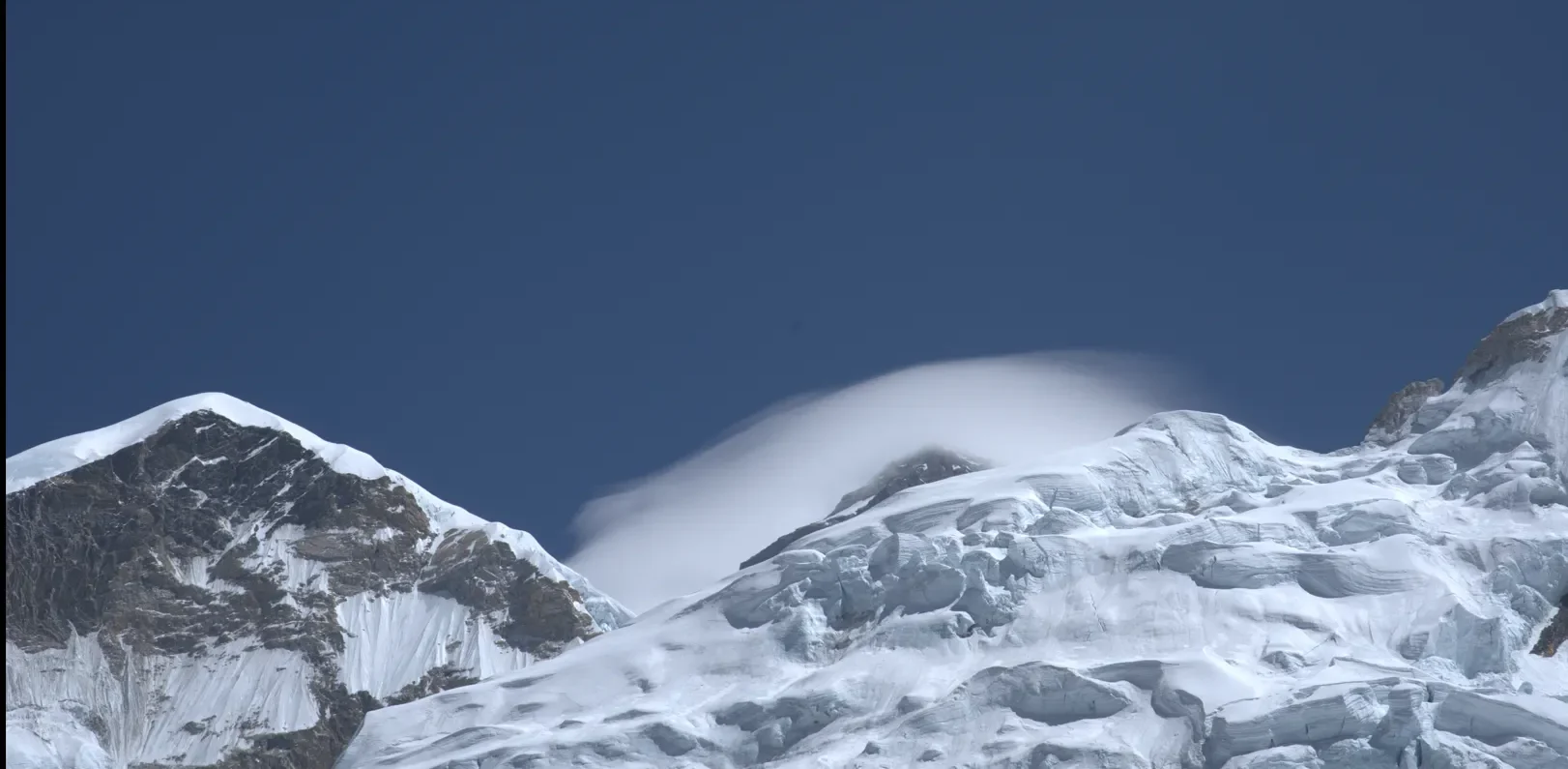
Everest Base Camp Trek | 14 Days with Expert Local Guides

The World's Most Iconic Trek
From$1,545
Booking Form
Enquiry Form
Full Name*
Email Address*
Phone Number*
Your Country*
Your Enquiry*
Accommodation*
* I agree with Terms of Service and Privacy Statement.
Please agree to all the terms and conditions before proceeding to the next step
Available: 16 seats
* Please select all required fields to proceed to the next step.

Proceed Booking

Save To Wish List

Adding item to wishlist requires an account

10844

  • DestinationNepal
  • Accommodation4 Star Hotel in Kathmandu / Tea House during the trek
  • RegionEverest Region
  • Best SeasonFeb, March, April, May, June, Sep, Oct, Nov & Dec.
  • Days14
  • Group2-15 Persons
  • DifficultyModerate
  • PickupTIA Airport
  • Activity Per DayApprox. 4-6 hrs Walking
  • Max. Altitude5,364 m
  • Meals IncludedBreakfast in Kathmandu / All Meals (Breakfast, Lunch, Dinner) during the trek
  • TransportationKathmandu to Luka via Flight and Back
About Everest Base Camp Trek

The Everest Base Camp (EBC) trek is a legendary 14-day adventure that immerses you in the heart of the Himalayas, weaving together stunning natural beauty, vibrant Sherpa culture, and the exhilaration of high-altitude exploration.

Trek along well-established paths, enveloped by the warm hospitality of the Sherpa people, while soaking in breathtaking vistas of the world’s highest peaks, including Mt. Everest, Lhotse, Nuptse, Ama Dablam, Pumori, and other majestic summits.

Your journey kicks off with a thrilling scenic flight from Kathmandu (in Jan, Feb, Jun, Jul, Aug, Dec) or from Manthali after a short drive (in Mar, Apr, May, Oct, Nov) to the mountain airstrip of Lukla — one of the most famous and adrenaline-filled airports in the world. From there, the trail ascends to the iconic Everest Base Camp at 5,364 m, offering unparalleled panoramas of the towering Himalayas.

Starting in Lukla, the path winds through the verdant Dudh Koshi Valley, entering the pristine Sagarmatha National Park, a UNESCO World Heritage Site. You’ll pass through the bustling Namche Bazaar, a vibrant Sherpa trading hub and key acclimatization stop, where colorful markets, teahouses, and mountain views await.

As you venture deeper into the Khumbu region, the trail reveals cultural gems like the ancient Tengboche Monastery, perched dramatically against a mountain backdrop, and the tranquil villages of Dingboche and Lobuche, each offering unique glimpses into Sherpa life.

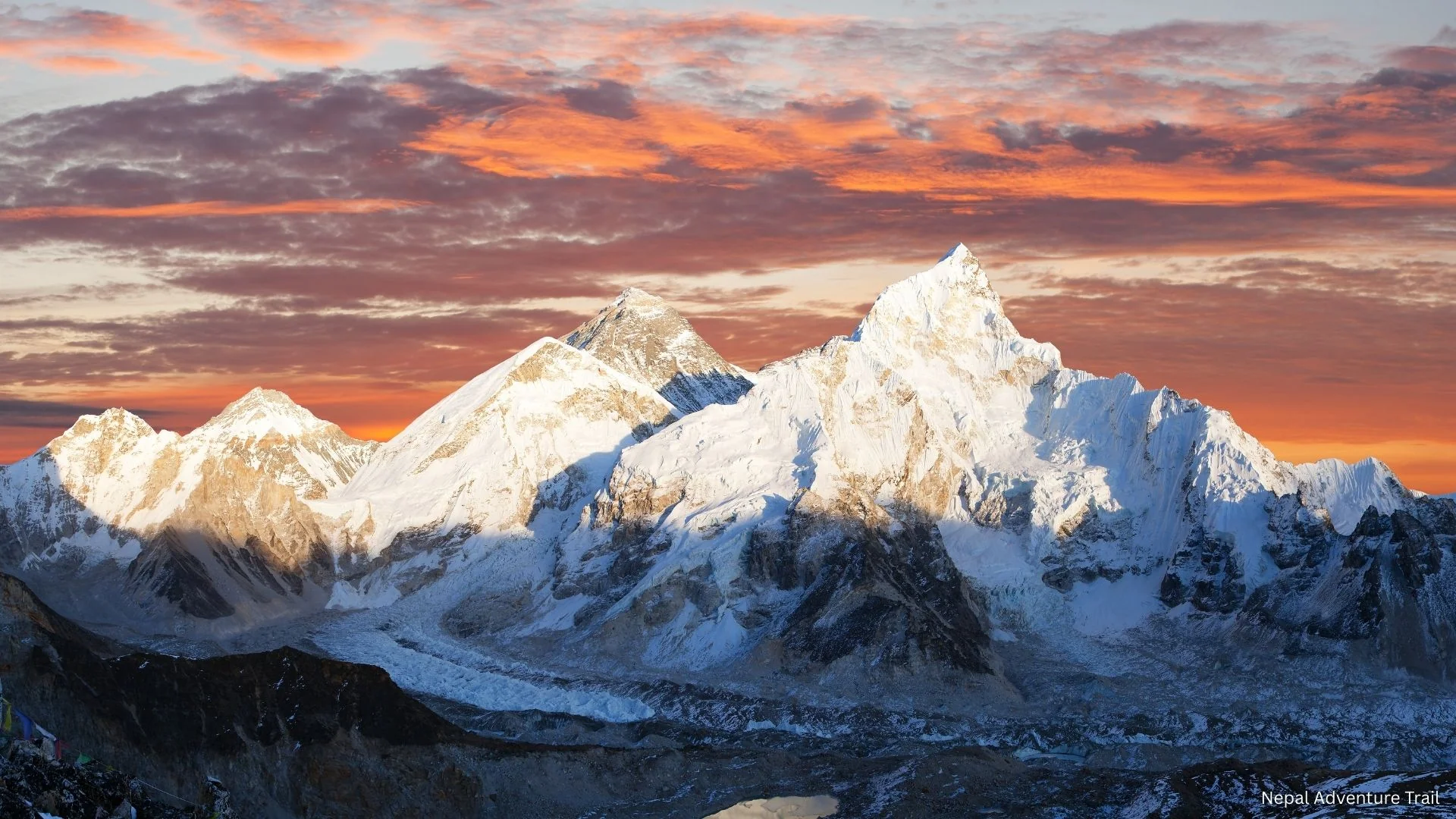
The trek’s pinnacle comes at Gorak Shep, where you’ll hike to Everest Base Camp, walking alongside the awe-inspiring Khumbu Glacier and its dangerous but beautiful Khumbu Icefall. An early morning ascent to Kala Patthar (about 5,545 m) rewards you with a mesmerizing sunrise over Everest, casting golden hues across the snow-capped giants.

Interestingly, Everest itself is not visible from Base Camp — due to ridgelines of Nuptse and Lhotse — which makes Kala Patthar the best vantage point for iconic panoramic views.

The descent retraces your steps through Pheriche, Tengboche, and Namche, allowing time to reflect on the journey’s magic before a final flight from Lukla back to Kathmandu, leaving you with unforgettable memories of this Himalayan odyssey.

Itinerary Highlights for Everest Base Camp Trek

Day 01: Arrival in Kathmandu (1,400 m), transfer to hotel.

Day 02: Fly/Drive to Lukla, trek to Phakding (2,610 m).

Day 03: Trek to Namche Bazaar (3,440 m).

Day 04: Acclimatization at Namche; hike to Hotel Everest View.

Day 05: Trek to Tengboche (3,860 m).

Day 06: Trek to Dingboche (4,410 m).

Day 07: Acclimatization hike to Nangkartsang Peak (5,083 m).

Day 08: Trek to Lobuche (4,910 m).

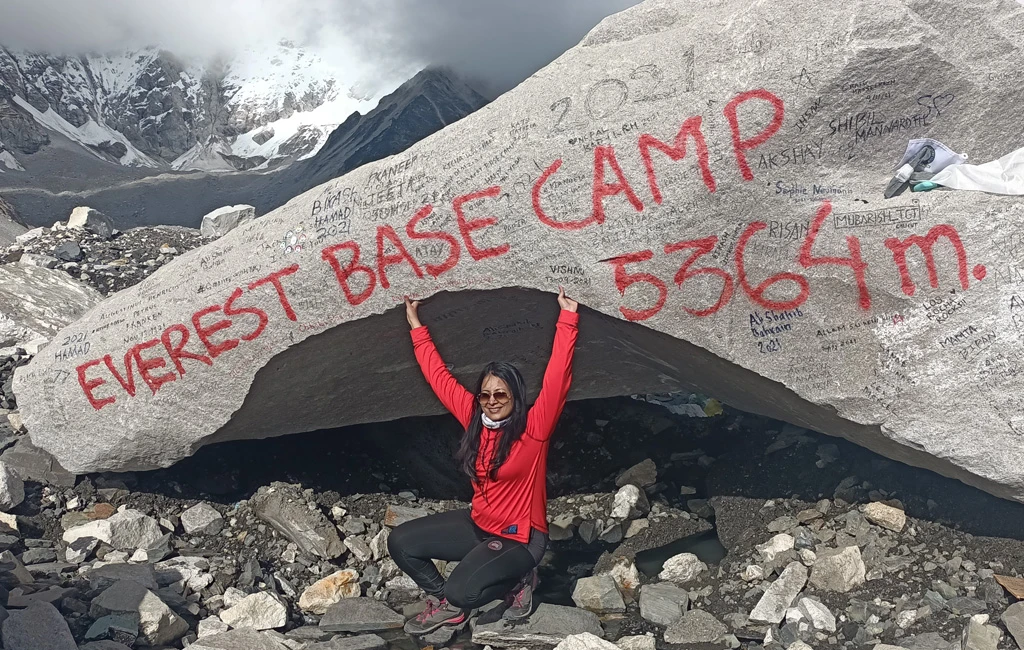
Day 09: Trek to Everest Base Camp (5,364 m), overnight at Gorak Shep.

Day 10: Gorakhsep / Kalapatthar / Pheriche

Day 11: Trek back to Namche Bazaar.

Day 12: Trek to Lukla.

Day 13: Fly/Drive back to Kathmandu.

Day 14: Final departure.

 ▶️Need help booking your trip? Watch our step-by-step video guide.


Inclusions in the Everest Base Camp Trek

Accommodation & Meals
  • 2 nights in Kathmandu (4-star hotel, breakfast included).
  • 11 nights in mountain teahouses (twin-sharing basis).
  • All meals during trek (breakfast, lunch, dinner).
  • Welcome dinners in Kathmandu.
  • 3 times Regular Tea/coffee during all meals on trek.
Transportation
  • Private Vehicles(arrival and departure), sightseeing as per itinerary.
  • Kathmandu to Lukla flights (both ways).
  • Alternative Ramechhap flights when required.
  • Ground transport for Ramechhap option on sharing basis.
Professional Guide & Porter Service
  • Experienced English-speaking Trekking guide.
  • English-speaking local guide for Kathmandu sightseeing
  • Porter service (1 porter for 2 trekkers, max 25kg).
  • Guide and porter insurance, meals, and accommodation.
  • Comprehensive first aid kit with guide.
Permits & Documentation
  • Sagarmatha National Park entry permits.
  • Khumbu Pasang Lhamu Rural Municipality permits.
  • TIMS (Trekkers' Information Management System) card.
  • All government taxes and fees.
  • Monuments Entrance fees.
Optional Add-Ons (Post- Trek Experience) 
  • Guided cultural sightseeing tour in Kathmandu with entrance fees.
  • Pokhara Relaxation Retreat (2 Nights / 3 Days)
  • Chitwan Jungle Safari Experience (2 Nights / 3 Days)
  • Nagarkot or Dhulikhel Himalayan View Stay (1–2 Nights)
  • Bhutan Cultural Discovery Extension (4–6 Days)

Price Excludes

Personal Expenses
  • International airfare to/from Nepal
  • Nepal entry visa fees ($30-50)
  • Travel and medical insurance (mandatory)
  • Personal trekking equipment and gear
  • Extra night accommodation due to early arrival/late departure
Additional Costs During Trek
  • Hot showers in teahouses
  • WiFi and battery charging
  • Laundry services
  • Hot drinks and snacks outside planned meals
  • Alcoholic beverages and soft drinks
Optional Services
  • Helicopter rescue in emergency (insurance should cover)
  • Additional porters for personal items
  • Tips for guide and porters (customary $100-150 total)
  • Photography/video fees at monasteries
  • Extra accommodation/meals due to flight delays
  • Alternative transportation costs
  • Additional permits for route changes
  • Emergency evacuation costs
  • Trip extension due to weather/personal reasons
Start Date (2026) End Date (2026) Price Spots Action
Monday, Mar 2 Thursday, Mar 13 $1545 4 BOOK NOW
Saturday, Mar 7 Tuesday, Mar 18 $1545 5 BOOK NOW
Wednesday, Mar 11 Sunday, Mar 22 $1545 6 BOOK NOW
Monday, Mar 16 Friday, Mar 27 $1545 2 BOOK NOW

Itinerary for Everest Base Camp Trek 14 Days

Day 1: Arrival in TIA airport, Kathmandu.

Upon arrival at Tribhuvan International Airport (TIA),
• Reception and Welcome with Garlands.
• Transfer to your hotel, rest, and prepare for adventure.
• Evening briefing on the trip.
Overnight at a Hotel in Kathmandu using 4* property on a BB plan

Day 2: FLY Ramechhap– Lukla (2840m, Approx. 30 min) trek to Phakding (2610m, Approx. 03-04 hrs. walk)

Early morning transfer to the Domestic airport at Manthali from Kathmandu
to connect with the Lukla flight. (Approx. 30 minutes fly)
Fly to Lukla, arrive at Lukla & trek to Phakding (2610M 03-04 hrs walk)


Highlights of the Day:
• Experience a thrilling flight into Lukla’s Tenzing-Hillary Airport,
renowned for its challenging approach.
• Begin your trek amidst the Dudh Kosi River’s scenic landscapes.
• Pass through traditional Sherpa villages, offering a glimpse into
local life.
• Cross suspension bridges adorned with vibrant prayer flags.
• Settle in Phakding, acclimating at 2,610 meters.

Lunch on the way,
Dinner & overnight at a local lodge in Phakding.

ramechhap manthali airport
Ramechhap Manthali Airport

lukla airport run way
Lukla Airport (2,846 m)


Day 3: Phakding / Namche

Trek from Phakding to Namche (3450 M – approx 6-7 hrs walk).

Highlights of the Day:
• Enter Sagarmatha National Park, a UNESCO World Heritage site.
• Navigate the Hillary Suspension Bridge over the confluence of Dudh Kosi and Bhote Kosi rivers.
• Ascend through pine forests with potential sightings of Himalayan wildlife.
• Catch your first glimpse of Everest on the trail.
• Arrive at Namche Bazaar, the vibrant Sherpa hub at 3,440 meters.

Lunch on the way,
Dinner & overnight at local lodge in Namche.

scenes from phakding

Phakding
View from Phakding

phakding

Day 4: Acclimatization day at Namche

Full day rest & explore in Namche for acclimatization.

Highlights of the Day:
• Hike to the Everest View Hotel for panoramic mountain vistas.• Visit the Sherpa Culture Museum to delve into local heritage.

• Explore bustling markets offering traditional crafts and gear.

• Enjoy cafes with unique high-altitude brews.
• Rest and adjust to the elevation, preparing for higher altitudes.

Lunch on the way,
Dinner & overnight at local lodge in Namche

namche bazar


Day 5: Namche / Tengboche

Trek from Namche to Tengboche (3864 M – approx. 6-7 hrs walk)
Highlights of the Day:
• Trek with views of Everest, Lhotse, and Ama Dablam.
• Descend to the Dudh Kosi River, then ascend through
rhododendron forests.
• Reach Tengboche Monastery, the region’s spiritual center at
3,867 meters.
• Witness evening prayers amidst serene mountain backdrops.
• Capture stunning photographs of the monastery framed by
towering peaks.

Lunch on the way,
Dinner & overnight at a local lodge in Tengboche.


dobuche

Day 6: Tengboche/ Dingboche

Trek from Tengboche to Dingboche (4410 M – approx. 5-6 hrs walk)
Highlights of the Day:
• Descend through lush forests to the Imja Khola River.
• Pass through Pangboche, the highest permanent Sherpa
settlement.
• Observe ancient Mani stones and chortens along the path.
• Ascend to Dingboche, a picturesque village at 4,410 meters.
• Enjoy views of the Imja Valley and surrounding peaks.

Lunch on the way,
Dinner & overnight at a local lodge in Dingboche.


Day 7: Acclimatization day at Dingboche

Full day rest & explore in Dingboche.
Highlights of the Day:
• Hike to Nangkartshang Peak, reaching approximately 5,100
meters – 4 to 5 hours.
• Gain panoramic views of Makalu, Lhotse, and other towering
summits.
• Explore local agricultural practices in high-altitude conditions.
• Visit local bakeries offering comfort amidst rugged terrains.
• Rest and prepare for the ascent towards higher elevations.
Lunch on the way,
Dinner & overnight at a local lodge in Dingboche.

Day 8: Dingboche / Lobuche

Trek from Dingboche to Lobuche (4930 M – approx. 6-7 hrs walk)
Highlights of the Day:
• Traverse the lateral moraine of the Khumbu Glacier.
• Pause at the memorials of climbers at Thukla Pass.
• Experience the stark beauty of alpine meadows and glacial
landscapes.
• Spot peaks like Pumori and Nuptse en-route.
• Arrive in Lobuche, situated at 4,940 meters, with its rugged
charm.

Lunch on the way,
Dinner & overnight at a local lodge in Lobuche.

Day 9: Lobuche/ Gorakshep - EBC/ Gorakshep

Trek from Lobuche to Gorakshep – EBC (5,364m)- Gorakshep (5164 M –
approx. 8-9 hrs walk)
Highlights of the Day:
• Follow the trail along the Khumbu Glacier’s edge.
• Reach Gorakshep, the last settlement before Everest Base Camp,
at 5,164 meters.
• Continue to Everest Base Camp, standing at 5,364 meters.
• Witness the Khumbu Icefall, a formidable feature for climbers.
• Celebrate the achievement amidst the world’s highest peaks.

Lunch on the way,
Dinner & overnight at a local lodge in Gorakshep

Everest Base Camp Trek | Gorakhshep

Everest Base Camp Trek | Gorakhshep

Everest Base Camp Trek | Gorakhshep


Day 10: Gorakshep /Kalapathar / Pheriche

Trek from Gorakshep to Kalapathar Summit (5,545m– approx. 4-5 hrs
walk) & descend back to Pheriche (4371m – Approx. 07-08 hrs)
Highlights of the Day:
• Embark on a pre-dawn hike to Kala Patthar, reaching 5,545
meters.
• Experience unparalleled sunrise views over Everest and
neighbouring peaks.
• Capture iconic photographs of the Everest massif bathed in
morning light.
• Descend through alpine terrains to Pheriche at 4,371 meters.
• Visit the Himalayan Rescue Association’s aid post, learning about
high-altitude medicine.

Lunch on the way,
Dinner & overnight at local lodge in Pheriche

Day 11: Pheriche / Namche

Trek to Namche Bazaar (3,440 m) from Pheriche – 07 to 08 hours.
Highlights of the Day:
• Retrace steps through rhododendron and juniper forests.
• Cross suspension bridges over the Dudh Kosi River.

• Pass through familiar villages, observing daily Sherpa life.
• Enjoy the warmer climate and increased oxygen levels.
• Return to Namche Bazaar, offering modern amenities and
comforts.

Lunch on the way,
Dinner & Overnight at a local lodge in Namche.

Day 12: Namche / Lukla

Trek from Namche to Lukla (2840 M – approx 7-8 hrs walk)
Highlights of the Day:
• Begin the final leg with a descent through dense forests.
• Reflect on the journey, passing by mani walls and prayer wheels.
• Celebrate the trek’s completion upon arrival in Lukla.
• Share experiences with fellow trekkers in local establishments.
• Prepare for the return flight to Ramechhap.

Lunch on the way,
Dinner & overnight at local lodge in Lukla

Day 13: Fly Lukla – Ramechhap. (Approx. 30 minutes)

Breakfast at the hotel.
Fly back to Manthali, Ramechhap. Drive back to Kathmandu.
Upon arrival, transfer to the hotel.
Free at leisure
Or,
PM: Visit Kathmandu Durbar Square
In this tour, visit the 17th Century Durbar complex
and Hanuman Dhoka, temple of living goddess,
Narayan Mandir and Kasthmandap, a wooden
temple built from a single tree, Shiva Paravati
temple, great Bell and Drum, Seto Bhairav, Kal
Bhairav and Taleju Temple. Visit Kumari Bahal at
16:00 hrs show.

Overnight at Hotel in Kathmandu using 4* property on BB plan

Day 14: Final Departure

Breakfast at hotel

Free time till departure

Transfer to the Airport to connect to the onward journey flight.

Photos of Everest Base Camp Trek

Everest Base Camp Trek Highlights

  • See the world’s highest peak, Mount Everest, up close.
  • Enjoy stunning views of Himalayan giants like Ama Dablam and Lhotse.
  • Immerse yourself in authentic Sherpa culture and traditions.
  • Visit the historic Tengboche Monastery with spectacular mountain backdrops.
  • Trek through the UNESCO-listed Sagarmatha National Park.
  • Stay in cozy teahouses and enjoy traditional Nepali hospitality.
  • Take on a rewarding high-altitude physical challenge.
  • Benefit from experienced guides and porter support for a safe trek.
  • Option to witness vibrant Sherpa festivals (seasonal).
  • UNESCO heritage sightseeing in Kathmandu

Everest Base Camp Trek Cost

Everest Base Camp Trek cost for 2026 is $850, $1350, and $2450 for the Budget, Standard, and Comfort packages respectively, covering the classic 14-day route to the foot of Mount Everest (8,849m), the world’s highest peak. These three tiers are designed to suit different travel styles, from independent budget trekkers to those seeking full comfort with private transfers, upgraded lodges, and porter support.

Several factors influence the overall cost of the Everest Base Camp Trek, including group size, trekking duration, Lukla flight routing, use of porters, the trekking season, and the specific package scheme chosen. For a complete breakdown of how these variables affect pricing, you can refer to our detailed Everest Base Camp Trek cost guide.

Group Size: Trekking in a larger group generally lowers the cost per person, since fixed expenses like guides, permits, and Lukla flight coordination are shared across more participants. Solo travelers or very small groups usually pay a higher rate, since there’s less opportunity for cost-sharing through economies of scale.

Trekking Duration: Extending the itinerary beyond the standard 14 days raises the total cost, since additional days mean more accommodation, meals, and guide or porter wages. The route can be customized to match your available time and acclimatization needs, so flexibility is always possible.

Flights to Lukla: Choosing a direct flight from Kathmandu to Lukla, or upgrading to a private helicopter transfer, adds a noticeable premium compared to the standard group flight arrangement via Kathmandu or Ramechhap. This is one of the biggest cost differences between the Comfort package and the more economical options.

Porters: Hiring a porter to carry your gear adds to the overall trip cost, though this is generally affordable since porters are shared, with one porter typically allocated per two guests.

Trekking Season: Peak seasons—spring and autumn—bring higher demand for guides, permits, Lukla flight seats, and teahouse accommodation, which can push prices up slightly compared to quieter months. Trekkers seeking lower costs may consider off-season travel, keeping in mind the trade-offs in weather and visibility.

Quality of Services: Ultimately, the chosen package—Budget, Standard, or Comfort—determines which specific services and amenities are included, directly shaping the final cost of the Everest Base Camp Trek.

Group Discount Prices

No of people Price P.P
1 $1650
2 – 3 $1450
4 – 6 $1400
7 – 15 $1350
Budget Price $850 Standard Price $1350 Comfort Price $2450

Includes

Guide, Sagarmatha National Park Permit, Khumbu Rural Municipality Permit, group Kathmandu–Lukla flights, Agency charges and government service charge

Excludes

Food and Accommodations, Porter, Drinks, Tea, Coffee, Drinking water, Desert and all others which not in Includes above

Includes

Guide, Sagarmatha National Park Permit, Food and Accommodations, Khumbu Rural Municipality Permit, group Kathmandu–Lukla flights, Agency charges and government service charge

Excludes

Alcoholic Drinks, Tea, Coffee, Porter, Drinking water, Desert and all others which not in Includes above

Includes

Guide, Porter, Sagarmatha National Park Permit, Food and Accommodations, Khumbu Rural Municipality Permit, Agency charges and government service charge, Private airport transfer in Kathmandu, Priority Kathmandu–Lukla flight booking, Optional one-way helicopter return from Gorakshep

Excludes

Alcoholic Drinks, Desert and all others which not in Includes above

The Everest Base Camp Trek remains the world’s most iconic Himalayan adventure, and with these clear pricing tiers, trekkers can plan their journey to the foot of Mount Everest with full transparency on what’s included every step of the way.

Best Time of the Year for Everest Base Camp Trek

Planning your Everest Base Camp Trek? Choosing the right season makes a huge difference in visibility, safety, and comfort — especially at high points like Kala Patthar (5,545m). Here’s what to expect throughout the year.

Autumn (October–November) — Best Overall

  • Stable, dry weather with clear blue skies
  • Daytime temps 5°C to 15°C above 4,000m; nights drop to -10°C to -20°C (colder by late November)
  • Excellent mountain visibility, day and morning alike
  • Dry, safe trails following the monsoon
  • Coincides with Dashain and Tihar, Nepal’s two biggest festivals
  • Busiest season — expect more trekkers and fuller teahouses on the trail

Spring (March–May) — Second Best

  • Pleasant temperatures: mild in lower elevations, 5°C to 15°C above 4,000m by day, -5°C to -15°C at night
  • Clear, stable skies, especially in the mornings before afternoon cloud builds up
  • Longer daylight hours, allowing trekking until early evening
  • Prime season for Everest summit expeditions, adding energy to the trail at Base Camp itself
  • Rhododendron blooms in the lower Khumbu region around Namche and Phakding
  • Second-busiest season, close behind autumn

Monsoon (June–September) — Not Recommended

  • Frequent Lukla flight delays and cancellations due to poor visibility
  • Cloudy skies limit mountain views for most of the day
  • Leeches and slippery, muddy trails at lower elevations
  • Landslide risk on sections of the lower trail
  • Scenery and trail conditions are unpredictable

Winter (December–February) — Extreme Caution

  • Coldest months, with temperatures potentially dropping to -25°C or lower near Gorakshep and Kala Patthar
  • Clearer skies than monsoon, but bitterly cold mornings and nights
  • Increased risk of heavy snowfall closing sections of the trail
  • Some teahouses above Dingboche close for the season, reducing lodging options
  • Fewer crowds, but requires serious cold-weather gear and experience

Map of Everest Base Camp Trek

Everest Base Camp Trek – Packing List

Preparing for the Everest Base Camp trek? Here’s a comprehensive packing list to help you get ready. Please use this as a base checklist and adjust based on your personal needs and travel season. Warmer layers are especially important for colder months (November to March).

General Gear

  • Four-season (zero-degree) sleeping bag (available for rent)
  • Sleeping bag liner
  • Puffy down jacket (available for rent)
  • Daypack (35–45L) with rain cover

Upper Body

  • Sun hat or cap (Complimentary Nepal Adventure Trail cap provided!)
  • Warm beanie or knitted hat
  • Neck gaiter / Buff / Scarf (Highly recommended)
  • Headlamp with spare batteries
  • UV-protective sunglasses

Torso

  • Moisture-wicking base layers (lightweight or thermal, season-dependent)
  • 2 short-sleeve and 2 long-sleeve trekking shirts (technical fabric preferred)
  • Insulated fleece jacket or pullover
  • Waterproof, windproof shell/jacket

Lower Body

  • Thermal base layers (as per season)
  • 2 pairs of hiking/trekking pants
  • 1 pair of comfortable pants for lodge evenings
  • Waterproof over-pants or shell
  • 1 pair of hiking shorts (optional)

Hands

  • Liner gloves (wool or technical fabric)
  • Outer gloves (waterproof and insulated for winter treks)

Feet

  • Warm trekking socks (wool or synthetic)
  • Liner socks (optional)
  • Waterproof trekking boots (well-broken in)
  • Ice cleats/microspikes (Recommended Nov–Mar for icy sections)
  • Casual shoes for evenings in lodges
  • Gaiters (dust/lightweight or snowproof/heavy, depending on season)

Undergarments & Sleepwear

  • Quick-drying underwear
  • Sports bras (for women)
  • Pajamas or thermal sleepwear

 First Aid & Medications

(Guides carry a first aid kit, but personal supplies are encouraged.)

  • Sunscreen (SPF 30+)
  • Lip balm (SPF-rated)
  • Healing ointment or balm
  • Cough syrup (helpful for “Khumbu Cough”)
  • Mosquito repellent cream (for lower altitudes like Phakding or Kathmandu)

Toiletries & Essentials

  • Reusable water bottle (1L or more)
  • Water purification tablets or a UV sterilizer
  • Hydration bladder (2–3L capacity recommended)
  • Toiletry kit (toothbrush, paste, soap, etc.)
  • Quick-dry towel
  • Pillowcase
  • 2 rolls of toilet paper
  • Small dry bags/waterproof pouches (for passport, electronics, etc.)
  • High-protein snacks (energy bars, trail mix, nuts)
  • Earplugs (for noisy teahouses)
  • Trekking poles (highly recommended)

Travel Documents

  • Passport
  • Extra passport-sized photos
  • Airline tickets (leave a copy at our office in Kathmandu)
  • Optional Items

You can purchase or rent many of these items in Thamel, Kathmandu, before the trek. Our guides are happy to assist.


  • Power bank or extra batteries
  • Camera and mobile phone
  • Playing cards or a book
  • Binoculars
  • Pee bottle/pee funnel (for women)
  • Whistle
  • Thermos (for carrying hot water)
  • Small comb or brush


FAQ's of Everest Base Camp Trek

What is the Everest Base Camp Trek?

A trek to the base of Mount Everest at 5,364 meters, offering stunning views and a cultural experience in Nepal.

How long does the Everest Base Camp Trek take?

Typically 12-14 days, including acclimatization days and the round trip from Lukla.


How difficult is the Everest Base Camp Trek?

It’s moderate to challenging, requiring good fitness and altitude adaptation but no technical climbing skills.


What is the best time to trek to Everest Base Camp?

Spring (March-May) and autumn (September-November) offer stable weather and clear views.


How high is Everest Base Camp?

Everest Base Camp sits at 5,364 meters (17,598 feet) above sea level.


Do I need a permit for the Everest Base Camp Trek?

Yes, you need a Sagarmatha National Park permit ($30) and a TIMS card ($20).

How much does the Everest Base Camp Trek cost?

Between $800-$2,000, depending on whether you go independently or with a guided tour.


What is the starting point of the Everest Base Camp Trek?

The trek begins in Lukla, reached by a flight from Kathmandu.

How do I get to Lukla for the Everest Base Camp Trek?

Take a 30-minute flight from Kathmandu to Lukla’s Tenzing-Hillary Airport.


Can beginners do the Everest Base Camp Trek?

Yes, with proper training and preparation, fit beginners can complete it.

What training is needed for the Everest Base Camp Trek?

Cardio (running, cycling) and strength exercises (squats, hiking) for 3-6 months.


What is altitude sickness, and how does it affect the Everest Base Camp Trek?

It’s caused by thin air at high altitudes; symptoms include headaches and nausea, managed with acclimatization.


How do I prevent altitude sickness on the Everest Base Camp Trek?

Acclimatize properly, hydrate, ascend slowly, and consider medications like Diamox.


What should I pack for the Everest Base Camp Trek?

Warm layers, trekking boots, a sleeping bag, poles, sunscreen, and a first-aid kit.


Are there teahouses on the Everest Base Camp Trek?

Yes, teahouses offer basic lodging and meals along the route.


What food is available during the Everest Base Camp Trek?

Dal bhat (lentils and rice), noodles, soups, and tea are common teahouse staples.


Is there Wi-Fi on the Everest Base Camp Trek?

Yes, at some teahouses for a fee, but it’s unreliable at higher altitudes.


Can I charge my devices on the Everest Base Camp Trek?

Yes, teahouses offer charging for a small fee, but bring a power bank as backup.


What is the role of a porter on the Everest Base Camp Trek?

Porters carry your gear (up to 15-20 kg) for $15-25/day, lightening your load.


How cold does it get on the Everest Base Camp Trek?

Temperatures can drop to -10°C (14°F) or lower at night, especially in winter.


What is Kala Patthar, and why is it part of the Everest Base Camp Trek?

A viewpoint at 5,545 meters offering the best unobstructed view of Everest.


How far is the Everest Base Camp Trek?

About 130 kilometers (80 miles) round trip from Lukla.


Can I see Mount Everest from Base Camp?

Partially, but Kala Patthar offers a clearer, more iconic view.


What is the highest point of the Everest Base Camp Trek?

Kala Patthar at 5,545 meters (18,192 feet).


Is the Everest Base Camp Trek safe?

Yes, with proper preparation and caution regarding altitude and weather.


What insurance do I need for the Everest Base Camp Trek?

Travel insurance covering high-altitude trekking (up to 6,000 meters) and evacuation.


Can I trek to Everest Base Camp in winter?

Yes, but expect snow, cold, and fewer crowds; spring/autumn are easier.


What is the Everest Base Camp Trek weather like?

Dry and clear in spring/autumn; wet in monsoon; cold and snowy in winter.


How many hours do you trek daily on the Everest Base Camp Trek?

5-7 hours per day, depending on the itinerary and pace.


What are the acclimatization days on the Everest Base Camp Trek?

Typically in Namche Bazaar (3,440 meters) and Dingboche (4,410 meters).


What is Namche Bazaar on the Everest Base Camp Trek?

A Sherpa trading hub at 3,440 meters, known for markets and views.


Can I drink the water on the Everest Base Camp Trek?

Not directly—use purification tablets or buy bottled water at teahouses.


What wildlife might I see on the Everest Base Camp Trek?

Himalayan tahrs, yaks, snow leopards (rarely), and various birds.


What is the cultural significance of the Everest Base Camp Trek?

It passes through Sherpa villages with monasteries, prayer flags, and Buddhist traditions.


Are there ATMs on the Everest Base Camp Trek?

Only in Namche Bazaar; bring cash (Nepali rupees) from Kathmandu.


How much cash should I carry for the Everest Base Camp Trek?

$200-$400 for meals, tips, and extras, depending on your spending.


What shoes are best for the Everest Base Camp Trek?

Waterproof, broken-in trekking boots with ankle support.


Can I trek to Everest Base Camp solo?

Yes, but it’s safer and more enjoyable with a guide or group.


What happens if I get sick on the Everest Base Camp Trek?

Descend immediately; guides and teahouses can assist with evacuation if needed.


How do I book a guided Everest Base Camp Trek?

Through a reputable agency in Kathmandu or online (e.g., Nepal Trekking Agency).


What is Tengboche Monastery on the Everest Base Camp Trek?

A famous Buddhist site at 3,860 meters, offering cultural and scenic highlights.


Is the Everest Base Camp Trek crowded?

Yes, during peak seasons (spring/autumn); book teahouses early.


Can kids do the Everest Base Camp Trek?

Yes, if fit and over 10-12 years old, with careful altitude monitoring.


What fitness level is required for the Everest Base Camp Trek?

Moderate to high—comfort with long hikes and stairs is a plus.


How do I train for the Everest Base Camp altitude?

Hike at elevation if possible, or simulate with…


Can I customize my Everest Base Camp Trek itinerary?

What’s the success rate of the Everest Base Camp Trek?

Over 90% with proper acclimatization and fitness.


Why is the Everest Base Camp Trek so popular?

Iconic views, cultural immersion, and a doable high-altitude challenge.


How do I book the Everest Base Camp Trek?

Through local agencies in Kathmandu or international tour operators online. 

Get Latest Updates By Subscribing To Our Newsletter

From$1,545
Book Now
Chat Icon