
If you’re searching for information on trekking in Nepal for beginners, you’ve probably already run into two extremes online: people claiming anyone can summit Everest Base Camp with zero training, and people telling you the Himalayas are only for hardened mountaineers. Neither is true. After more than a decade leading first-time trekkers through the Annapurna and Langtang regions, I can tell you the real answer sits in the middle. It depends far more on preparation than on natural athleticism.
This guide walks through what beginner-friendly actually means at altitude, which routes make sense for a first trip, and what the permits, gear, and daily rhythm of teahouse trekking actually look like. No sugarcoating, no scare tactics.
The Reality Check: Can You Really Do It?
Yes. Most healthy adults with a reasonable base fitness level can complete a beginner route in Nepal. You don’t need to be an elite athlete or have technical climbing experience. What you do need is the ability to walk five to seven hours a day, on uneven stone steps and rocky trails, for multiple days in a row.
That distinction matters. A person who runs 10K on flat pavement every week can still struggle on a Himalayan trail, because the terrain punishes different muscles than road running does. Repetitive downhill walking on stairs is often harder on the body than the climbing.
The other variable is altitude, and this is where honesty matters most. Altitude sickness doesn’t care about your gym routine. It’s a physiological response to reduced oxygen, and it can affect a marathon runner just as easily as someone who rarely exercises. The good news: on the routes recommended for first-timers below, maximum elevations stay low enough that serious altitude illness is rare, provided you follow a sensible pace.
Guide’s Field Note: I’ve seen strong 25-year-olds turn back from Poon Hill with nausea, and I’ve watched 60-year-olds walk into Annapurna Base Camp without a single symptom. Fitness reduces risk. It does not eliminate it. Pacing does most of the work.
Choosing Your First Route: The Top Beginner Options in Nepal
When people ask about Everest or Annapurna for first timers, my answer is usually Annapurna, and specifically, one of three routes depending on how much time and elevation gain you want to take on. These are consistently the easiest treks in Nepal for someone with no Himalayan experience.
Ghorepani Poon Hill (The Short, High-Reward Stair Climb)
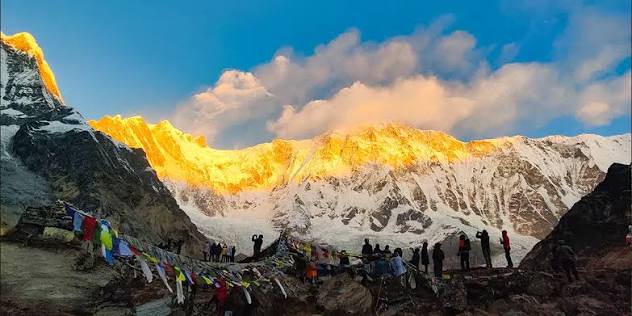
This is the classic entry point, and for good reason. The route runs four to five days, tops out around 3,210 meters at Poon Hill itself, and delivers a sunrise view of Annapurna South, Dhaulagiri, and Machhapuchhre that rivals anything on a longer trek.
The catch: the trail is largely stone staircases, particularly the climb into Ghorepani village. It’s short on distance but demanding on the knees and lungs in a very concentrated way. Think of it as a stress test for your legs before committing to something longer.
- Duration: 4-5 days
- Max elevation: ~3,210 m
- Daily walking: 4-6 hours
- Altitude risk: Low
Langtang Valley (The Cultural Recovery Route)
Langtang sits closer to Kathmandu than the Annapurna or Everest regions, cutting down on flight delays and long jeep transfers. The trail follows a river valley flanked by forest and glaciated peaks, passing through villages rebuilt after the 2015 earthquake, communities that are genuinely glad to see trekkers return.
This route is gentler in daily elevation gain than Poon Hill’s stair-heavy sections, which makes it a good option if you want a longer trip (7-9 days) without the sharp daily grind. It also offers a strong dose of Tamang culture and monastery visits, so it’s not purely a physical exercise.
- Duration: 7-9 days
- Max elevation: ~3,870 m (Kyanjin Ri optional side trip goes higher)
- Daily walking: 5-6 hours
- Altitude risk: Moderate, manageable with proper pacing
Annapurna Base Camp (The Stepping Stone to Big Elevation)
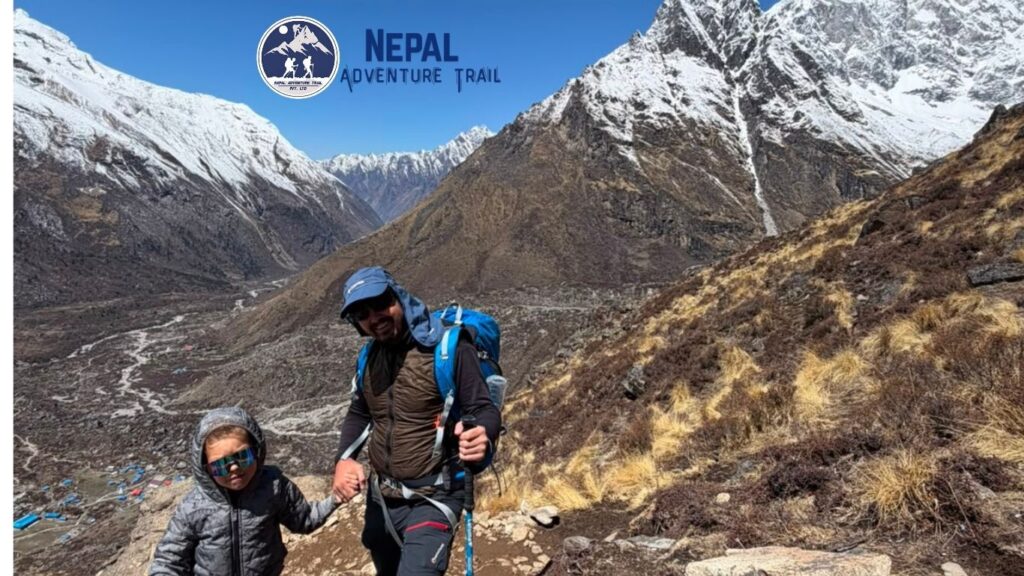
ABC is where beginner trekking starts brushing up against serious elevation, 4,130 meters at the base camp itself. It’s a natural next step if you’ve done Poon Hill before, or if you’re reasonably fit and want a bigger accomplishment on your first trip.
The trail includes long stretches of stone steps (particularly the infamous climb from Ulleri), river crossings, and a noticeable temperature drop as you approach base camp. Ten to twelve days is typical, which also gives your body more time to acclimatize gradually. That’s a real advantage over shorter, steeper itineraries.
- Duration: 10-12 days
- Max elevation: ~4,130 m
- Daily walking: 5-7 hours
- Altitude risk: Moderate to significant without proper acclimatization days built in
Physical Preparation: What “Beginner-Friendly” Actually Means in the Himalayas
“Beginner-friendly” does not mean “no preparation needed.” It means the trail conditions and elevation profile are forgiving enough that a person training seriously for eight to twelve weeks beforehand can complete it comfortably.
So how do you train for your first trek in Nepal? Start with the basic benchmark I give every client: you should be able to walk continuously for five to six hours, carrying a 5-7 kg daypack, over hilly or uneven ground, without needing to stop every twenty minutes.
Practical training targets:
- Stair climbing: Aim for 30-45 minutes of continuous stair machine work, 3x per week, building toward sessions with a loaded daypack.
- Long walks with elevation: Weekend hikes of 3-4 hours on hilly terrain, ideally with some loose or rocky ground, not just pavement.
- Leg strength: Squats, lunges, and step-ups twice a week. Downhill walking on Himalayan trails is brutal on the quads and knees if they’re not conditioned.
- Cardio base: 20-30 minutes of sustained cardio (jogging, cycling, swimming) three to four times weekly for eight weeks minimum.
If you can hold a conversation while climbing stairs at a moderate pace with a loaded pack, you’re roughly at the fitness level these routes require. If you’re gasping within five minutes, give yourself more lead time before booking flights.
Logistics, Permits, and Bureaucracy for First-Timers
Nepal’s trekking permit system trips up more first-timers than the actual trails do, so let’s clear it up.
For the Annapurna region, you need two documents: the ACAP (Annapurna Conservation Area Permit) and a TIMS card (Trekkers’ Information Management System). Both are straightforward to obtain in Kathmandu or Pokhara, either through a trekking agency or in person at the Nepal Tourism Board office. For Langtang, you’ll need the Langtang National Park entry permit instead of ACAP, along with TIMS.
On the question of guided versus independent trekking: as of recent regulations, solo independent trekking without a licensed guide is restricted on most major routes, including Annapurna and Langtang. The rule exists because rescue coordination and route-finding in bad weather genuinely go faster with a local guide who knows the terrain and has radio contact with lodges ahead.
For a first Himalayan trek specifically, I’d recommend a guide regardless of the legal requirement. Someone who treks these trails weekly will catch early symptoms of altitude illness in you before you notice them yourself, and that alone is worth the cost.
Gear Realities: What You Need vs. What You Can Leave Behind
Overpacking is the single most common mistake I see on a first trek. People arrive with duffel bags meant for a month-long expedition when they’re doing a five-day route with teahouses serving hot meals every night.
What you actually need:
- Broken-in hiking boots with ankle support (never wear boots for the first time on the trail)
- A 3-layer system: moisture-wicking base layer, insulating fleece or down mid-layer, waterproof/windproof outer shell
- A sleeping bag rated to at least -10°C, even in teahouses, since rooms are unheated
- A daypack (20-25 liters) for water, snacks, and layers you’re carrying yourself
- A basic first aid kit including altitude medication if prescribed by your doctor
- A headlamp, water purification tablets or a filter, and a power bank
What you can leave behind:
- Multiple changes of regular clothes (teahouses don’t care if you rewear the same trekking pants for a week)
- Heavy hardcover books or excess electronics
- Cotton clothing of any kind (it retains moisture and gets cold fast)
- Full-size toiletries (travel-size versions cover everything you need)
If you’re trekking with a porter, keep their load to a maximum of 15 kg per the standard ethical guideline most agencies follow, split across two trekkers if needed. Pack weight discipline matters for your comfort, but more importantly, it keeps you from overloading the person carrying your bag up the same stairs you’re struggling with.
Frequently Asked Questions
Will I get altitude sickness on an easy trek?
It’s possible even below 3,500 meters, though far less common than on high-altitude routes like Everest Base Camp. Mild headaches or fatigue are common and usually resolve with rest and hydration. Severe symptoms like confusion, loss of coordination, or persistent vomiting mean immediate descent, no exceptions.
Do I need to carry my own bag?
Not necessarily. Most beginner packages include a porter who carries the bulk of your gear, leaving you with just a daypack for the day’s essentials. If you’re going fully independent, you’ll carry everything yourself, which raises the fitness bar considerably.
What are the teahouses actually like?
Simple but functional. A private room with two twin beds, shared bathrooms (sometimes squat toilets, sometimes Western-style), and a communal dining room with a wood stove. Hot showers are usually available for a small extra fee, though don’t expect one at every stop.
How much water should I drink?
Plan on 3-4 liters per day. Dehydration mimics and worsens altitude symptoms, so this isn’t optional. Bring purification tablets or a filter rather than relying on bottled water, which creates plastic waste in areas without proper disposal systems.
Ready to Plan Your First Trek?
Planning your first trip can feel overwhelming, but you don’t have to navigate the permits and route choices alone. At Nepal Adventure Trail, we specialize in guiding first-timers through the logistical details of trekking in Nepal, ensuring your introduction to the Himalayas is safe, structured, and unforgettable.