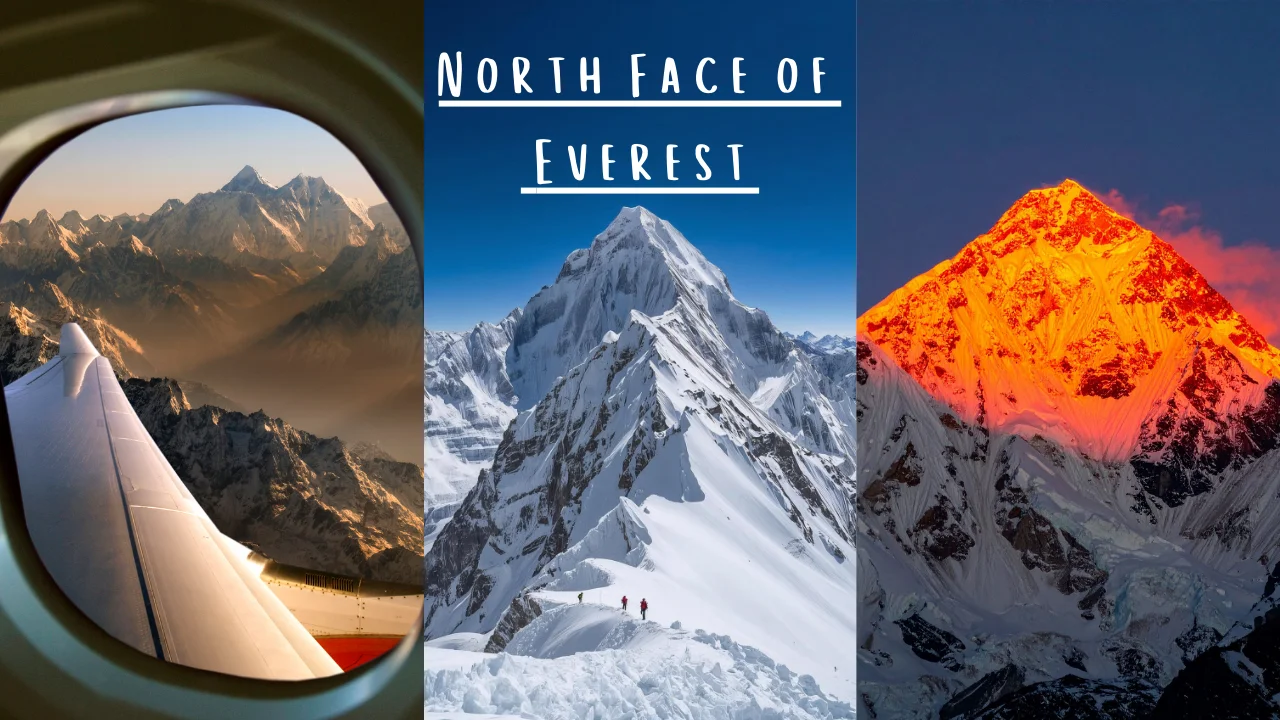
North Face of Mount Everest: The Complete 2025 Guide
Quick Navigation
- What You Need to Know
- Complete Cost Breakdown
- Routes & Access Options
- Permits, Paperwork & Requirements
- Best Time to Climb
- North Face Climbing for Technical Mountaineers
- Quick Comparison: North vs South Face
- 7 Mistakes to Avoid
- Frequently Asked Questions
- Pro Tips
- Watch: What the North Face Looks Like
- Your North Face Packing Checklist
- Essential Resources
- Ready to Plan Your Expedition?
North Face of Mount Everest Essentials
- Best For: Technical mountaineers with high-altitude experience
- Cost Range: $40,000–$70,000 (Need to confirm)
- Duration: 6–8 weeks including acclimatization
- Key Requirement: High-altitude climbing experience, expedition permits
- Main Risk: Extreme weather, avalanches, altitude sickness, technical ice climbing
- Book Ahead: 12–18 months recommended for permits and logistics
💡 Key Insight: Climbing the North Face of Mount Everest is significantly more technical and less crowded than the South Face, but requires careful planning, permits, and specialized gear.
What Makes the North Face of Mount Everest Confusing (And What This Guide Fixes)
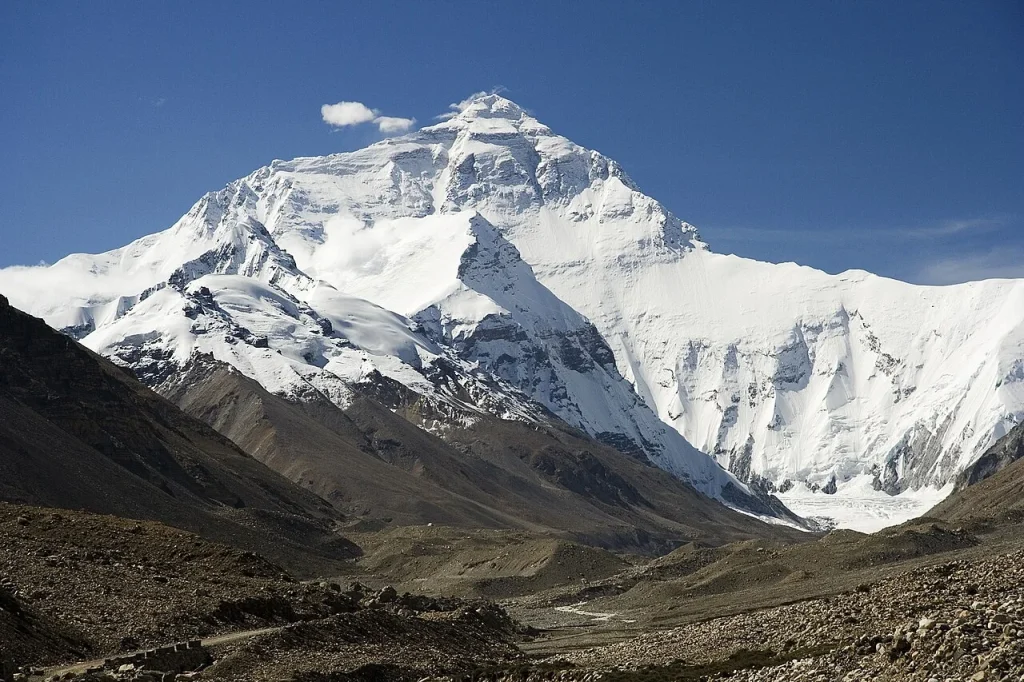
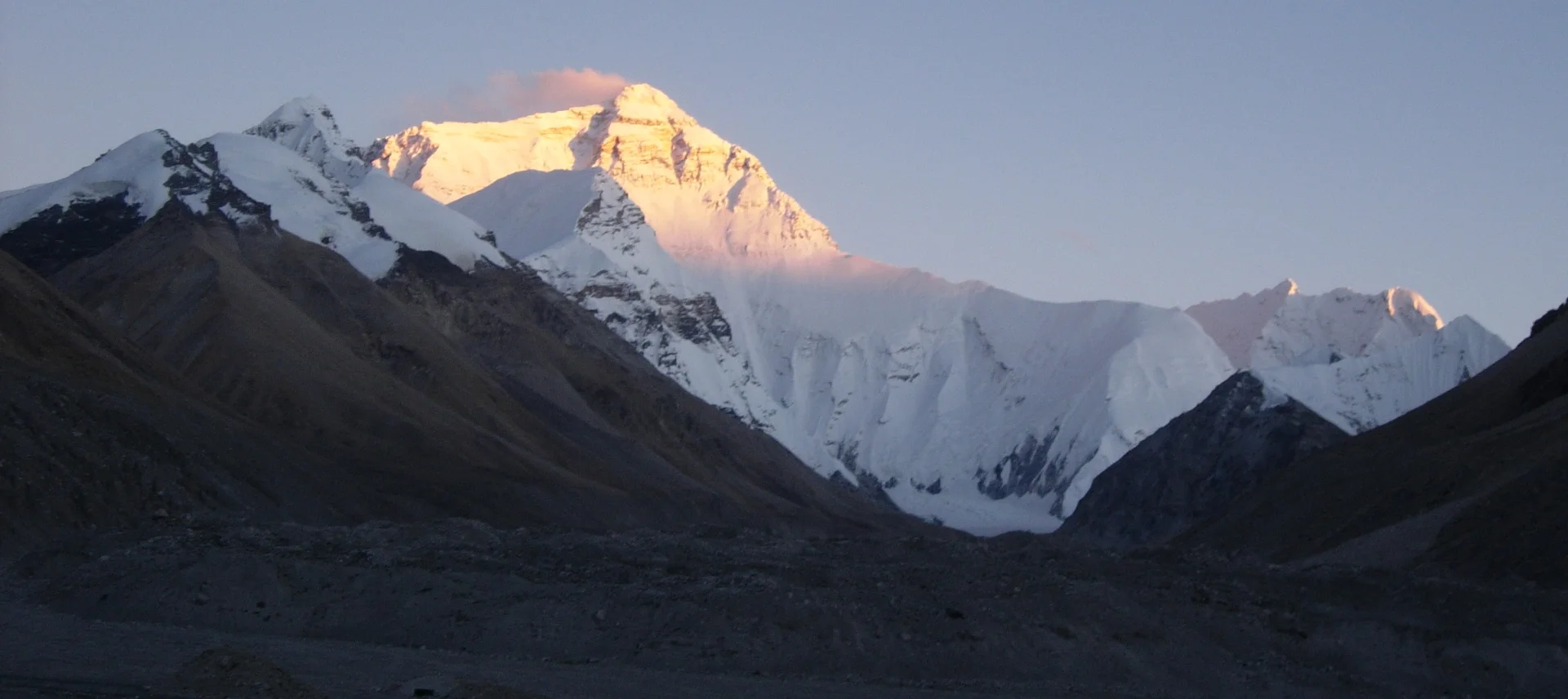
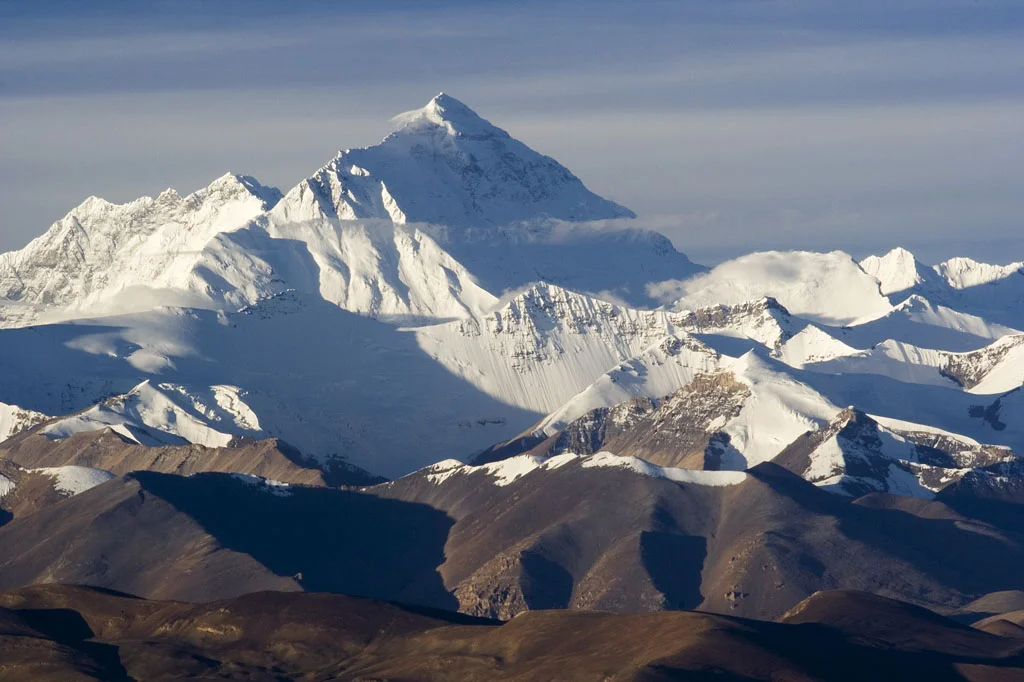
The North Face of Mount Everest, located in Tibet, is a technically demanding route that challenges even seasoned mountaineers. Unlike the more popular South Col route from Nepal, the North Face involves long ice walls, mixed rock and snow terrain, and exposure to high winds. Many online guides provide partial information, often omitting crucial logistics such as Chinese permit requirements, altitude acclimatization protocols, and the timing of summit windows.
Recent updates in 2024–2025 have changed permit fees and restricted solo expeditions. Many climbers underestimate the climbing season, the extreme weather, and the necessity for supplemental oxygen at altitudes above 8,000 meters. Competitor content often glosses over technical challenges and required mountaineering certifications, leaving you unprepared. This guide fills those gaps, detailing costs, routes, permits, safety, and equipment for the North Face expedition.
By the end of this guide, you’ll know exactly how to plan your North Face expedition efficiently and safely. Check our packing list for Everest expeditions for recommended gear. Still unsure if the North Face is right for you? Let’s break down exactly what to expect.
How to Actually Get to the North Face: Routes, Transport & Timing
The North Face approach begins in Lhasa, Tibet, accessible via flight from Kathmandu or Chengdu. From Lhasa, climbers travel overland to the Everest Base Camp North (EBC-N) at 5,150 meters. Options include private 4×4 vehicles or organized overland expeditions. The route from EBC-N follows the Rongbuk Glacier, leading through Advanced Base Camp, and then ascending the technical ice walls to the summit ridge.
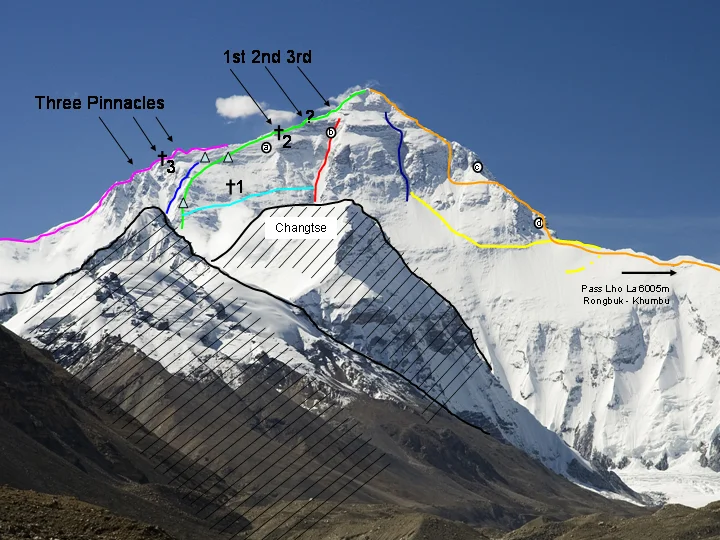
Climbers should plan for 6–8 weeks including acclimatization. Weather windows are narrow; summit attempts typically occur in May or late September–October. Flights to Lhasa require Chinese visas and special expedition permits. Overland travel is slow due to altitude and road conditions, so allow at least 2–3 buffer days. (Need to confirm road accessibility and vehicle options each season)
The Real Cost of North Face Expeditions: Budget Breakdown + Hidden Fees
Costs for climbing the North Face are higher than the South Col due to permits, logistics, and fewer commercial operators. Budget includes Chinese expedition permits, local transportation, guide and Sherpa services, oxygen, and gear rental. Hidden costs often overlooked include satellite phone rentals, high-altitude medical kits, and contingency rescue insurance.
Approximate cost ranges (Need to confirm for 2025):
Permits, Paperwork & Requirements: The 2025 Process
Official permit information: Tibet Mountaineering Association
Best Time to Climb the North Face: Month-by-Month Breakdown
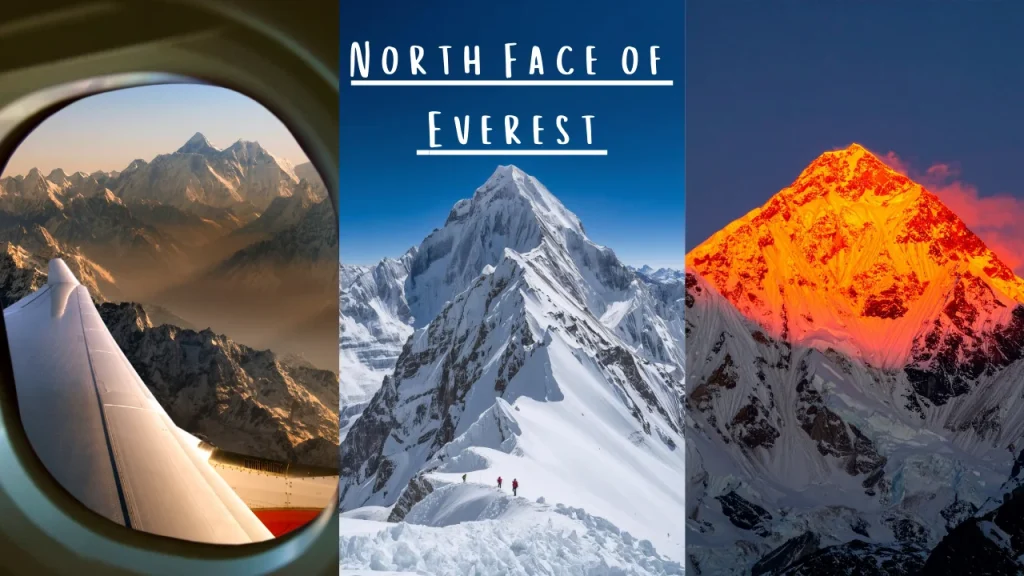
The optimal climbing periods are May and late September–October when weather is relatively stable. Winter is extremely harsh with high winds and severe cold, while summer brings monsoon storms. Shoulder seasons offer fewer climbers and better permit availability but require flexibility. Crowd levels, cost, and altitude-related risk vary by month.
Monthly highlights:
- May: Primary summit window, higher costs, clear weather
- June–August: Monsoon, high avalanche risk, fewer permits
- September–October: Secondary summit window, moderate costs, lower traffic
- November–April: Extreme cold, high winds, not recommended
North Face Climbing for Technical Mountaineers: Is It Right for You?
Experience requirement is high: previous 7,000–8,000m expeditions recommended. Fitness, technical ice climbing skills, and altitude acclimatization are essential. Solo climbs are generally prohibited; team-based expeditions with certified guides are mandatory. Age limits vary, and climbers should have strong high-altitude cardiovascular conditioning. Families and casual adventurers are not suited for this route.
Quick Comparison: North vs South Face
| Factor | North Face | South Face |
|---|---|---|
| Cost | $40,000–$70,000 (Need to confirm) | $35,000–$60,000 (Need to confirm) |
| Duration | 6–8 weeks | 5–7 weeks |
| Best For | Technical mountaineers | Experienced climbers & guided expeditions |
| Trade-Off | More technical, fewer crowds | Popular, slightly less technical |
7 Mistakes to Avoid When Climbing the North Face
Mistake 1: Underestimating Technical Ice Skills
Many climbers assume high-altitude experience alone is enough. Without advanced ice climbing skills, navigating steep ice walls can be fatal. Mitigate this by training on similar glaciers and using certified guides for instruction. Practice crevasse rescue and fixed rope techniques in advance.
Mistake 2: Ignoring Permit Requirements
Some attempt to bypass permit rules or book late. Chinese permits are strictly enforced; failure to obtain them can result in fines or denied access. Always apply through the CTMA and confirm documents months in advance.
Mistake 3: Skipping Acclimatization
Rushing altitude gain leads to acute mountain sickness. Follow 3,000–4,000m acclimatization rotations at Base and Advanced Base Camps. Carry pulse oximeters and monitor oxygen saturation.
Mistake 4: Underestimating Costs
Unexpected expenses include oxygen, high-altitude food, satellite phones, and rescue insurance. Prepare detailed budgets for each scenario—budget, comfort, and premium—to avoid financial strain.
Mistake 5: Inadequate Gear
Bringing light trekking gear instead of high-altitude climbing equipment is dangerous. Invest in insulated boots, technical ice axes, crampons, and layered clothing suitable for -30°C. Check our North Face packing guide for details.
Mistake 6: Ignoring Weather Windows
Attempting the summit outside May or September–October increases risk of storms and avalanches. Monitor forecasted weather and adjust schedule with buffer days.
Mistake 7: Solo Expedition Attempts
Climbers attempting solo expeditions face permit denial and increased risk. Always climb with certified guides and Sherpa teams for safety and logistics support.
📌 Plan Your Everest Base Camp Trek 2026:
- Official Tour Package: 14-Day Everest Base Camp Trek (Itinerary, Cost & Map)
- Related Expedition: Everest Base Camp via Gokyo Lakes Trek
Your Questions Answered: North Face of Mount Everest FAQ
Do I need a guide for the North Face of Mount Everest?
Yes, certified guides are mandatory for North Face expeditions. Solo climbers are generally prohibited by Chinese regulations. Guides provide technical support, fixed rope management, and emergency response. Costs vary but expect $1,500–$2,500 per week (Need to confirm for 2025).
What permits are required to climb the North Face?
You need a climbing permit from the Tibet Mountaineering Association (CTMA), a Chinese visa, medical clearance, and a registered expedition plan. Applications should be submitted 6–12 months in advance. Missing permits can result in fines or denied access.
How difficult is the North Face compared to the South Face?
The North Face is more technical with steep ice walls and higher wind exposure. It requires strong ice climbing skills and prior high-altitude experience. The South Face has more commercial support but is crowded and less technical.
When is the best time to climb the North Face?
Optimal months are May and late September–October. Summer brings monsoon storms, and winter is extremely harsh. Shoulder seasons have fewer climbers but require flexible scheduling. Monitor local forecasts from China Weather Authority.
How much does a North Face expedition cost?
Expect $40,000–$70,000 depending on expedition style, guide support, and gear rentals. Hidden costs include oxygen, satellite phones, and high-altitude insurance (Need to confirm exact 2025 costs).
What level of fitness is required?
High-altitude cardiovascular fitness and prior 7,000–8,000m climbing experience are recommended. Training with heavy packs, stair climbing, and ice wall practice improves success rates. Acclimatization rotations are mandatory.
Are there altitude risks on the North Face?
Yes, risks include acute mountain sickness, HAPE, and HACE. Monitor oxygen saturation, ascend gradually, and use supplemental oxygen above 8,000 meters. Medical evacuation is costly but necessary in emergencies.
7 Pro Tips from Experienced North Face Climbers
- Tip 1: Train on technical ice walls before the expedition—crevasse rescue practice is essential.
- Tip 2: Carry at least $5,000 in cash for permits, porters, and emergency expenses; ATMs are scarce near Base Camp.
- Tip 3: Build 2–3 buffer days for weather, altitude sickness, and summit window flexibility.
- Tip 4: Only pack essential climbing gear—high-altitude boots, harness, crampons, ice axes; leave non-essential items behind.
- Tip 5: Monitor health daily—use pulse oximeters and carry a portable high-altitude medical kit.
- Tip 6: Know tea house locations and charging options along approach routes; power banks are vital.
- Tip 7: Book permits and guides 12–18 months in advance to secure your spot and logistics.
Watch: What the North Face Really Looks Like
Video courtesy of Everest Climb Official. Check their channel for more technical climbing guides.
Your North Face Packing Checklist (Essentials Only)
| Category | Must-Have | Why It Matters |
|---|---|---|
| Climbing Gear | Ice axes, crampons, harness, carabiners | Essential for navigating technical ice walls safely |
| Clothing | Insulated boots, down suit, gloves, helmet | Protection against extreme cold and wind |
| Health & Safety | Pulse oximeter, portable oxygen, high-altitude medical kit | Monitor altitude health and respond to emergencies |
| Navigation | Maps, GPS, satellite phone | Route tracking and emergency communication |
| Camping | High-altitude tents, sleeping bag, stove | Survival during Base and Advanced Base Camp stays |
Essential Resources for Planning North Face Expedition
- Official Permits: Tibet Mountaineering Association (CTMA)
- Weather Forecasts: China Weather Authority
- Packing Guide: Nepal Adventure Trail Everest Packing List
- Travel Insurance: World Nomads High-Altitude Coverage
- Best Time to Visit: Nepal Adventure Trail Best Time to Visit Everest
- Related Guides: Everest Base Camp Trek, South Col Expedition
Ready to Plan Your North Face Expedition?
Climbing the North Face of Mount Everest is a technical, high-stakes adventure. With proper planning, permits, guides, and equipment, your expedition can be safe and successful. Start by reviewing your logistics, securing permits, and training adequately. You’ve got this—high-altitude glory awaits.
Have questions we didn’t cover? Drop them in the comments—we update this guide regularly based on climber feedback.