
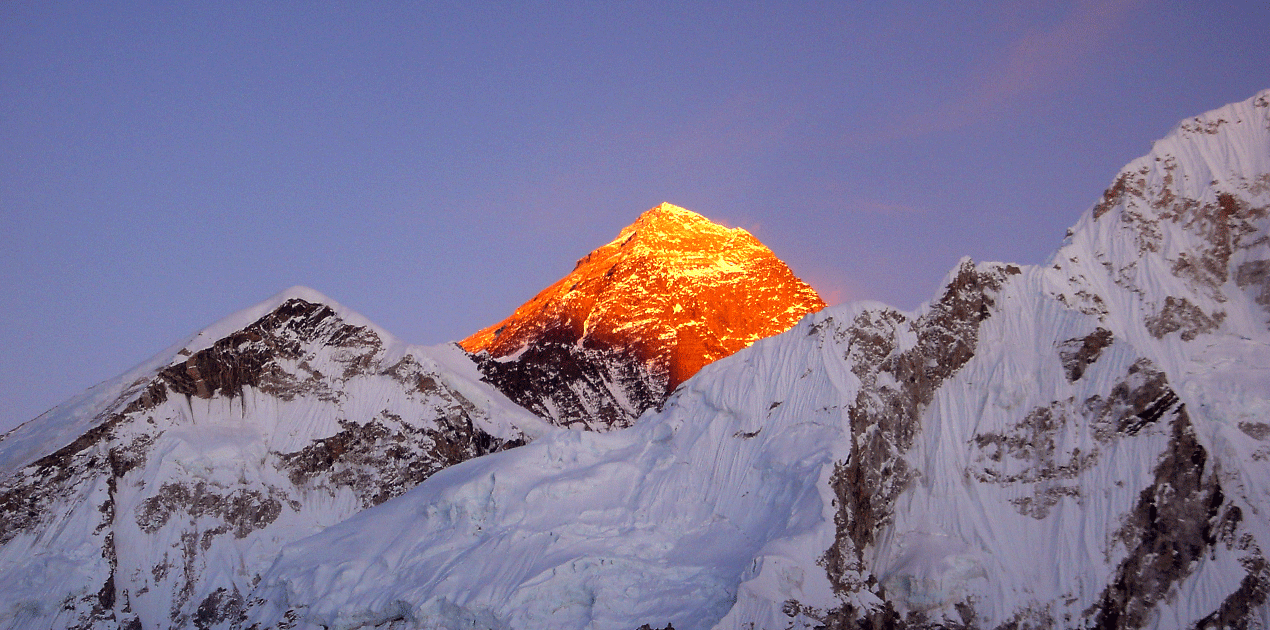
The Everest Base Camp (EBC) Trek is one of the most famous treks in the world. People from all over the world come to the heart of the Himalayas to do it. Walking through Sherpa villages, crossing suspension bridges, and standing under the towering presence of Mount Everest is a trip that combines adventure, culture, and natural beauty. For many, it’s a once-in-a-lifetime Everest trekking experience.
Choosing the best time for the Everest Base Camp trek is one of the most important things to do when planning this trip. The weather, how well you can see, how comfortable the trail is, and the overall experience can all change a lot from season to season. To get the most out of your trip, you need to know how EBC weather patterns work and how they affect trekking.
This brings us to the most common question among travellers: EBC Spring vs Autumn – which season is better? Both are considered the best trekking seasons in Nepal, offering stable weather and incredible mountain views, yet each provides a slightly different experience in terms of scenery, temperature, and crowd levels.
Selecting the appropriate season will influence your entire trip, whether you’re searching for blooming landscapes and warmer weather in spring or pristine mountain views and crisp air in autumn. This guide breaks down the differences between EBC Spring vs Autumn, helping you decide the perfect time to experience one of the world’s greatest Himalayan adventures.
Overview of EBC Trek Seasons
Each of the four distinct seasons that make up Nepal’s trekking calendar offers a unique Himalayan experience. Planning the Everest Base Camp trek requires an understanding of these Nepalese trekking seasons because trail conditions, weather, and visibility change throughout the year.
Spring (March–May) and autumn (September–November) are the two main trekking windows and are generally thought to be the best times to reach Everest Base Camp. The EBC weather is comparatively stable, the skies are clearer, and the temperatures are better for trekking at high altitudes during these months.
Both seasons are regarded as peak times because they offer the best chance for expansive mountain views, secure trekking routes, and an all-around comfortable Everest trekking experience.
Trekking is still feasible but more difficult outside of these busy times. Winter (December–February) offers quieter trails, snow at higher elevations, and colder temperatures, which appeal primarily to seasoned hikers looking for seclusion. However, the monsoon season (June–August) is less ideal for trekking in the Everest region due to its heavy rainfall, cloudy skies, and poor visibility.
The majority of tourists weigh crowd density, weather preferences, and the kind of Himalayan scenery they wish to see when deciding between EBC Spring and Autumn.
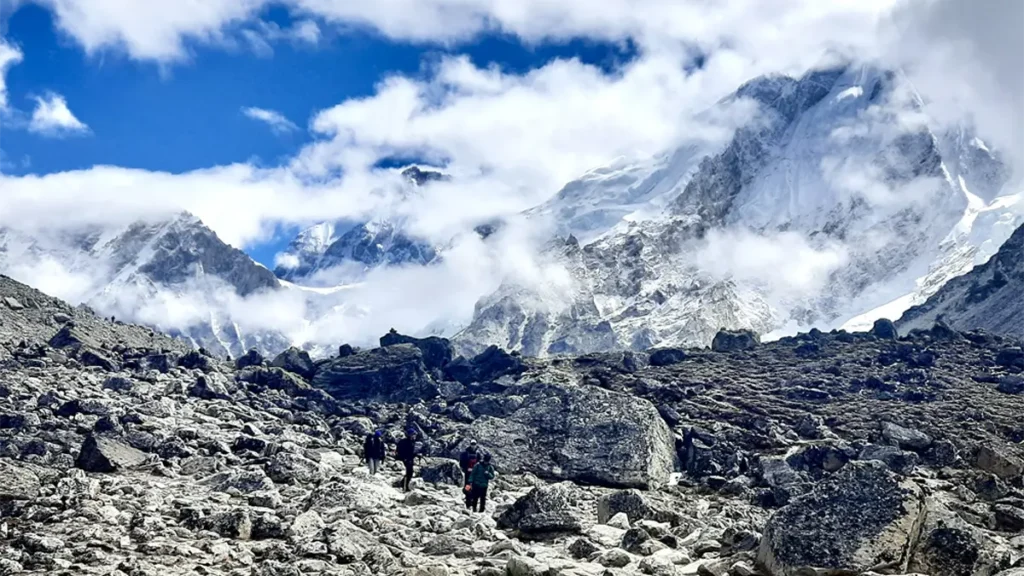
EBC Spring Trek (March–May)
Weather and Temperature
Spring is one of the best seasons to trek to Everest Base Camp because of its pleasant temperatures and generally stable weather. As the season goes on, the nights stay tolerable at higher elevations, but the days get warmer and offer pleasant trekking conditions.
Scenery and Views
The blooming rhododendron forests, which add colour to the trails, are one of the best parts of trekking in the spring. With clear views of Everest, Lhotse, and Ama Dablam, the landscape feels vibrant and alive, adding to the overall Everest trekking experience.
Trekking Experience
Spring is a popular season, so trails are busy with trekkers from all over the world. The atmosphere is lively, and the well-established routes make it ideal for first-time hikers seeking a balanced experience.
Advantages of Spring Trek
- Longer daylight hours for comfortable trekking days
- Slightly warmer nights compared to autumn
- Excellent conditions for photography with colorful landscapes
Challenges of Spring
- Occasional haze in lower regions affecting distant views
- Busy trails and teahouses due to peak season demand
Overall, spring remains a top choice when considering EBC Spring vs Autumn, especially for those who prefer warmer conditions and vibrant scenery.
EBC Autumn Trek (September–November)
Weather and Temperature
Autumn is known for its consistent weather and fresh mountain air, making it one of the most dependable seasons for the Everest Base Camp trek. Temperatures are generally pleasant during the day, though they can get colder in the mornings and at higher elevations.
Scenery and Views
Following the monsoon, the skies are exceptionally clear, providing sharp, uninterrupted views of Everest, Lhotse, Ama Dablam, and the surrounding peaks. This season offers some of the best visibility in the Himalayas, making it a popular choice for photographers and trekkers alike.
Trekking Experience
Autumn is Nepal’s peak trekking season, attracting a large number of international tourists. The trails are lively, and the atmosphere is vibrant, resulting in a traditional Everest trekking experience.
Advantages of Autumn Trek
- Best mountain visibility with clear skies
- Stable and comfortable EBC weather conditions
- Opportunity to experience local festivals like Dashain and Tihar
Challenges of Autumn
- Colder mornings and nights, especially at higher elevations
- Crowded trails and high demand for accommodation
When comparing EBC Spring vs Autumn, autumn stands out for its clear views and consistent weather, making it one of the most popular times to trek to Everest Base Camp.
🌤️ Everest Seasons & Booking Info:
- Reserve Your Trek: Everest Base Camp Trek 14 Days (Spring & Autumn Dates)
- Location Guide: Everest Base Camp Location, Altitude & Map Guide
EBC Spring vs Autumn: Key Differences
Weather Comparison
When comparing EBC Spring vs Autumn, weather plays a major role in shaping the overall trekking experience. Spring brings milder and gradually warming temperatures, particularly in the lower and middle altitude sections, making the journey more comfortable during the daytime. However, haze may occasionally appear in the lower valleys. Autumn, on the other hand, is known for its stable weather patterns, cooler temperatures, and crisp mountain air, which make trekking conditions more consistent along the route.
Crowd Levels
Both seasons are considered the best time for Everest Base Camp trek, so you can expect a good number of trekkers on the trail. Spring brings a vibrant atmosphere and a steady influx of international visitors. However, autumn is widely regarded as Nepal’s busiest trekking season, particularly in October, when demand for flights, guides, and teahouses is at its peak. Planning ahead is critical in both seasons, but especially in autumn.
Scenery
The visual experience varies significantly between the two seasons. Spring is known for its colourful rhododendron forests, blooming vegetation, and vibrant landscapes, which add a special charm to the Everest trekking experience. Autumn, on the other hand, provides exceptionally clear skies and sharp, uninterrupted views of Everest, Lhotse, Ama Dablam, and surrounding peaks, thanks to post-monsoon clarity.
Trekking Comfort
Beginners often prefer spring because of the warmer temperatures and longer daylight hours, which allow for a more leisurely hiking pace. Autumn provides slightly cooler conditions, especially in the mornings and at higher elevations, but it stands out for its consistent weather and excellent visibility, making it ideal for trekkers interested in photography and mountain views.
Overall, the choice between EBC Spring vs Autumn depends on your priorities. Spring is an excellent choice if you enjoy warmer weather, blooming landscapes, and a lively trail atmosphere. If you want clear skies, stable conditions, and the best mountain visibility, autumn is widely regarded as the best time to trek to Everest Base Camp.
Conclusion
Choosing the right season for your Everest Base Camp trek ultimately depends on the type of experience you seek. Spring provides a warmer, more vibrant journey with blooming landscapes and a lively trail atmosphere, making it ideal for first-time hikers. Autumn, on the other hand, is known for its crisp air, stable weather, and unparalleled mountain visibility, making it an excellent choice for those seeking the best views of Everest and the surrounding peaks. When comparing EBC Spring and Autumn, both seasons stand out as the best times for an Everest Base Camp trek, each with its own distinct charm.
Whatever season you choose, having the right support makes all the difference. Nepal Adventure Trail guarantees a smooth and safe trekking experience by providing experienced local guides, dependable flight arrangements, and carefully planned itineraries with proper acclimatisation. Every detail is taken care of, from logistics management to safety-focused support throughout the journey, so you can enjoy the Himalayas.
Plan your Everest Base Camp trek in the spring or autumn with Nepal Adventure Trail for a safe, well-organised, and unforgettable Himalayan adventure. Contact us today to personalise your EBC trekking experience and explore the Everest region with confidence.