
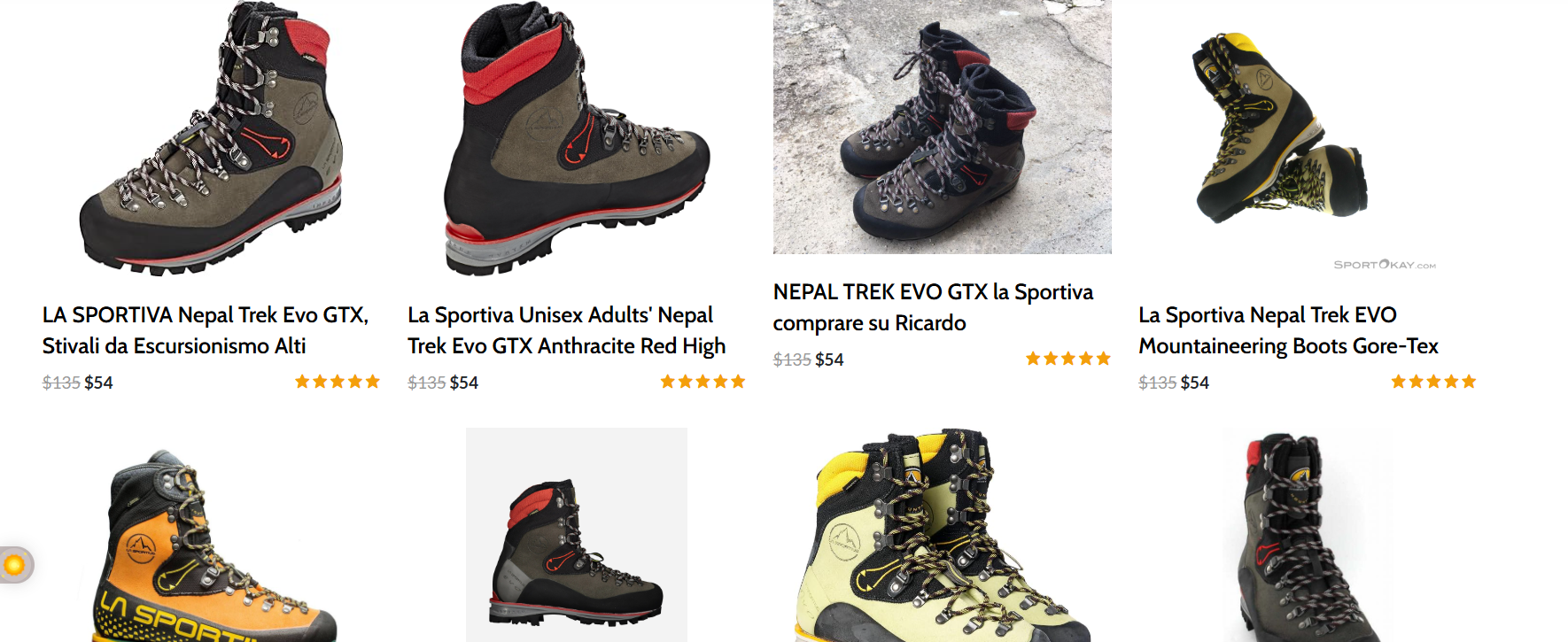
The La Sportiva Nepal Trek EVO GTX has a reputation in Nepal for one reason: it survives abuse that destroys regular trekking boots. Porters know it. Guides know it. Climbers hauling heavy loads across moraine know it. Nobody buys this thing because it looks comfortable sitting in a shop.
This is not a boot for casual trails around Pokhara. It is for trekkers carrying weight through rough Himalayan terrain where soft midsoles turn your feet into pulp by day four. If you have ever crossed loose glacial rock above Lobuche with a heavy pack and felt your arches collapsing inside lightweight boots, this is the category you start looking at.
The Trek EVO GTX sits in a strange middle ground. It is heavier and stiffer than normal hiking footwear, but not as punishing as a full alpine mountaineering boot. That middle ground is exactly why experienced trekkers keep buying it.
Who This Boot Is Actually For
This boot exists for:
- Heavy-pack trekking
- High-altitude approaches
- Mixed terrain
- Long Himalayan expeditions
- Trekkers who destroy soft boots quickly
It is not built for:
- Weekend hikes
- Warm summer valley walks
- Lightweight fast-packing
- Casual Everest Base Camp tourists wearing fresh gear from Thamel
The people who benefit most from the Trek EVO GTX are the ones carrying 15–20kg packs through unstable terrain for multiple weeks.
That stiffness matters.
A soft trekking boot feels good in a store. Then you hit steep moraine at 4,800 meters and suddenly your feet are folding sideways every step. Your calves tighten. Your arches burn. By the time you reach camp, your legs are cooked.
The Trek EVO GTX fixes that problem by giving your feet a stable platform under load.
The Anatomy of a Workhorse
Forget the marketing language. Here’s what matters on the trail.
The Midsole
The midsole is stiff. Not ice-climbing rigid, but stiff enough to:
- Hold weight on loose rock
- Reduce foot collapse
- Improve edging on uneven terrain
- Keep your feet stable under a heavy pack
That is the real reason people buy stiff sole trekking boots.
On rough Himalayan trails, the ground constantly pushes sideways against your feet. Softer footwear absorbs that stress poorly. Over days, that fatigue compounds hard.
The Trek EVO GTX spreads impact better than lightweight boots. That becomes obvious somewhere around the sixth hour of walking.
The 3D Flex System
This is one of the smarter parts of the design.
The ankle articulation allows forward movement while still controlling lateral roll. Translation: your ankles move naturally uphill, but the boot still protects you when the trail turns ugly.
In Nepal, trails are rarely flat or stable. One side of the path is usually collapsing into a river gorge while the other side is wet rock or loose gravel. A completely rigid ankle becomes exhausting after long days. Too much flexibility becomes dangerous.
This boot balances those two problems well.
Gore-Tex: Why the Weight Is Worth It
People complain about Gore-Tex weight until they spend six hours walking through slush near a glacier.
Wet feet kill morale fast at altitude.
The Trek EVO GTX uses Gore-Tex properly. Not for fashion. For survival in:
- Slush
- Snowmelt
- Wet moraine
- Monsoon mud
- Frozen morning trails
In Nepal, conditions change fast. You leave camp in frozen dirt and reach wet slush by noon. Waterproofing matters less in cities. It matters a lot above 4,000 meters.
For high-altitude hiking footwear, dry feet are not luxury. They are energy management.
The Nepal Reality: Where This Boot Wins and Where It Doesn’t
The Trek EVO GTX is not magic. It has strengths and weaknesses.
Compared to Standard Hiking Boots
Regular trekking boots:
- Lighter
- More flexible
- Faster break-in
- Better for casual trails
But they fail under:
- Heavy loads
- Long moraine crossings
- Glacier approaches
- Technical descents
The Trek EVO GTX handles those environments better because the platform stays stable when terrain gets chaotic.
Compared to the Nepal Cube
The Nepal Cube is more aggressive.
It is:
- Stiffer
- More technical
- Better for climbing
- Better for sustained crampon work
But for long trekking days, many people actually prefer the Trek EVO GTX because it walks more naturally.
The Cube feels like a mountain weapon. The Trek EVO GTX feels like a heavy-duty expedition trekking boot.
That distinction matters.
If your trip involves:
- Everest Base Camp
- Manaslu Circuit
- Island Peak approach
- Lobuche East approach
- Multi-week load carrying
the Trek EVO GTX often makes more sense than the Cube.
If you are front-pointing ice all day, the Cube wins.
Where This Boot Feels Best
The Trek EVO GTX shines on:
- Jagged moraine
- Loose scree
- Uneven rock
- Wet alpine trails
- Long descents with weight
This is where softer footwear starts punishing your feet.
On steep downhill sections, the heel lock matters. Your foot stays planted instead of sliding forward and smashing your toes.
On moraine fields, the stiff sole spreads pressure across the entire foot instead of letting sharp rock edges bruise your arches.
That is the difference between finishing a trek tired versus limping into camp angry.
The Break-In Period: Here’s the Truth
These boots hurt at first.
Anyone telling you otherwise either forgot or barely used them.
The leather needs time to soften. The ankle area especially feels stiff during the first few long hikes.
Expect:
- Hotspots initially
- Tight flex points
- Heavy feeling for the first week
This is normal.
The mistake people make is buying them two days before Nepal.
Bad idea.
A proper break-in period trekking boots routine means:
- 20–40 hours minimum wear
- Stair climbs with weight
- Long descents
- Uneven terrain practice
You need the boot to mold slightly before altitude magnifies every pressure point.
La Sportiva Boot Sizing: Don’t Guess
La Sportiva sizing catches people off guard.
The Trek EVO GTX fits more precise than standard hiking shoes.
General rule:
- Half size up minimum
- Sometimes full size for winter socks
- Test late in the day when feet are swollen
Altitude changes foot volume. Your feet expand after multiple trekking days. Tight boots become brutal above 4,000 meters.
If your toes touch the front during downhill testing at home, they will get destroyed in Nepal.
Sock Advice
Use:
- Merino wool trekking socks
- Medium-to-heavy cushion
- No cotton
Cotton traps moisture and creates friction. That means blisters. At altitude, blister management becomes survival-level annoying.
The “Is It Overkill?” Section
For Everest Base Camp alone?
Honestly: yes, for most trekkers.
You can do EBC comfortably in lighter boots if:
- You carry a light pack
- You trek in stable seasons
- You stay on standard routes
But once conditions become rougher:
- Winter EBC
- Side climbs
- Heavy packs
- Technical detours
- Glacier sections
the Trek EVO GTX starts making more sense.
The problem is many trekkers underestimate how rough Himalayan terrain feels after 8–10 consecutive days.
Lightweight boots feel great on day one. By day nine, your feet may disagree.
Summer Trail Performance
Can you wear them in summer?
Yes, but understand the tradeoff.
They will feel:
- Warmer
- Heavier
- Less breathable
On easy summer trails, they are excessive. On rough alpine terrain, they still make sense even in warmer months because support matters more than ventilation once packs get heavy.
Crampon Compatibility
The Trek EVO GTX handles semi-automatic crampons well.
That makes it useful for:
- Glacier approaches
- Frozen passes
- Early-season snow crossings
- Moderate alpine climbing
It is not designed as a pure ice-climbing boot, but it works well for mixed trekking and alpine travel.
That flexibility is why many guides still recommend it.
Durability: Will It Survive Nepal?
Yes. If you maintain it properly.
The leather construction and reinforced rand hold up well against:
- Sharp moraine
- Trail abrasion
- Wet rock
- Snow exposure
With proper care, expect several expedition seasons.
Most failures happen because people:
- Never dry the boots properly
- Store them wet
- Ignore leather maintenance
- Abuse them on pavement unnecessarily
Treat them like tools, not sneakers.
Final Verdict
The La Sportiva Nepal Trek EVO GTX is for trekkers who are tired of soft footwear collapsing under real mountain conditions. It sacrifices lightweight comfort for long-term support, stability, and durability.
That tradeoff makes sense in the Himalaya.
If your trips involve:
- Heavy packs
- High altitude
- Moraine
- Long expedition days
- Mixed terrain
this boot earns its weight.
If your idea of trekking is short tea-house walks in dry weather with a tiny backpack, buy something lighter and save yourself the break-in pain.
But for serious Himalayan trekking, the Trek EVO GTX remains one of the most dependable pieces of Nepal trekking gear available.
If you’re still debating whether this is the right boot for your specific itinerary, Nepal Adventure Trail offers pre-expedition gear consultations. We don’t just plan your route; we make sure your footwear matches your ambition so you don’t end up with blister-induced misery at 5,000 meters.