Mera Peak Climbing (6,476m): 17-Day Trek

Nepal's Wild Secret
From$2,753
Booking Form
Enquiry Form
Full Name*
Email Address*
Phone Number*
Your Country*
Your Enquiry*
Accommodation*
* I agree with Terms of Service and Privacy Statement.
Please agree to all the terms and conditions before proceeding to the next step
Available: 20 seats
* Please select all required fields to proceed to the next step.

Proceed Booking

Save To Wish List

Adding item to wishlist requires an account

8573

  • DestinationNepal
  • Accommodation4 Star Hotel in Kahtmandu / Tea House / Lodge during the trek
  • RegionMakalu
  • Best SeasonFeb, March, April, May, June, Sep, Oct, Nov & Dec.
  • Days17
  • Group2-15 Persons
  • DifficultyModerate
  • PickupTIA Airport
  • Activity Per DayApprox. 4-6 hrs Walking
  • Max. Altitude6,476 m
  • Meals IncludedBreakfast in Kathmandu Hotel / all Meals (Breakfast, Lunch, Dinner) during the trek
  • TransportationDrive

About Mera Peak Climbing

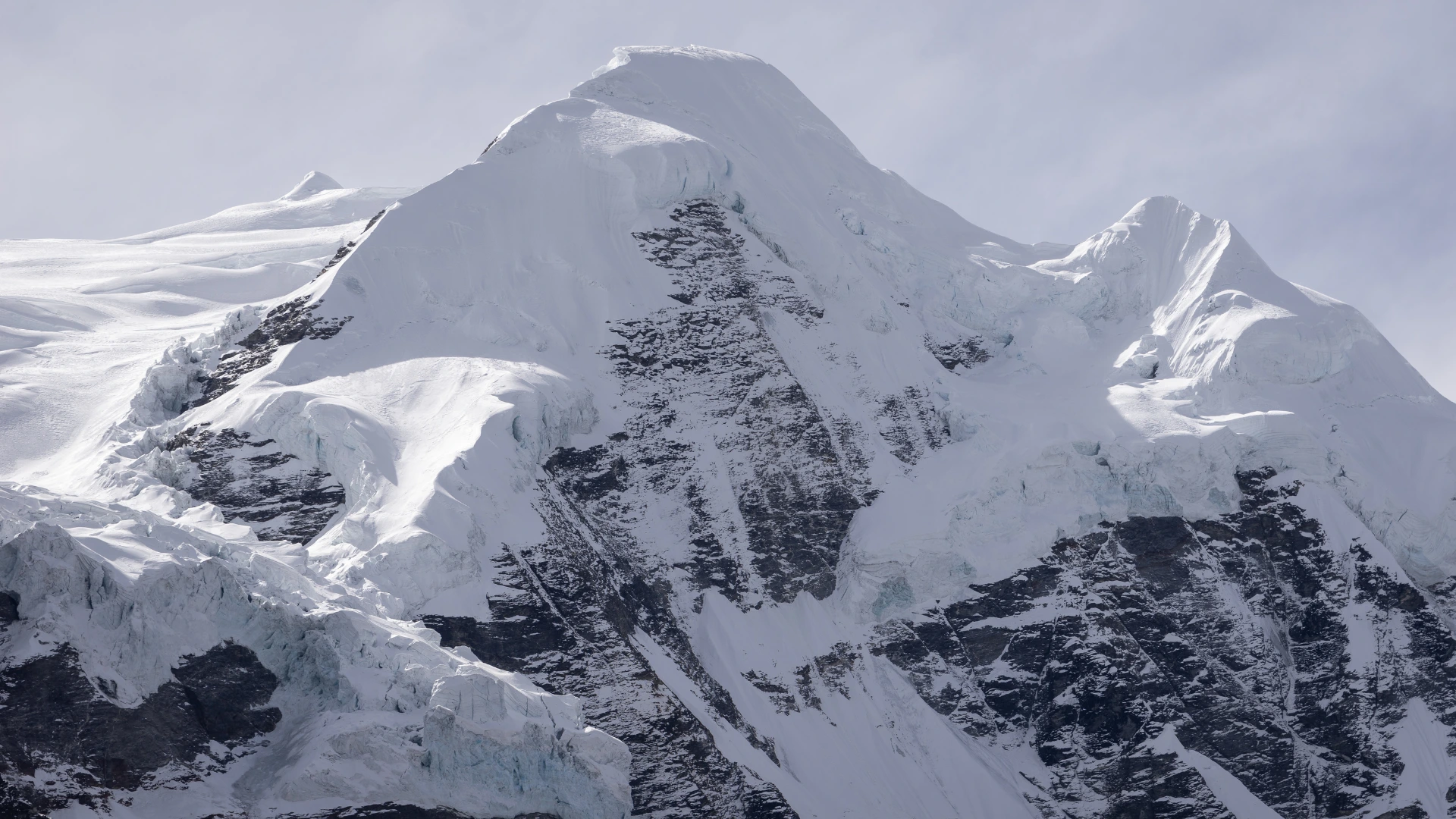
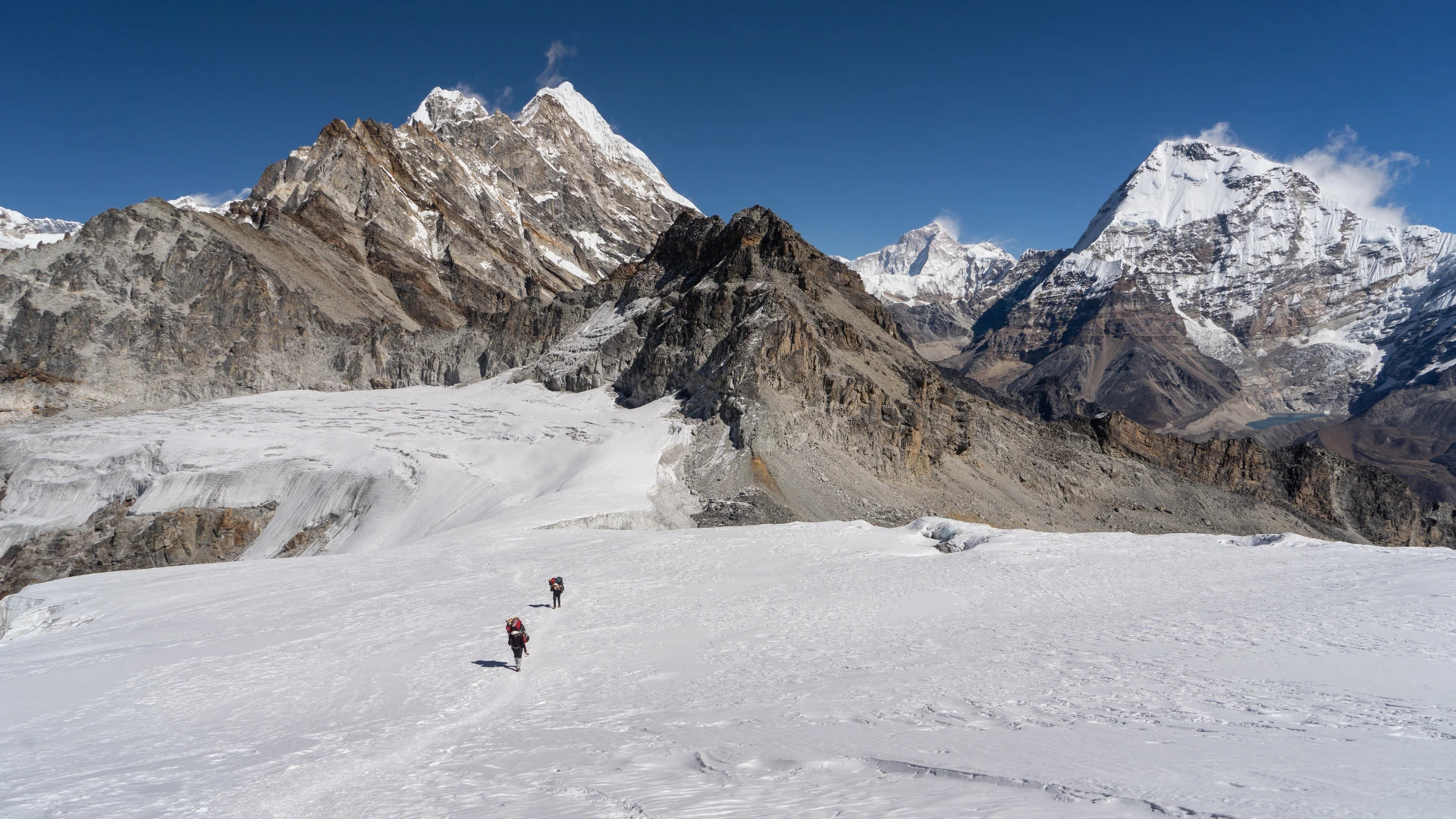
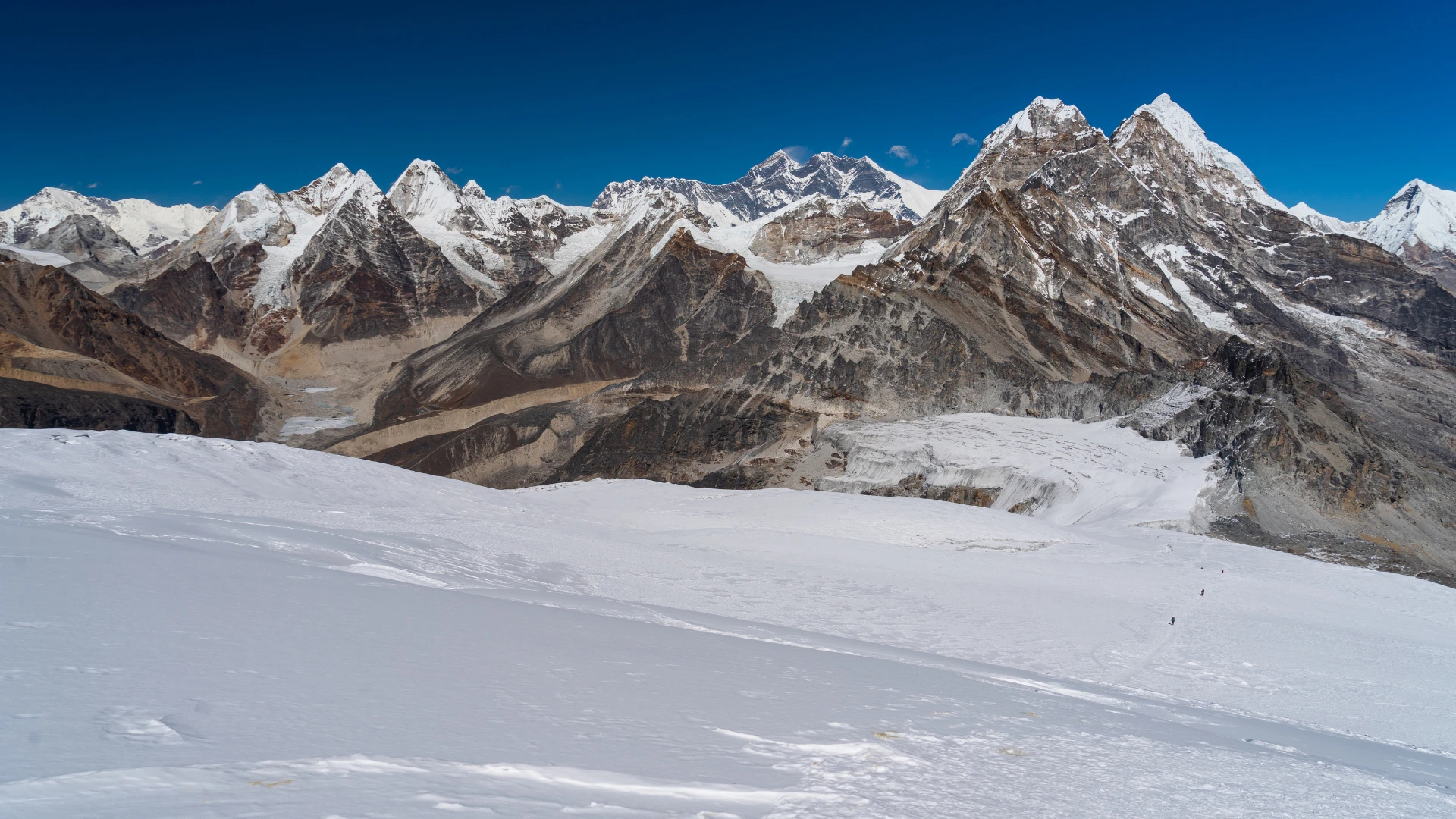
Mera Peak (6,476 meters / 21,247 feet) is one of the highest trekking peaks in Nepal, offering an incredible adventure for climbers and trekkers. Located in the Khumbu region, Mera Peak is known for its stunning panoramic views of some of the highest peaks in the world, including Mount Everest, Makalu, Lhotse, and Cho Oyu. This trek is perfect for those who want to experience high-altitude trekking and climbing, while also appreciating the natural beauty and Sherpa culture of the Everest region.
Itinerary Highlights for Mera Peak Climbing

Day 1: Arrival in Kathmandu (1,300m)

Day 2: Kathmandu Sightseeing and Trek Preparation

Day 3: Drive Kathmandu to Ramechhap, Fly to Lukla (2,840m), Trek to Paiya (2,730m) [4-5 hrs]

Day 4: Trek to Panggom (3,450m) [5-6 hrs]

Day 5: Trek to Ningsow (2,863m) [4-5 hrs]

Day 6: Trek to Chhatra Khola (2,800m) [6-7 hrs]

Day 7: Trek to Kothe (3,691m) [6-7 hrs]

Day 8: Trek to Thaknak (4,358m) [3-4 hrs]

Day 9: Trek to Khare (5,045m) [3-4 hrs]

Day 10: Acclimatization and Pre-Climb Training at Khare

Day 11: Trek to Mera High Camp (5,780m) [5-6 hrs]

Day 12: Summit Mera Peak (6,476m), Return to Khare [10-12 hrs]

Day 13: Trek to Kothe [5-6 hrs]

Day 14: Trek to Thuli Kharka (4,300m) [6-7 hrs]

Day 15: Trek to Lukla via Zatrwa La Pass (4,600m) [6-7 hrs]

Day 16: Fly Lukla to Ramechhap, Drive to Kathmandu

Day 17: Departure from Kathmandu

Inclusions in the Trek

Accommodation & Meals
  • Using Aloft Hotel or similar in Kathmandu on BB plan on room sharing basis and Best Available Local Tea House Lodge during trek on Full Board Basis.
  • 16 breakfasts, 13 lunches, 14 dinners as mentioned in the itinerary.
 Transportation
  • Using air-conditioned private vehicle for arrival and departure transfers.
  • Meeting and assistance during arrival/departure transfer by our representative
 Professional Guide & Porter Service
  • English speaking local guide during sightseeing tours in Kathmandu.
  • An experienced English-speaking trekking guide during the trek.
 Permits & Documentation
  • Entrance fees at the monuments.
  • Makalu-Barun National Park fee.
  • Local Permit.
  • Garbage Deposit: $500
  • Climbing Permit: $350 (Spring Season)
Special Inclusions
  • Free Nepal Adventure Trail Cap and t-shirt
  • Pre-trip briefing and trek preparation
  • 24/7 emergency support
  • One Nepali set menu dinner with live cultural show at local restaurant
  • Air fare Ramechhap / Lukla / Ramechhap sector
  • 14 Days Best Available Tea house trekking (Lodge Trek)

Price Excludes

  • International airfare to/from Nepal.
  • Nepal entry visa fees ($30-50).
  • Travel and medical insurance (mandatory).
  • Personal trekking equipment and gear.
  • Extra night accommodation due to early arrival/late departure.

Additional Costs During Trek

  • Helicopter rescue in emergency (insurance should cover)
  • Additional porters for personal items
  • Single room supplements ($20-30 per night)
  • Tips for guide and porters (customary $100-150 total)
  • Photography/video fees at monasteries
  • Extra accommodation/meals due to flight delays.
  • Alternative transportation costs.
  • Additional permits for route changes.
  • Emergency evacuation costs.
  • Trip extension due to weather/personal reasons.

Trek Map for Mera Peak Climbing

Itinerary for Mera Peak Climbing

Day 1:Arrival in Kathmandu (1,300m)

Arrival at Tribhuvan International Airport. Reception and welcome with garlands. Transfer to hotel, rest, and prepare for adventure. Evening briefing on the trip and gear check.
Overnight at 4-star hotel in Kathmandu, BB plan.

Day 2:Kathmandu Sightseeing and Trek Preparation

Explore Kathmandu: Bhaktapur Durbar Square, Boudhanath Stupa, and Pashupatinath Temple. Trek preparation, gear rental if needed, briefing on the upcoming trek.
Overnight at 4-star hotel in Kathmandu, BB plan. Meals: B

Day 3:Drive Kathmandu to Ramechhap, Fly to Lukla (2,840m), Trek to Paiya (2,730m) [4-5 hrs]

Early morning transfer to Manthali airport, fly to Lukla, trek to Paiya through rhododendron forests and Sherpa villages.
Overnight local lodge, Paiya. Meals: B, L, D

Day 4:Trek to Panggom (3,450m) [5-6 hrs]

Cross Kari La Pass, hike through oak and pine forest, reach Panggom.
Overnight local lodge, Panggom. Meals: B, L, D

Day 5:Trek to Ningsow (2,863m) [4-5 hrs]

Enter Makalu Barun National Park, walk through forest trails and waterfalls.
Overnight local lodge, Ningsow. Meals: B, L, D

Day 6:Trek to Chhatra Khola (2,800m) [6-7 hrs]

Follow the Hinku Valley route through bamboo forest and rocky ridges to a riverside stay.
Overnight local lodge, Chhatra Khola. Meals: B, L, D

Day 7:Trek to Kothe (3,691m) [6-7 hrs]

Hike along the Hinku River, first views of Mera Peak.
Overnight local lodge, Kothe. Meals: B, L, D

Day 8:Trek to Thaknak (4,358m) [3-4 hrs]

Gentle climb through yak pastures, views of Shar Glacier, acclimatization time.
Overnight local lodge, Thaknak. Meals: B, L, D

Day 9:Trek to Khare (5,045m) [3-4 hrs]

Reach the last teahouse stop before the climb, gear check and pre-climb briefing.
Overnight local lodge, Khare. Meals: B, L, D

Day 10:Acclimatization and Pre-Climb Training at Khare

Short acclimatization hikes, technical training with crampons, ice axes, and ropes, views of Mera Glacier.
Overnight local lodge, Khare. Meals: B, L, D

Day 11:Trek to Mera High Camp (5,780m) [5-6 hrs]

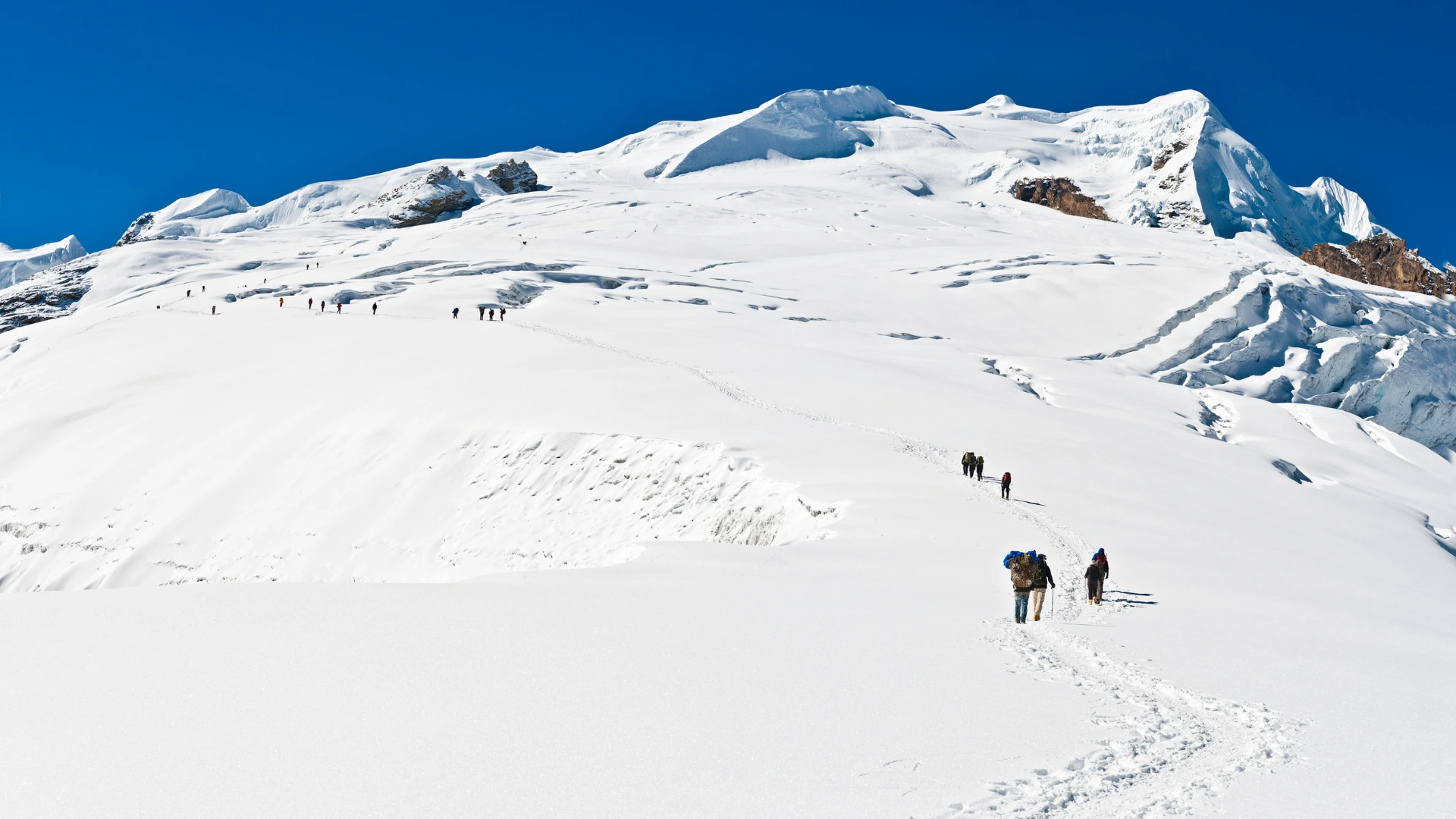
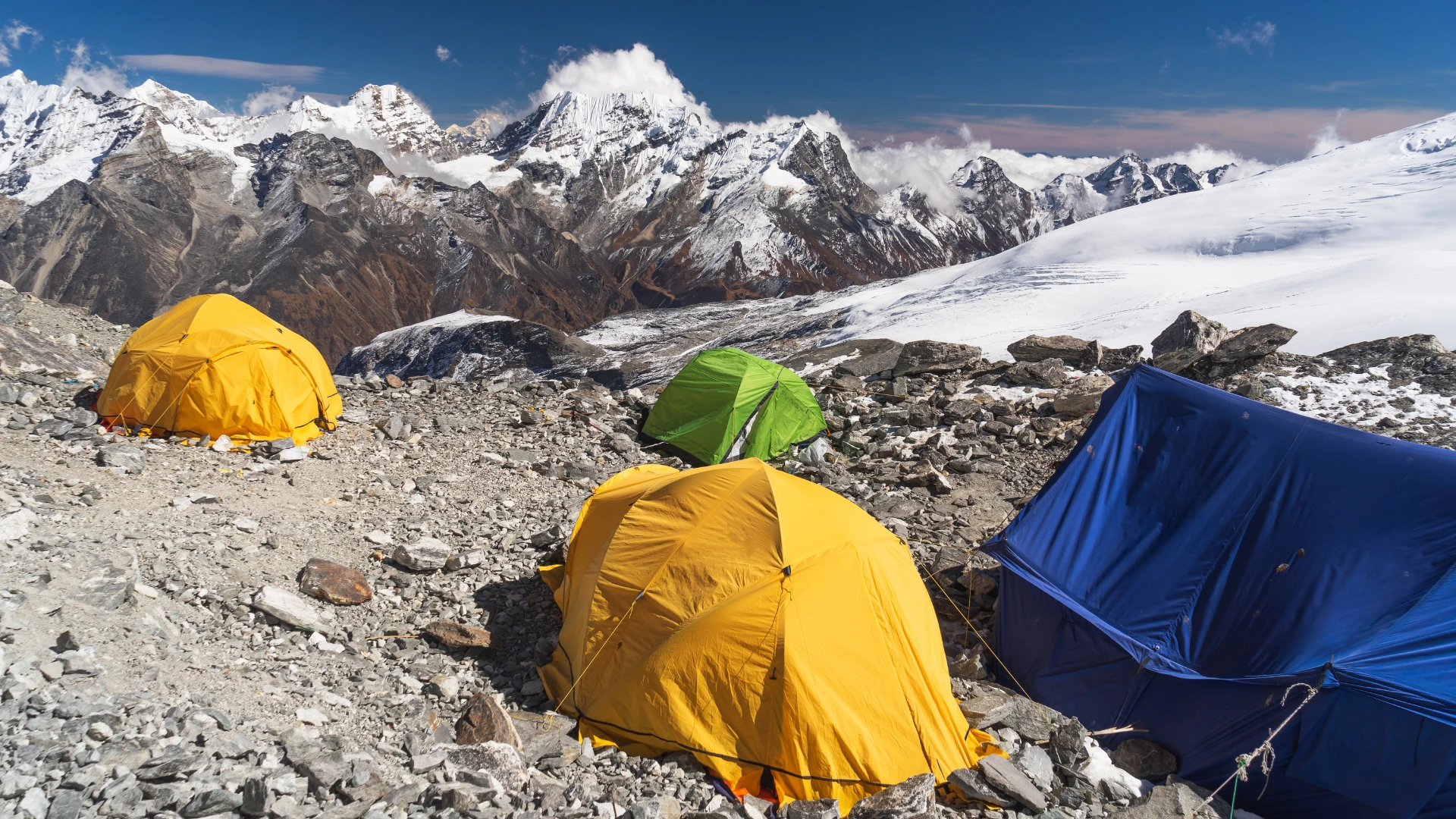
Cross the Mera Glacier, views of Everest, Lhotse, and Makalu, camp set up under the stars.
Camping, Mera High Camp. Meals: B, L, D

Day 12:Summit Mera Peak (6,476m), Return to Khare [10-12 hrs]

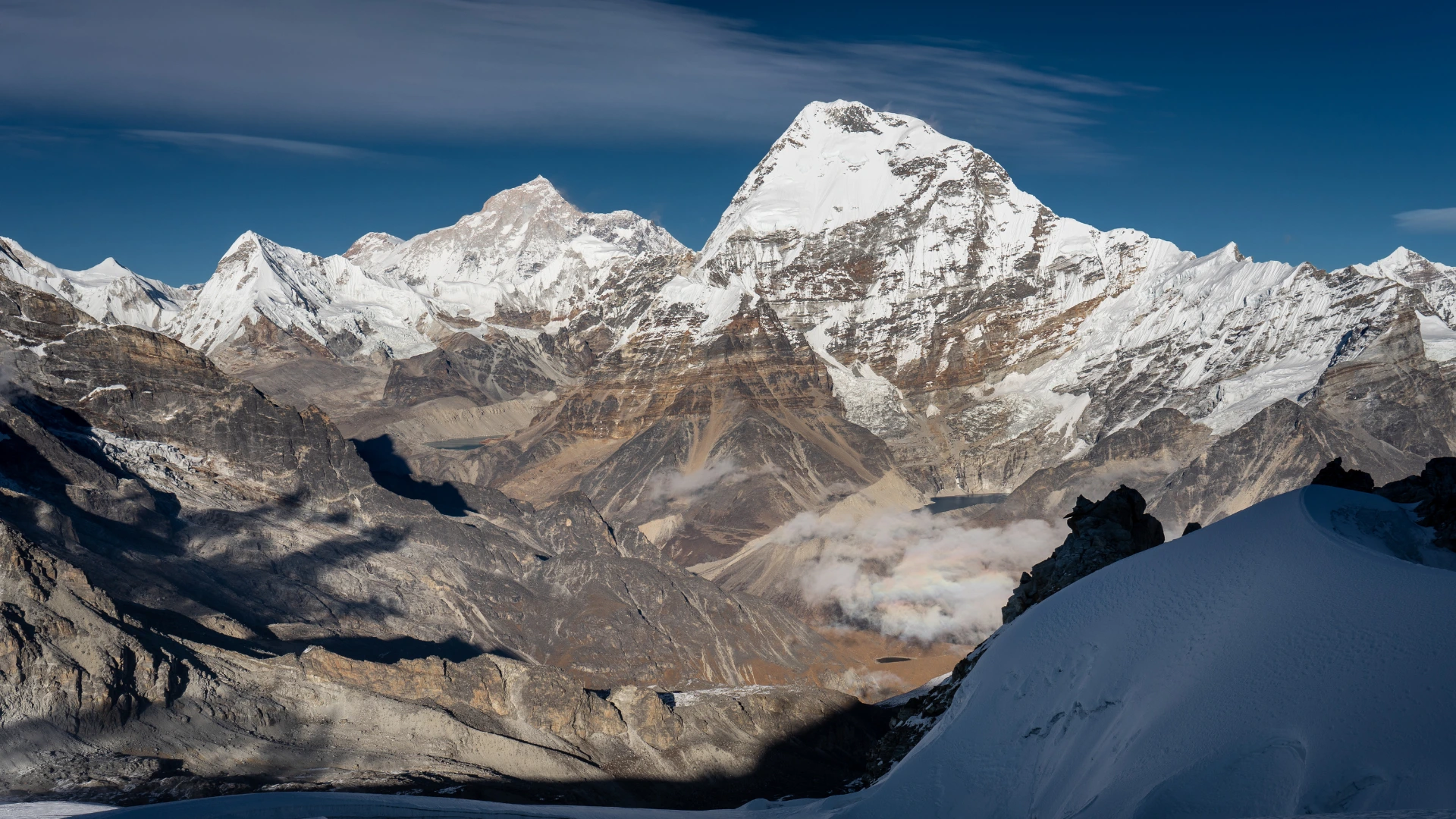
Midnight summit push, sunrise views of five 8,000m peaks, descend to Khare.
Overnight local lodge, Khare. Meals: B, L, D

Day 13:Trek to Kothe [5-6 hrs]

Descend through glacier-fed trails back into the forest zone.
Overnight local lodge, Kothe. Meals: B, L, D

Day 14:Trek to Thuli Kharka (4,300m) [6-7 hrs]

Mix of ascents and descents through dense forest.
Overnight local lodge, Thuli Kharka. Meals: B, L, D

Day 15:Trek to Lukla via Zatrwa La Pass (4,600m) [6-7 hrs]

Cross the pass, final mountain views, celebrate with the team in Lukla.
Overnight local lodge, Lukla. Meals: B, L, D

Day 16:Fly Lukla to Ramechhap, Drive to Kathmandu

Breakfast, fly to Manthali, drive to Kathmandu, free at leisure, farewell dinner with cultural show.
Overnight 4-star hotel, Kathmandu, BB plan. Meals: B, D

Day 17:Departure from Kathmandu

Breakfast, free time, transfer to airport.

Photos of Mera Peak Climbing

Mera Peak Climbing Highlights

  • Stunning Mountain Views: Breath-taking views of Mount Everest, Lhotse, Makalu, Cho Oyu, and other towering peaks.
  • Authentic Sherpa Culture: Visit picturesque Sherpa villages, learn about local traditions, and experience their hospitality.
  • Challenging but Accessible Climb: Non-technical climb suitable for adventurous trekkers with prior trekking experience.
  • Vibrant Himalayan Flora & Fauna: Rhododendron forests, alpine meadows, and wildlife such as Himalayan tahr and pheasants.
  • Remote and Unspoiled Region: A quieter, less crowded trek compared to other Everest treks, with stunning natural landscapes.

Cost for Mera Peak Climbing

For a group size of 2 to 4 people, the trek cost is US $2,753.00 nett per person. This rate is calculated on a per person basis for groups within this size range, and it reflects the full package cost including the services and inclusions outlined above.

Best Time of Year for Mera Peak Climbing

The best time of year for Mera Peak climbing is during the pre-monsoon spring season, from March to May, and the post-monsoon autumn season, from September to November. These two windows offer the most stable weather, clear mountain views, and moderate temperatures, making them ideal for both trekking to the base and the technical summit climb.

Spring brings warming temperatures after winter, blooming rhododendron forests along the lower trails, and generally dry, settled conditions that favor summit attempts. Autumn follows the monsoon rains, so the skies are clear, visibility is excellent, and trails are dry, offering some of the best mountain panoramas of the year, including views of Everest, Lhotse, Makalu, and Kanchenjunga from the summit.

Climbing outside these two windows is not recommended. The winter months of December through February bring extreme cold and heavy snowfall at higher elevations, which increases avalanche risk and can make the route impassable. The summer monsoon season, from June to August, brings heavy rainfall, leeches on the lower trails, and persistent cloud cover that obscures mountain views and increases the risk of landslides on the approach route.

Packing List for Mera Peak Climbing

During peak climbing and trekking, all necessary permits and documentation are arranged, including the peak climbing permit, a garbage deposit of $500, and climbing sherpa insurance. You will be accompanied by a professional, well equipped, and experienced local climbing guide throughout the climbing period. On the night of the climb, one night of camping meals, including breakfast, lunch, and dinner along with tea, coffee, and hot water, is provided at the tented camp.


Personal climbing equipment is provided for each guest, including boots, a harness set, crampons, ice axe, ascender, descender, and locking and unlocking carabiners. Group climbing equipment is also included, covering the main rope, snow bars, ice hammer, ice tool, ice screws, short 5mm accessory cords, and slings. Upon successful summit, each climber receives an official peak summit certificate.


All staff supporting the expedition, including insurance, meals, equipment, and accommodation, are fully covered by the package. During the trekking portion, one porter is provided for every two members, with a maximum baggage load of 25 kg per porter, and assistant guides are included for the entire trek when the group size exceeds 7 people.


Throughout the trip, three meals a day, breakfast, lunch, and dinner, are provided, along with accommodation in the best available guest houses on a room sharing basis. Wi-Fi is included at these guest houses, though availability is limited to areas up to Khare.
FAQ's for the Trek

How difficult is Mera Peak?

Mera Peak is classified as a non-technical trekking peak. The climb itself is mostly a snow and glacier walk on fixed ropes, with no advanced climbing skills required. The main challenge is altitude, not technical difficulty, apart from a short steep section near the final summit.

What is the best time to climb Mera Peak?

The best seasons are spring (March to May) and autumn (September to November), when weather is stable and visibility is best for summit views. Monsoon season (June to August) is not recommended.

Do I need prior climbing experience?

No technical mountaineering background is required, but a good level of fitness and prior high-altitude trekking experience is strongly recommended. Training in crampon and ice-axe use is normally covered during the trip at Khare.

How long does it take to climb Mera Peak?

Most itineraries run 15 to 18 days from Kathmandu, including acclimatization days and a buffer day in case of weather delays.

How high is Mera Peak and what can I see from the summit?

Mera Peak stands at 6,476m (21,247ft), the highest trekking peak in Nepal. From the summit climbers can see five 8,000m peaks, including Everest, Lhotse, Makalu, Kanchenjunga, and Cho Oyu.

Is a permit required for Mera Peak?

Yes. Climbers need a Mera Peak climbing permit issued by the Nepal Mountaineering Association, along with a Sagarmatha National Park entry permit and a local area permit.

What is the risk of altitude sickness?

Altitude sickness is the primary risk on this route. Proper acclimatization days, a gradual ascent profile, and an experienced guide significantly reduce the risk.

Mera Peak vs Island Peak, which is easier?

Mera Peak is generally considered less technical than Island Peak, with a gentler snow slope and less exposure. Island Peak involves steeper sections and more technical glacier travel.

Do I need a guide to climb Mera Peak?

Yes, a licensed climbing guide is mandatory, and most climbers also use the support of Sherpa crew for safety on the glacier and summit push.

Get Latest Updates By Subscribing To Our Newsletter

From$2,753
Book Now