- Nepal
- Tibet
- Bhutan
- Company
- Plan Your Trip
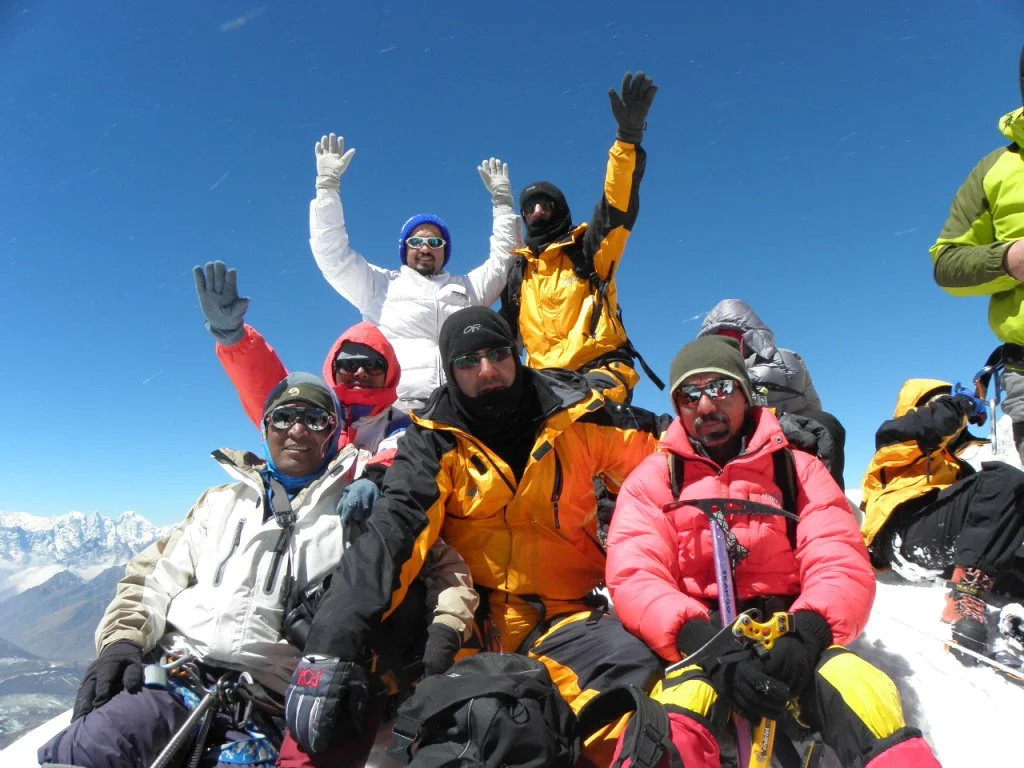
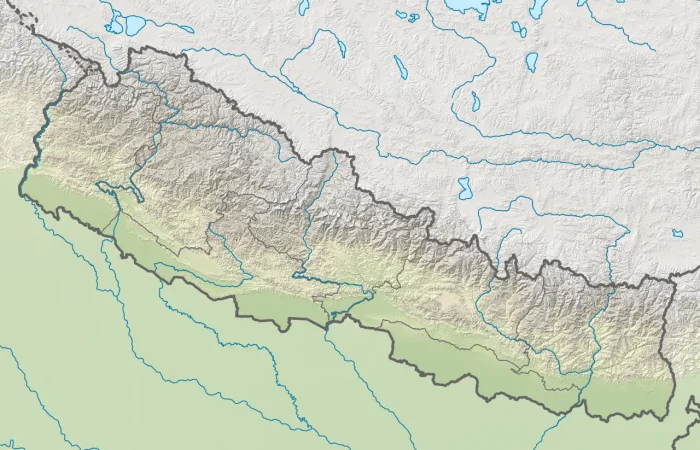
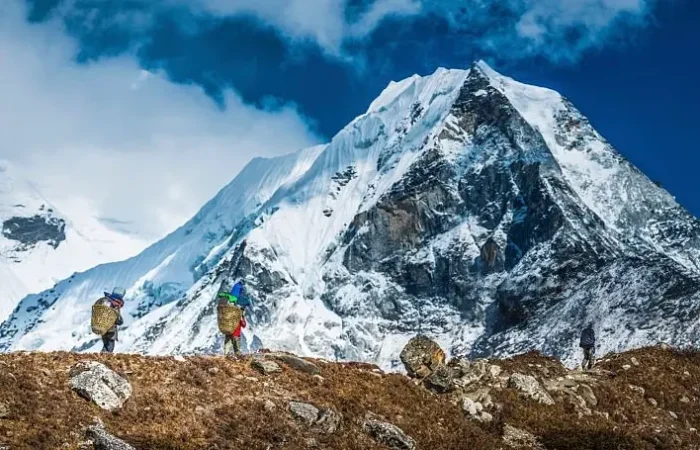
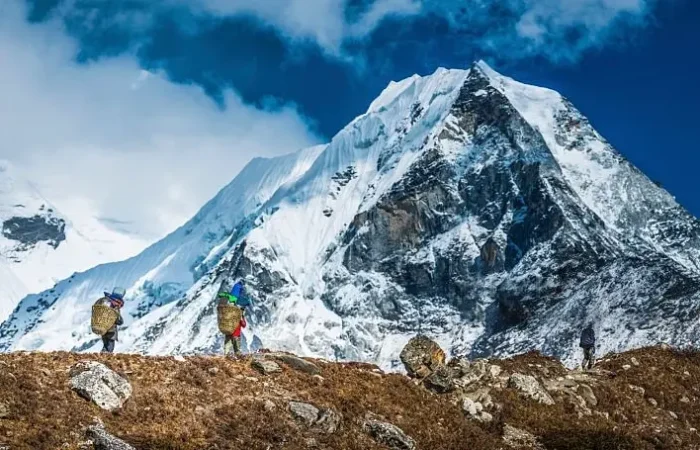
Island Peak, also known as Imja Tse, is a beacon of adventure in Nepal’s Khumbu region. This island peak height and island peak elevation of 6,189 meters make it a gateway to the world of mountaineering, offering an exhilarating journey through the heart of the island peak Himalayas. Whether you’re searching for “island peak nepal,” “island peak climb,” or “climbing island peak nepal,” this guide will prepare you for the island peak expedition.
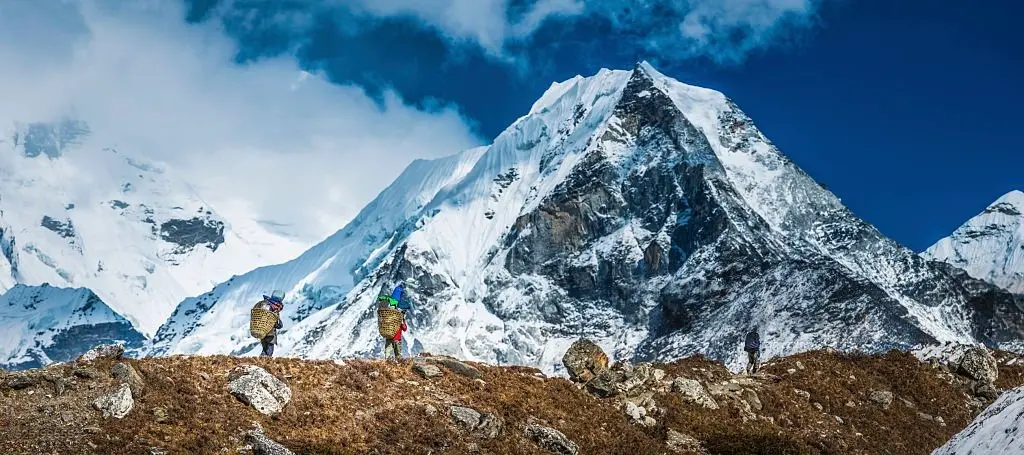
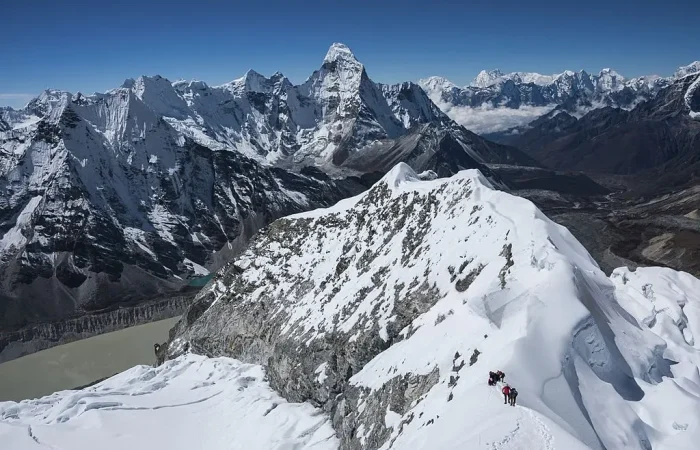
First climbed in 1953 as a training peak for Everest, Island Peak in nepal got its name from its island-like appearance amidst glaciers when viewed from Dingboche. It’s an accessible yet challenging peak, ideal for both seasoned climbers and those embarking on their first island peak summit. Beyond the climb, the journey immerses you in Sherpa culture, with stops at vibrant villages and monasteries.

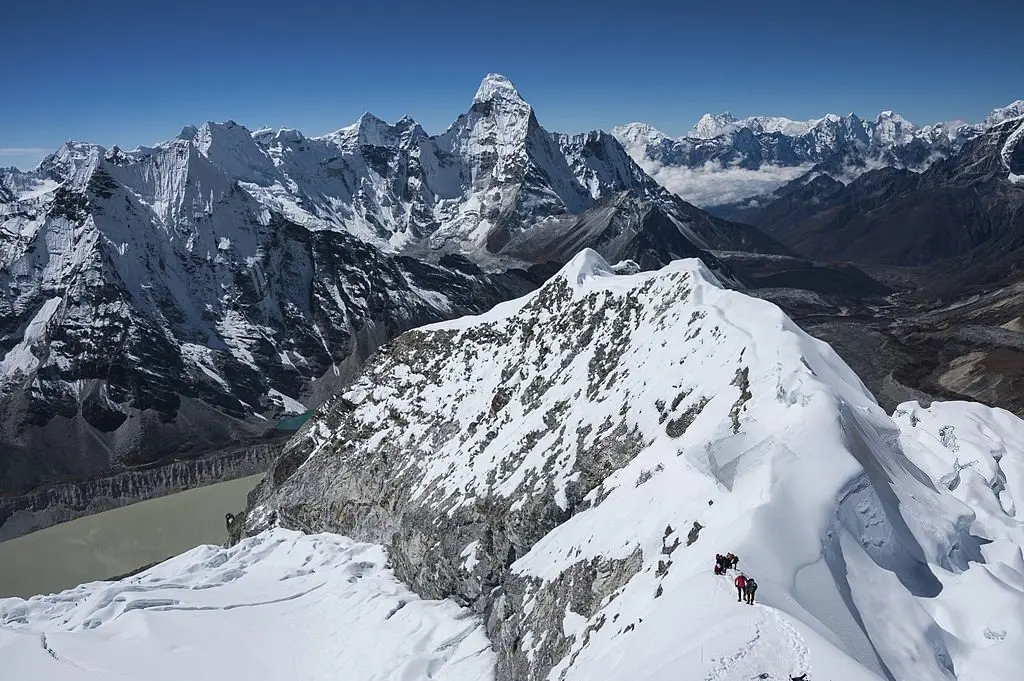
Island Peak Imja Tse blends trekking and technical climbing, perfect for adventurers looking to push their limits. The route offers stunning views of Everest (8,848m), Lhotse (8,516m), Nuptse (7,861m), and Makalu (8,485m). Many choose to combine it with the island peak climbing with EBC for a fuller Himalayan experience. You’ll trek through Sherpa villages like Namche Bazaar and Tengboche, gaining cultural insights alongside physical challenges. With a success rate of about 85% when properly acclimatized, it’s a rewarding yet achievable goal for those new to high-altitude climbing.
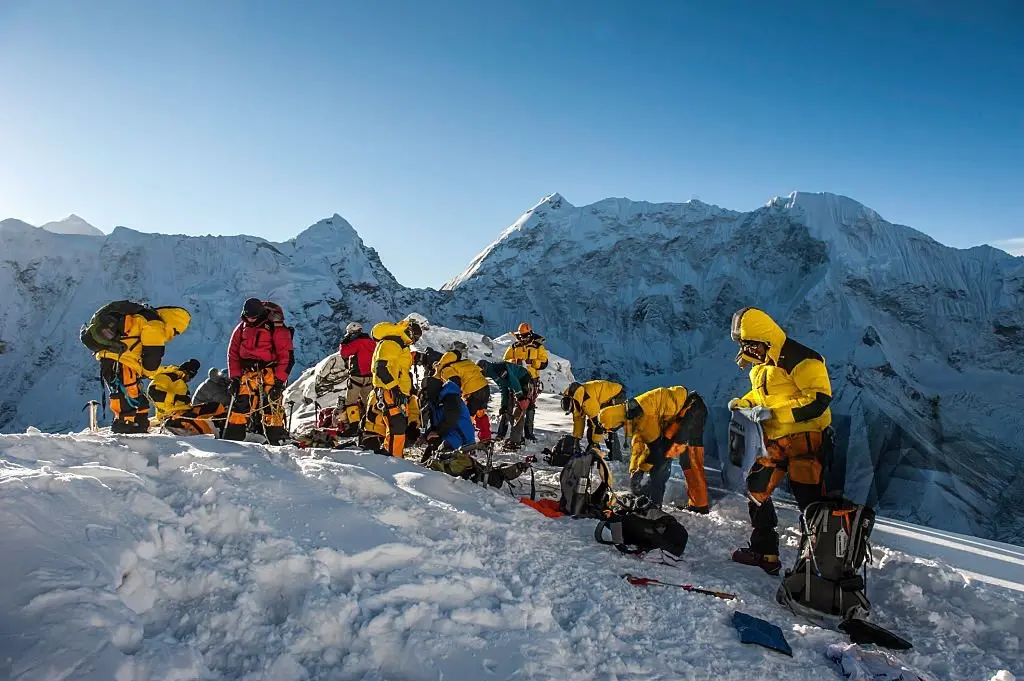
Preparing for an island peak climb demands physical, mental, and logistical readiness. Start training 3-6 months in advance to tackle the high-altitude and technical demands.
High-altitude climbing tests mental resilience. Practice mindfulness or meditation, visualize success, and set training milestones. Join forums for Nepal Island Peak climbers to connect and stay motivated. Trust your guides and training to navigate challenges like fatigue or weather shifts.
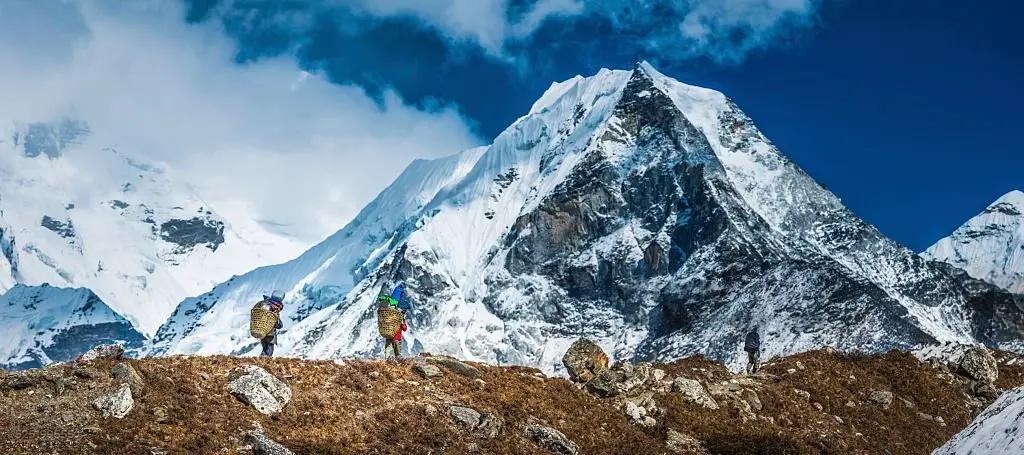
Proper acclimatization prevents altitude sickness during your Island Peak expedition. Ascend no more than 500m daily above 3,000m, with rest days every 3-4 days. Stay hydrated (4-5 liters daily), eat high-calorie meals, and avoid alcohol/smoking. Watch for Acute Mountain Sickness (AMS) symptoms like headaches or nausea—descend if severe. Experienced guides monitor oxygen levels and carry emergency oxygen. Island peak deaths are rare but highlight the need for preparation; most incidents stem from poor acclimatization or health issues.
Climb in spring (March-May) or autumn (September-November) for stable weather and clear views. Avoid the monsoon (June-August) and winter (December-February) due to rain or extreme cold. Permits include Sagarmatha National Park Entry ($30), Khumbu Pasang Lhamu Rural Municipality Fee ($20), Island Peak Climbing Permit ($250 in peak seasons), and a TIMS card. Guided trips cost $2,000-$4,000, covering logistics.
This extended itinerary for the Everest Base Camp trek with Island Peak climbing ensures acclimatization and a richer experience:
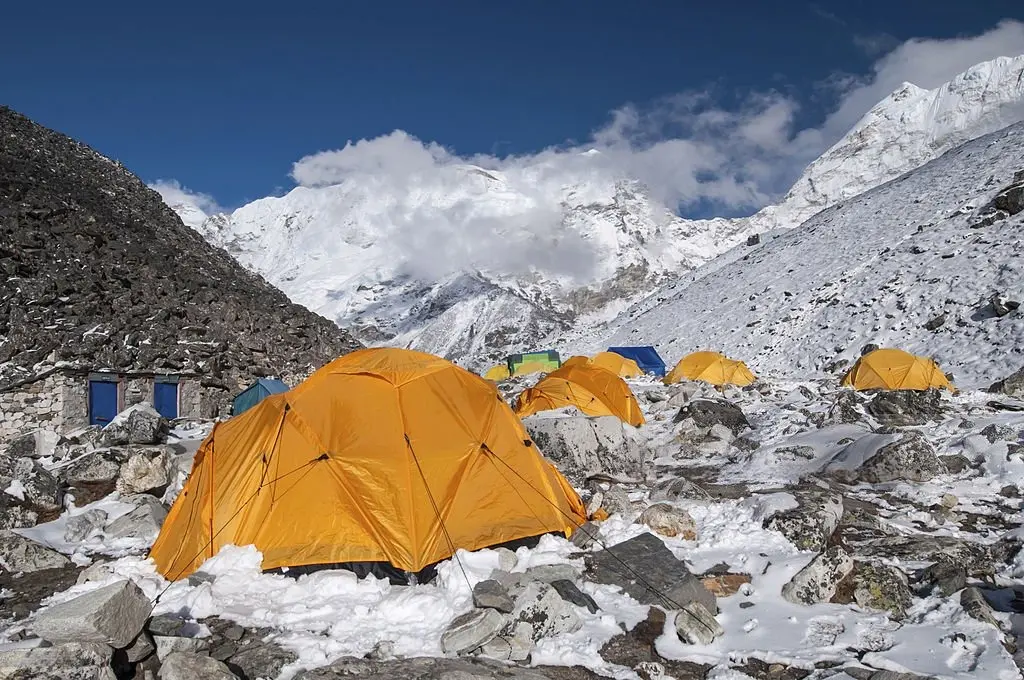
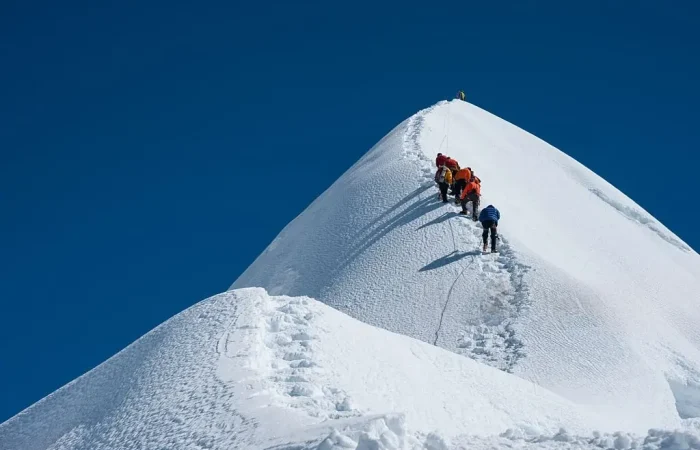
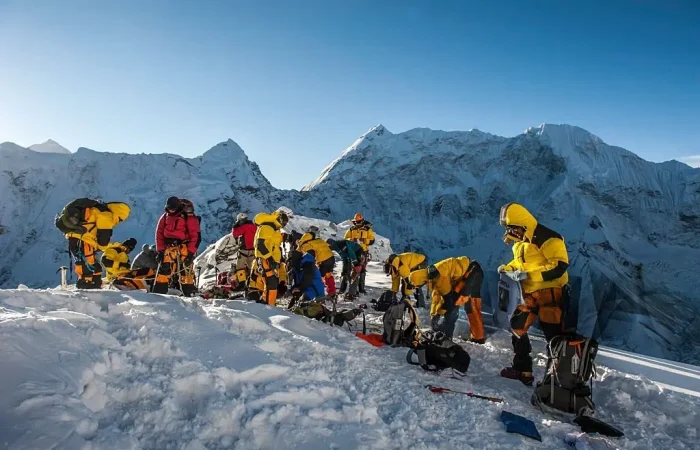
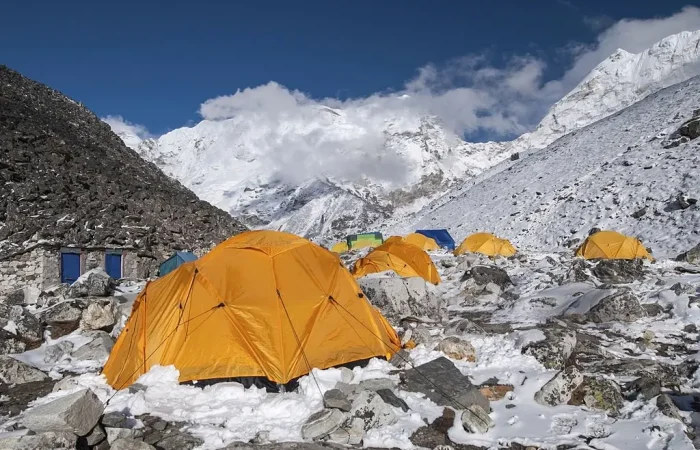
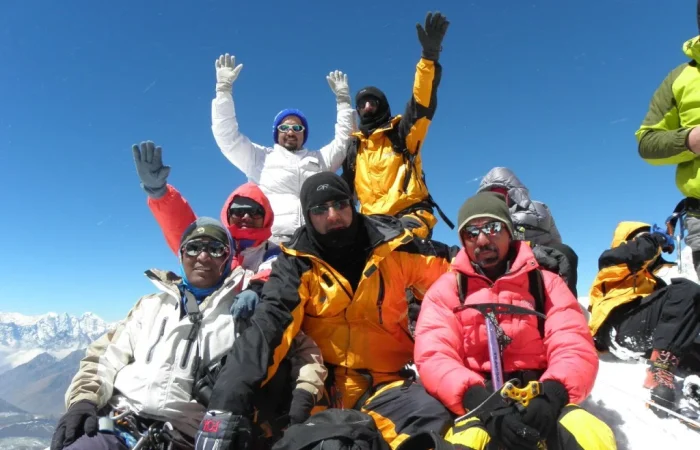
Summit day starts at 1-2 AM from High Camp to avoid afternoon winds. You’ll navigate a glacier, a steep headwall with fixed ropes, and a narrow ridge, taking 6-8 hours to ascend and 3-4 hours to descend. Expect cold (-10°C to -20°C) and thin air. Pace yourself, use a jumar for safety, and follow your guide. The island peak summit offers unmatched views of Everest and peaks. Top tips: eat well, layer clothing, stay hydrated, and prioritize safety if the weather worsens.
Ready for your new island peak adventure? Book with trusted operators and conquer the Himalayas!
 Accommodation & Meals
 Permits & Documentation
• Pass Pangboche village and beautiful mountain scenery.
• Hike to Nangkartshang Peak (5,083m) for acclimatization.
• Transfer to the airport for your flight home.