Kolti Valley Trek – Itinerary, Cost & Map

Send Us An Enquiry
Full Name*
Email Address*
Phone Number*
Your Country*
Your Enquiry*
Accommodation*
* I agree with Terms of Service and Privacy Statement.
Please agree to all the terms and conditions before proceeding to the next step
Save To Wish List

Adding item to wishlist requires an account

8471

  • DestinationNepal
  • AccommodationOlive Eco Village Hotel, Kolti / Apple orchard homestay / Karnali riverside eco-camp
  • RegionKolti (Budhinanda Municipality), Bajura District, Sudurpashchim Province (Far-Western Nepal)
  • Best SeasonMarch–June and September–November
  • Days9
  • Group2–15 Persons
  • DifficultyEasy to Moderate
  • PickupNepalgunj Airport or Surkhet Airport
  • Activity Per DayApprox. 2–7 hrs walking/jeep, varies by day
  • Max. AltitudeApprox. 2,200 m (Kolti and surrounding valley villages)
  • Meals IncludedBreakfast in Nepalgunj/Surkhet hotel / All meals (breakfast, lunch, dinner) from Day 2 onward
  • TransportationKathmandu–Nepalgunj/Surkhet–Kolti jeep or flight, jeep transfers between valley villages, on foot for day hikes

About Kolti Valley Trek

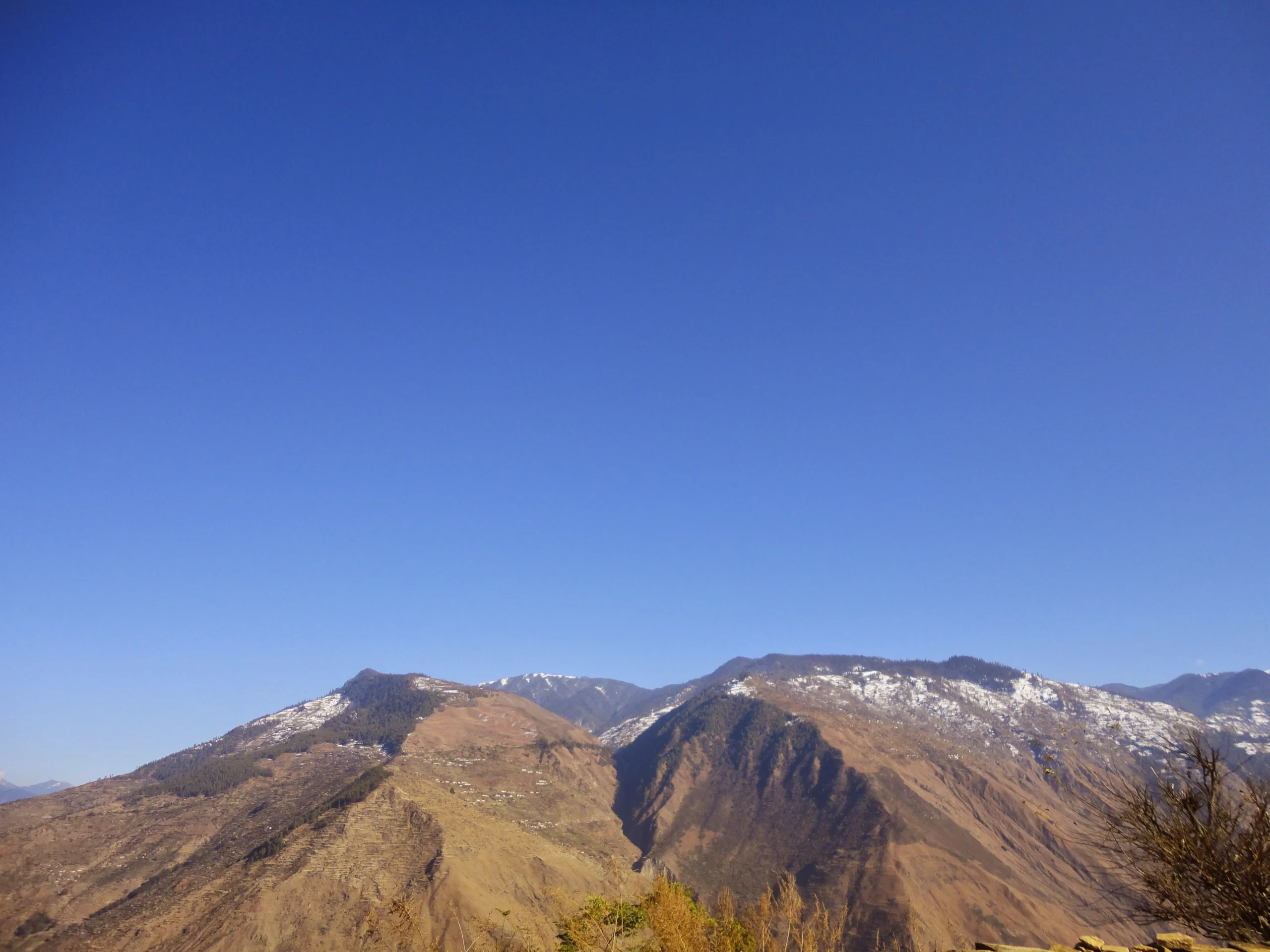
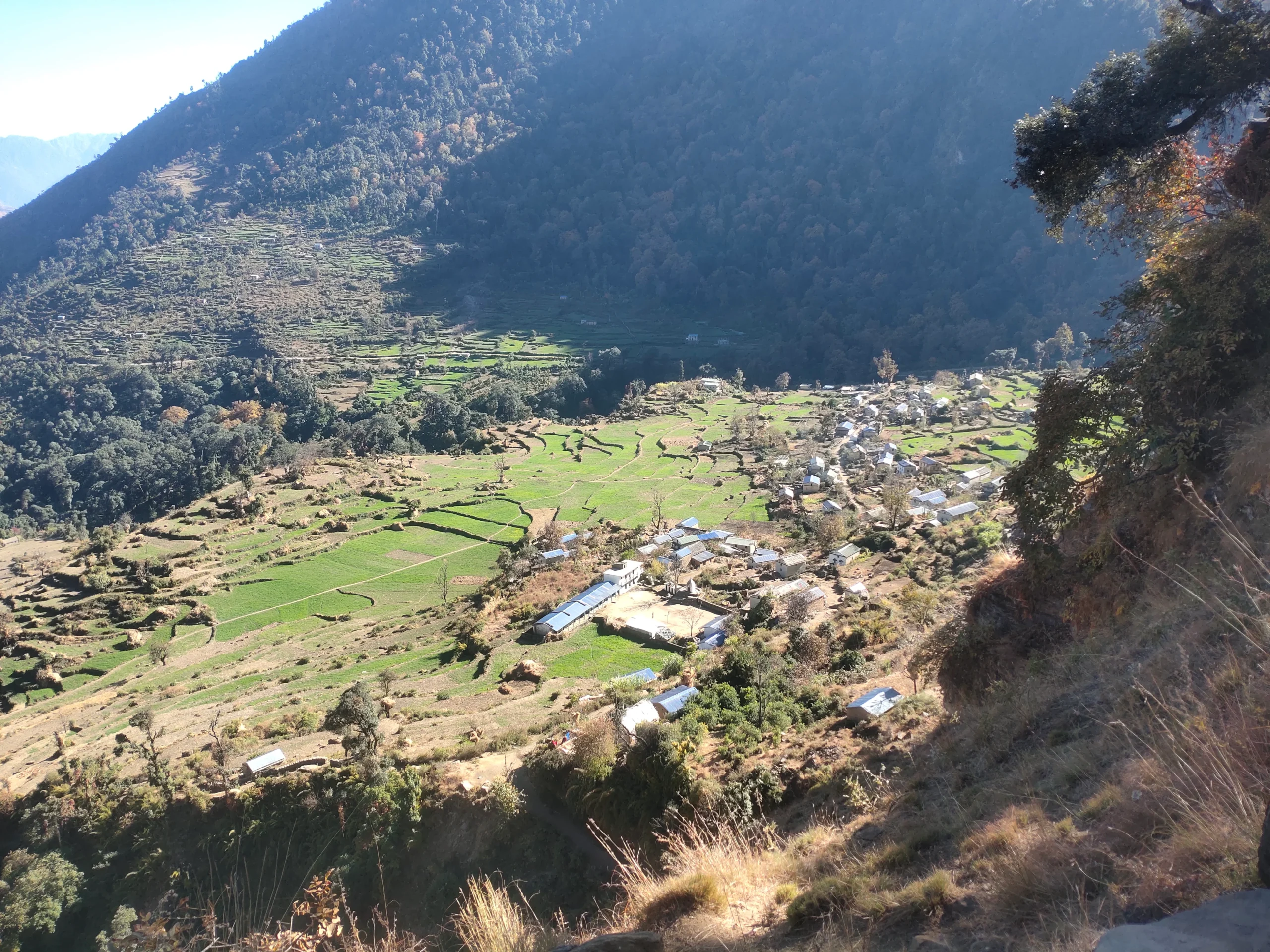
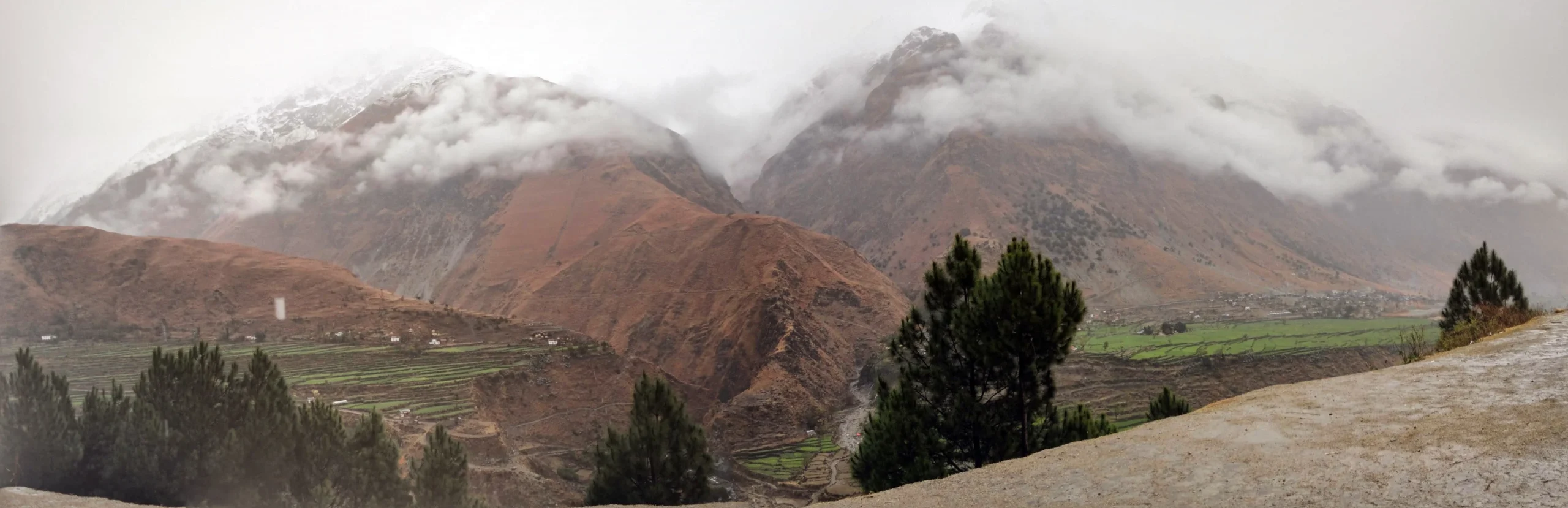
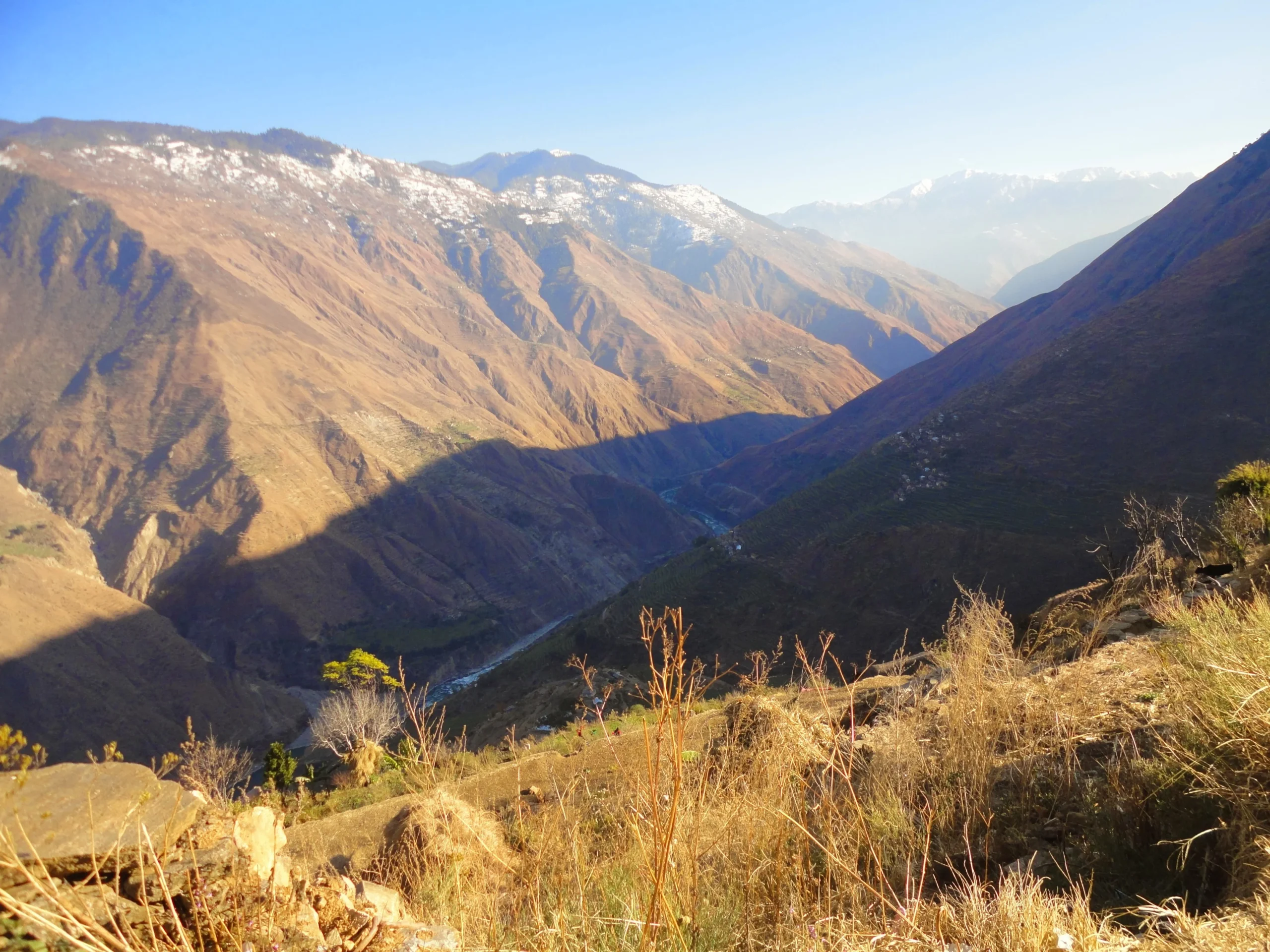
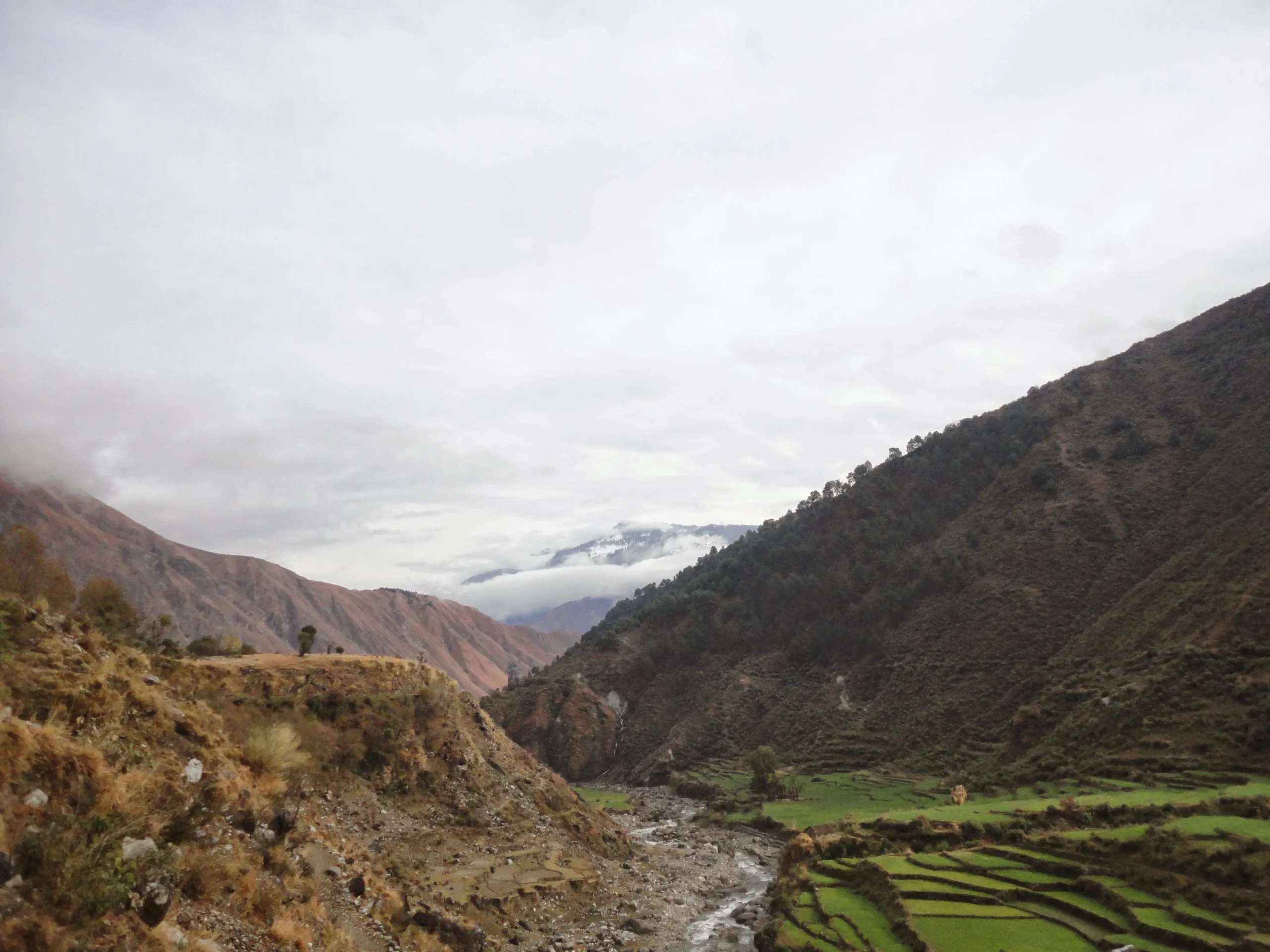
The Kolti Valley Trek is a 9-day, village-to-village exploration of Bajura district’s Kolti valley in Far-Western Nepal, built around a comfortable pace rather than high-altitude trekking. It’s designed for travelers who want the remoteness and culture of Nepal’s far west without the physical demands of a mountain pass, combining orchard visits, organic farm stays, a village hike, Karnali River rafting, and time with local beekeeping and farming communities.

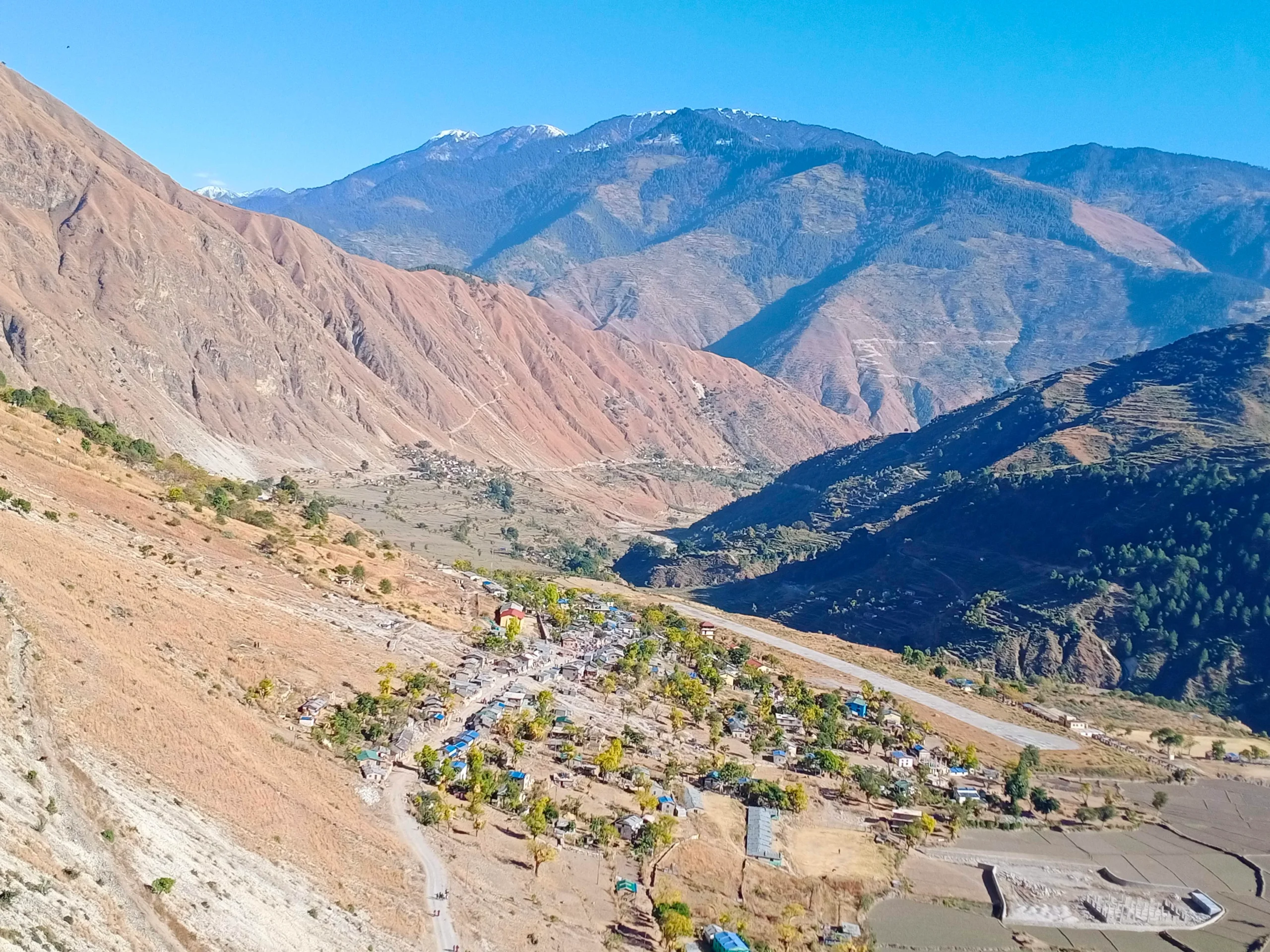
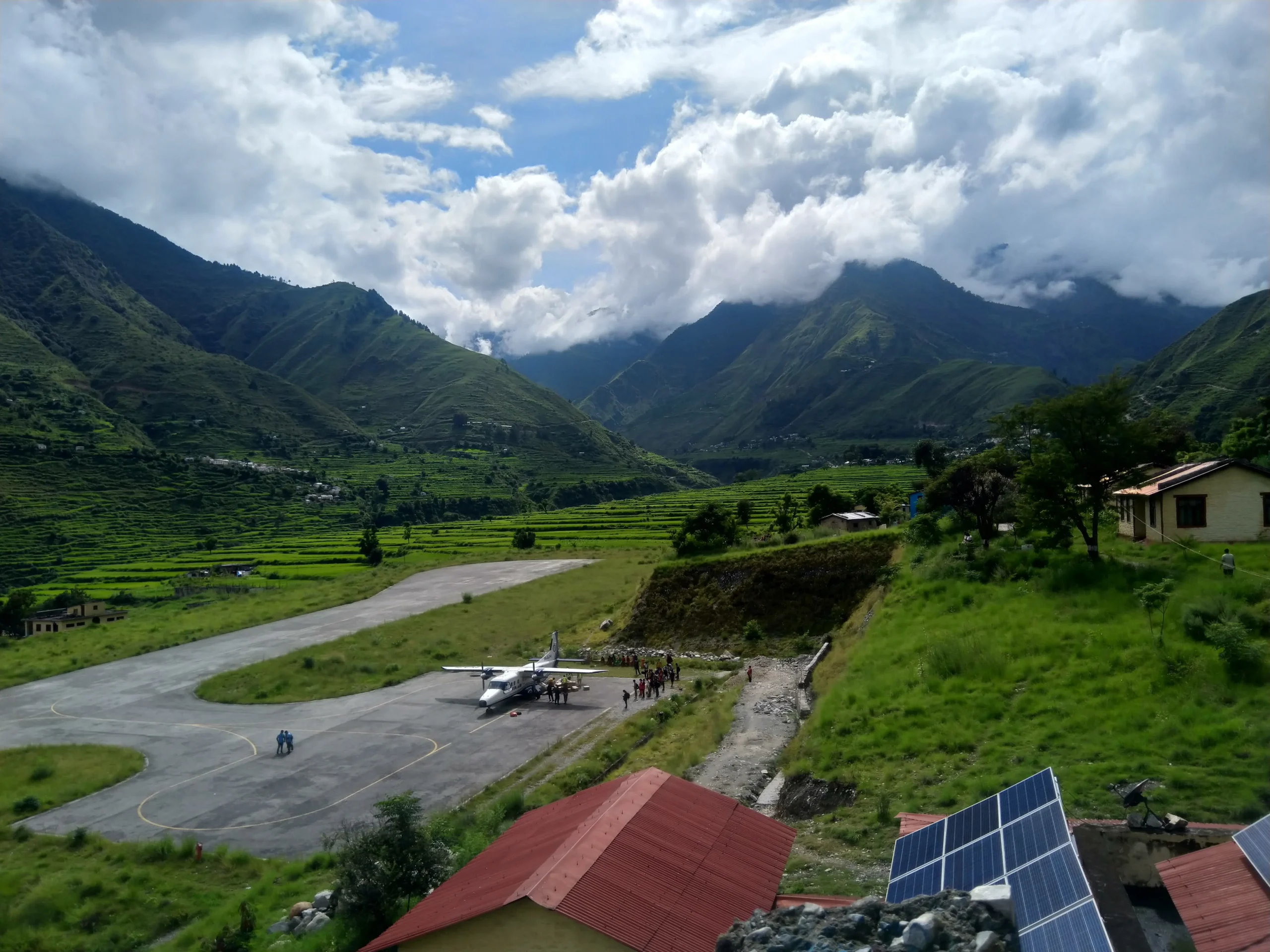
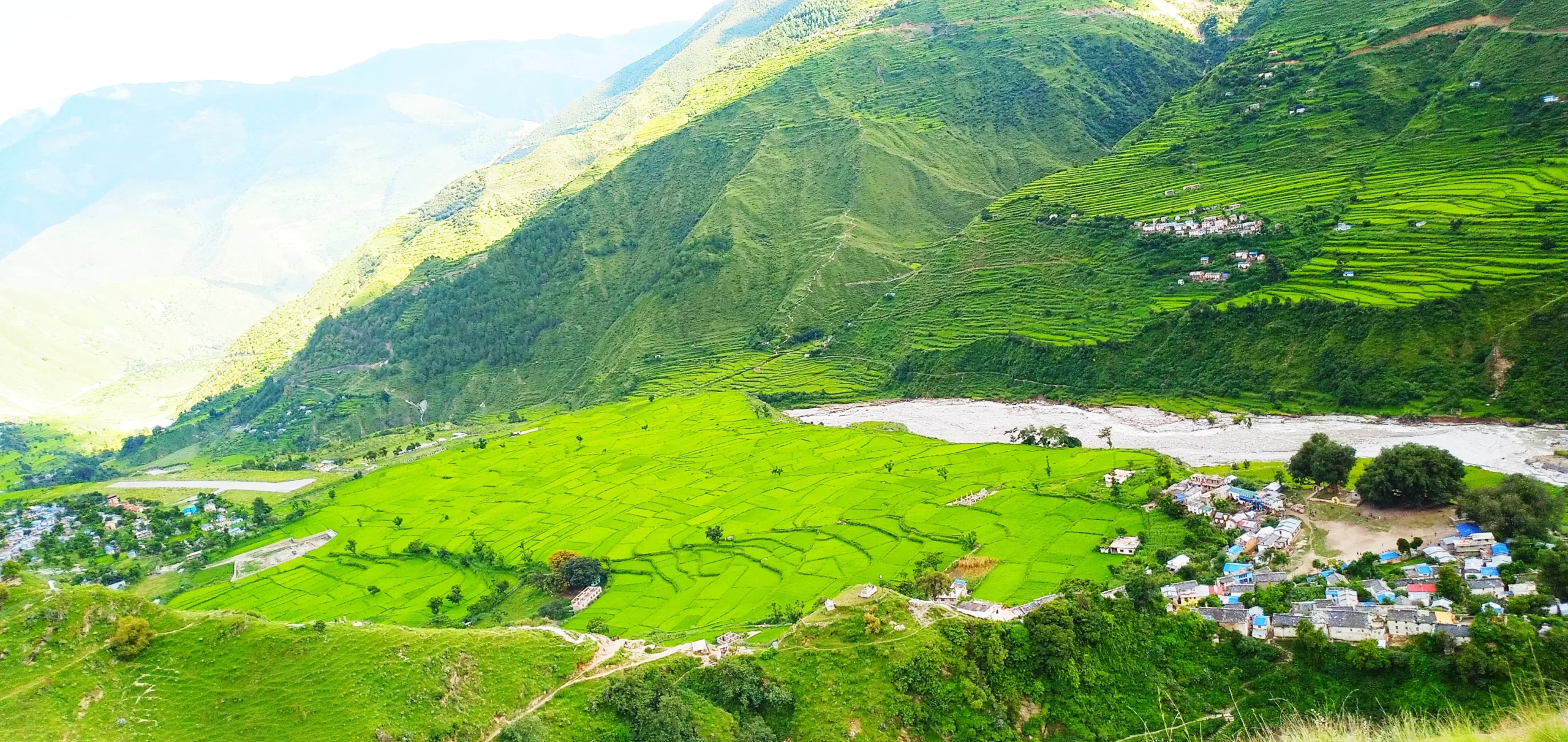
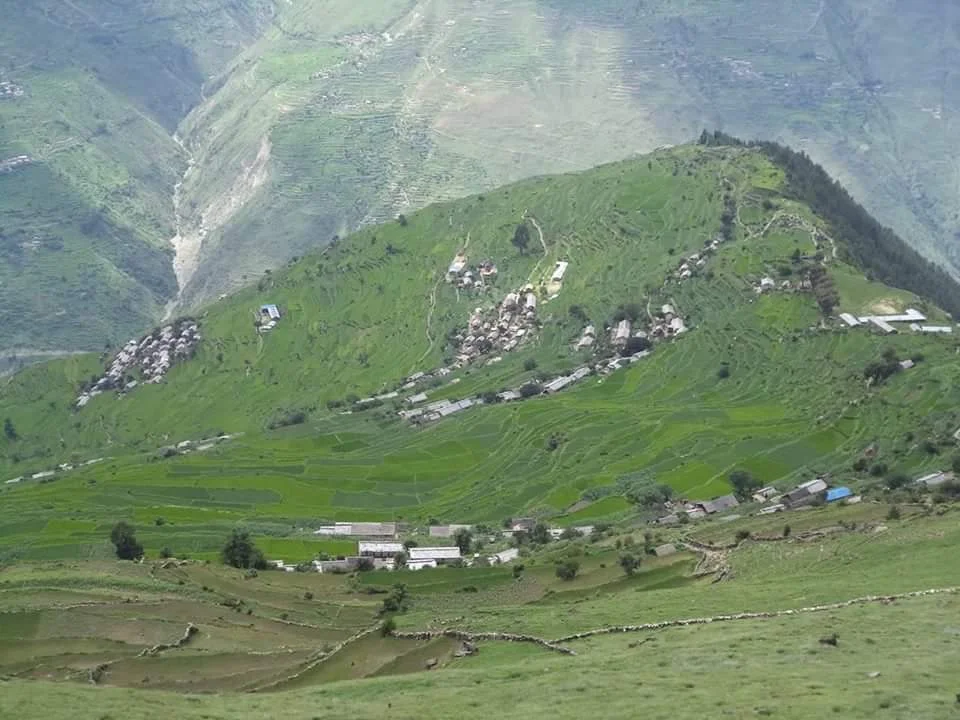
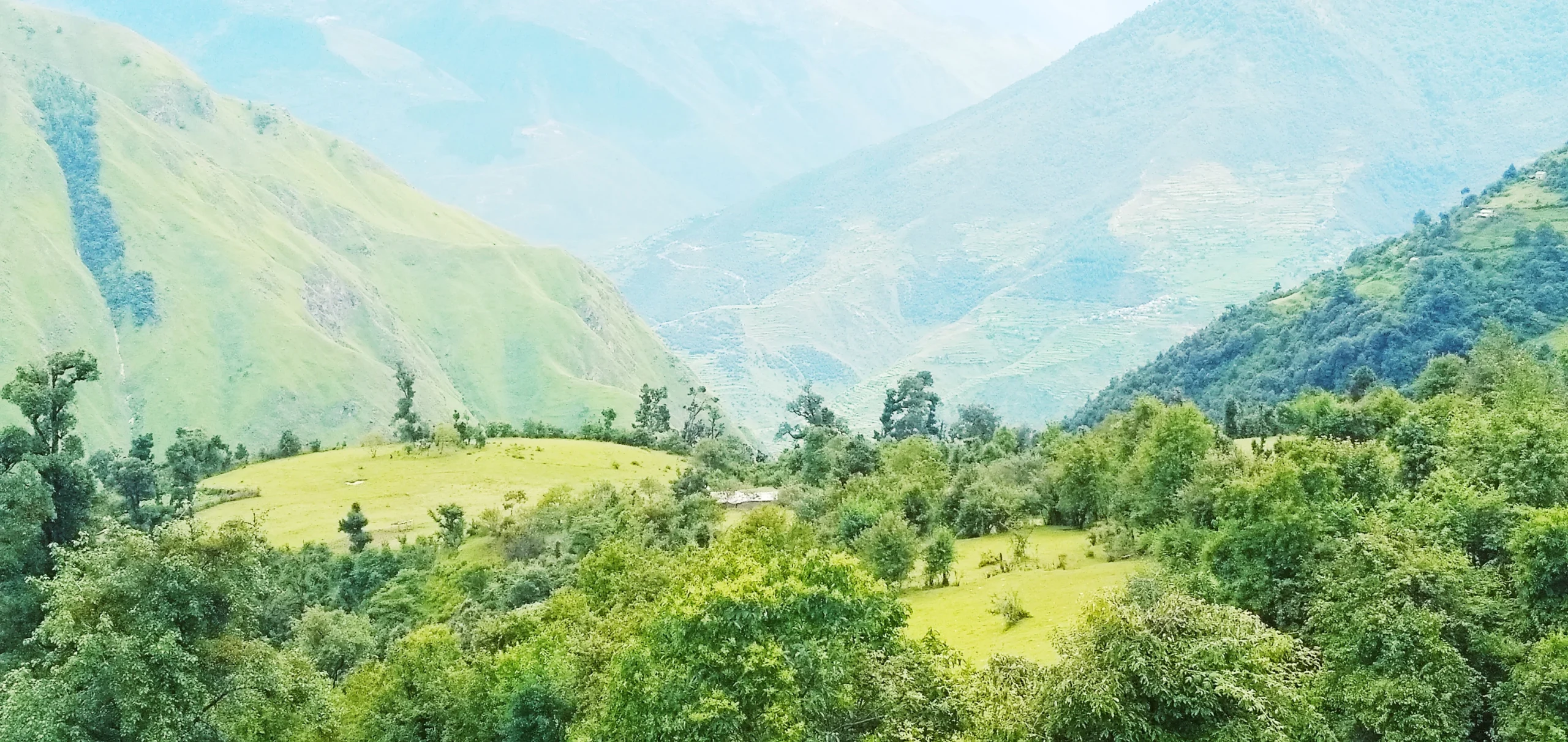
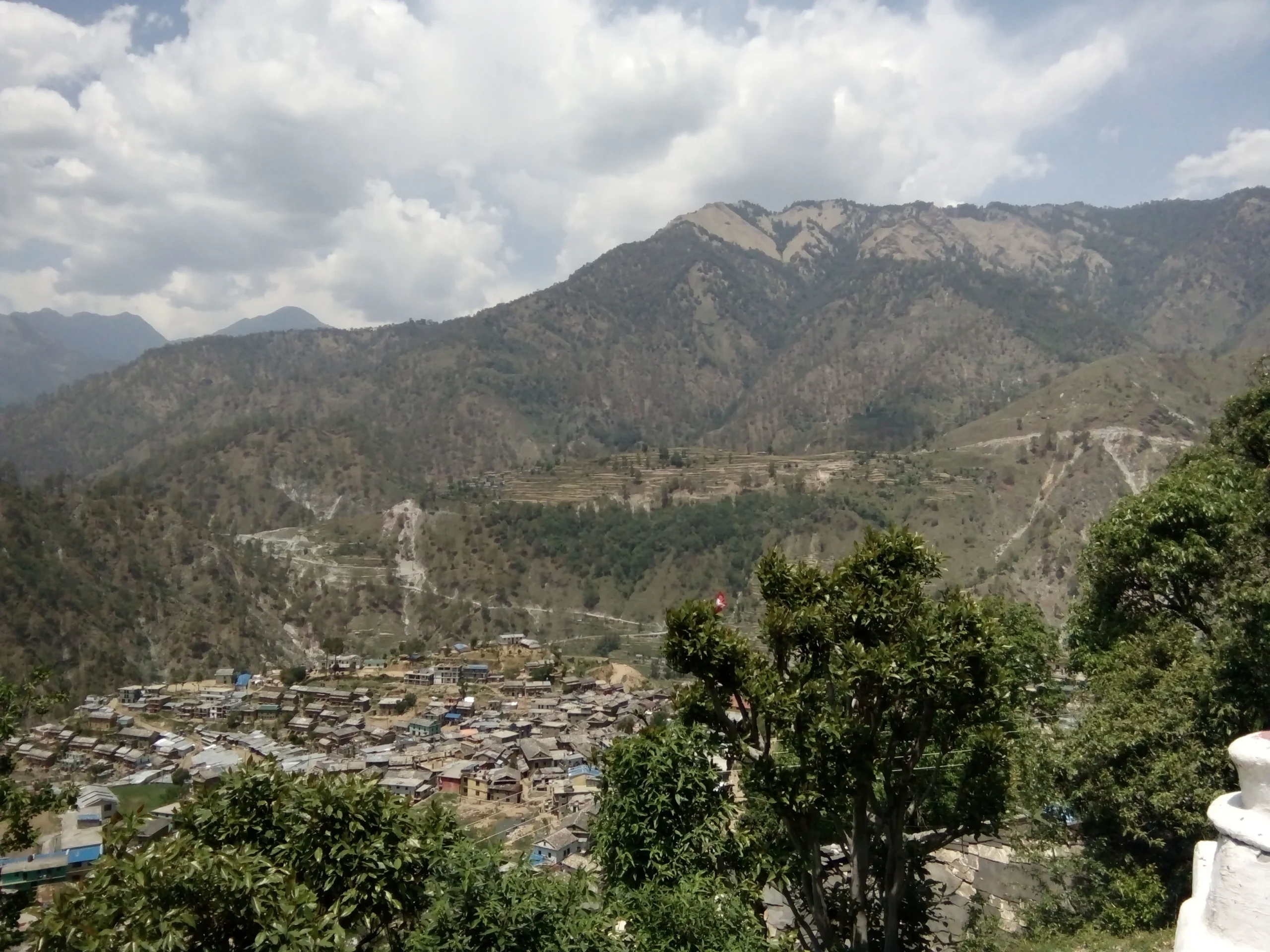
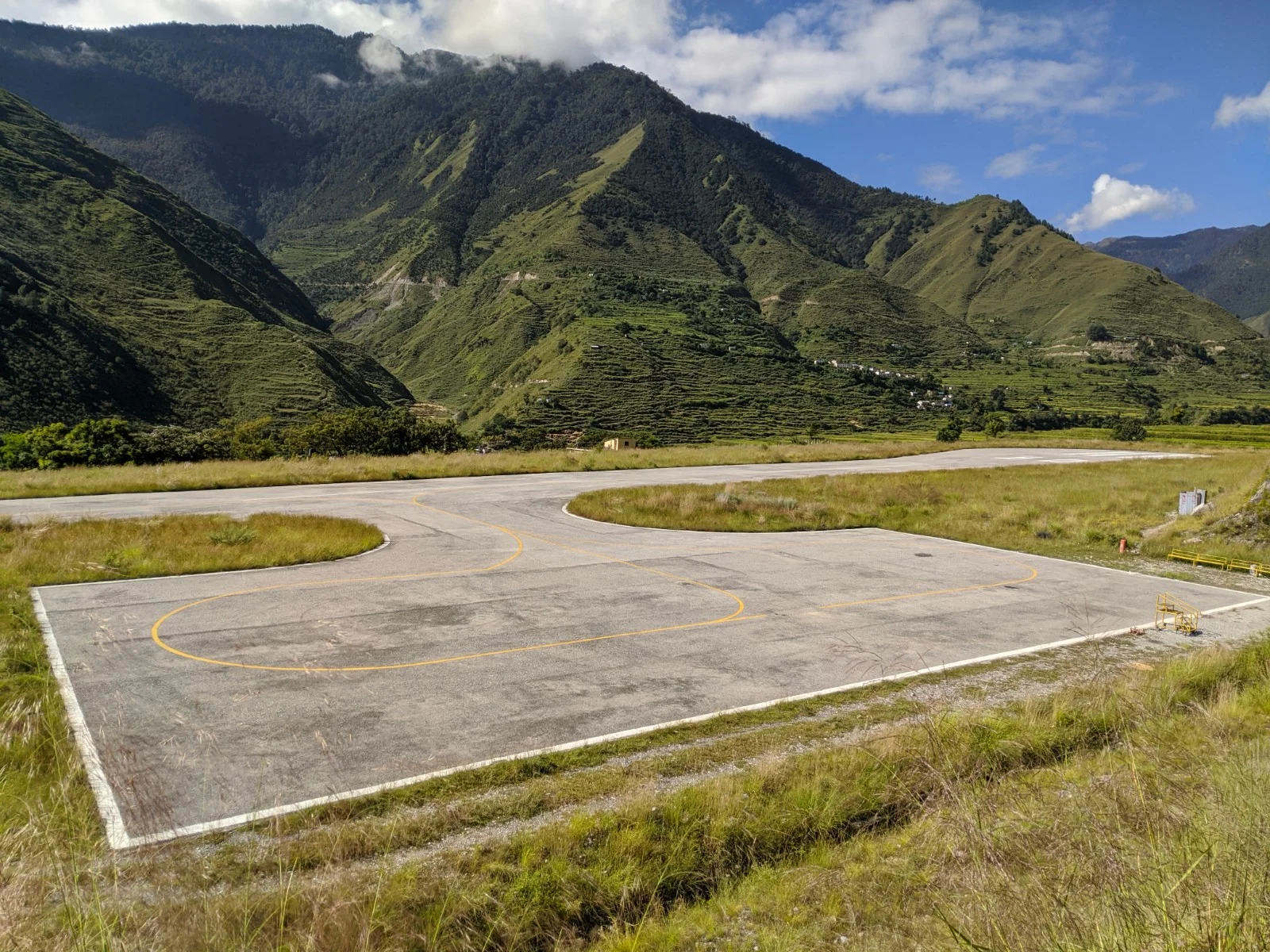
The trip is based out of Kolti, headquarters of Budhinanda Municipality and one of the only towns in Bajura with its own small airstrip. Kolti sits at a comfortable mid-hill elevation of around 1,700m and has become genuinely well known for its olive cultivation. Since the 1990s, Kolti has been part of an FAO-backed programme promoting olive farming in Nepal, and the surrounding hillsides between roughly 1,100m and 2,200m remain one of the country’s best-documented sites for both wild and cultivated olive trees, alongside long-established apple orchards.

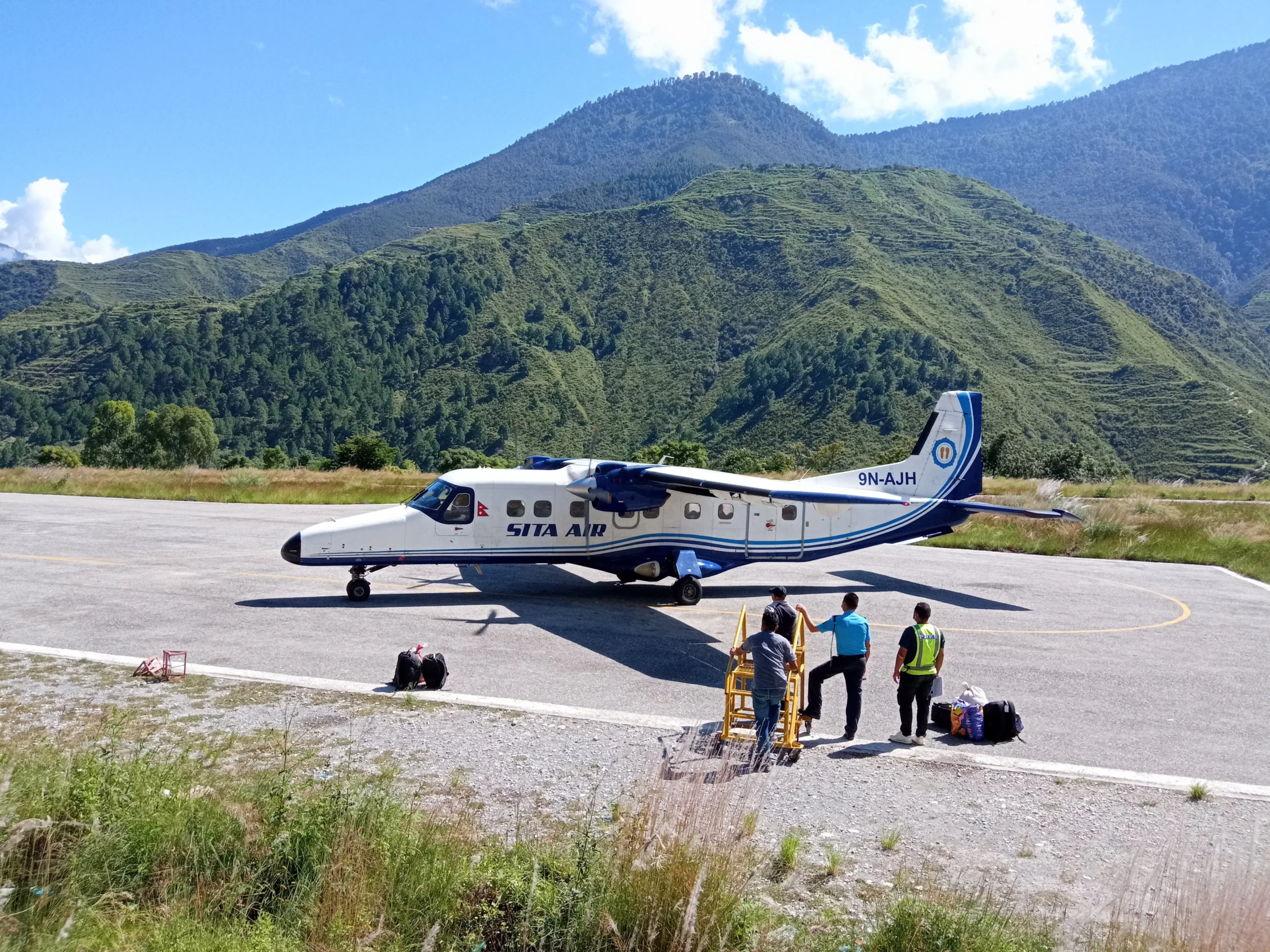
From this base at the Olive Eco Village Hotel, the itinerary radiates outward on a series of day trips and short overnights: a jeep-and-trek excursion to a panoramic viewpoint and a nearby apple orchard for an overnight stay, a visit to an organic farming village where you can meet local growers directly, and a full-day hike across the valley taking in oak forest, an olive grove, a lemon farm, a hidden waterfall, and one of Bajura’s small Muslim communities, a rarity in this overwhelmingly Hindu region. The trip then shifts down to the Karnali River for two days, camping riverside, visiting the Paduka Triveni Dham, a locally significant temple at the confluence of the Karnali and Budhiganga rivers tied to the same Sati Devi legend found at Badimalika and Budhinanda, and rafting a gentle stretch of the river. A final excursion visits one of Bajura’s few beekeeping villages before the trip wraps up back in Kolti.

Because the trekking distances are moderate and the route never gains serious altitude, this is the most accessible of Nepal Adventure Trail’s far-western Nepal itineraries, suited to travelers with reasonable general fitness rather than dedicated trekkers.
📌 Related Guides

  • Pairs well with: Badimalika Trek, Budhinanda Trek, and Rara Lake Trek — all four routes share the same Kolti/Olive Eco Village base and can be combined into a longer Bajura itinerary for travelers wanting both the easier valley experience and the higher pilgrimage treks

Itinerary Highlights for 9 Day Kolti Valley Trek

Day 1: Travel from Kathmandu to Kolti via Nepalgunj or Surkhet

Day 2: Arrival and orientation at Olive Eco Village Hotel, Kolti

Day 3: Jeep and hike to a panoramic viewpoint, overnight at an apple orchard

Day 4: Visit an organic farming village, return to Kolti

Day 5: Full-day hike across Bajura's valley villages (approx. 7 hours)

Day 6: Travel to the Karnali River, overnight riverside eco-camp

Day 7: Karnali River rafting, Paduka Triveni Dham visit, cultural evening in Kolti

Day 8: Round-trip hike to a beekeeping village (approx. 6 hours)

Day 9: Farewell to Kolti, return to Kathmandu via Nepalgunj or Surkhet

Inclusions in the Kolti Valley Trek

Accommodation & Meals
  • 1 night in Nepalgunj or Surkhet (hotel, breakfast included)
  • 4 nights at Olive Eco Village Hotel, Kolti
  • 1 night apple orchard homestay
  • 2 nights at a Karnali riverside eco-camp
  • All meals (breakfast, lunch, dinner) from Day 2 onward
  • Tea/coffee during all meals
 Transportation
  • Kathmandu–Nepalgunj/Surkhet transfer (jeep or domestic flight)
  • Nepalgunj/Surkhet–Kolti transfer (jeep or domestic flight)
  • All jeep transfers between valley villages and to/from the Karnali riverside camp
 Professional Guide & Porter Service
  • Experienced local guide for all village visits and hikes
  • Karnali River rafting guide and safety equipment
  • Cultural performance by local women's group in Kolti
  • Farm and orchard visits with local growers and beekeepers
 Permits & Documentation
  • All local area entry fees and government permits applicable in Bajura
  • All applicable government taxes and service charges
Special Inclusions
  • Free Nepal Adventure Trail cap and t-shirt
  • Pre-trip briefing and trip preparation
  • 24/7 emergency support

Price Excludes

  • International airfare to/from Nepal.
  • Nepal entry visa fees ($30-50).
  • Travel and medical insurance (mandatory).
  • Personal trekking equipment and gear.
  • Extra night accommodation due to early arrival/late departure.

Additional Costs During Trek

  • Hot showers in teahouses ($3-5 per use)
  • WiFi and battery charging ($3-5 per use)
  • Laundry services ($5-10 per kg)
  • Hot drinks and snacks outside planned meals
  • Alcoholic beverages and soft drinks
  • Helicopter rescue in emergency (insurance should cover)
  • Additional porters for personal items
  • Single room supplements ($20-30 per night)
  • Tips for guide and porters (customary $100-150 total)
  • Photography/video fees at monasteries
  • Extra accommodation/meals due to flight delays.
  • Alternative transportation costs.
  • Additional permits for route changes.
  • Emergency evacuation costs.
  • Trip extension due to weather/personal reasons.

Trek Map

Itinerary for Kolti Valley Trek 9 Days

Day 1: Travel from Kathmandu to Kolti via Nepalgunj or Surkhet

Depending on your preference, travel by jeep or a combination of domestic flights from Kathmandu to Kolti, either via Nepalgunj or Surkhet. Flying allows same-day arrival in Kolti. Overnight at Olive Eco Village Hotel.

Day 2: Arrival and orientation at Olive Eco Village Hotel, Kolti

Settle into the tranquil Olive Eco Village Hotel, Kolti’s base for the trip. After a relaxed dinner, join an orientation session with your guide to walk through the days ahead. Overnight at Olive Eco Village Hotel, Kolti.

Day 3: Jeep and hike to a panoramic viewpoint, overnight at an apple orchard

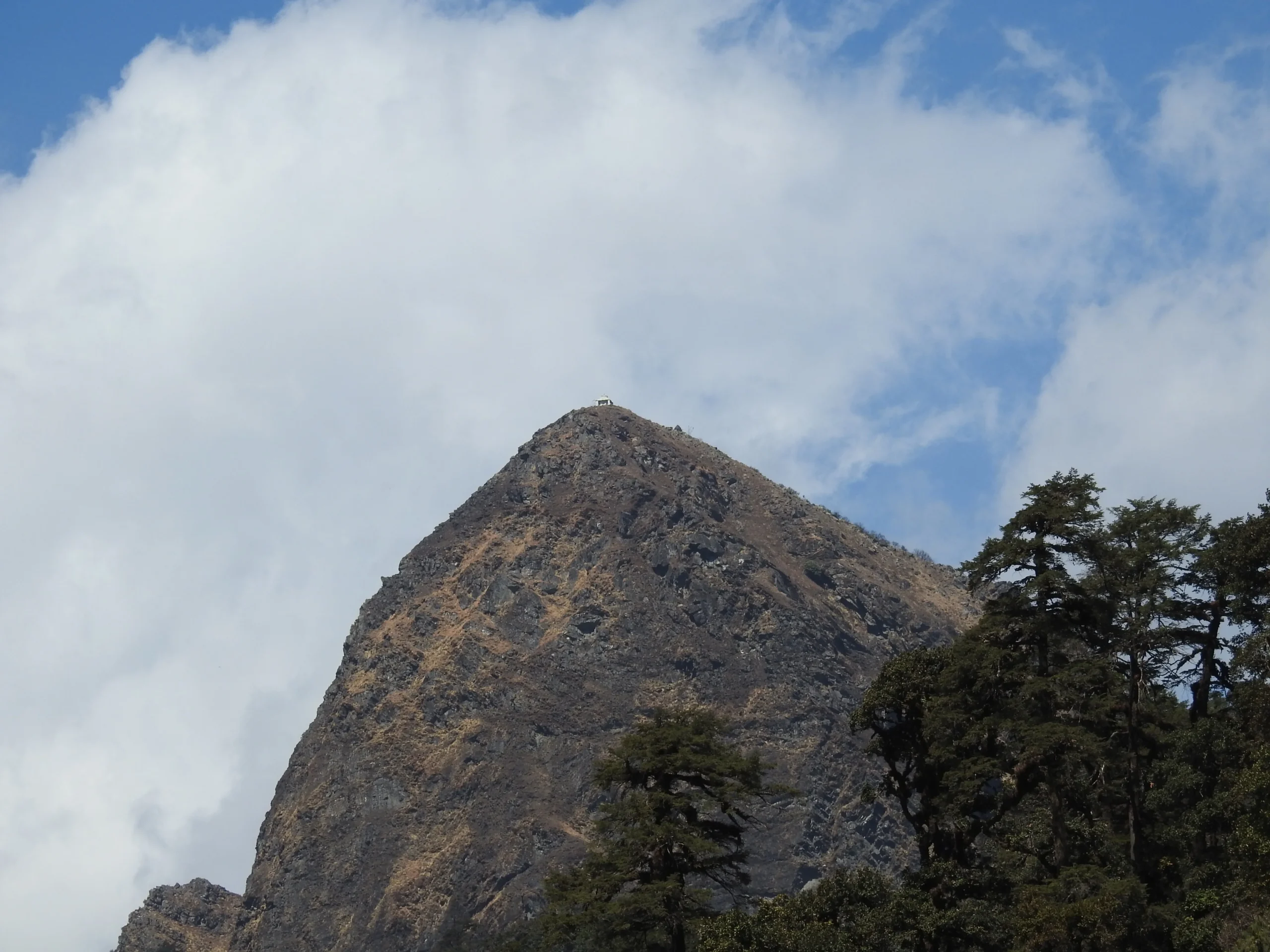
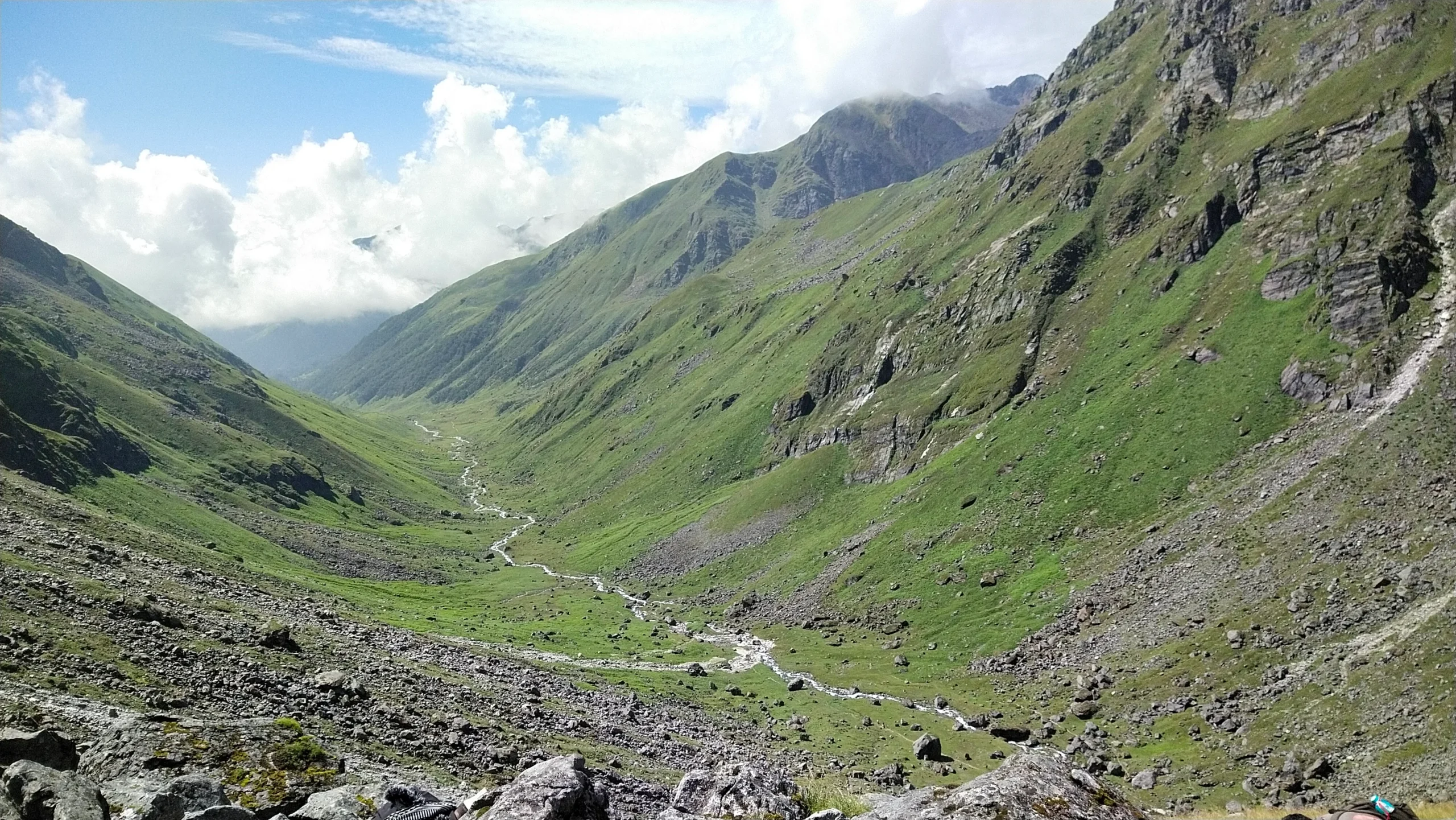
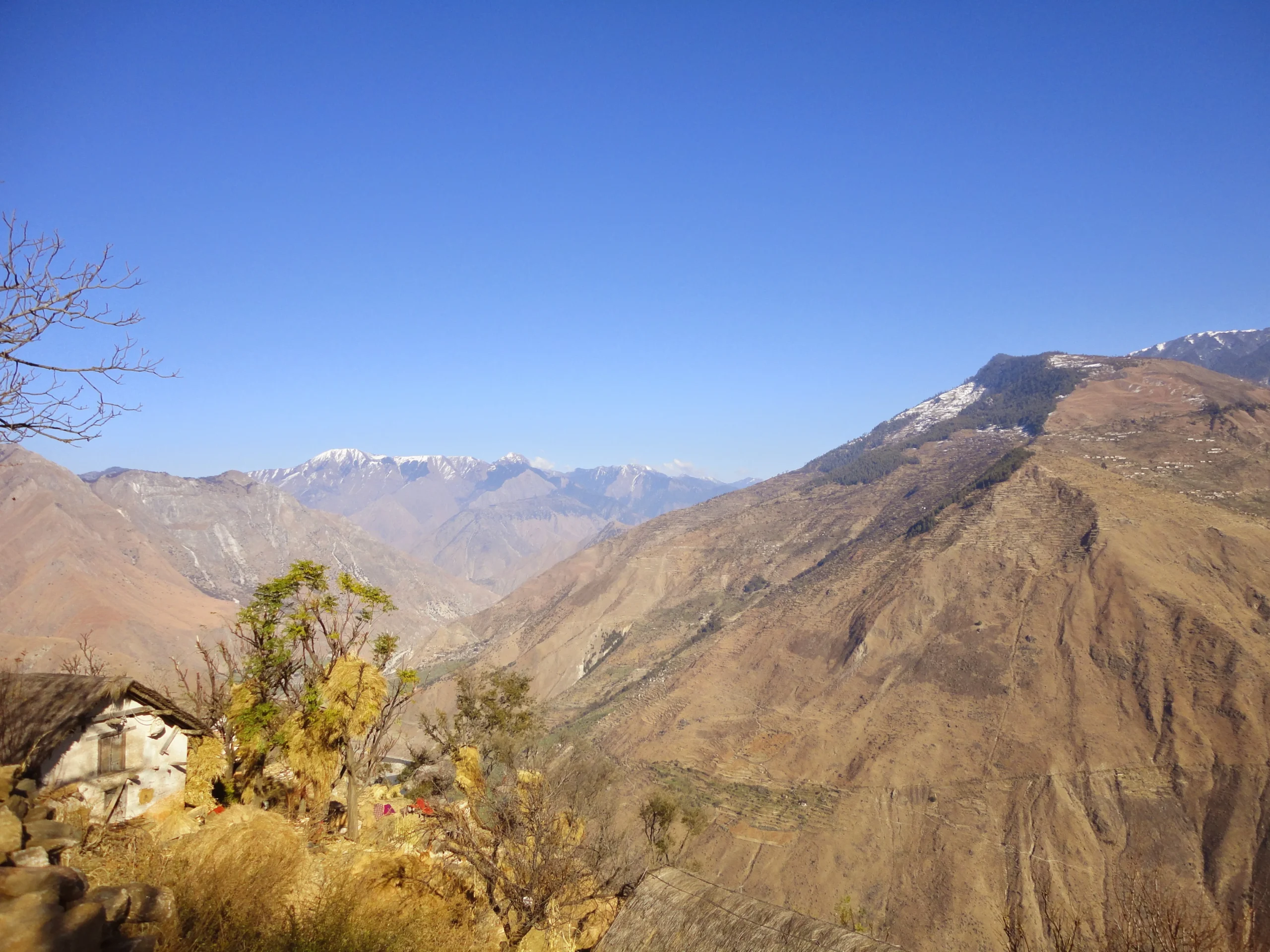
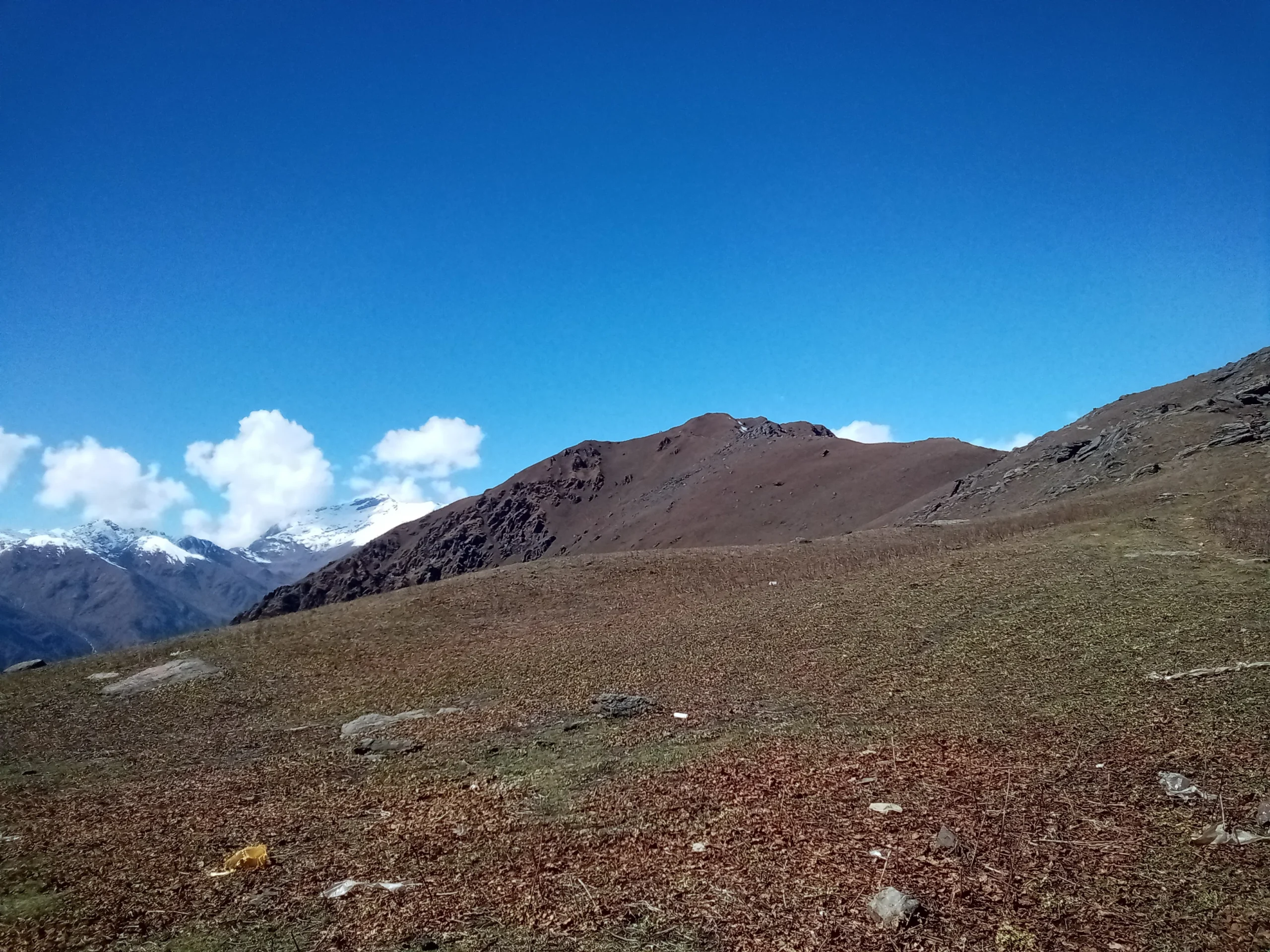
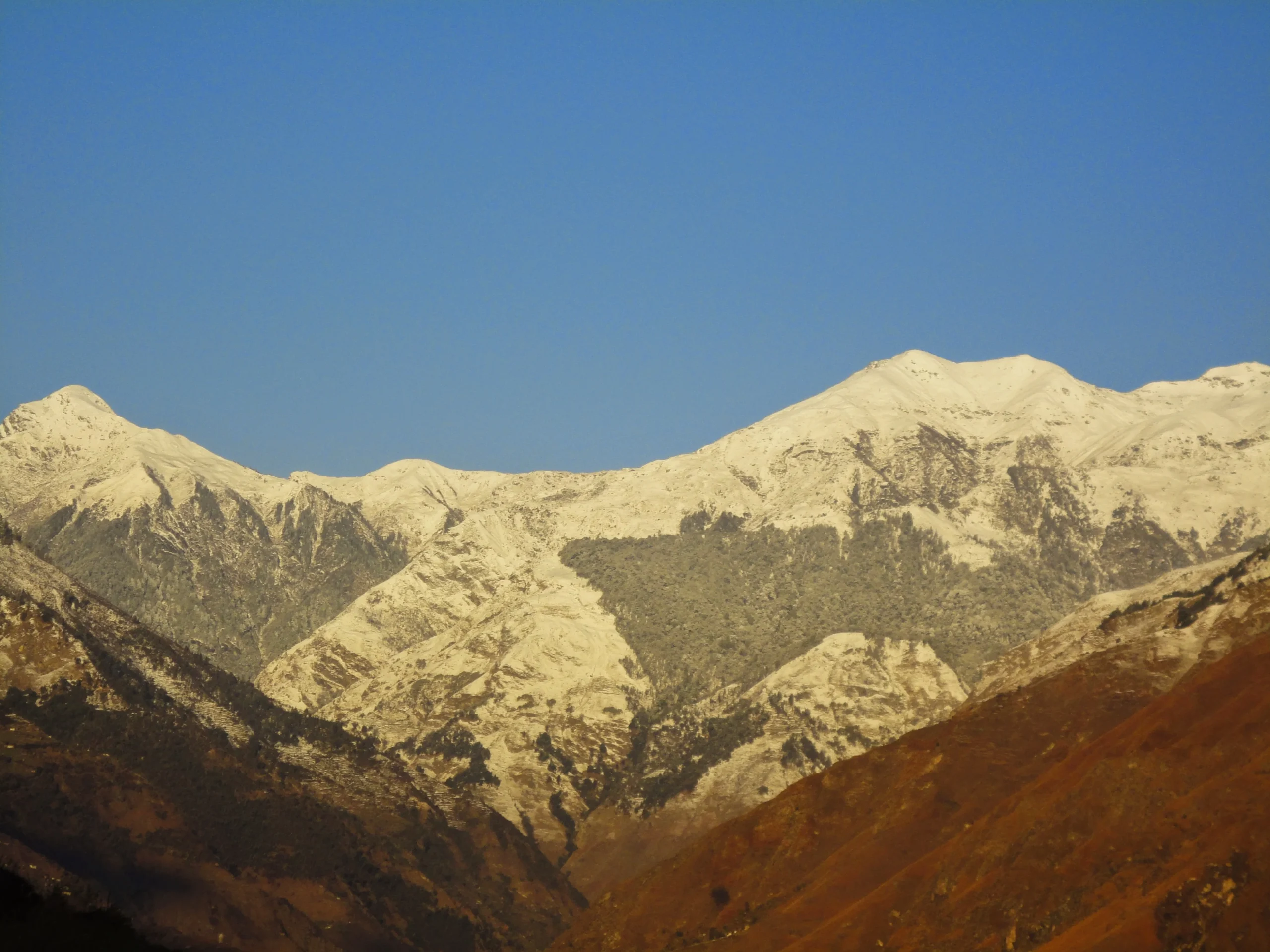
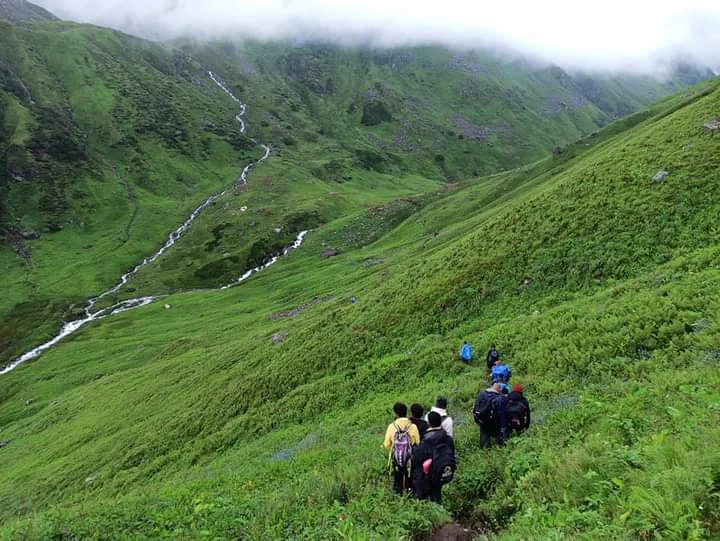
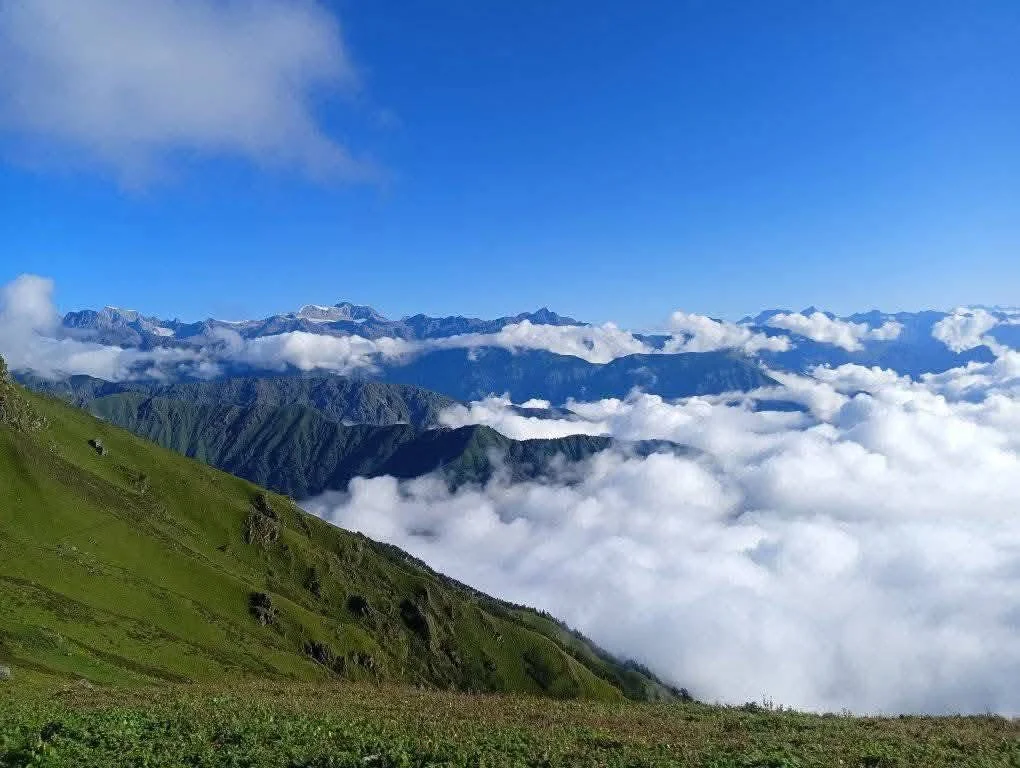
A 2-hour jeep ride followed by a roughly 3-hour hike brings you to a high viewpoint above the valley with panoramic views across Bajura’s hills. After taking in the scenery, hike back down to the jeep and continue a short drive to a local apple orchard, where you’ll have dinner and spend the night.

Day 4: Visit an organic farming village, return to Kolti

After breakfast at the orchard, return to Olive Eco Village Hotel. Following lunch, take a roughly 1.5-hour jeep ride to a nearby village known for its sustainable, organic farming practices, where you can meet local farmers and see rural Bajura life firsthand. Return to Olive Eco Village Hotel for dinner.

Day 5: Full-day hike across Bajura's valley villages

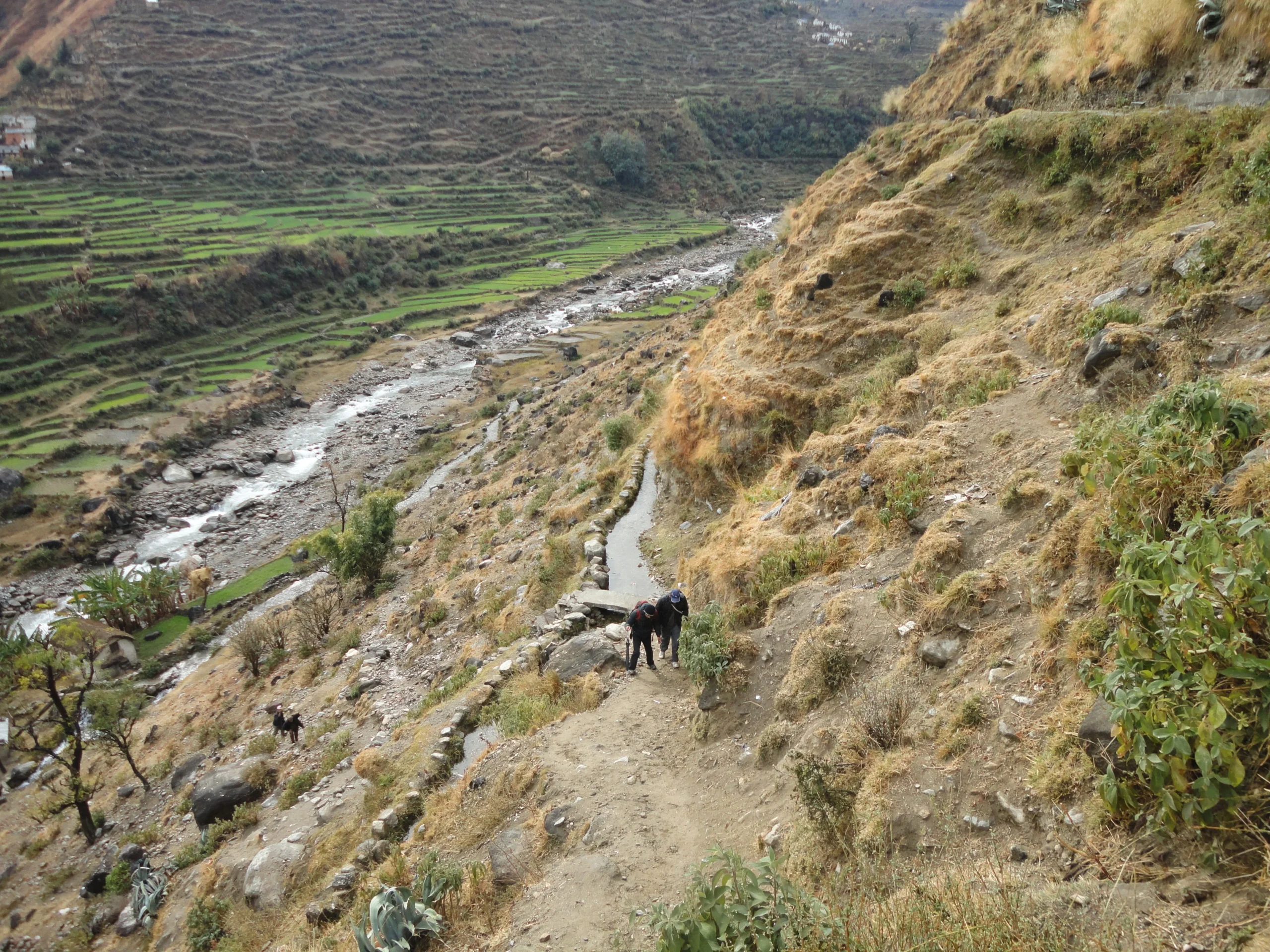
A full day of walking (approximately 7 hours) across the valley from Kolti, taking in a mix of local culture and nature: a visit to one of Bajura’s small Muslim communities, a walk through ancient oak forest and a peaceful olive grove (part of the same wild-olive belt that put Kolti on the map for Nepal’s olive farming programme), and a stop at a local lemon farm and a hidden waterfall. Return to Olive Eco Village Hotel for dinner.

Day 6: Travel to the Karnali River, overnight riverside eco-camp

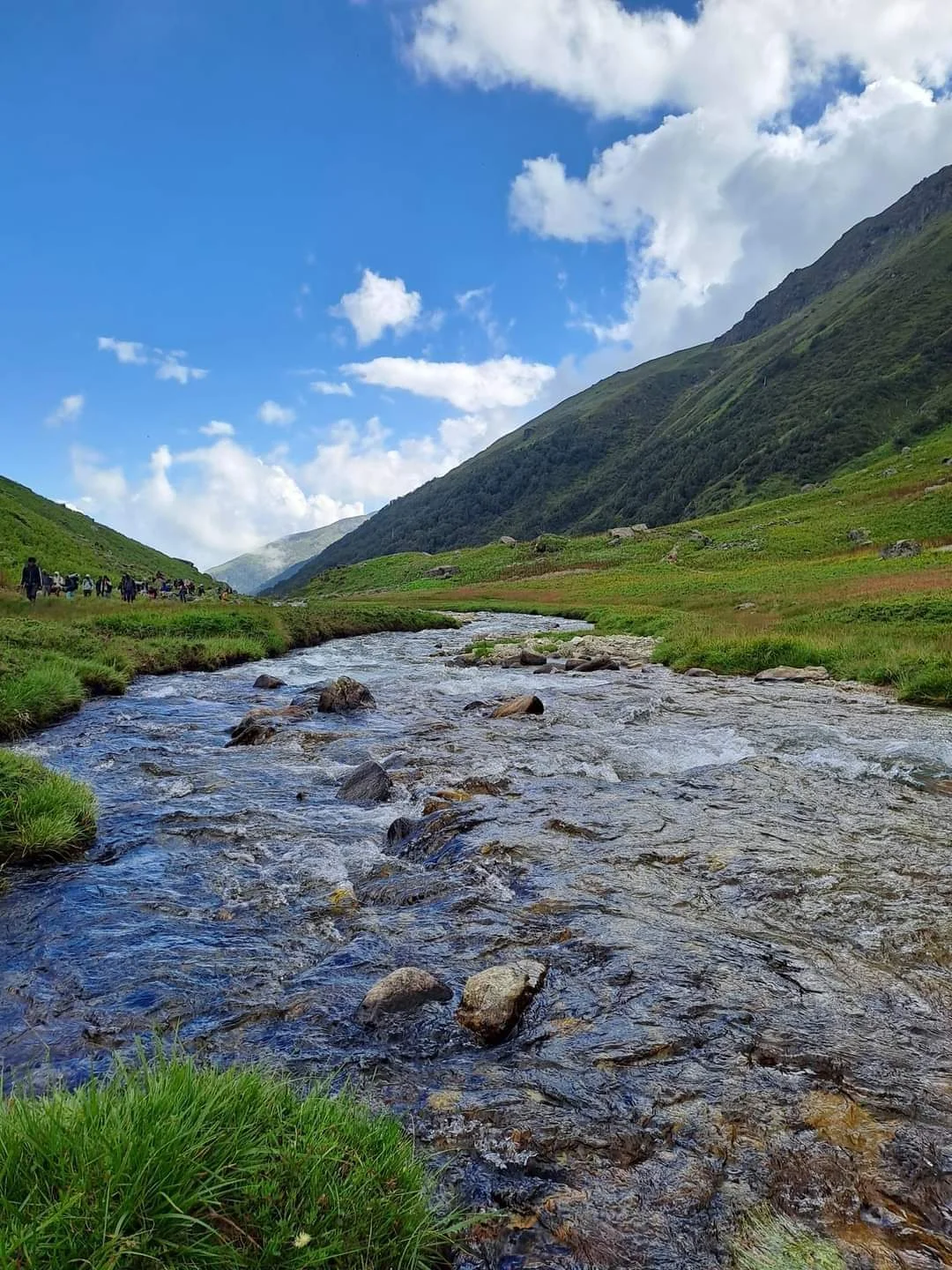
Head down to the Karnali River for a two-day riverside stretch of the trip. A short jeep ride followed by a roughly 20-minute walk brings you to a riverside eco-camp, where you can explore the banks or simply relax for the evening. Overnight in tented camp by the Karnali River.

Day 7: Karnali River rafting, Paduka Triveni Dham, and cultural evening

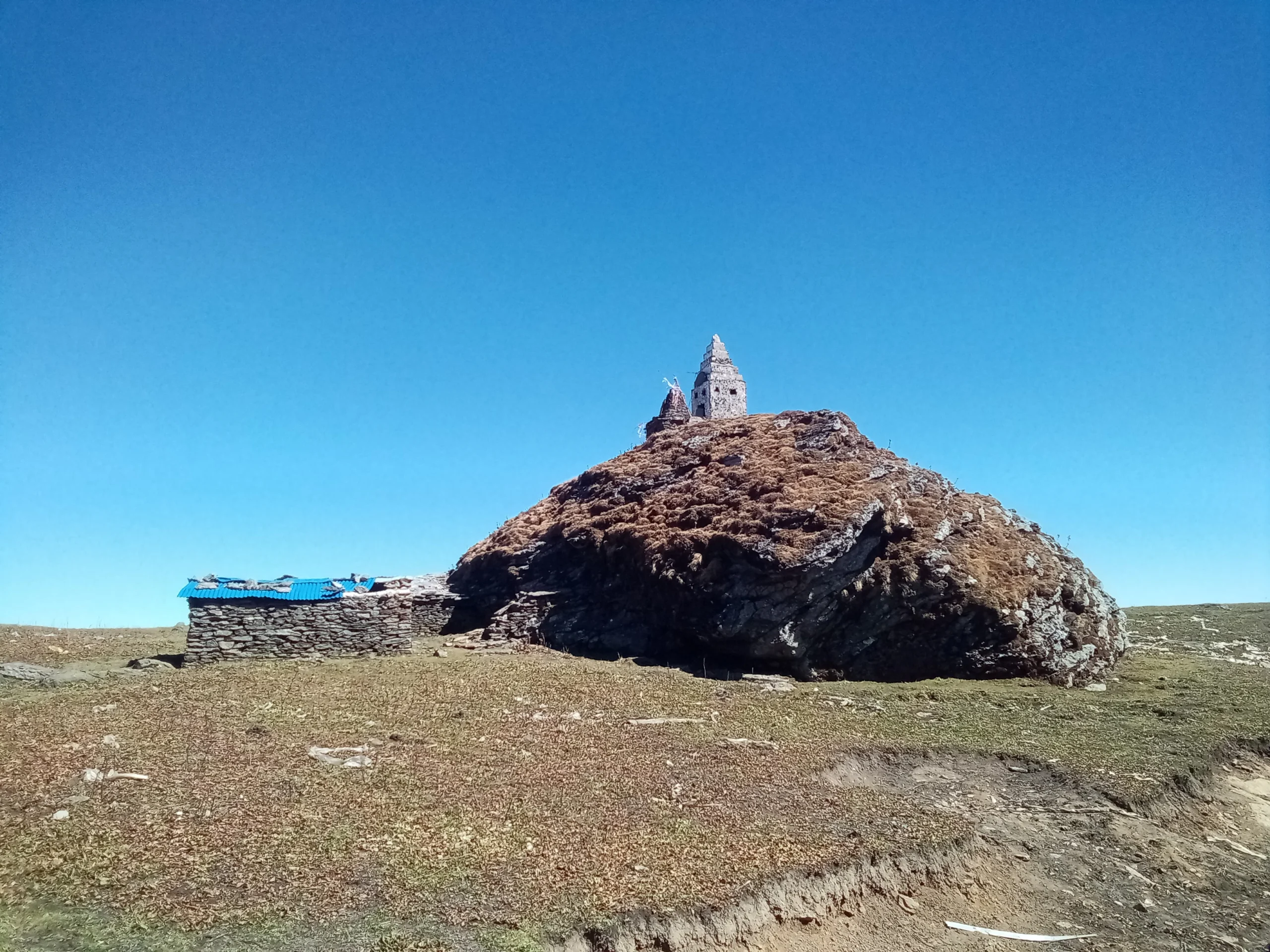
After breakfast, visit the Paduka Triveni Dham, a locally significant temple at the confluence of the Karnali and Budhiganga rivers, tied to the same Sati Devi legend as Badimalika and Budhinanda. Continue with a roughly 2-hour rafting run on a gentle stretch of the Karnali River, taking in Bajura’s river scenery. Return to Olive Eco Village Hotel for dinner, followed by a cultural performance from local women in the village.

Day 8: Round-trip hike to a beekeeping village

Set off on a roughly 6-hour round-trip hike to one of Bajura’s few beekeeping villages, where centuries-old beekeeping traditions are still practiced. Spend time with the local community learning about their methods before hiking back to Olive Eco Village Hotel for a final dinner in Kolti.

Day 9: Farewell to Kolti, return to Kathmandu

Say goodbye to the Olive Eco Village Hotel team after breakfast, then depart Kolti by jeep or flight via Nepalgunj or Surkhet, connecting onward to Kathmandu. Extended stays in Kolti can be arranged at discounted lodging rates on request.

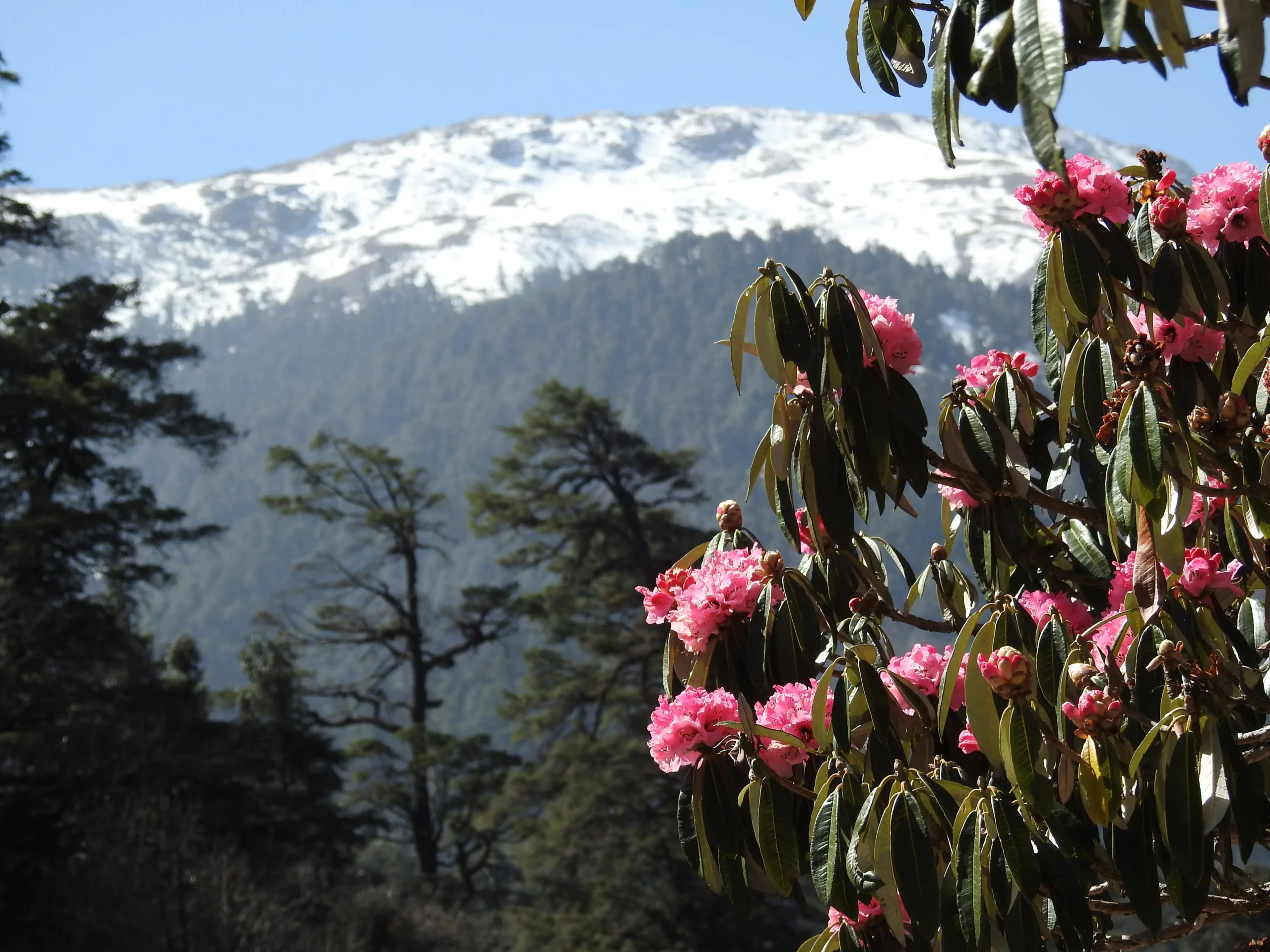
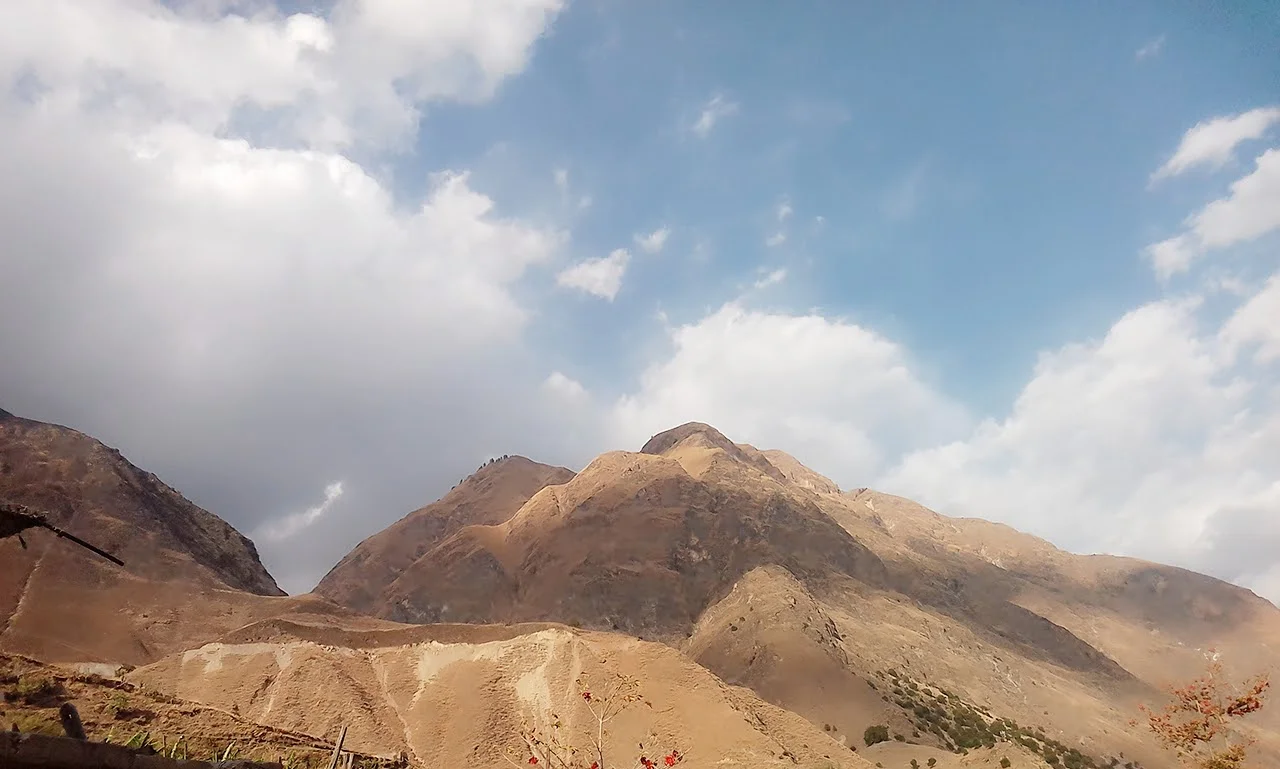
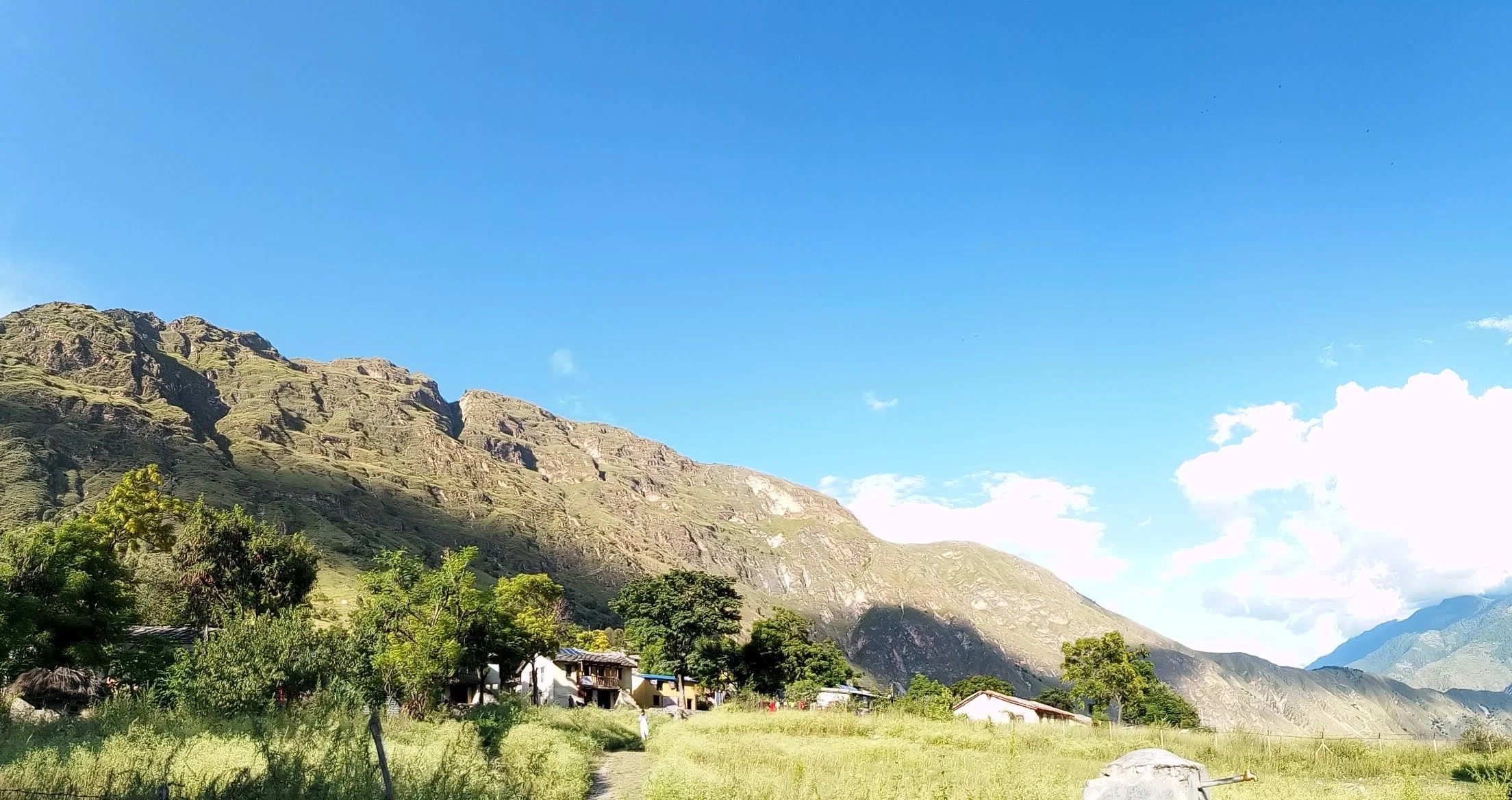
Photos of the Trek

Kolti Valley Trek Highlights

  • Base at the Olive Eco Village Hotel in Kolti, part of Nepal's FAO-backed olive farming programme since the 1990s
  • Panoramic valley viewpoint and an overnight orchard stay
  • Organic farming village visit with direct interaction with local growers
  • A full-day village hike through oak forest, olive grove, lemon farm, and a hidden waterfall
  • A rare visit to one of Bajura's small Muslim communities
  • Karnali River rafting on a gentle, scenic stretch
  • Paduka Triveni Dham, a locally significant riverside temple tied to the Sati Devi legend
  • Beekeeping village visit, one of the few in Bajura still practicing traditional methods
  • Cultural performance by local women in Kolti
  • The most accessible of Nepal Adventure Trail's far-western Nepal itineraries, suited to moderate fitness levels

Kolti Valley Trek Cost

The Kolti Valley Trek is priced on request, since jeep logistics, homestay availability, and group size in the Kolti valley affect the final cost. Contact us via WhatsApp or the enquiry form for a tailored quote.

Group Size: Sharing jeep hire and guide costs across a larger group brings the per-person price down. Solo travelers and small groups pay a higher rate due to less cost-sharing on the valley transfers.

Trekking Duration: The standard itinerary is 9 days from Kathmandu, including 7 nights based in and around Kolti. It can be shortened or extended depending on which valley excursions you’d like to include.

Transportation: Both jeep and flight options are available for the Kathmandu–Nepalgunj/Surkhet and Nepalgunj/Surkhet–Kolti legs, with flights cutting travel time significantly when seasonal availability allows.

Trekking Season: Spring and autumn offer the clearest weather for both the valley hikes and the Karnali rafting stretch. Ask us about season-specific adjustments to the itinerary.

Best Time of Year for the Kolti Valley Trek

Planning your Kolti Valley Trek? Since the itinerary sits at a comfortable mid-hill elevation, the seasonal window is wider and more forgiving than our higher-altitude Bajura routes.

Autumn (September–November) — Best Overall

  • Stable, dry weather across the Kolti valley
  • Clear views from the Day 3 viewpoint hike
  • Good rafting water levels on the Karnali following the monsoon
  • Comfortable temperatures for the valley hikes

Spring (March–June) — Also Good

  • Warmer temperatures at Kolti’s mid-hill elevation
  • Orchards and olive groves in bloom or early fruit
  • Generally clear mornings with a chance of afternoon cloud

Monsoon (July–August) — Possible but Wetter

  • Higher water levels change rafting conditions
  • Landslide risk on the jeep roads around Kolti
  • Cloudy skies limit viewpoint visibility, though the valley stays lush and green

Winter (December–February) — Generally Accessible

  • Kolti’s moderate elevation (around 1,700m) means winter is milder here than on our higher-altitude Bajura routes
  • Occasional cold snaps and light snow at higher points on the valley hikes
  • Jeep access can still be affected by weather on the approach roads

Kolti Valley Trek – Packing List

Preparing for the Kolti Valley Trek? Since this itinerary mixes valley hiking, an orchard stay, riverside camping, and rafting, pack for a range of activities without needing serious high-altitude gear.

General Gear

  • Daypack (30–40L) with rain cover
  • Trekking poles (optional, useful for the longer valley hikes)
  • Quick-dry towel

Head & Upper Body

  • Sun hat or cap (complimentary Nepal Adventure Trail cap provided)
  • Warm layer for cool evenings at the riverside camp
  • Headlamp with spare batteries
  • UV-protective sunglasses

Torso & Layers

  • Moisture-wicking base layers
  • Comfortable trekking shirts
  • Light fleece or insulated jacket for evenings
  • Waterproof and windproof shell jacket

Lower Body

  • 2 pairs of comfortable trekking or hiking pants
  • Swimwear or quick-dry shorts for the rafting day (worn under a splash top)

Hands & Feet

  • Comfortable trekking socks
  • Sturdy walking shoes or light hiking boots
  • River sandals or water shoes for the rafting day
  • Casual shoes for evenings at the orchard and Olive Eco Village

First Aid & Toiletries

  • Sunscreen (SPF 30+) and lip balm
  • Basic personal first aid supplies (guide carries a full kit)
  • Reusable water bottle and purification tablets
  • Small dry bags for passport, phone, and electronics (essential for the rafting day)
  • Basic toiletry kit

Travel Documents
Passport and extra passport photos
Airline tickets (leave a copy at our Kathmandu office)

Tip: Pack a separate small dry bag just for the rafting day — anything you don’t want to risk getting wet should stay at camp rather than in the raft.

FAQs of Kolti Valley Trek

How much does the Kolti Valley Trek cost?

Cost depends on group size, season, and jeep vs. flight choices on the access legs, so we quote it on request. Contact us via WhatsApp or the enquiry form for a tailored price.

How difficult is the Kolti Valley Trek?

It’s rated easy to moderate. The trip stays at a comfortable mid-hill elevation (around 1,700-2,200m) with no high-altitude sections, making it the most accessible of our far-western Nepal itineraries. It suits travelers with reasonable general fitness rather than dedicated trekkers.
When is the best time for the Kolti Valley Trek?

Autumn (September-November) offers the most stable weather. Spring (March-June) is also good. Kolti’s moderate elevation means the trip is accessible across a wider seasonal window than our higher-altitude Bajura routes, though monsoon brings wetter trails and winter brings occasional cold snaps.

Do I need trekking experience for this trip?

No prior trekking experience is required. The longest single day (the full-day village hike) runs about 7 hours at a comfortable pace, and the rest of the itinerary mixes shorter hikes with jeep transfers.

What permits do I need for the Kolti Valley Trek?

Bajura is not a restricted area, so it does not require the special permits used on treks like Manaslu or Upper Dolpo. Local area entry fees and any applicable government charges are handled by our team and included in the package.

How do I get to Kolti?

Travel from Kathmandu to Nepalgunj or Surkhet, then on to Kolti (Bajura’s only airport, or a long jeep drive). Both jeep and flight options are available for each leg.

What is the Olive Eco Village Hotel?

It’s the trip’s base in Kolti, reflecting the town’s genuine history with olive cultivation, Kolti has been part of an FAO-backed olive farming programme in Nepal since the 1990s and remains one of the country’s best-documented sites for wild and cultivated olives.

Is rafting included, and how difficult is it?

Yes, a roughly 2-hour rafting run on a gentle stretch of the Karnali River is included, run with a qualified guide and safety equipment. It’s set up as a scenic, moderate stretch suitable for travelers without prior rafting experience.

Where do I sleep on the Kolti Valley Trek?

You’ll stay in a hotel in Nepalgunj or Surkhet, at the Olive Eco Village Hotel in Kolti for most nights, at an apple orchard homestay for one night, and at a Karnali riverside eco-camp for two nights.

What makes this different from the Badimalika or Budhinanda treks?

Those two routes are higher-altitude pilgrimage treks (4,200m and 4,581m) with real physical demands and camping-only sections. The Kolti Valley Trek stays at a comfortable mid-hill elevation throughout, with no high-altitude trekking, making it a better fit for travelers who want Bajura’s culture and landscape without the altitude challenge.

Can this trip be combined with the other Bajura treks?

Yes. All four of our Bajura itineraries (Kolti Valley, Badimalika, Budhinanda, and Rara Lake) share the same Kolti/Olive Eco Village base and can be combined into a longer far-western Nepal journey — ask us about a combined itinerary.

What should I pack for the Kolti Valley Trek?

Comfortable hiking gear, a layer for cool evenings, and rafting-day essentials (quick-dry clothing, water shoes, a dry bag). See the full packing list above.

Get Latest Updates By Subscribing To Our Newsletter