Annapurna Circuit Trek – 14 Days Itinerary, Cost & Map 2026

Nepal's #1 Circuit Trek
From$1,530
Booking Form
Enquiry Form
Full Name*
Email Address*
Phone Number*
Your Country*
Your Enquiry*
Accommodation*
* I agree with Terms of Service and Privacy Statement.
Please agree to all the terms and conditions before proceeding to the next step
Available: 20 seats
* Please select all required fields to proceed to the next step.

Proceed Booking

Save To Wish List

Adding item to wishlist requires an account

8194
  • DestinationNepal
  • AccommodationHotel/Lodge/Tea House during the trek
  • RegionAnnapurna Region
  • Best SeasonFeb, March, April, May, June, Sep, Oct, Nov & Dec.
  • Days14
  • Group8-15 Persons
  • DifficultyModerate
  • PickupTIA Airport
  • Activity Per DayApprox. 4-6 hrs Walking
  • Max. Altitude5,416 m
  • Meals IncludedBreakfast in Pokhara Hotel and all Meals (Breakfast, Lunch, Dinner) during the trek
  • TransportationFlight/Drive

About Annapurna Circuit Trek

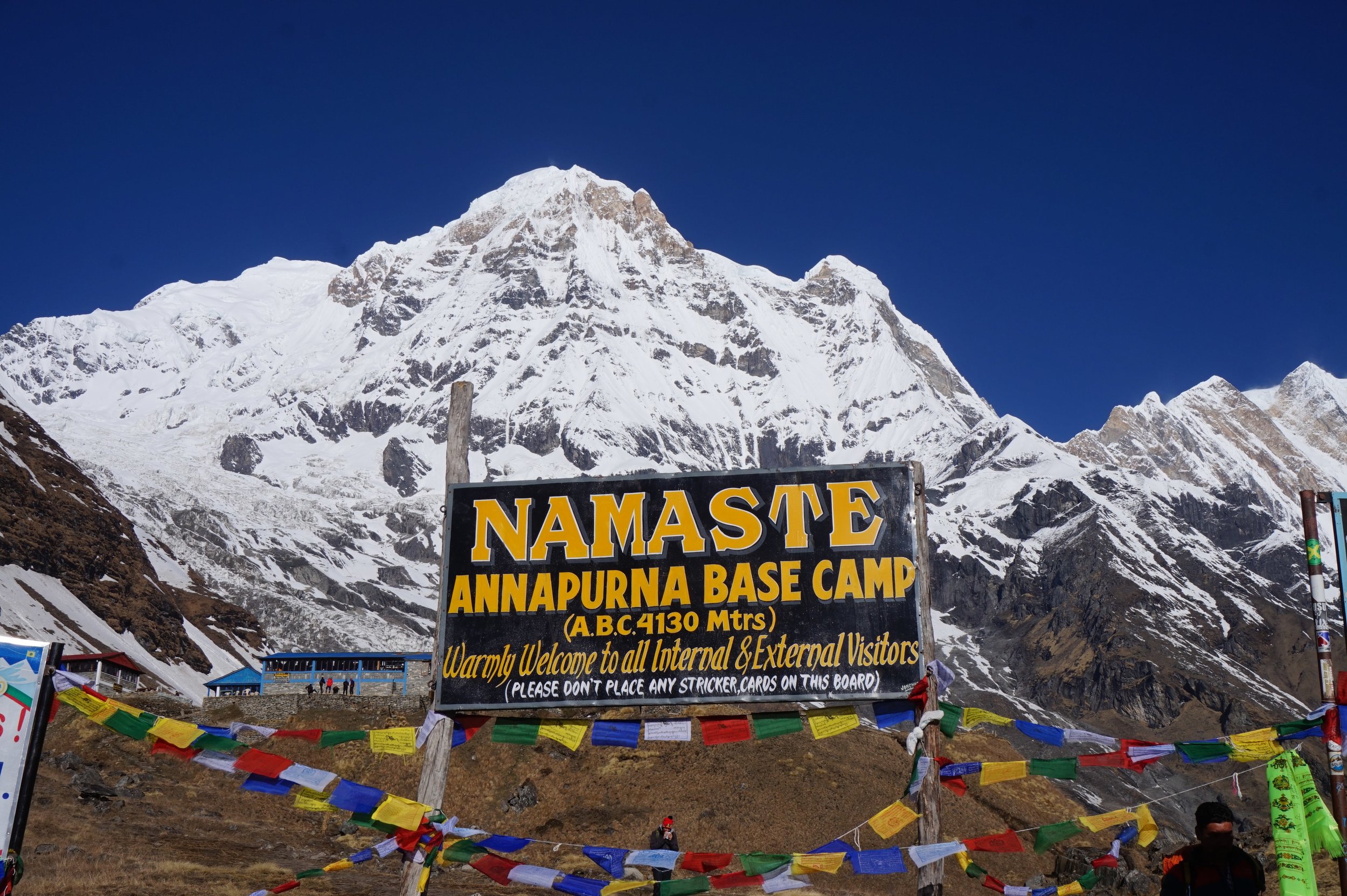
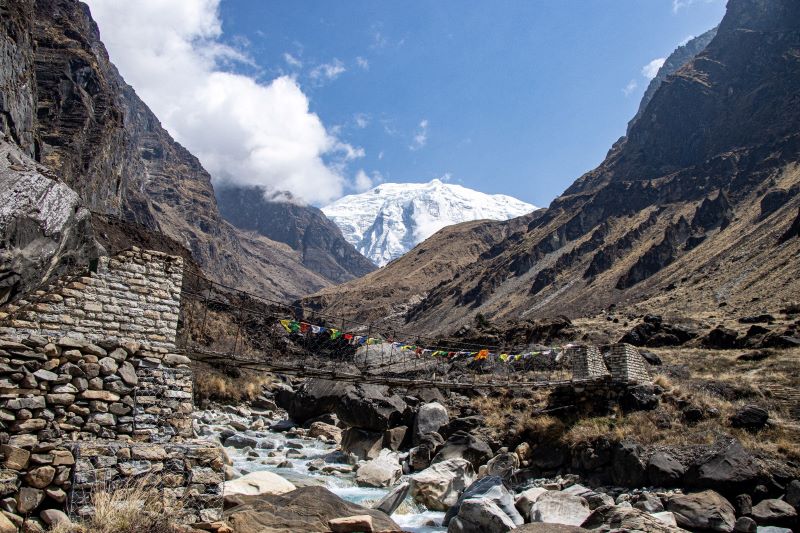
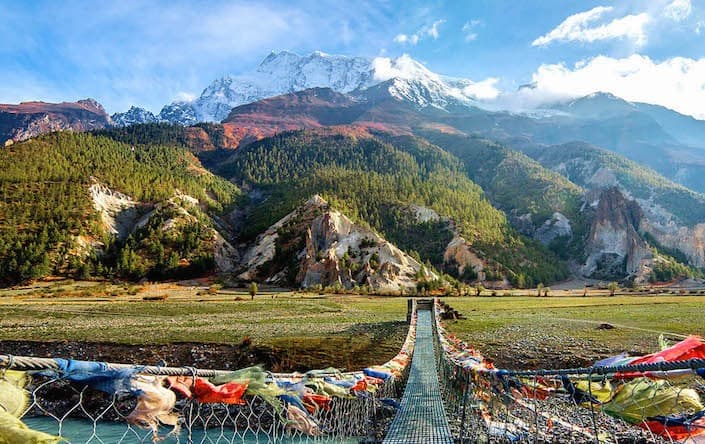
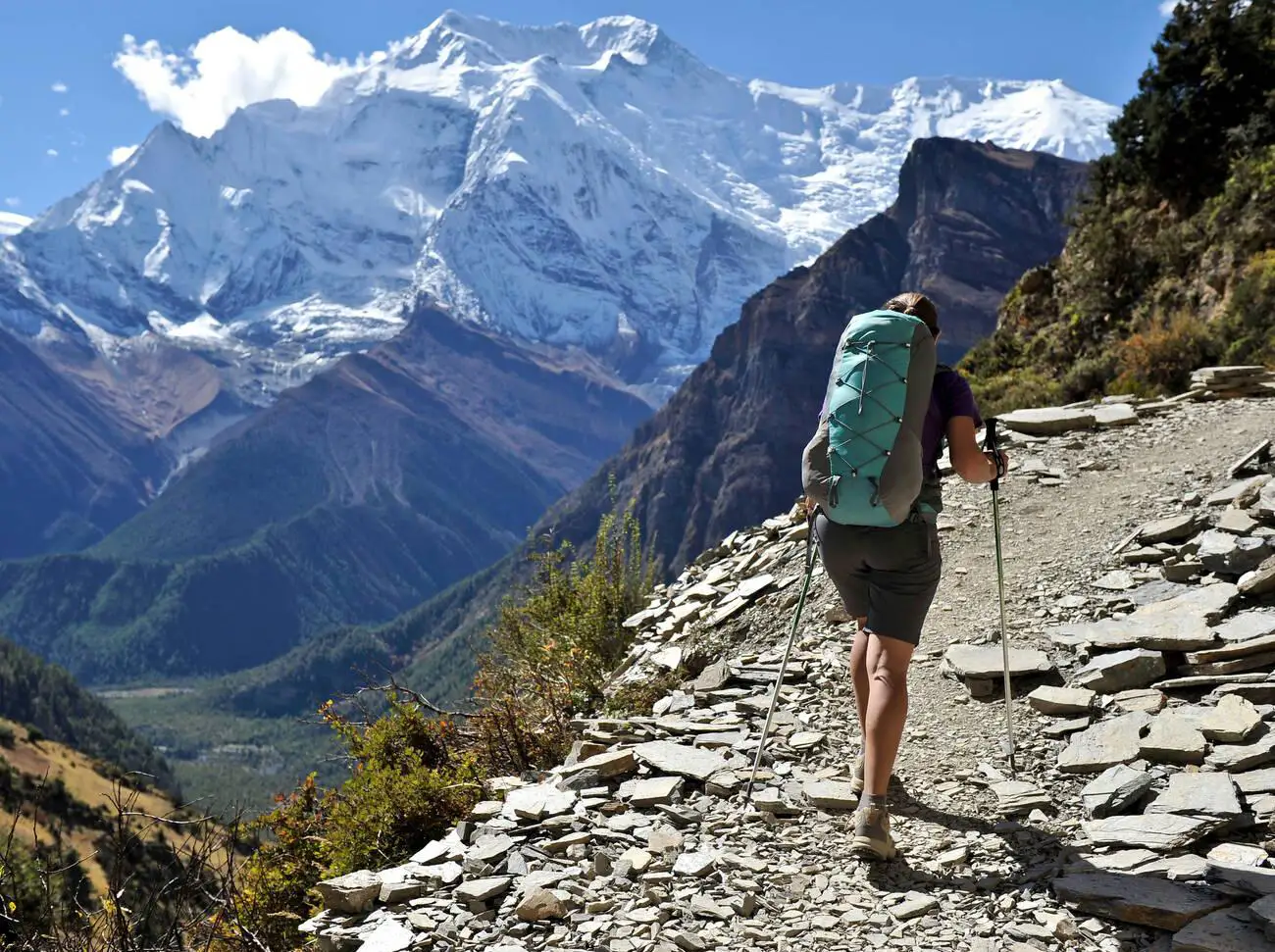
The Annapurna Circuit Trek is one of the best trekking routes in Nepal, offering an unforgettable adventure around the stunning Annapurna mountain range. This classic Himalayan trek takes you through a diverse range of landscapes, from lush green valleys and rice terraces to rocky cliffs and high-altitude deserts. The variety in terrain, culture, and climate makes it one of the most scenic and diverse treks in the world.

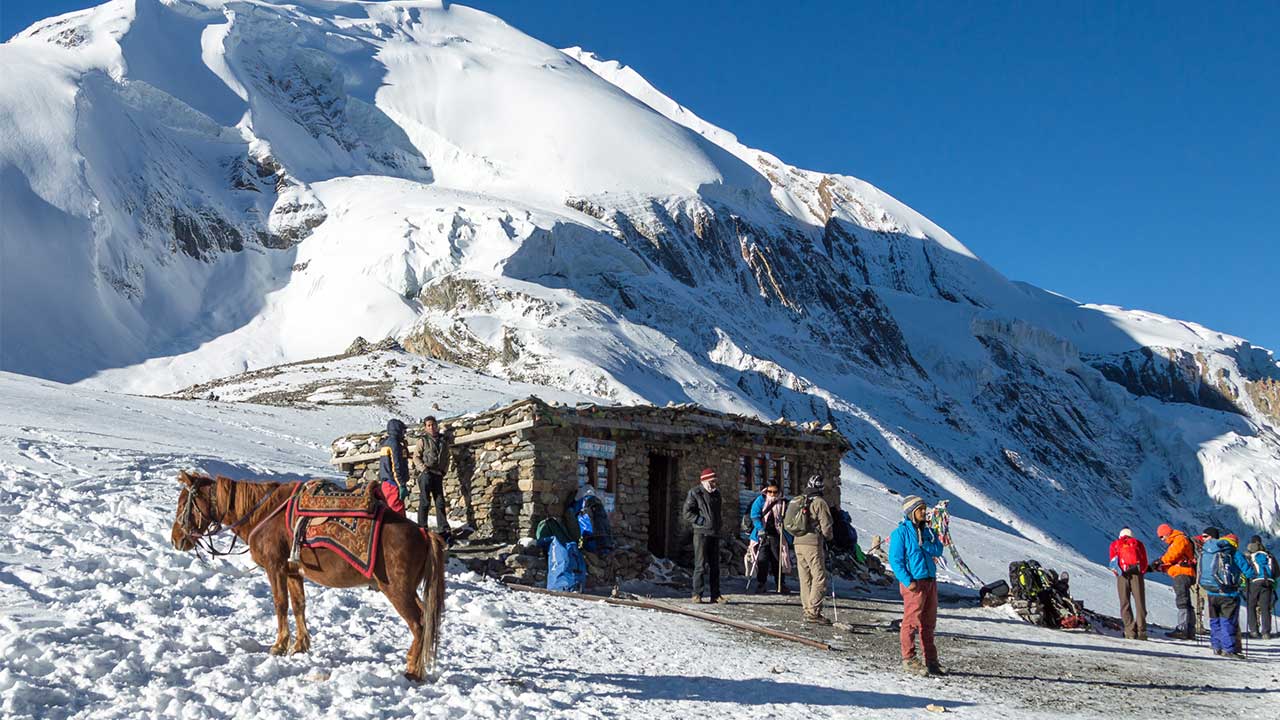
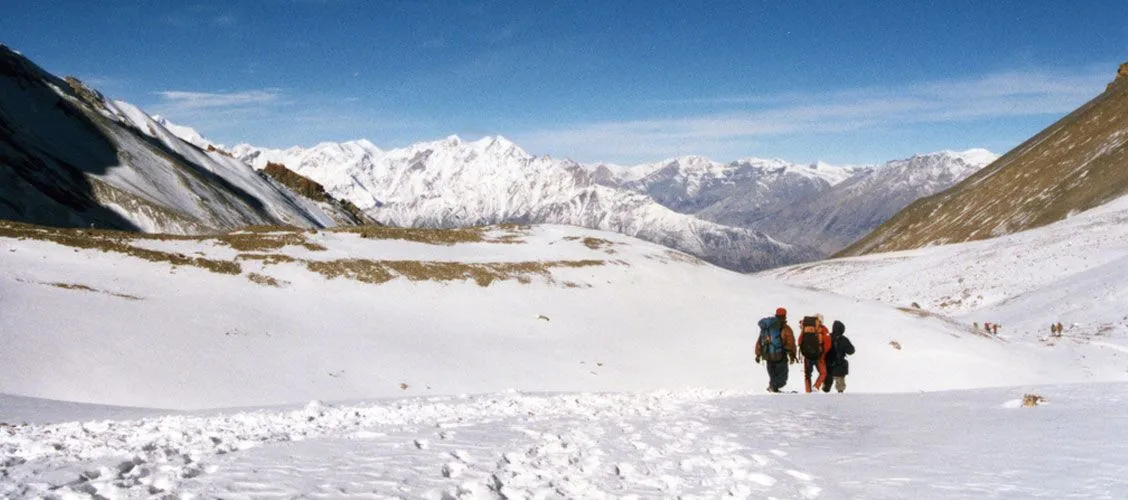
A major highlight of the trek is crossing the Thorong La Pass (5,416m), one of the highest trekking passes globally. Reaching the summit of the pass rewards trekkers with panoramic views of Annapurna II, III, IV, Gangapurna, and Dhaulagiri.

The trail also includes well-timed acclimatization stops in places like Manang village, helping ensure safety and comfort at high elevations.

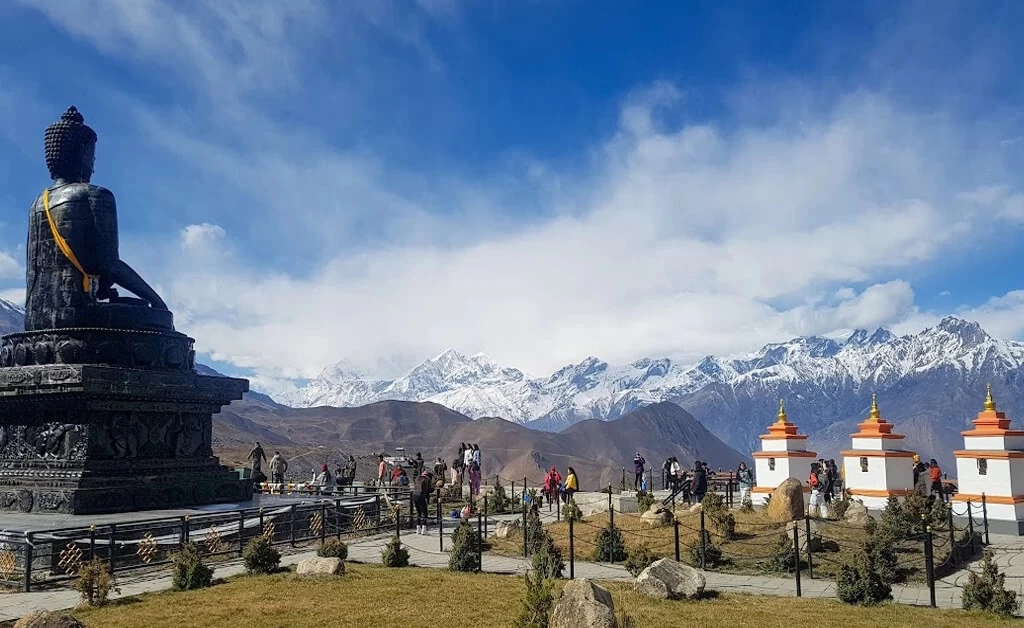
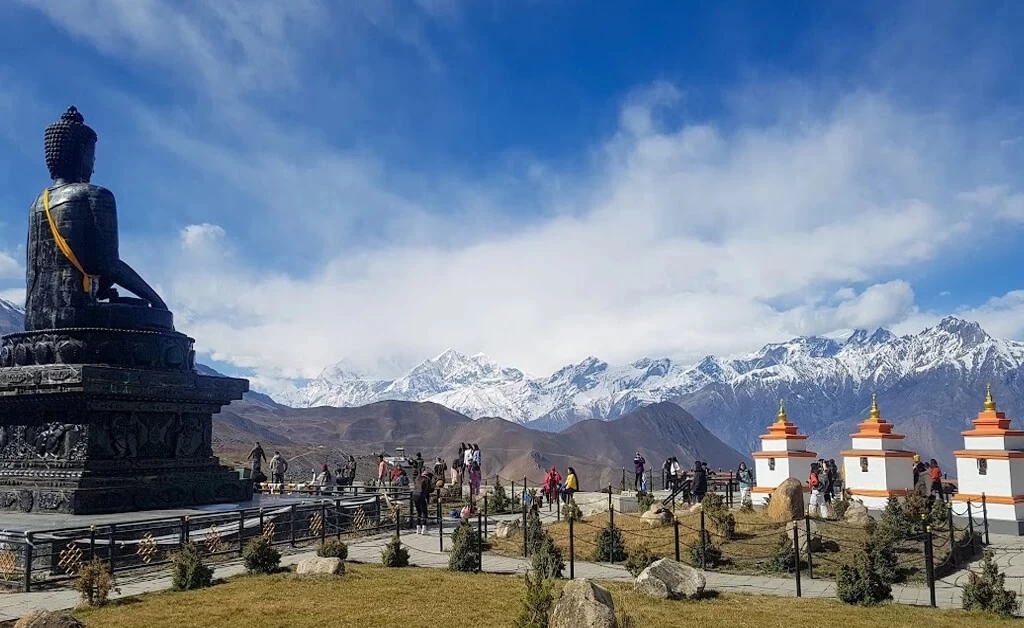
The Annapurna Circuit is not just about mountain views—it’s also a rich cultural trek in Nepal. You’ll encounter ethnic Gurung, Thakali, and Tibetan communities, visit ancient monasteries, and explore spiritual sites like the sacred Muktinath Temple.

 Each village offers a glimpse into Nepal’s diverse traditions, warm hospitality, and unique way of life in the Himalayas.

Nature lovers will enjoy trekking through the Annapurna Conservation Area, a protected region known for its rich biodiversity, rhododendron forests, deep gorges, and cascading waterfalls. The trail also leads through the Kali Gandaki Gorge, the deepest gorge in the world, and passes charming towns like Marpha, famous for its apple orchards and local brandy.

The Annapurna Circuit Trek is perfect for trekkers seeking a moderate to challenging Himalayan adventure with a blend of natural beauty, cultural immersion, and epic mountain views.

With well-established teahouse accommodations, scenic trails, and a wide range of experiences, this trek continues to be one of the most popular and rewarding trekking packages in Nepal.

Short itinerary for Annapurna circuit trek

Day 1: Arrival in Kathmandu (1,400m)

Day 2: Drive from Kathmandu to Besisahar

Day 3: Drive from Besisahar to Chame

Day 4: Trek from Chame to Pisang

Day 5: Trek from Pisang to Manang

Day 6: Acclimatization Day in Manang

Day 7: Trek from Manang to Ledar

Day 8: Trek from Ledar to High Camp

Day 9: Acclimatization & Rest Day at High Camp

Day 10: Cross Thorong La Pass (5,416m) – Trek to Muktinath

Day 11: Trek to Jomsom (2,720m) via Kagbeni

Day 12: Fly from Jomsom to Pokhara (25 mins)

Day 13: Fly from Pokhara to Kathmandu (30 mins)

Day 14: Final Departure from Kathmandu

Annapurna Circuit Trek Reviews

What Our Trekkers Say (Google Verified)?

Inclusions in the Annapurna Circuit Trek

 Accommodation & Meals
  • 3 nights in Kathmandu (4-star hotel, breakfast included).
  • 1 night in Pokhara (Breakfast included)
  • 10 nights in mountain teahouse lodge (twin-sharing basis).
  • All meals during trek (breakfast, lunch, dinner).
  • Welcome dinners in Kathmandu.
  • Tea/coffee during all meals on trek.
 Transportation
  • Private Vehicles(arrival and departure), sightseeing as per itinerary.
  • Kathmandu to besisahar using private vehicle
  • Besisahar to chame on sharing basis
  • Airfare jomsom to pokhara including taxes
 Professional Guide & Porter Service
  • Experienced English-speaking Trekking guide.
  • English-speaking local guide for Kathmandu sightseeing
  • Porter service (1 porter for 2 trekkers, max 25kg).
  • Guide and porter insurance, meals, and accommodation.
  • Comprehensive first aid kit with guide.
 Permits & Documentation
  • TIMS (Trekkers' Information Management System) card.
  • MCAP, ACAP & Local Government Permits.
  • All government taxes and fees.
  • Restricted Area Permit

Price Excludes

Personal Expenses
  • International airfare to/from Nepal
  • Nepal entry visa fees ($30-50)
  • Travel and medical insurance (mandatory)
  • Personal trekking equipment and gear
  • Extra night accommodation due to early arrival/late departure
Additional Costs During Trek
  • Hot showers in teahouses ($3-5 per use)
  • WiFi and battery charging ($3-5 per use)
  • Laundry services ($5-10 per kg)
  • Hot drinks and snacks outside planned meals
  • Alcoholic beverages and soft drinks
Optional Services
  • Helicopter rescue in emergency (insurance should cover)
  • Additional porters for personal items
  • Single room supplements ($20-30 per night)
  • Tips for guide and porters (customary $100-150 total)
  • Photography/video fees at monasteries
  • Extra accommodation/meals due to flight delays
  • Alternative transportation costs
  • Additional permits for route changes
  • Emergency evacuation costs
  • Trip extension due to weather/personal reasons

Itinerary for Annapurna Circuit Trek

Day 1: Arrival in Kathmandu (1,400m)

Upon your arrival at Tribhuvan International Airport (TIA) in Kathmandu, you’ll be greeted with a warm welcome and traditional garlands. You’ll be transferred to your hotel in the heart of the city. Take this day to relax and enjoy the vibrant atmosphere of the capital city.

Overnight stay at a 4-star hotel in Kathmandu with breakfast included.

Day 2: Drive from Kathmandu to Besisahar

Begin your journey with a scenic drive along the Trishuli and Marsyangdi River valleys toward Besisahar, the official gateway to the Annapurna Circuit. Admire beautiful terraced fields, hills, and rivers on this relaxing road trip.

Overnight at a local tea house in Besisahar with dinner included.

Day 3: Drive from Besisahar to Chame (2,670m)

Today, you’ll enjoy a scenic off-road jeep ride through rugged terrain and lush forests toward Chame, the district headquarters of Manang. You’ll pass waterfalls and dramatic cliffs en route.

Overnight at a tea house in Chame with all meals provided.

Day 4: Trek from Chame to Pisang (3,200m)

Your first day on foot begins with a beautiful trek past the apple orchards of Bartang, across suspension bridges, and up to the windswept village of Pisang. Enjoy incredible views of Annapurna II, Annapurna IV, and Pisang Peak.

Overnight at a tea house in Pisang.

Day 5: Trek from Pisang to Manang (3,540m)

Choose between the lower, easier route or the higher, more scenic trail via Ghyaru and Ngawal. Pass through ancient villages and monasteries, with spectacular views of Gangapurna, Tilicho Peak, and Chulu ranges.

Overnight at a tea house in Manang.

Day 6: Acclimatization Day in Manang

Spend the day acclimatizing in Manang, a culturally rich village surrounded by towering peaks. For those feeling energetic, opt for a day hike to Ice Lake, one of the most beautiful glacial lakes in the region.

Overnight in Manang with full board.

Day 7: Trek from Manang to Ledar (4,200m)

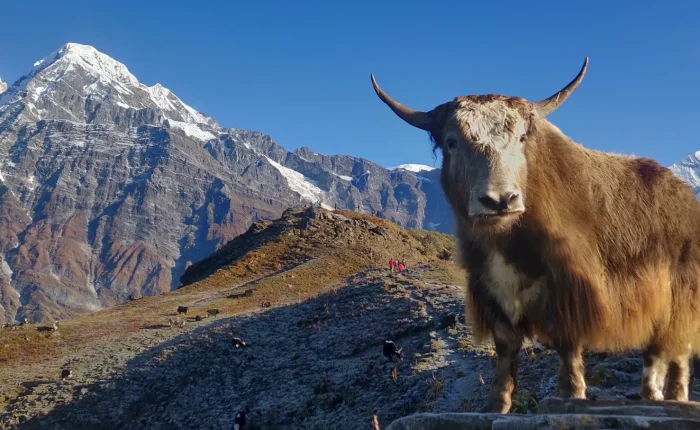
The trail climbs steadily through alpine pastures and yak-grazing meadows toward Ledar. The landscape becomes more barren as you ascend, but the mountain views become even more spectacular.

Overnight at a tea house in Ledar.

Day 8: Trek from Ledar to High Camp (4,833m)

Continue your ascent to Thorong Phedi, then push further to High Camp, offering closer views of Thorong Peak. The altitude begins to challenge, so take it slow and steady.

Overnight at a high-altitude lodge at High Camp.

Day 9: Acclimatization & Rest Day at High Camp

Take a rest day at High Camp to better acclimatize before the highest pass. Short hikes around the area offer amazing views and help with altitude adjustment.

Overnight at High Camp.

Day 10: Cross Thorong La Pass (5,416m) – Trek to Muktinath (3,760m, 8–9 hours)

Start early to conquer the Thorong La Pass, one of the world’s highest trekking passes. Enjoy awe-inspiring views of Dhaulagiri and Mustang Valley before descending to the sacred temple town of Muktinath.

Overnight at a tea house in Muktinath.

Day 11: Trek to Jomsom (2,720m) via Kagbeni (5–6 hours)

After visiting Muktinath Temple, descend through the Tibetan-influenced village of Kagbeni, gateway to Upper Mustang, then continue to the windy town of Jomsom, nestled beneath Nilgiri and Dhaulagiri.

Overnight in Jomsom.

Day 12: Fly from Jomsom to Pokhara (25 mins)

Take an early morning scenic flight to Pokhara, with panoramic views of the Annapurna and Dhaulagiri ranges. After check-in, enjoy free time to relax by Phewa Lake or opt for a short sightseeing tour.

Overnight at a lakeside hotel in Pokhara with breakfast.

Day 13: Fly from Pokhara to Kathmandu (30 mins)

Return to Kathmandu by flight and check into your hotel. Spend the afternoon relaxing or shopping for souvenirs in Thamel. Optional evening visit to a local spa or cultural show.

Overnight in Kathmandu.

Day 14: Final Departure from Kathmandu

Enjoy breakfast before your final departure. Our team will escort you to the airport for your flight back home, marking the end of your Annapurna Circuit adventure.

Airport transfer included.

Photos for Annapurna Circuit Trek

Annapurna Circuit Trek Highlights

  • Thorong La Pass (5,416m) – One of the highest trekking passes in the world.
  • Diverse Landscapes – From subtropical forests to high alpine deserts.
  • Manang Village – Cultural hub with panoramic views and acclimatization stop.
  • Muktinath Temple – Sacred site for both Hindus and Buddhists.
  • Kali Gandaki Gorge – World's deepest gorge between Annapurna and Dhaulagiri.
  • Traditional Gurung & Thakali Villages – Rich culture and hospitality.
  • Views of Annapurna & Dhaulagiri Ranges – Stunning Himalayan panoramas.
  • Natural Hot Springs at Tatopani – Perfect for post-trek relaxation.
  • Apple Orchards in Marpha – Famous for local apple brandy and pies.
  • Poon Hill Sunrise (Optional) – Iconic sunrise over the Himalayas.

Annapurna Circuit Trek Cost 2026

The Annapurna Circuit Trek cost for 2026 is $1050, and $1750 for the Standard, and Comfort packages respectively, covering the classic 14-day route around the Annapurna Massif, crossing the iconic Thorong La Pass (5,416m). These three tiers are designed to suit different travel styles, from independent budget trekkers to those seeking full comfort with private transportation and porter support.

Several factors influence the overall cost of the Annapurna Circuit Trek, including group size, trekking duration, transportation choices, use of porters, the trekking season, and the specific package scheme chosen. For a complete breakdown of how these variables affect pricing, you can refer to our detailed Annapurna Circuit Trek cost guide.

Group Size: Trekking in a larger group generally lowers the cost per person, since fixed expenses like guides, permits, and transportation are shared across more participants. Solo travelers or very small groups usually pay a higher rate, since there’s less opportunity for cost-sharing through economies of scale.

Trekking Duration: Extending the itinerary beyond the standard 15 days, for example by adding on the Tilicho Lake side trip, raises the total cost, since additional days mean more accommodation, meals, and guide or porter wages. The route can be customized to match your available time, so flexibility is always possible.

Transportation: Choosing a private jeep from Kathmandu to Besisahar, and again from Jomsom or Nayapul back to Pokhara, adds a noticeable premium compared to public buses or shared jeep transportation. This is one of the biggest cost differences between the Comfort package and the more economical options.

Porters: Hiring a porter to carry your gear adds to the overall trip cost, though this is generally affordable since porters are shared, with one porter typically allocated per two guests.

Trekking Season: Peak seasons — spring and autumn — bring higher demand for guides, permits, and teahouse accommodation, which can push prices up slightly compared to quieter months. Trekkers seeking lower costs may consider off-season travel, keeping in mind the trade-offs in weather and visibility.

Quality of Services: Ultimately, the chosen package — Budget, Standard, or Comfort — determines which specific services and amenities are included, directly shaping the final cost of the Annapurna Circuit Trek.

Group Discount Prices

No of people Price P.P
1 $1550
2 – 3 $1250
4 – 6 $1150
7 – 15 $1050
  Standard Price $1050 Comfort Price $1750


Includes

Guide, ACAP Permit, TIMS Card, food and accommodation (teahouse), transportation by public bus and shared jeep, agency charges and government service charge

Excludes

Alcoholic drinks, tea, coffee, porter, drinking water, dessert and all others not in Includes above

Includes

Guide, porter, ACAP Permit, TIMS Card, food and accommodation, agency charges and government service charge, private jeep transfer Kathmandu–Besisahar, private jeep/flight Jomsom–Pokhara, private car Pokhara–Kathmandu

Excludes

Alcoholic drinks, dessert and all others not in Includes above

The Annapurna Circuit Trek remains one of Nepal’s most popular and best-value Himalayan adventures, and with these clear pricing tiers, trekkers can plan their journey around the Annapurna Massif with full transparency on what’s included every step of the way.

Best Time of Year for the Annapurna Circuit Trek

Planning your Annapurna Circuit Trek? Choosing the right season makes a huge difference in visibility, safety, and comfort — especially at high points like Thorong La Pass (5,416m). Here’s what to expect throughout the year.

Autumn (October–November) — Best Overall

  • Stable, dry weather with clear blue skies
  • Daytime temps 10°C to 20°C above 4,000m; nights drop to -5°C to -15°C (colder by late November)
  • Excellent mountain visibility, day and morning alike
  • Dry, safe trails following the monsoon
  • Coincides with Dashain and Tihar, Nepal’s two biggest festivals
  • Busiest season on the circuit — expect crowded teahouses, especially around Manang and Thorong Phedi

Spring (March–May) — Second Best

  • Pleasant temperatures: warm in lower elevations, 8°C to 20°C above 4,000m by day, -2°C to -10°C at night
  • Clear, stable skies, especially in the mornings, with some afternoon haze at lower altitudes
  • Longer daylight hours, allowing trekking until around 7pm
  • Low chance of rain or snow, making the Thorong La crossing more predictable
  • Rhododendron, magnolia, and wildflower blooms through the lower Annapurna Conservation Area
  • Moderately busy — the second most popular season, quieter than autumn

Monsoon (June–September) — Not Recommended

  • Leeches, landslides, and flooding are common risks on the lower, southern sections of the route
  • Cloudy skies limit mountain views for most of the trek
  • Higher accident risk on wet, slippery trails and river crossings
  • The rain-shadow area beyond Manang (Manang to Muktinath) stays comparatively drier, but Thorong La itself can still see summer snowfall
  • Only advisable with an experienced professional guide
  • Scenery and trail conditions are unpredictable

Winter (December–February) — Extreme Caution

  • Coldest months, with temperatures potentially dropping to -20°C or lower near Thorong La
  • Mostly clear but bitterly cold skies, with strong winds at altitude
  • Increased risk of avalanches and heavy snowfall around the pass
  • Thick snow can close Thorong La entirely for days at a time, sometimes forcing trekkers to reroute via Jomsom by road
  • Many high-altitude teahouses in Manang and around the pass close or run limited services

Map of Annapurna Circuit Trek

Annapurna Circuit Trek - Packing List

Preparing for the Annapurna Circuit Trek? This checklist will help you organize your gear for a safe and comfortable trek. Adjust according to your personal preferences, trekking pace, and the season. For colder months (December–February), warmer layers are essential, especially for the high pass at Thorong La (5,416m).

General Gear

  • Four-season (zero-degree) sleeping bag (available for rent)
  • Sleeping bag liner
  • Puffy down jacket (available for rent)
  • Daypack (35–45L) with rain cover
  • Trekking poles (highly recommended)

Head & Upper Body

  • Sun hat or cap (Complimentary Nepal Adventure Trail cap provided!)
  • Warm beanie or knitted hat
  • Neck gaiter / Buff / Scarf
  • Headlamp with spare batteries
  • UV-protective sunglasses (essential for glare above Manang and near Thorong La)

Torso & Layers

  • Moisture-wicking base layers (lightweight or thermal, depending on season)
  • 2 short-sleeve and 2 long-sleeve trekking shirts (technical fabric preferred)
  • Insulated fleece jacket or pullover
  • Waterproof and windproof shell/jacket

Lower Body

  • Thermal base layers (season-dependent)
  • 2 pairs of trekking/hiking pants
  • 1 pair of comfortable pants for lodge evenings
  • Waterproof over-pants or shell
  • 1 pair of hiking shorts (optional, useful for the warmer lower Marsyangdi valley)

Hands

  • Liner gloves (wool or technical fabric)
  • Outer gloves (waterproof and insulated, essential for the Thorong La crossing)

Feet

  • Warm trekking socks (wool or synthetic)
  • Liner socks (optional)
  • Waterproof trekking boots (well-broken in)
  • Ice cleats/microspikes (recommended Nov–Mar for icy sections near the pass)
  • Casual shoes for evenings in lodges
  • Gaiters (lightweight/dust or snowproof depending on season)

Undergarments & Sleepwear

  • Quick-drying underwear
  • Sports bras (for women)
  • Pajamas or thermal sleepwear

First Aid & Medications

(Guides carry a first aid kit, but personal supplies are encouraged)

  • Sunscreen (SPF 30+)
  • Lip balm (SPF-rated)
  • Healing ointment or balm
  • Cough syrup (helpful for high-altitude dry air)
  • Diamox or other altitude sickness medication (consult your doctor before the trek)
  • Mosquito repellent cream (for lower altitudes like Besisahar or Bhulbhule)

Toiletries & Essentials

  • Reusable water bottle (1L or more)
  • Water purification tablets or a UV sterilizer
  • Hydration bladder (2–3L recommended)
  • Toiletry kit (toothbrush, paste, soap, etc.)
  • Quick-dry towel
  • Pillowcase
  • 2 rolls of toilet paper
  • Small dry bags / waterproof pouches (for passport, electronics, etc.)
  • High-protein snacks (energy bars, trail mix, nuts)
  • Earplugs (for noisy lodges, especially in busier stops like Manang)

Travel Documents

  • Passport
  • Extra passport-sized photos
  • Trekking permits (ACAP and TIMS card)
  • Airline tickets (leave a copy at our office in Kathmandu)

Optional / Helpful Items

  • Power bank or extra batteries
  • Camera and mobile phone
  • Playing cards or a book
  • Binoculars
  • Pee bottle/pee funnel (for women)
  • Whistle
  • Thermos (for carrying hot water)
  • Small comb or brush

Tip: Many of these items can be purchased or rented in Thamel, Kathmandu, and our guides are happy to assist. Proper preparation ensures you enjoy the Annapurna Circuit Trek safely and comfortably, from the terraced villages of the lower Marsyangdi valley to the high, dry landscapes beyond Thorong La.

FAQ's for Annapurna Circuit Trek

What is the Annapurna Circuit Trek?

The Annapurna Circuit Trek is a world-renowned Himalayan trek that circles the Annapurna mountain range, offering stunning views, rich cultural encounters, and diverse landscapes.

How long is the Annapurna Circuit Trek?

The trek typically takes 12 to 20 days, depending on the route, side trips, and your pace.

What is the best time to do the Annapurna Circuit Trek?

The best seasons are spring (March–May) and autumn (September–November) for clear skies, mild temperatures, and stable weather.

How difficult is the Annapurna Circuit Trek?

It’s considered a moderate to challenging trek, mainly due to the high altitude and long walking days.


Do I need permits for the Annapurna Circuit Trek?

Yes. You’ll need the TIMS Card (Trekkers’ Information Management System) and the ACAP (Annapurna Conservation Area Permit).


Is altitude sickness a concern on the trek?

Yes. Altitude sickness is a real risk, especially near Thorong La Pass (5,416m). Proper acclimatization and hydration are essential.


Can beginners do the Annapurna Circuit Trek?

Yes, fit beginners can complete the trek, especially with guides or porters and flexible itineraries for acclimatization.


What is the highest point on the Annapurna Circuit?

The highest point is Thorong La Pass, standing at 5,416 meters (17,769 feet) above sea level.


What type of accommodation is available?

Tea houses and mountain lodges offer simple rooms, basic amenities, and warm meals along the trail.


Is a guide or porter required?

Hiring a local guide or porter is highly recommended for safety, cultural insights, and convenience.


How do I reach the starting point of the trek?

Most treks start with a drive from Kathmandu to Besisahar, followed by a jeep ride to Chame or trekking onward.


What should I pack for the Annapurna Circuit?

Essentials include trekking boots, warm layers, waterproof gear, sleeping bag, headlamp, and altitude medicine.


Is there mobile network or Wi-Fi on the trail?

Yes, but coverage is spotty. Wi-Fi is available in some tea houses for a small fee; mobile signal is limited at high altitudes.


Are there ATMs along the Annapurna Circuit?

No. Withdraw enough Nepali Rupees in Kathmandu or Pokhara before starting the trek, as ATMs are unavailable en route.


Is travel insurance necessary?

Absolutely. You need travel insurance that covers high-altitude trekking and emergency helicopter evacuation (above 5,000m).


Can I trek the Annapurna Circuit solo?

Yes, solo trekking is allowed, but it’s safer to hire a guide or join a group due to remoteness and altitude risks.


What food options are available during the trek?

You’ll find dal bhat, noodles, pasta, eggs, pancakes, soups, and hot drinks like tea and coffee in the tea houses.


Can I charge electronic devices during the trek?

Yes, most tea houses offer solar or generator-powered charging for a small fee. Carry a power bank as backup.


Are hot showers and toilets available on the trail?

Yes, but facilities vary. Expect basic bathrooms and paid hot showers in most villages.


Why is the Annapurna Circuit considered one of the best treks in the world?

Because it offers a perfect blend of adventure, culture, and nature, with dramatic landscapes, Himalayan views, and local hospitality.

Get Latest Updates By Subscribing To Our Newsletter

From$1,530
Book Now