
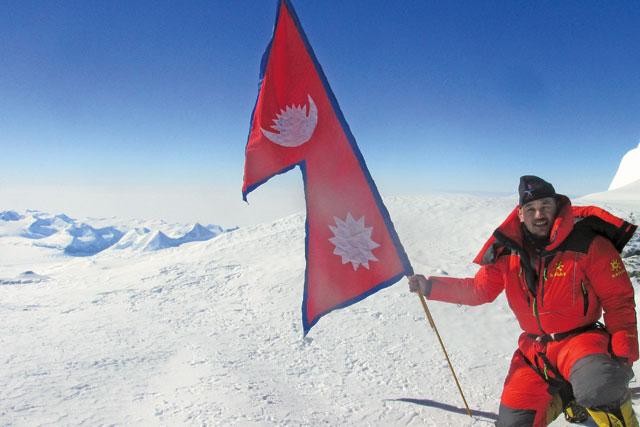
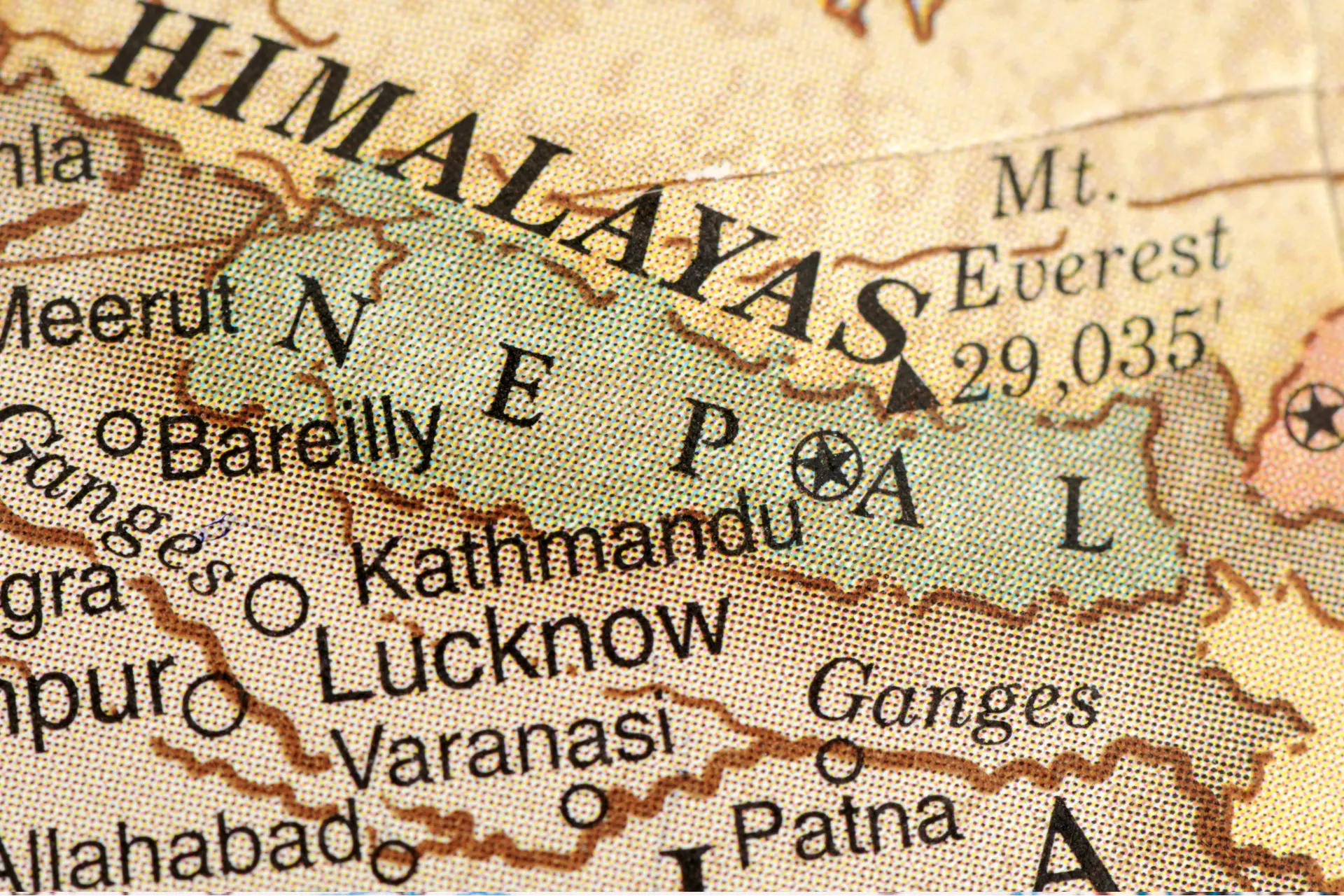
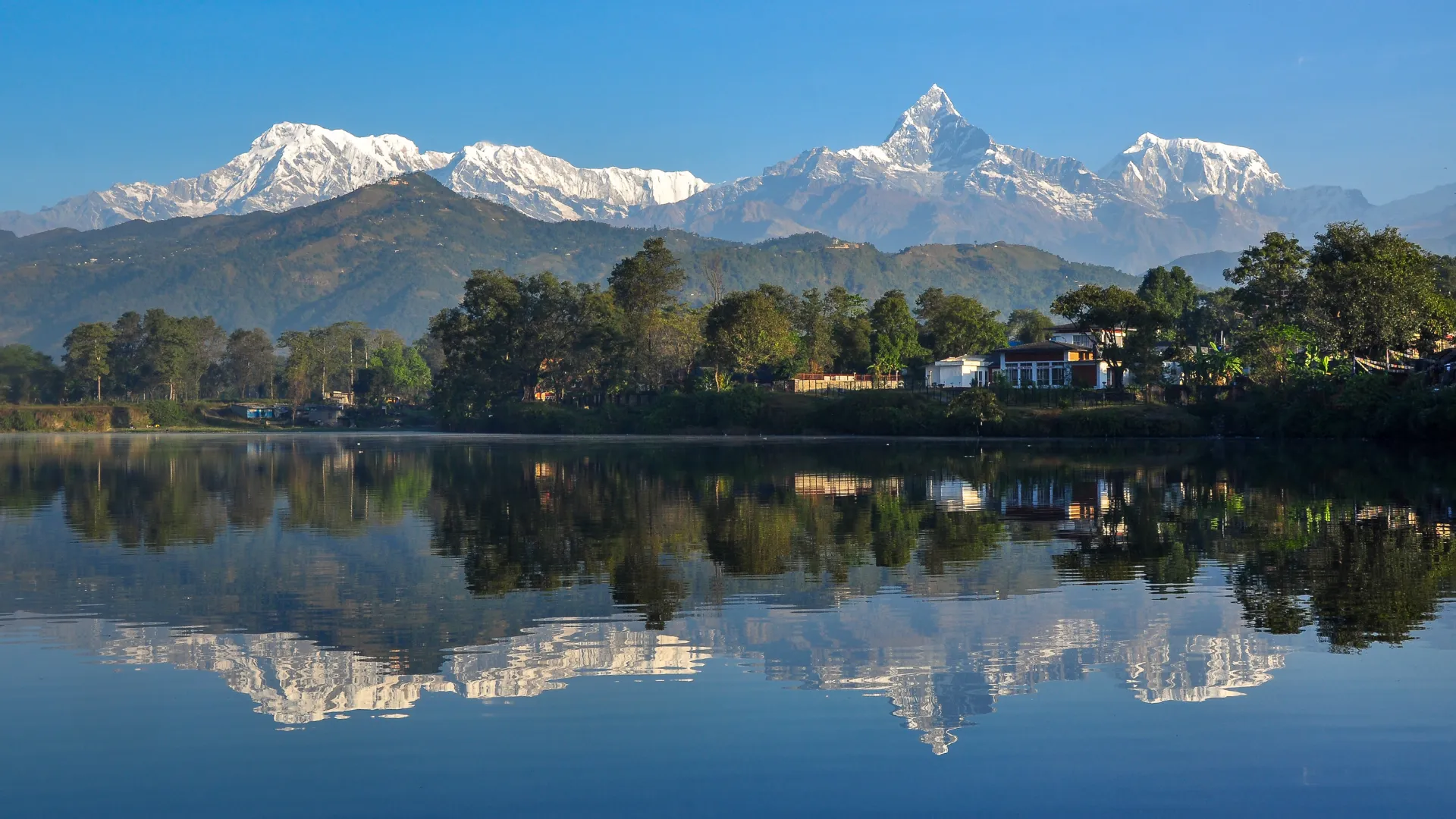
Wedged between two giants, China and India, Nepal is the only country on Earth where eight of the fourteen “eight-thousanders” rise within its own borders — which is exactly why it’s so often called the Himalayan country. But Nepal’s identity runs deeper than altitude. It’s a place where snow-capped summits give way to subtropical jungle in under 150 kilometres, where Hindu temples and Buddhist stupas share the same courtyard, and where the Himalayas function less like a mountain range and more like the backbone of an entire way of life.
Mount Everest (Sagarmatha), the highest point on the planet, sits at the northern edge of Nepal — but the country’s real character shows up lower down, in the mid-hill villages and river valleys where centuries-old traditions are still lived, not performed for visitors. Here, the mountains aren’t scenery. They’re weather-makers, water sources, and, for many communities, sacred ground.
This guide covers what actually makes Nepal the definitive Himalayan destination: its geography, climate, culture, biodiversity, and the state of its tourism industry heading into 2026 — plus answers to the questions people most often ask before planning a trip.
Why Nepal Is Considered the Himalayan Country
Nepal is roughly 800 kilometres long east to west, yet in that narrow strip it packs three completely different geographic zones — something almost no other country its size can claim:
- Himal (Mountain Region): Home to Everest, Kanchenjunga, Dhaulagiri, and dozens of unnamed peaks. Glaciers, alpine tundra, and rock faces define this zone — the ultimate test for climbers and high-altitude trekkers.
- Pahad (Hill Region): Where Kathmandu and Pokhara sit, along with terraced farmland and mixed forest. This mid-elevation belt is home to the largest share of Nepal’s population and its most ethnically diverse communities.
- Terai (Lowlands): Flat, fertile, and subtropical, bordering India. This is Nepal’s agricultural engine — and also where you’ll find Bengal tigers and one-horned rhinos in Chitwan National Park.
Climate and the Best Time to Visit Nepal
Elevation does the work here — Nepal ranges from about 60 metres in the Terai to 8,849 metres at the summit of Everest, which means you can move through tropical, temperate, and arctic climates in a single trek. Few places on Earth compress this much climatic range into one Himalayan country.
- Terai: Tropical and subtropical
- Hills: Temperate
- High Himalayas: Alpine and arctic
Most trekkers plan around two windows: spring (March–May) and autumn (September–November), when skies clear and mountain visibility peaks. Winter (December–February) buries the high passes in snow, while monsoon season (June–September) greens the hills but brings landslide risk on trekking routes — worth avoiding unless you’re headed to the rain-shadow regions like Upper Mustang or Dolpo.
A Brief History: From Ancient Kingdoms to Modern Nepal
Nepal’s history blends archaeology with legend. Buddhist tradition holds that Manjushri drained the ancient lake that once covered the Kathmandu Valley, exposing the fertile land that became the cultural heart of the country. Over the centuries, the Licchavi, Malla, and Shah dynasties each left their mark, until King Prithvi Narayan Shah unified Nepal into a single kingdom in the 18th century — the borders that, roughly, still stand today.
Culture and Religion: One of the World’s Most Diverse Countries
Nepal is home to more than 125 ethnic groups and over 120 languages — an extraordinary density of diversity for a Himalayan country roughly the size of Illinois. A few examples:
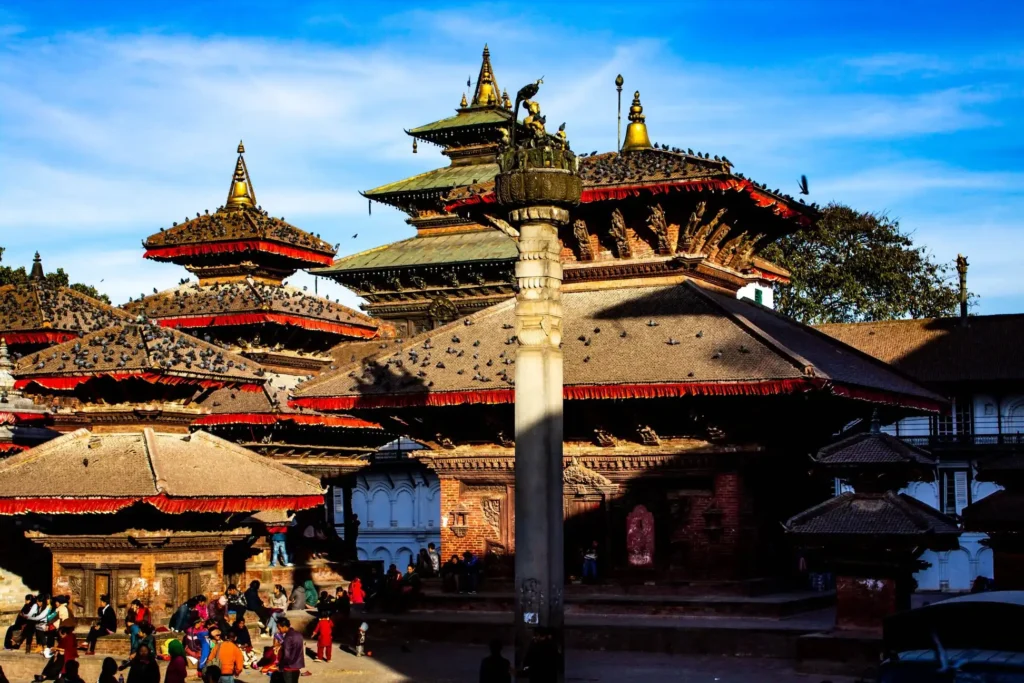
- The Newars of the Kathmandu Valley, whose art and architecture built the valley’s UNESCO-listed squares
- The Sherpas, whose mountaineering skill has made Himalayan climbing possible for over a century
- The Tharu of the Terai, whose culture is closely tied to the forests and rivers of the lowlands
Hinduism and Buddhism coexist here with little friction — stupas and pagoda-style temples often stand within sight of each other, and festivals like Dashain, Tihar, and Buddha Jayanti draw entire communities together regardless of which tradition a family follows.
UNESCO Heritage and Architecture
Seven UNESCO World Heritage Sites sit within the Kathmandu Valley alone — including the Durbar Squares of Kathmandu, Patan, and Bhaktapur, plus Pashupatinath Temple and Swayambhunath (the “Monkey Temple”). Intricate wood carvings, bronze statues, and pagoda-roofed temples make the valley itself a kind of open-air museum of Himalayan craftsmanship.
Biodiversity: What Lives in Nepal’s Himalayas
Despite its small footprint, this Himalayan country’s steep altitude changes pack in an outsized range of ecosystems — tropical, temperate, and alpine, often within a single day’s walk of each other.
- 12 national parks and 6 conservation areas, including the UNESCO-listed Sagarmatha and Chitwan National Parks
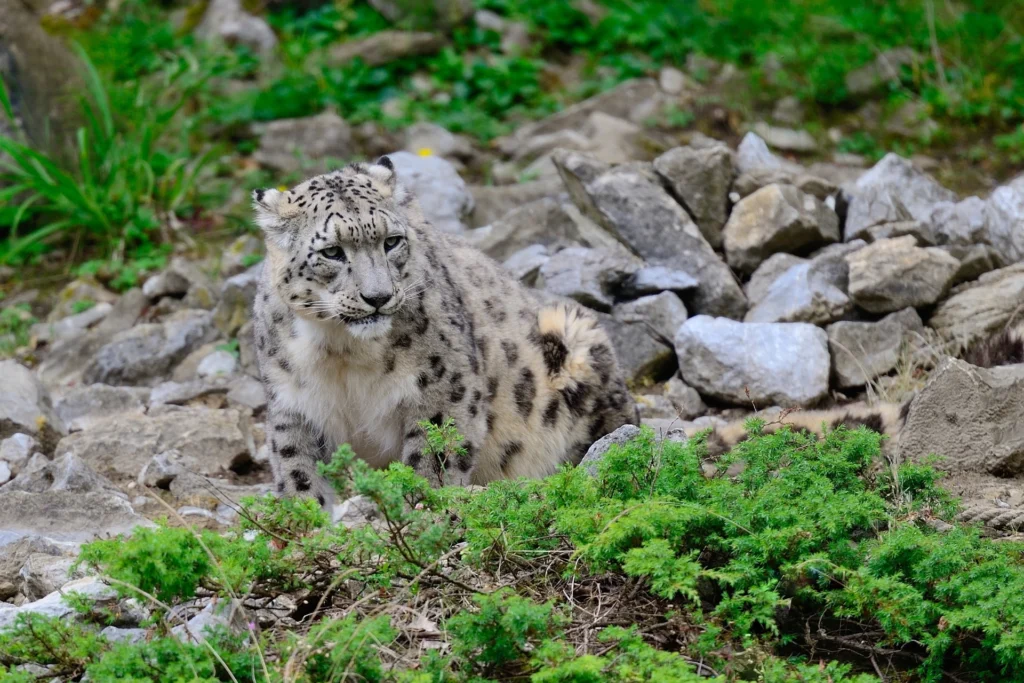
- Rare wildlife such as snow leopards, red pandas, Himalayan monals, one-horned rhinos, and Bengal tigers
- Major river systems — the Koshi, Gandaki, and Karnali — that originate from Nepal’s glaciers and supply water to hundreds of millions of people across South Asia
Glacial melt and shifting rainfall patterns are already changing these systems, which is why conservation and sustainable-trekking practices matter more with each trekking season.
Nepal’s Tourism Industry: 2025–2026 Snapshot
Modern tourism in this Himalayan country really begins after Nepal opened its borders in the 1950s, and gained global attention in 1953 when Sir Edmund Hillary and Tenzing Norgay Sherpa became the first climbers confirmed to summit Everest.
According to the Nepal Tourism Board, Nepal welcomed 1,158,459 international visitors in 2025 — a modest 1% rise over 2024, and about 97% of pre-pandemic 2019 levels. India remained the largest source market, followed by the United States and China. October and April were the strongest months for arrivals, aligning with peak trekking season, while the Mustang region alone saw an 18.7% jump in visitors year over year — a sign that off-the-beaten-path Himalayan travel is gaining real momentum.
Adventure, Spiritual, and Cultural Tourism
- Adventure tourism: trekking in the Everest and Annapurna regions, white-water rafting, paragliding over Pokhara, mountain biking, and bungee jumping
- Spiritual tourism: pilgrimages to Lumbini, birthplace of the Buddha, and meditation retreats at monasteries across the country
- Cultural tourism: village homestays, traditional cooking, and local festivals that put you inside Himalayan life rather than watching it from a bus window
The Shift Toward Sustainable, Community-Based Travel
Eco-tourism and community-based travel have grown steadily across this Himalayan country as travellers look for lower-impact ways to experience the Himalayas. Government initiatives — including reduced climbing fees for remote peaks and support for rural homestays in Karnali and Far-West Nepal — are aimed at spreading tourism revenue beyond the well-trodden Everest and Annapurna corridors.
Challenges Facing Nepal’s Tourism Sector
- Infrastructure gaps: Remote trails often lack proper waste management and sanitation systems
- Environmental pressure: Glacial retreat and trail waste buildup, especially on high-traffic routes
- Regulation and safety: Registered guides are now mandatory on major trekking routes, partly in response to these pressures
Even with these obstacles, this Himalayan country remains one of the most sought-after adventure destinations on Earth — and the industry’s steady, if uneven, recovery through 2025 suggests that demand isn’t slowing down.
Why Tourism Matters to Nepal’s Economy
Tourism accounts for roughly 8% of Nepal’s GDP and supports hundreds of thousands of jobs directly and indirectly, funding schools, healthcare, and infrastructure in many rural districts. But the benefits aren’t evenly spread — most visitors still concentrate around Everest and Annapurna, while far fewer reach remote Himalayan villages. Operators focused on responsible, community-based travel are working to close that gap by routing more trips — and more income — toward lesser-known regions.
What Sets Nepal Apart From Other Himalayan Destinations
Compared with Bhutan, Tibet, or the Indian Himalayas, Nepal stands out as the Himalayan country that offers the widest range of experiences at the most accessible price point:
- More peaks: Eight of the world’s fourteen 8,000-metre mountains
- More culture: 125+ ethnic groups, 120+ languages
- More spiritual depth: Birthplace of the Buddha and a long-standing hub for meditation and pilgrimage
- More range: Jungle safaris to 5,000m+ mountain passes, often within the same trip
- Better value: Comparable experiences at a lower cost than Bhutan or many parts of the Indian Himalayas
Frequently Asked Questions
Is Nepal entirely in the Himalayas?
No. Only the northern third of Nepal sits within the high Himalayas. The country also includes the mid-hill Pahad region and the flat, subtropical Terai bordering India.
Why is Nepal called the Himalayan country?
Nepal contains more of the world’s highest peaks than any other nation — including Everest — and the mountains shape everything from its climate and agriculture to its religion and daily life.
What is the best time to visit Nepal for trekking?
Spring (March–May) and autumn (September–November) offer the clearest skies and most stable weather for trekking in the Everest, Annapurna, and Langtang regions.
Is Nepal safe and affordable for travellers in 2026?
Yes. Nepal remains one of the more affordable Himalayan destinations, and tourism infrastructure has continued to recover and expand through 2025, with registered guides now required on major trekking routes for added safety.
Plan Your Trip With Nepal Adventure Trail
Ready to see the Himalayan country up close? Whether it’s the classic Everest Base Camp trek, the Annapurna Circuit, or a quieter route through Mustang or Dolpo, Nepal Adventure Trail plans trips with experienced local guides and a strong focus on low-impact, community-based travel — so the experience is memorable for you, and genuinely beneficial for the places you visit.