

Nestled in Nepal’s Manaslu region, the Tsum Valley Trek provides an immersive experience in one of the most isolated and culturally diverse regions of the nation.
Tsum Valley, which preserves its pristine landscapes and traditional Tibetan Buddhist culture, is still a hidden gem in contrast to more popular treks like Everest or Annapurna. But there are drawbacks to this isolation as well. The walk, which requires both mental and physical fortitude, is frequently classified as moderate to difficult.
Tsum Valley offers a sense of seclusion that few other trekking locations can match, in contrast to busy trails with plenty of lodges, dining options, and amenities.
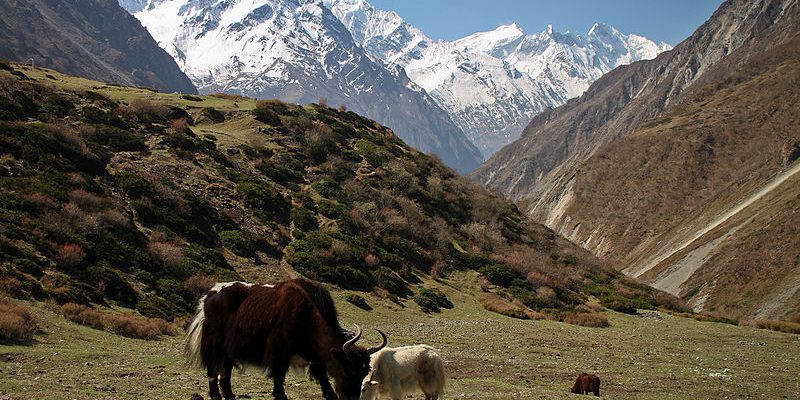
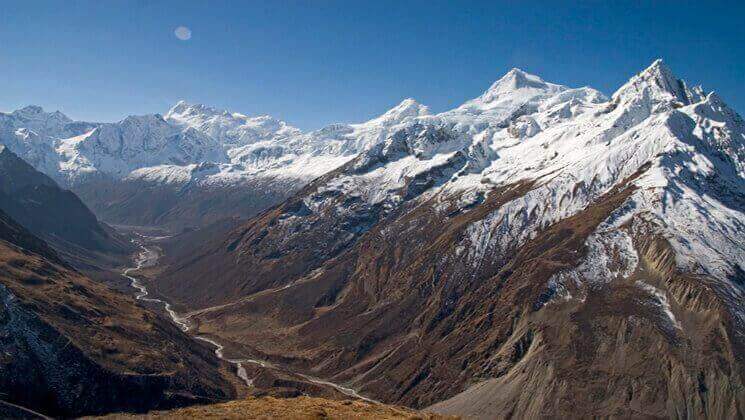
Along narrow mountain paths that haven’t changed much in centuries, trekkers frequently find themselves strolling through tranquil alpine forests and traversing suspension bridges over turquoise rivers. There are expansive views of terraced farmlands, snow-capped peaks, and glacial streams that sparkle in the Himalayan sun at every bend.
Apart from its breathtaking natural beauty, Tsum Valley has a rich spiritual and historical heritage. Ancient monasteries like Mu Gompa and Rachen Gompa, where prayer flags fly in the wind and monks carry out customs that have been followed for generations, are scattered throughout the villages.
By introducing trekkers to a modest yet profound way of life, these cultural exchanges give the trek’s physical difficulties a purpose.
We’ll explore the different factors that affect the trek’s difficulty in this guide to give you a thorough idea of what to anticipate. Additionally, Nepal Adventure Trail offers a well-designed travel package that you can reserve immediately for those of you who are eager to start your trip through the Tsum Valley.
Terrain and Trail Conditions
Rugged and frequently steep terrain is a defining feature of the Tsum Valley trail. Trekkers must maintain balance and steady footing on the narrow, rocky paths they encounter. Coordination and caution are required for the trail’s technical descents and ascents.
Through terraced fields, traditional villages, and dense forests, the trail provides an insight into the Tsumba people’s way of life.
Despite the difficult conditions, the trail is well-traveled, and most hikers can safely traverse it with the right shoes and trekking poles.
Altitude and Acclimatization
With elevations as high as 5,160 metres at Larkya La Pass, the Tsum Valley Trek presents serious altitude difficulties. Because the climb is gradual, hikers can effectively acclimatise. Altitude sickness is still a possibility, though, particularly if appropriate acclimatisation procedures are not followed.
Headaches, lightheadedness, and nausea are some of the symptoms that call for quick descent and rest. Trekkers should avoid overexertion, stay hydrated, and ascend gradually to reduce these risks. Before attempting the pass, it is best to acclimatise for a few more days at higher elevations.
Duration and Daily Distances
The journey from Machha Khola to Dharapani, which is roughly 177 kilometres long, usually takes 14 to 18 days. Typically, trekking takes five to seven hours each day, but some days can last up to eight hours, particularly as one approaches higher elevations.
Because of its undulating terrain and frequent ascents and descents, the trail can be physically demanding. To avoid fatigue and injuries, it’s critical to pace oneself, take regular breaks, and pay attention to one’s body.
Accommodation and Facilities
The majority of the lodging options along the Tsum Valley Trek are simple teahouses and lodges. Although some have facilities like hot showers and attached bathrooms, these are few and might not be accessible at higher elevations.
Electricity and Wi-Fi are limited, particularly in isolated villages. A power bank, sleeping bags, and toiletries are among the essentials that trekkers should bring along and be ready for basic living conditions. The trek is made more authentic by the modest lodgings, but it also calls for a resilient and adaptable mentality.
Cultural and Spiritual Significance
In addition to its physical difficulties, the Tsum Valley Trek provides significant spiritual and cultural experiences. In the valley, hikers can observe traditional Tibetan Buddhist rituals at historic monasteries like Mu Gompa and Rachen Gompa. Descended from Tibetan settlers, the Tsumba people uphold a way of life that is strongly influenced by their culture.
Speaking with locals gives you an understanding of a way of life that hasn’t changed much over the centuries. Trekking is enhanced by these cultural interactions, which give the difficulties greater significance.
Preparation and Tips
The following preparation advice has been provided by our knowledgeable staff of seasoned guides to help you successfully finish the Tsum Valley Trek:
- Take part in endurance sports like hiking with a full backpack, strength training, and cardiovascular exercises.
- Equip yourself with high-quality trekking boots, a sturdy backpack, layered apparel, a cold-weather sleeping bag and trekking poles.
- Keep a full first aid kit on hand and speak with a healthcare professional about vaccinations.
- Develop flexibility and patience because the trek’s remote location may bring unexpected difficulties.
- Employing an experienced guide can improve security and offer cultural understanding.
Conclusion
The Tsum Valley Trek puts one’s mental toughness, physical stamina, and cultural curiosity to the test. Despite the difficulties, there are many benefits, such as beautiful scenery, deep cultural encounters, and a feeling of achievement.
As you walk through villages where customs have been upheld for centuries, listen to the distant chants of ancient monasteries, and watch the morning sun cast golden light over the Himalayan peaks, the trek rewards every effort with moments of pure awe.
With proper preparation and behaviour that respects the environment and local communities, trekkers can enjoy this adventure and create memories that will last a lifetime. In order to improve safety and enjoyment, proper preparation entails physical training, acclimatisation planning, and cultural awareness.
Nepal Adventure Trail offers professional advice, local knowledge, and individualised trekking support for individuals seeking a smooth and enriching experience. In addition to providing cultural insights that turn a physically taxing trek into a profoundly fulfilling experience, their team assists trekkers in safely navigating the difficult terrain.
Adventurers can concentrate on the amazing scenery and unusual experiences with the help of qualified guides and carefully planned itineraries, knowing that the safety and logistics are in good hands.
Starting the Tsum Valley Trek is an exploration of one’s heritage, environment, and self; it’s more than just a physical adventure. Every action becomes a narrative, every sight a memory, and every village visited a window into a world few outsiders ever get to see with the correct planning, deference, and direction.
Frequently Asked Questions
1. How difficult is the Tsum Valley Trek?
The Tsum Valley Trek is considered moderate to challenging. It involves steep ascents, long walking hours, and high altitudes, demanding good fitness and mental endurance.
2. How long does it take to complete the Tsum Valley Trek?
Most itineraries take between 14 to 18 days, depending on the route and acclimatization stops. Adding rest days helps manage altitude and enjoy the culture.
3. What is the highest point on the Tsum Valley Trek?
The trek reaches around 5,160 meters when combined with the Manaslu Circuit via Larkya La Pass. Within Tsum Valley itself, Mu Gompa (3,700m) is the highest settlement.
4. Do I need prior trekking experience for the Tsum Valley Trek?
Not necessarily, but having experience with multi-day treks helps. Beginners can still do it with preparation, training, and a reliable guide.
5. When is the best time for the Tsum Valley Trek?
The best time is spring (March–May) and autumn (September–November) when skies are clear, trails are dry, and mountain views are stunning.
6. Is altitude sickness common during the Tsum Valley Trek?
Yes, altitude sickness can occur due to elevations above 3,000 meters. Proper acclimatization, hydration, and pacing are crucial to avoid it.
7. What kind of accommodation is available on the trek?
Accommodation is mainly basic teahouses and family-run lodges with simple meals. Luxury amenities are rare, but the local hospitality is warm and genuine.
8. Do I need a guide and porter for the Tsum Valley Trek?
A licensed guide is mandatory, as the area lies within a restricted region. Hiring a porter is optional but recommended for comfort and safety.
9. What permits are required for the Tsum Valley Trek?
You’ll need a Restricted Area Permit (RAP) for Tsum Valley, a Manaslu Conservation Area Permit (MCAP), and an Annapurna Conservation Area Permit (ACAP) if exiting via Dharapani.
10. What is the total distance of the Tsum Valley Trek?
The full route covers roughly 170–180 kilometers, depending on side trips and the chosen exit route.
11. How cold does it get in the Tsum Valley?
Temperatures can drop to -5°C at night in higher regions, especially in winter. Warm layers and a quality sleeping bag are essential.
12. What makes the Tsum Valley Trek unique compared to other treks in Nepal?
Its spiritual depth and cultural authenticity set it apart. Ancient monasteries, sacred caves, and centuries-old Tibetan heritage make it more than just a trek—it’s a cultural pilgrimage.
13. Can I combine the Tsum Valley Trek with the Manaslu Circuit?
Yes, many trekkers combine both for a comprehensive 20–22-day adventure, experiencing both the remote Tsum Valley and the dramatic Manaslu landscapes.
14. How do I prepare physically for the Tsum Valley Trek?
Regular cardio exercises, strength training, and practice hikes with a backpack will improve stamina and balance for steep trails and long walking days.
15. Which company organizes the best Tsum Valley Trek experience?
For a guided, well-organized experience, Nepal Adventure Trail offers reliable local guides, personalized itineraries, and safety-focused trekking services, helping you explore the Tsum Valley with confidence and cultural insight.




