
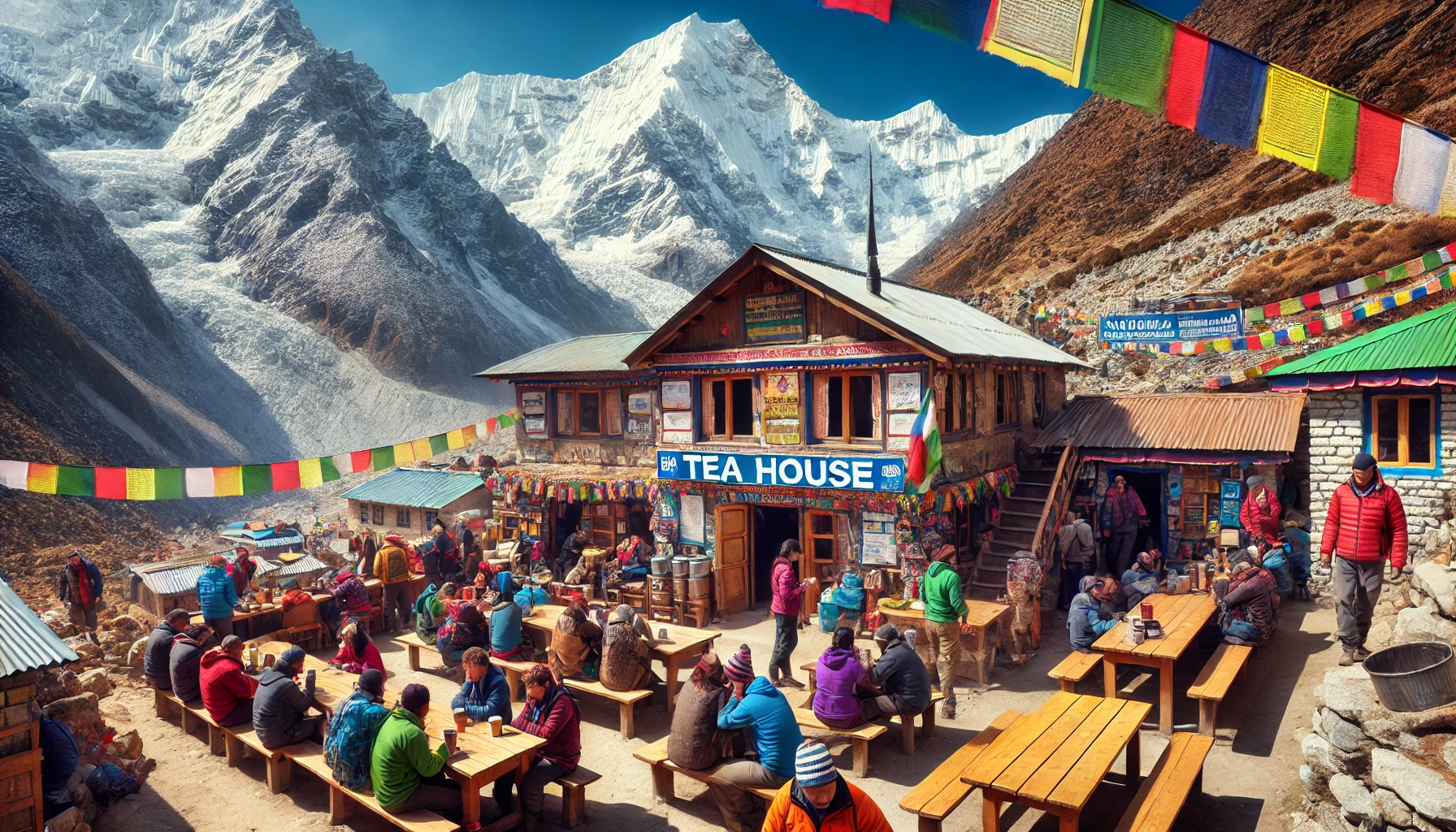
Everest Base Camp (EBC) is one of the most iconic trekking destinations in the world, and for good reason. It’s the gateway to Mount Everest, the highest mountain on Earth, and offers trekkers an unparalleled view of the Himalayas.
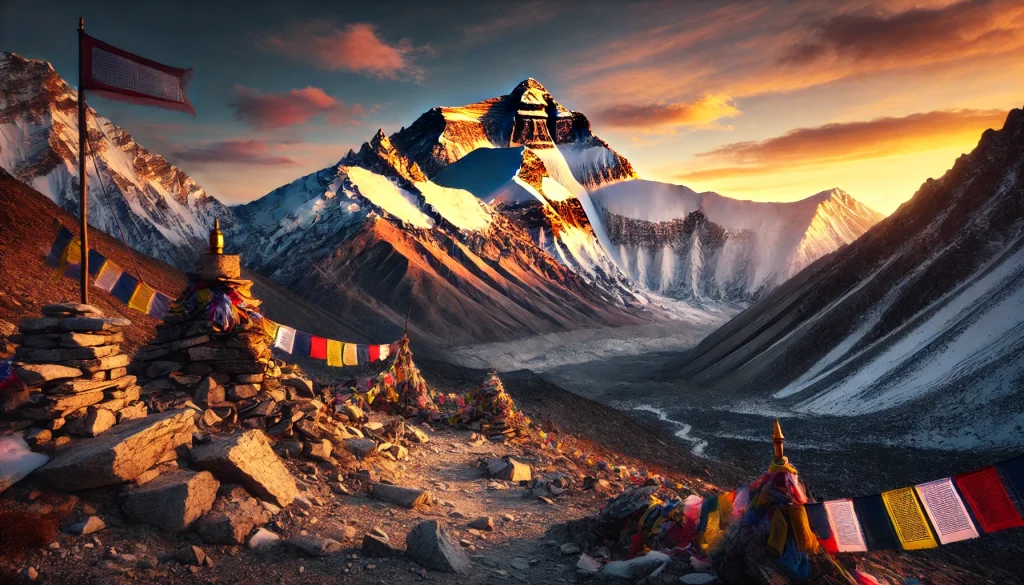
Many people wonder exactly how high Everest Base Camp sits, and what else to know before making the trip. This guide covers the elevation, the route, the best season, and the ten essential facts every trekker should know before heading into the Khumbu.
How High is Everest Base Camp?
Everest Base Camp sits at 5,364 meters (17,598 feet) on the Nepal side (South Base Camp) in Solu-Khumbu. The Tibet side (North Base Camp) sits lower, at 5,150 meters (16,900 feet), and is reachable by road. At this altitude, air pressure is roughly half of sea level, which is why acclimatization matters so much on the way up.
The trek itself climbs higher still: Kala Patthar, the viewpoint above Gorak Shep, tops out at 5,545 meters (18,192 feet) and is where most trekkers get their clearest view of Everest itself, since the summit isn’t visible from Base Camp.
10 Things You Must Know About Everest Base Camp
- Two base camps exist. The South Base Camp in Nepal is the one most trekkers visit; the North Base Camp in Tibet is accessible by vehicle and mainly used by climbing expeditions.
- The classic trek takes 12-14 days round trip from Lukla, covering roughly 130 kilometers. A longer route from Jiri retraces the path of early Everest expeditions and takes 20-24 days.
- Acclimatization is non-negotiable. Above 3,000 meters, oxygen drops and altitude sickness becomes a real risk. Rest days at Namche Bazaar (3,440m) and Dingboche (4,410m) are built into every safe itinerary, along with a gradual ascent, hydration, and high-energy food.
- Spring and autumn are the best seasons. March-May brings clear skies and blooming rhododendrons; September-November is the most popular window, with stable weather and the clearest mountain views. Monsoon (June-August) means slippery trails and poor visibility; winter (December-February) is cold and quiet but demands serious cold-weather gear.
- The trek starts with a flight to Lukla (2,860m), one of the world’s most dramatic mountain airstrips, followed by a walk through Sherpa villages, suspension bridges, and rhododendron forest to Namche Bazaar, Tengboche, Dingboche, Lobuche, and Gorak Shep before reaching Base Camp.
- You’ll stay in tea houses along the way — family-run lodges with basic rooms, shared meals, and charging facilities (often for a small fee). Accommodation gets more basic the higher you climb, especially above Dingboche.
- A guide or porter changes the experience. Beyond safety and navigation, a local guide brings Sherpa culture and Buddhist tradition into the trek in a way a map can’t. A porter carrying your load also makes a real difference at altitude.
- Permits are required. You’ll need a Sagarmatha National Park entry permit and a Khumbu Pasang Lhamu Rural Municipality permit, both obtainable in Kathmandu or at Monjo. Carry your passport and permit copies at all times on the trail.
- Base Camp is being relocated. Rapid melting of the Khumbu Glacier means the South Base Camp site is expected to move 200-400 meters lower in coming years — a sign of how visibly climate change is reshaping the region.
- It’s the starting line for Everest climbers — the same route Sir Edmund Hillary and Tenzing Norgay used before their historic 1953 summit, and still the staging point for every expedition attempting Everest’s 8,848m summit today.
Plan Your Everest Trek
- Guided 14-Day Everest Base Camp Trek: View the itinerary and send an inquiry
- Gear Checklist: Complete Everest Base Camp Packing List Guide
- Questions? Message us on WhatsApp for a tailored quote and current availability.
Physical Fitness and Training
No technical climbing is needed, but the trek is demanding. Focus your training on cardio (running, cycling, swimming to build lung capacity), leg strength (squats, lunges for the uphill sections), and hiking practice with a loaded daypack on varied terrain. Start preparing months ahead, not weeks.
Food and Water on the Trail
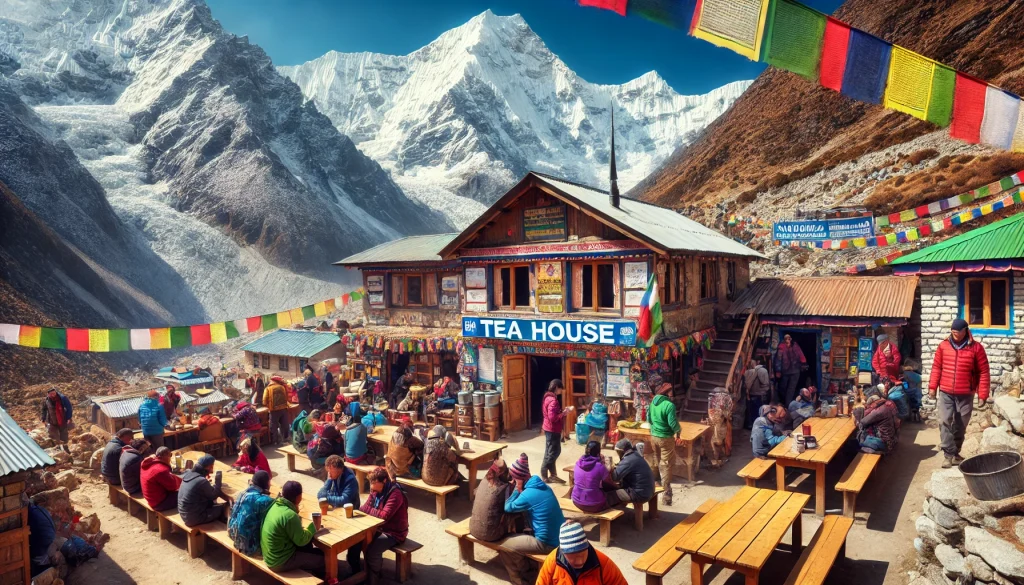
Tea houses serve dal bhat (lentils and rice — the trekker’s staple), momos, Tibetan bread, and increasingly pasta, pizza, and soup as you go. Boiled water is available at most lodges; bring a filter or purification tablets and avoid drinking untreated stream water.


Essential Gear
Waterproof trekking boots, a four-season sleeping bag rated to -10°C (14°F), moisture-wicking base layers with a down jacket for warmth, trekking poles, sun protection (glasses, sunscreen, a hat — UV is intense at altitude), and a refillable water bottle with a filtration system. See the full packing list for a complete checklist.
Culture Along the Trail
The EBC trek runs through the heart of Sherpa country. Tengboche Monastery and the villages around Namche Bazaar offer a real look at Buddhist tradition and mountain hospitality. Dress modestly, ask before photographing people or ceremonies, and a few words of Nepali or Sherpa go a long way.
Safety and Insurance
Get travel insurance that explicitly covers high-altitude trekking, helicopter evacuation, and medical costs before you fly to Nepal. Altitude sickness can affect anyone regardless of fitness or experience, so be prepared to turn back if your body tells you to. Helicopter rescue is available throughout the region but is not a substitute for proper acclimatization.
Responsible Trekking
- Leave No Trace: Carry all waste back to a proper disposal point.
- Respect wildlife: Don’t disturb animals or pick plants.
- Cut single-use plastic: Bring a reusable bottle and filter instead.
- Support local guides and lodges: It keeps tourism revenue in the communities you’re trekking through.
The trek to Everest Base Camp is a genuinely life-changing journey through some of the world’s most dramatic mountain scenery — challenging, but well within reach for a prepared trekker who paces themselves and respects the altitude.
Frequently Asked Questions
General
- What is the elevation of Everest Base Camp? South Base Camp (Nepal): 5,364m/17,598ft. North Base Camp (Tibet): 5,150m/16,900ft.
- Can you see Mount Everest from Base Camp? No — the summit is hidden behind nearer peaks. Kala Patthar (5,545m) is the closest clear viewpoint.
- What is the highest point on the trek? Kala Patthar, at 5,545m (18,192ft).
- How long does the trek take? Typically 12-14 days round trip, covering about 130km.
- What is the best time to go? March-May or September-November.
Altitude and Health
- What are the risks of the altitude? Altitude sickness, headaches, nausea, and fatigue, most common above 3,000m.
- How do I prevent altitude sickness? Ascend gradually, stay hydrated, and take the built-in rest days at Namche Bazaar and Dingboche.
- What’s the oxygen level at Base Camp? Roughly 50% of sea-level oxygen.
- Is medical help available? Yes — basic clinics along the route and helicopter evacuation for serious cases.
Logistics
- Do I need a permit? Yes — a Sagarmatha National Park permit plus the Khumbu Pasang Lhamu Rural Municipality permit.
- What should I pack? Warm layers, sturdy boots, a four-season sleeping bag, and altitude sickness medication — see our full packing list.
- Do I need a guide or porter? Not legally required for this trek, but strongly recommended for safety, navigation, and cultural context — especially for first-timers.
- What does the trek cost? It depends on group size, season, and services included — send us your dates for a tailored quote.
Culture and Environment
- What is Sherpa culture like? Rooted in Buddhist tradition, with a strong mountaineering heritage and well-known hospitality toward trekkers.
- Why is Base Camp being relocated? Melting of the Khumbu Glacier is making the current site less stable.
- Is there Wi-Fi on the trek? Yes, paid Wi-Fi (Everest Link) is available at most tea houses along the route.
Climbing Everest
- How many camps are above Base Camp? Four (Camp 1 to Camp 4) before the summit push.
- What’s the “Death Zone”? The area above 8,000m, where oxygen is too thin to sustain human life for long.
- How long does a summit expedition take from Base Camp? Roughly 40-60 days including acclimatization rotations.
Sources: Nepal Tourism Board, Sagarmatha National Park.
Wow! I’ve always wondered, how high is Everest Base Camp exactly, and what’s it like to be up there?
Everest Base Camp sits at 5,364 meters (17,598 feet) above sea level! It’s an incredible experience—stunning views, crisp mountain air, and a real sense of being at the roof of the world.
Wow, Everest Base Camp sounds incredible! How high is it exactly, and what should I be prepared for when visiting?
Everest Base Camp sits at 5,364 meters (17,598 feet) above sea level! Prepare for chilly weather, stunning mountain views, and an unforgettable trekking experience.