
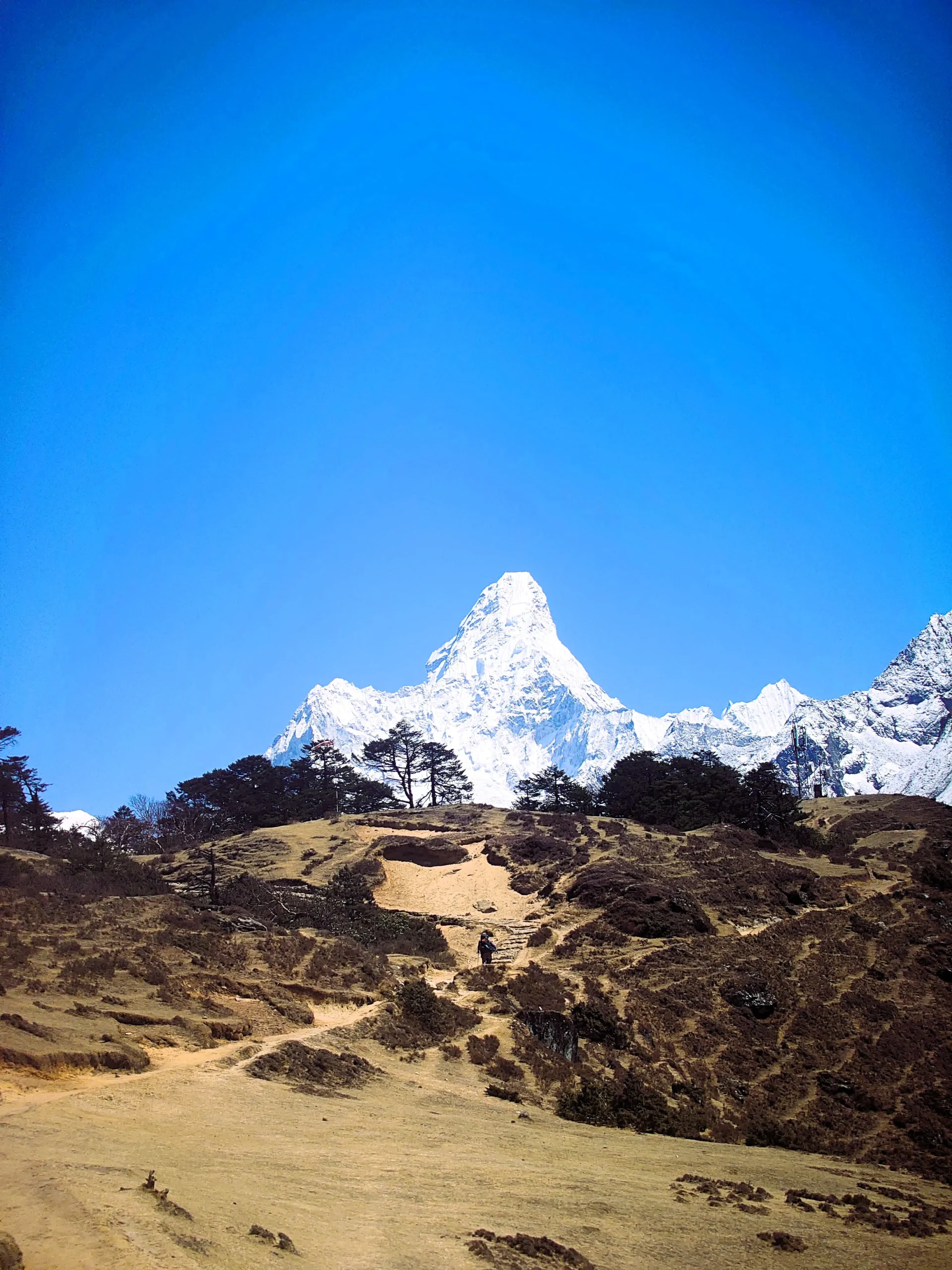
Ama Dablam Expedition 2026: Complete Guide to Climbing the Jewel of the Himalayas
Last Updated: June 30, 2026 | Reading Time: 15 minutes | Technical Difficulty: TD/5 (Very Difficult)
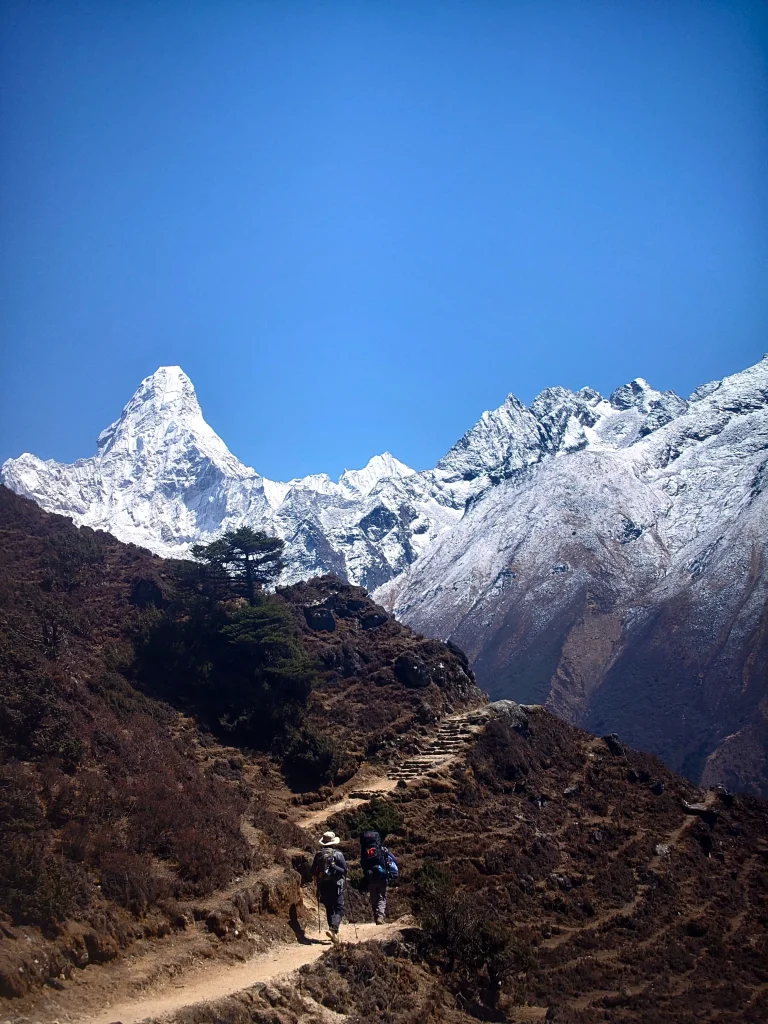
Nestled in the heart of Nepal’s Khumbu region, Ama Dablam (6,812 meters / 22,349 feet) stands as one of the most breathtaking and technically challenging peaks in the Himalayas. Known as the “Matterhorn of the Himalayas,” this majestic mountain captivates adventurers with its striking pyramid-like structure, sharp ridges, and deep cultural significance to the Sherpa people.
For experienced mountaineers seeking a world-class technical challenge, the Ama Dablam expedition offers an unforgettable journey blending advanced rock and ice climbing, awe-inspiring panoramic views of Everest and Lhotse, and immersive Sherpa culture. This comprehensive 2026 guide covers everything from the Southwest Ridge route and acclimatization strategy to permit costs, safety considerations, and preparation tips. For more Himalayan adventures, visit Nepal Adventure Trail.
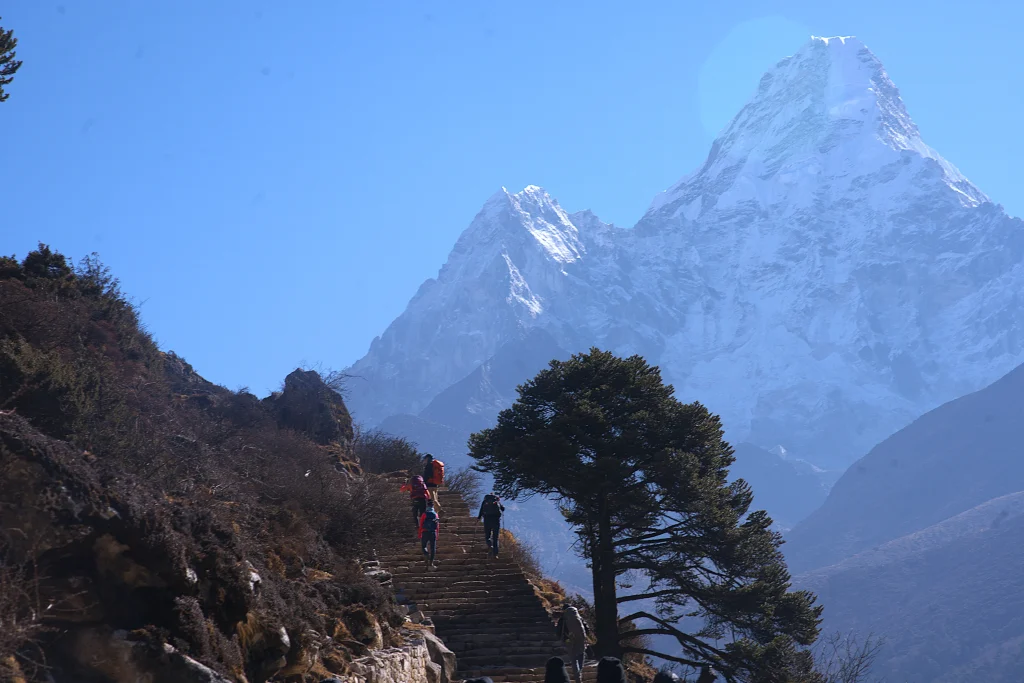
Table of Contents
- Why Choose Ama Dablam for Your 2026 Expedition?
- 5 Unforgettable Highlights of an Ama Dablam Expedition
- Ama Dablam Expedition Itinerary (25-32 Days)
- Preparing for Ama Dablam: Essential Training & Gear
- Best Time to Climb Ama Dablam in 2026
- Permits, Costs & Logistics for 2026
- Safety Considerations & Risk Management
- What’s Included vs. Excluded
- Frequently Asked Questions (FAQs)
- Why Ama Dablam is a Once-in-a-Lifetime Adventure
Why Choose Ama Dablam for Your 2026 Himalayan Expedition?
Ama Dablam, meaning “Mother’s Necklace” in the Sherpa language, derives its name from the mountain’s long ridges resembling a mother’s protective arms and the hanging glacier (the “Dablam“) that evokes a traditional Sherpa pendant. This mountain is not merely a visual masterpiece — it holds profound spiritual and cultural significance for the local Sherpa community in the Khumbu region.
Its dramatic profile dominates the eastern skyline for trekkers en route to Everest Base Camp, making it a beacon for adventurers worldwide. Whether you’re an experienced mountaineer seeking a technical challenge graded TD/5 or a trekker dreaming of Himalayan vistas, Ama Dablam promises a transformative experience that combines technical mastery with cultural immersion.
Unlike the 8,000-meter giants like Mount Everest (8,848m) or Lhotse (8,516m), Ama Dablam is a more approachable yet technically demanding climb — often referred to as the “mountaineer’s mountain.” Its Southwest Ridge, first summited in 1961 by Sir Edmund Hillary’s team, combines rock, ice, and mixed climbing up to 5.6+ difficulty, offering a thrilling ascent with panoramic views of Everest, Lhotse, and Makalu. For those not ready to summit, trekking to Ama Dablam Base Camp (4,600m) provides an equally rewarding adventure with rich cultural immersion and stunning landscapes. Explore more Himalayan trekking options at Nepal Adventure Trail’s blog.
Key Facts About Ama Dablam
| Mountain Height | 6,812 meters (22,349 feet) |
| Location | Khumbu Region, Sagarmatha National Park, Nepal |
| Technical Grade | TD/5 (Tres Difficile / Grade 5) |
| First Ascent | 1961 — Mike Gill, Barry Bishop, Mike Ward, Wally Romanes (NZ/USA) |
| Standard Route | Southwest Ridge |
| Expedition Duration | 25-32 days (including trek, acclimatization & summit) |
| Best Seasons | Spring (April-May) & Autumn (September-November) |
| Permit Cost (2026) | USD $1,000 (spring/autumn); USD $500 (winter/summer) |
| Expedition Cost Range | USD $5,200 — $7,500+ per person |
5 Unforgettable Highlights of an Ama Dablam Expedition
1. Trek to Ama Dablam Base Camp Through the Khumbu Valley
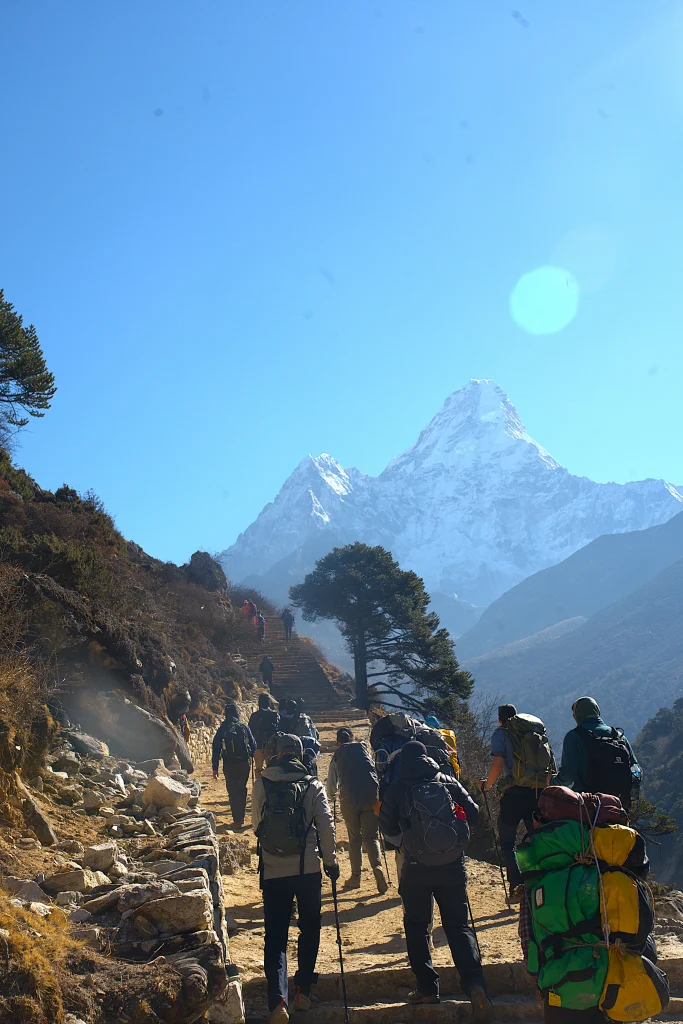
Your Ama Dablam expedition begins with a thrilling flight from Kathmandu to Lukla (2,860m), the gateway to the Himalayas. From Lukla, a 5- to 7-day trek takes you through the vibrant Sherpa town of Namche Bazaar (3,440m), the spiritual Tengboche Monastery (3,867m), and the picturesque village of Pangboche (3,985m).
The trail winds along the Dudh Kosi River, offering breathtaking views of Ama Dablam’s shark-fin silhouette against the Himalayan skyline. At 4,600 meters (15,091 feet), Ama Dablam Base Camp is a grassy haven beneath the mountain, where climbers prepare for the technical ascent and trekkers soak in the serene beauty. For essential trekking preparation tips, check out Trekking Essentials for Nepal.
2. Technical Climbing on the Legendary Southwest Ridge
For experienced climbers, the Southwest Ridge is the preferred and most iconic route, first summited in 1961 by a team led by Sir Edmund Hillary. This route is renowned for its technical challenges, including the near-vertical Yellow Tower (5.6+ rock climbing) and the exposed Mushroom Ridge — a knife-edge traverse with sheer drops on both sides.
Climbers navigate fixed ropes, rocky ridges, and steep ice pitches, requiring proficiency in rock, ice, and mixed climbing techniques. The route typically includes two to three camps: Camp 1 at 5,700-5,800 meters (18,700-19,029 feet), Camp 2 at 5,900-6,100 meters (19,350-20,013 feet), and sometimes Camp 3 at 6,300 meters (20,670 feet), though many 2026 expeditions now skip Camp 3 due to avalanche risks from the hanging Dablam glacier. Discover more about technical climbing preparation in our High-Altitude Climbing Guide.
3. Cultural Immersion in the Heart of Sherpa Country
The journey to Ama Dablam is as much a cultural experience as it is a physical adventure. The Khumbu region is home to the Sherpa people, whose warmth, hospitality, and deep Buddhist traditions enrich every step of the journey. Visit Tengboche Monastery, the spiritual heart of the region, to witness Buddhist rituals, prayer ceremonies, and enjoy panoramic views of the Everest massif.
In Namche Bazaar, explore vibrant markets, the Sherpa Museum, and learn about local mountaineering history. Engaging with Sherpa culture — from tasting authentic momo (dumplings) and dal bhat to attending prayer ceremonies and spinning prayer wheels — adds profound depth to your Himalayan adventure. Read more about Sherpa culture at Sherpa Culture Insights.
4. Unparalleled Panoramic Views of the World’s Highest Peaks
From Ama Dablam’s broad, plateau-like summit or even its base camp, the views are nothing short of spectacular. On a clear day, climbers are rewarded with 360-degree vistas of Mount Everest (8,848m), Lhotse (8,516m), Makalu (8,485m), Cho Oyu (8,188m), and Nuptse (7,861m). The summit offers a moment of triumph amidst a sea of snow-capped peaks, making the grueling technical ascent worthwhile. Even trekkers at lower altitudes enjoy dramatic landscapes, with Ama Dablam’s iconic pyramid profile as a constant companion throughout the Khumbu Valley.
5. Unique Activities for Non-Climbers & Trekkers
For those not aiming for the summit, the trek to Ama Dablam Base Camp offers plenty of rewarding activities. Hike to nearby viewpoints like the Everest View Hotel (3,880m) for stunning panoramas, or explore the Chukhung Valley, surrounded by towering peaks including Island Peak and Lobuche East. Photography enthusiasts will find endless inspiration in the mountain’s dramatic ridges, vibrant prayer flags fluttering in the Himalayan breeze, and the unique light of dawn and dusk on the snow-capped peaks. For more non-climbing adventure ideas, visit Himalayan Trekking Adventures.
Ama Dablam Expedition Itinerary: 25-32 Days (2026 Standard Route)
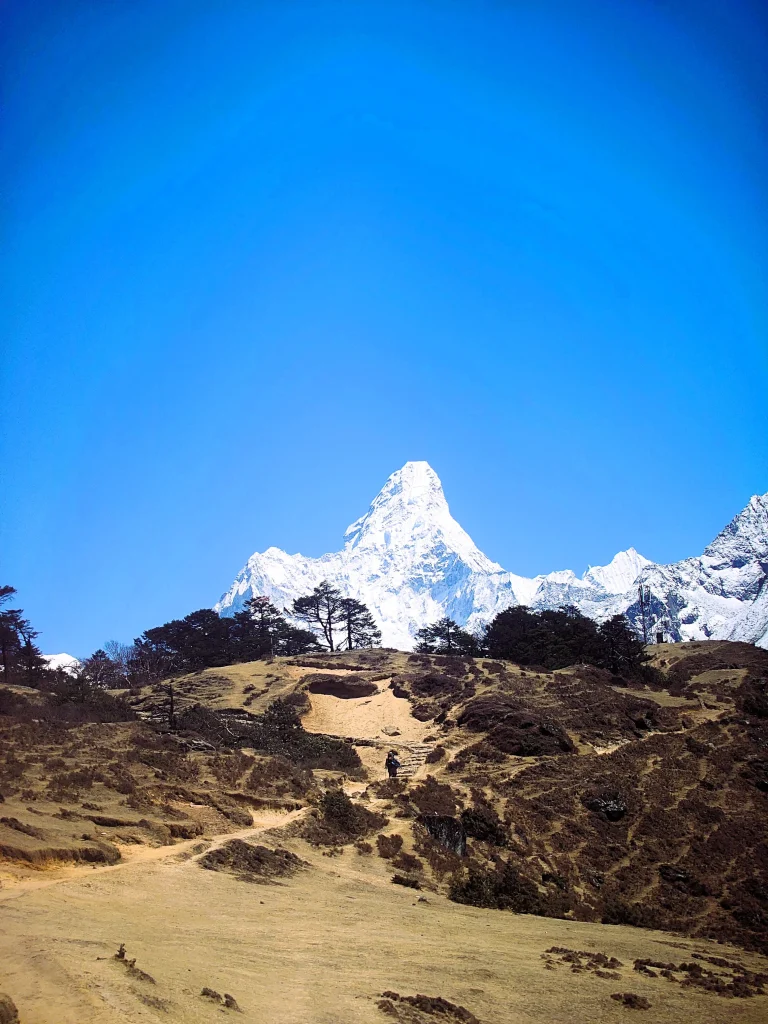
Here is the standard 2026 Ama Dablam expedition itinerary, blending adventure, proper acclimatization, technical training, and cultural exploration:
Days 1-2: Arrival in Kathmandu (1,400m) & Expedition Preparation
Arrive at Tribhuvan International Airport in Kathmandu and spend a full day exploring UNESCO World Heritage cultural landmarks including Boudhanath Stupa, Pashupatinath Temple, and the historic Kathmandu Durbar Square. Meet your expedition team, conduct a comprehensive gear check, finalize climbing permits (Sagarmatha National Park, TIMS card, and Ama Dablam climbing permit), and attend the pre-expedition briefing. Learn about Kathmandu’s cultural sites at Kathmandu Travel Guide.
Days 3-7: Trek to Ama Dablam Base Camp (4,600m)
Take the iconic flight to Lukla (2,860m) and trek through Phakding (2,610m), Namche Bazaar (3,440m) — with an essential acclimatization day — Tengboche Monastery (3,867m), and Pangboche (3,985m). Acclimate properly in Namche and Dingboche to adjust to the altitude. Reach Ama Dablam Base Camp (4,600m), where you’ll establish camp and undergo intensive climbing training including fixed-rope techniques, jumaring, ice axe handling, and crevasse rescue practice.
Days 8-10: Acclimatization Rotations & Technical Training
Spend critical time at Base Camp for acclimatization hikes and advanced technical training. Make a rotation to Camp 1 (5,700-5,800m) to familiarize yourself with the route’s initial technical sections, then return to Base Camp for rest and recovery. This “climb high, sleep low” approach is essential for proper acclimatization. For detailed acclimatization strategies, see Altitude Sickness Prevention Guide.
Days 11-20: The Summit Push via Southwest Ridge
Begin the technical ascent with climbs to Camp 1 and Camp 2, navigating the most challenging sections including the infamous Yellow Tower (near-vertical rock face) and the exposed Mushroom Ridge. Rest and monitor weather conditions carefully before the final summit push. The climb to the summit (6,812m) involves 10-16 hours of strenuous effort, typically starting from Camp 2 in the early hours (1:00-3:00 AM) to avoid afternoon storms and reach the summit by dawn. Celebrate at the summit with unparalleled views before descending to Base Camp.
Days 21-25: Return Trek to Lukla & Departure from Kathmandu
Trek back to Lukla via Pangboche and Namche Bazaar, reflecting on your extraordinary adventure. Fly to Kathmandu and enjoy a celebratory farewell dinner with your team before departing home, carrying memories of a lifetime and the achievement of conquering one of the Himalayas’ most beautiful peaks.
Preparing for Ama Dablam: Essential Training, Gear & Acclimatization
Physical & Technical Training Requirements
Ama Dablam is a technical climb graded TD/5, requiring excellent physical fitness and proven proficiency in rock, ice, and mixed climbing. You should train systematically for 6-12 months before your expedition, focusing on:
- Cardiovascular Endurance: Long-distance running, cycling, swimming, and stair climbing to build the lung capacity and stamina needed for 10-16 hour summit days.
- Strength Training: Core, leg, and upper-body exercises to handle heavy packs (15-20kg), steep ascents, and technical rock sections.
- Technical Skills: Practice rock climbing (5.6+ grade), ice climbing, ice axe use, crampon technique, rope management, jumaring, and crevasse rescue. Consider preparatory climbs like Island Peak (6,189m) or Lobuche East (6,119m) for essential high-altitude experience.
- Mental Resilience: Cold-exposure training, visualization techniques, and stress management to prepare for the psychological demands of prolonged exposure at extreme altitude.
Acclimatization Strategy: Climb High, Sleep Low
Proper acclimatization is critical to prevent Acute Mountain Sickness (AMS), High-Altitude Pulmonary Edema (HAPE), and High-Altitude Cerebral Edema (HACE). Follow the “climb high, sleep low” principle, limiting sleeping altitude gain to ≤500 meters per day above 3,000m. Schedule full acclimatization days every 2-3 days, stay hydrated (3-5 liters of water daily), avoid alcohol and caffeine, and consider preventive medication like Diamox (Acetazolamide) after consulting your doctor. Many operators now use pre-acclimatization in hypoxic tents or rapid-ascent approaches to improve success rates.
Essential Gear Checklist for Ama Dablam 2026
Pack high-quality, expedition-grade gear suitable for temperatures as low as -30°C (-22°F) at high camps:
- Technical Climbing Equipment: Ice axe, crampons (mono or dual-point), climbing helmet, harness, locking carabiners, ascenders (jumars), descender device, prusik cords, and dynamic ropes.
- Footwear: Double-boot mountaineering system (plastic or synthetic shell with insulated inner boot) for extreme cold and steep ice.
- Clothing Layers: Moisture-wicking base layers, fleece or synthetic mid-layers, 800+ fill down parka, waterproof/breathable shell jacket and pants, expedition-weight gloves, and warm balaclava.
- Camping Gear: High-altitude sleeping bag rated to -30°C, insulated sleeping pad, and a 65-75 liter expedition backpack.
- Safety & Medical: First-aid kit, blister repair kit, Diamox, personal medications, water purification tablets, and satellite communication device.
Best Time to Climb Ama Dablam in 2026: Season-by-Season Guide
Choosing the right season for your Ama Dablam expedition is one of the most critical decisions affecting safety, route conditions, and summit success rates. The optimal climbing windows for 2026 are:
Spring Season (Mid-April to May) — Best Overall
Spring is considered the prime season for Ama Dablam expeditions. The jet stream shifts northward, creating stable weather with longer daylight hours. Temperatures at higher camps range from -10°C to -20°C — manageable with proper gear. Snow and ice conditions are excellent, with consolidated snow providing safer climbing surfaces. The route is typically well-fixed with ropes by multiple expeditions, improving safety and efficiency. However, this is also the busiest season, meaning more crowded camps and potential bottlenecks at technical sections.
Autumn Season (September to November) — Most Popular
Autumn offers crystalline visibility that often surpasses spring, with crisp, clear skies after the monsoon retreat. Post-monsoon snow creates pristine climbing conditions. Temperatures run 5-10°C colder than spring (typically -20°C to -25°C at Camp 3), requiring more robust cold-weather gear. The climbing community is 40-60% smaller than in spring, offering a less crowded experience with more flexible scheduling. Strong winds at higher elevations can be challenging, making this season ideal for experienced climbers comfortable with colder conditions.
Winter (December-February) & Monsoon (June-August) — Not Recommended
Winter brings extreme danger: temperatures plummet to -30°C or lower, sustained 100+ km/h winds create brutal wind chills below -50°C, and weather windows shrink to 1-3 unpredictable days. Monsoon season (June-September) is equally unfavorable with daily heavy precipitation, extreme avalanche danger, perpetually poor visibility, muddy leech-infested trails, and frequent flight cancellations. Both seasons should be avoided by all but the most elite, experienced mountaineers.
| Season | Months | Temperature (Camp 3) | Weather Stability | Crowds | Success Rate |
|---|---|---|---|---|---|
| Spring | April-May | -10°C to -20°C | Excellent | High | Highest |
| Autumn | Sept-Nov | -20°C to -25°C | Very Good | Moderate | High |
| Winter | Dec-Feb | -30°C+ | Poor | Minimal | Very Low |
| Monsoon | Jun-Aug | -15°C to -20°C | Very Poor | None | Not Recommended |
Ama Dablam Permits, Costs & Logistics for 2026
Climbing Ama Dablam requires careful logistical planning and several mandatory permits. Here is the complete breakdown for 2026:
Required Permits & Fees
- Ama Dablam Climbing Permit: USD $1,000 per person (spring/autumn); USD $500 (winter/summer). For Nepali citizens: NPR 40,000 (spring), NPR 20,000 (autumn), NPR 10,000 (winter/summer).
- Sagarmatha National Park Entry Permit: Approximately USD $30 per person.
- Khumbu Pasang Lhamu Rural Municipality Permit: Approximately USD $20 per person.
- TIMS Card (Trekkers’ Information Management System): Required for all trekkers.
- Garbage Deposit: USD $2,000 (refundable) submitted to the Nepal Ministry of Tourism.
- Liaison Officer (L.O.) Fees, Sagarmatha Pollution Control Committee (SPCC) Fees, and Rope Fixing Fees: Vary by season and number of climbers on the permit.
2026 Expedition Cost Breakdown
Ama Dablam expedition costs vary significantly based on the level of service, group size, and operator reputation. For 2026, expect the following ranges:
| Service Level | Cost Range (USD) | What is Included |
|---|---|---|
| Base Camp Service | $3,600 – $5,200 | Logistics to Base Camp, permits, meals, tents |
| Full Expedition Service | $5,200 – $7,500 | All logistics, guides, Sherpa support, fixed ropes, high camps |
| Premium/Luxury Service | $7,500 – $10,000+ | 1:1 Sherpa ratio, private tents, gourmet meals, helicopter options |
Typically included: Airport transfers, Kathmandu hotel accommodation, all meals during trek and expedition, domestic flights (Kathmandu-Lukla), trekking and climbing permits, professional Sherpa guides, porter support to Base Camp, group climbing equipment (fixed ropes, tents, stoves), medical kits, and communication equipment. Not included: International flights, personal climbing gear, travel insurance (mandatory — must cover high-altitude rescue and evacuation), personal expenses, and tips for guides/porters. Learn more about permit requirements at Nepal Trekking Permits Guide.
Safety Considerations & Risk Management on Ama Dablam
Ama Dablam is a challenging and potentially dangerous climb. Understanding the risks and implementing proper safety protocols is essential for a successful expedition:
Avalanche & Serac Hazards
Ama Dablam’s steep faces and hanging glacier (the “dablam”) pose significant serac and avalanche hazards. The devastating 2006 avalanche at Camp 3, which killed six climbers, prompted major changes in expedition strategy. Most modern 2026 expeditions now use a two-camp system (Base Camp + Camp 1 + Camp 2), skipping Camp 3 entirely to minimize exposure to the Dablam glacier. Always ensure your team monitors daily weather forecasts, maintains clear radio communications, and has established emergency evacuation protocols.
Altitude Sickness Prevention
At over 6,800 meters, climbers face serious risks of Acute Mountain Sickness (AMS), High-Altitude Pulmonary Edema (HAPE), and High-Altitude Cerebral Edema (HACE). Prevention strategies include: ascending slowly (≤500m sleeping altitude gain per day), scheduling regular rest days, staying hydrated (3-5 liters daily), avoiding alcohol and sedatives, and carrying emergency medications (Diamox/Acetazolamide, Dexamethasone, Nifedipine). Recognize early symptoms — headache, nausea, dizziness, fatigue — and never push through warning signs. Descent is the only definitive cure for severe altitude illness. Read our comprehensive Altitude Sickness Prevention Guide.
Essential Safety Equipment
- Satellite Communication: Satellite phone or Garmin inReach for emergency communication
- Supplemental Oxygen: Emergency oxygen bottles for high camps and summit day
- Comprehensive Medical Kit: Including altitude medications, antibiotics, pain relief, and wound care
- Travel Insurance: Mandatory coverage must include high-altitude rescue and helicopter evacuation up to 7,000m
- Experienced Sherpa Guides: Professional guides who can recognize early AMS signs and make critical safety decisions
For comprehensive safety protocols, visit Climbing Safety Guide for Nepal.
What is Included vs. Excluded in Your Ama Dablam Expedition
Standard Inclusions
- Accommodation: 3-4 star hotels in Kathmandu (2-3 nights) and teahouses during the trek, plus expedition tents at Base Camp and high camps
- Meals: Full board — breakfast, lunch, and dinner during the trek and expedition (nutritious, high-calorie meals)
- Transportation: Domestic flights (Kathmandu-Lukla-Kathmandu), airport transfers, and ground transport
- Guides and Porters: Experienced, certified Sherpa guides and porter support to Base Camp
- Permits: All necessary climbing and trekking permits (Ama Dablam, Sagarmatha National Park, TIMS)
- Group Equipment: Fixed ropes, tents, stoves, cooking gear, and communication devices
Standard Exclusions
- International Flights: Airfare to/from Kathmandu (Tribhuvan International Airport)
- Personal Climbing Gear: All personal technical equipment (boots, crampons, ice axe, harness, clothing)
- Travel Insurance: Mandatory comprehensive insurance covering high-altitude rescue and evacuation (recommend $100,000+ coverage)
- Personal Expenses: Snacks, drinks, WiFi, hot showers, souvenirs, and personal gear rental
- Tips and Gratuities: For guides, Sherpas, and porters (industry standard: 10-15% of expedition cost)
- Unforeseen Costs: Expenses due to weather delays, medical emergencies, itinerary changes, or early departure
Ama Dablam Expedition FAQs (2026)
1. How difficult is the Ama Dablam climb?
Ama Dablam is graded TD/5 (Tres Difficile / Grade 5) — a very difficult technical climb requiring advanced rock, ice, and mixed climbing skills. The Southwest Ridge features near-vertical rock sections (5.6+), exposed knife-edge ridges, and steep ice pitches. Unlike trekking peaks such as Island Peak or Mera Peak, Ama Dablam demands proven proficiency in rope work, crampon technique, and jumaring. Prior high-altitude experience on 6,000m+ peaks is strongly recommended.
2. What is the best time to climb Ama Dablam in 2026?
The optimal seasons are spring (mid-April to mid-May) for the most stable weather and highest success rates, and autumn (September to November) for crystal-clear visibility and fewer crowds. Spring temperatures are more manageable (-10°C to -20°C), while autumn is 5-10°C colder but offers pristine post-monsoon conditions. Avoid winter (extreme cold, dangerous winds) and monsoon (heavy rain, avalanche risk, poor visibility).
3. Do I need a guide to climb Ama Dablam?
Yes — Nepalese law mandates a certified guide for all peaks above 6,000 meters. Beyond legal requirements, a professional guide significantly enhances safety, manages logistics, fixes ropes on technical sections, and makes critical weather and health decisions. Most reputable operators provide experienced Sherpa guides with multiple Ama Dablam summits.
4. How long does an Ama Dablam expedition take?
A standard Ama Dablam expedition takes 25-32 days from arrival in Kathmandu to departure. This includes: 8-10 days trekking to Base Camp, 12-15 days for acclimatization rotations and summit push, 4-6 days for descent, and 2-3 buffer days for weather delays. The actual summit push from Camp 2 typically takes 10-16 hours of continuous climbing.
5. Can non-climbers visit Ama Dablam?
Absolutely! Trekking to Ama Dablam Base Camp (4,600m) is a rewarding option for non-climbers. The 5-7 day trek from Lukla passes through Namche Bazaar, Tengboche Monastery, and Pangboche, offering stunning views, rich Sherpa culture, and the chance to witness climbers preparing for the technical ascent. No technical climbing skills are required for the trek. Explore the Ama Dablam Base Camp Trek option.
6. What is the success rate for Ama Dablam?
Success rates vary by season and operator but typically range from 60-80% for well-prepared climbers on commercial expeditions during spring and autumn. Success depends heavily on physical preparation, proper acclimatization, weather windows, and technical proficiency. Winter attempts have significantly lower success rates due to extreme conditions.
7. How much does an Ama Dablam expedition cost in 2026?
Expect to budget USD $5,200 — $7,500+ for a full-service expedition. This includes permits, guides, accommodation, meals, and logistics. Additional costs: international flights (~$800-1,500), personal gear (~$2,000-3,000), travel insurance (~$200-500), and tips (~$500-800). Budget at least $1,200 extra cash for unforeseen expenses and personal items during the expedition.
Why Ama Dablam is a Once-in-a-Lifetime Himalayan Adventure
Ama Dablam is more than a mountain — it is a transformative journey that tests your physical limits, technical skills, and mental resilience while rewarding you with unparalleled beauty and profound cultural richness.
Whether you’re scaling its technical Southwest Ridge, navigating the exposed Mushroom Ridge, or trekking through the Khumbu Valley to Base Camp, every step offers a perfect blend of adventure, culture, and natural splendor. From the spiritual serenity of Tengboche Monastery to the triumphant moment of standing atop one of the world’s most iconic peaks, Ama Dablam delivers an experience that will etch itself into your heart forever.
Ready to embark on this extraordinary Himalayan adventure? Contact Nepal Adventure Trail to plan your 2026 Ama Dablam expedition. Our experienced team will handle permits, logistics, Sherpa support, and safety planning — so you can focus on the climb of a lifetime. Pack your gear, prepare your spirit, and let Ama Dablam become your greatest mountaineering achievement.
Related Himalayan Adventures
- Best Adventure Holidays in the World: 2026 Nepal Edition
- Mardi Himal Trek: What the Brochures Don’t Tell You About the Ridge
- Annapurna Trekking: The Complete Field Guide to Choosing Your Route
- Mundhum Trail Trek: Nepal’s Hidden Cultural Ridge Adventure
- Kanchenjunga Circuit Trek: Nepal’s Wildest Himalayan Adventure
- Annapurna Circuit Trek: Facts, Insights, and What Makes it Legendary
Have questions about your Ama Dablam expedition? Drop a comment below or contact our team directly. Safe climbing!