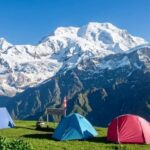
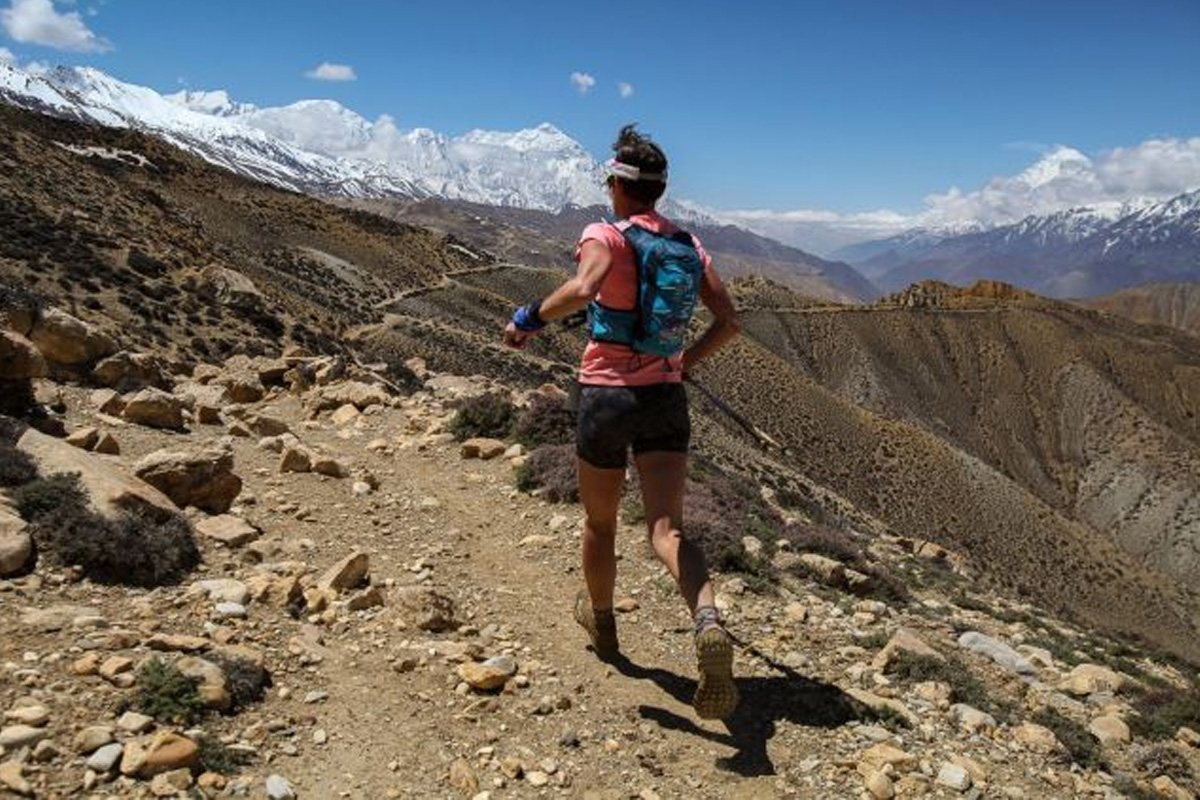
Trekking has long been a popular activity in Nepal, but in recent years, trail running has quietly become popular in the country’s mountains. From forest paths below Annapurna to high-altitude ridgelines near Everest, the country offers some of the most dramatic running terrain on Earth.
For runners who crave thin air, wide horizons, and the rhythm of footsteps on mountain trails, understanding the best trail running routes and altitudes in Nepal is the first step toward an unforgettable journey.
Running in Nepal is not about chasing personal records. It is about moving through landscapes that feel timeless, where every bend in the trail reveals prayer flags, distant peaks, and villages that seem carved into the mountainside. It is motion-based travel that is both intensely immersive and slower than racing or hiking.
Why Nepal Is Becoming a Trail Running Paradise
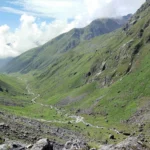
What makes Nepal special for trail runners is variety. In a single week, you can run through subtropical forests, alpine meadows, and high Himalayan valleys.
Few countries offer such dramatic altitude changes over short distances. One day you might be cruising along river trails at 1,200 meters, and the next you could be climbing past 4,000 meters with snow peaks towering overhead.
For adventure runners, this diversity turns every route into a story. You don’t just run through scenery; you run through culture, weather, and geography all at once.
Understanding Altitude and Its Role in Trail Running
Altitude changes everything in Nepal. The air becomes thinner, the pace naturally slows, and recovery takes longer. That’s why knowing the altitudes of Nepal’s trail running routes is just as important as knowing the distances.
Low-altitude routes below 2,000 meters are ideal for warm-up runs and endurance training. Mid-altitude trails between 2,000 and 3,500 meters offer the perfect balance of challenge and comfort. High-altitude routes above 4,000 meters are for experienced runners only, where acclimatization and careful pacing become essential.
Running at altitude is about breathing with the mountains and learning how to move effectively in thin air, not about speed.
Best Trail Running Routes and Altitudes in Nepal
One of the most popular areas for trail runners is the Annapurna region. The trails around Pokhara, Australian Camp, and Ghandruk sit between 1,000 and 2,000 meters, making them perfect for scenic runs with moderate elevation gain. Runners enjoy forest paths, stone staircases, and sweeping views of Machhapuchhre and Annapurna South.
For those seeking higher ground, the Annapurna Circuit side trails near Manang provide incredible running terrain at 3,500 meters. These routes offer wide valley views, dry mountain air, and a sense of space that few running destinations can match.
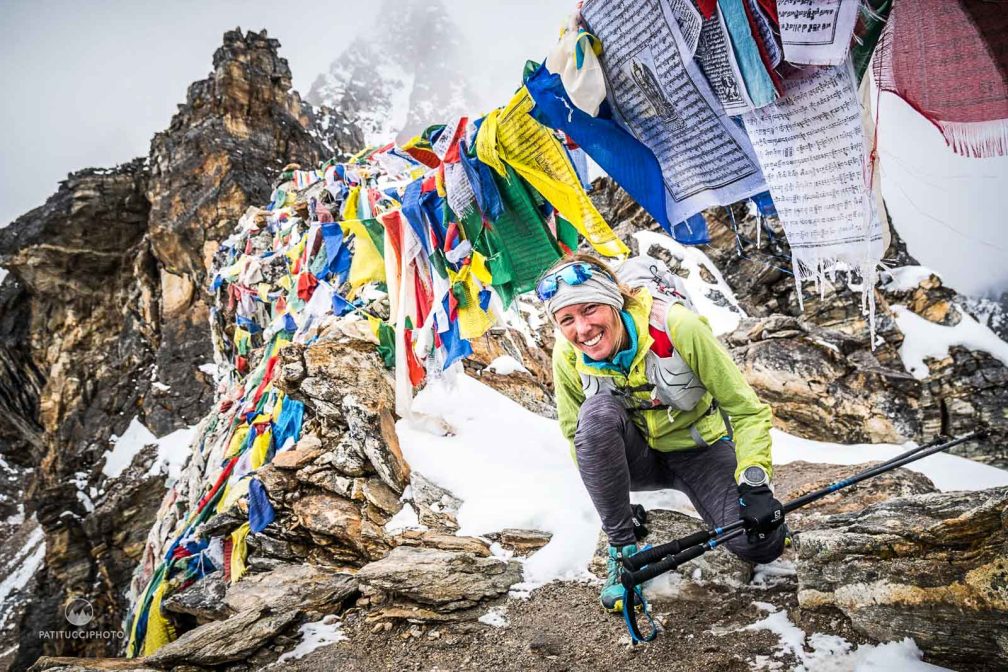
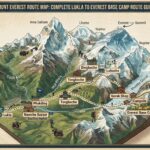
In the Everest region, the trails from Namche Bazaar to Thame and Khumjung are legendary among high-altitude runners.
Sitting between 3,400 and 3,800 meters, these paths combine cultural richness with breathtaking Himalayan backdrops. Prayer wheels spin as runners pass, yaks move slowly along the trail, and Everest watches from afar.
Langtang Valley is another hidden gem for trail runners. With routes ranging from 2,000 to 3,800 meters, it offers a quieter alternative to Everest and Annapurna.
The trails follow rivers, climb through pine forests, and open into wide alpine meadows, making every run feel like an exploration.
For elite runners seeking extreme altitude, sections of the Manaslu Circuit and Upper Mustang deliver raw, high-desert terrain above 4,000 meters. These routes demand respect and preparation, but they reward runners with solitude and landscapes that feel otherworldly.
Choosing the Right Route for Your Running Style
Not every trail runner comes to Nepal for the same reason. Some want gentle endurance runs with beautiful scenery. Others seek technical climbs, steep descents, and thin air that push physical limits.
If you are new to trail running at altitude, start in Pokhara or lower Annapurna routes where the body can adapt slowly.
Intermediate runners often enjoy Langtang or mid-altitude Everest trails, while seasoned mountain athletes look toward Manaslu or Mustang for their next challenge.
Matching the route to your experience level is the key to enjoying trail running in Nepal rather than simply surviving it.
What to Expect on Nepal’s Trail Running Routes
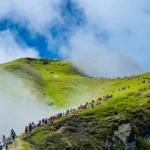
Trail running in Nepal feels very different from running in Europe or North America. Trails are often shared with trekkers, porters, mules, and local villagers. You might slow down not because you are tired, but because a herd of goats is crossing your path.
This rhythm adds charm to the experience. Runs are filled with smiles from locals, tea stops in village lodges, and moments of quiet reflection on high ridges. Every run becomes a small journey rather than just a workout.
Essential Gear for Running in the Himalayas
Good gear makes all the difference on Nepal’s trails. Lightweight trail shoes with strong grip are essential for rocky paths and dusty descents. Layered clothing helps manage changing temperatures, especially on routes that climb quickly.
A hydration pack is a must, especially at higher altitudes where dehydration comes faster. Many runners also carry energy snacks, sunscreen, and a light wind jacket for sudden weather changes.
For high-altitude routes, trekking poles can be surprisingly helpful, especially on long climbs and steep downhills.
Safety Tips for Trail Runners in Nepal
Safety in the mountains begins with humility. Weather can change fast, and trails that look simple on a map can feel very different on the ground. Running with a local guide is highly recommended, especially on unfamiliar routes.
Guides understand trail conditions, know safe water points, and help runners pace themselves at altitude. They also provide cultural insight that turns a run into a richer travel experience.
This is where Nepal Adventure Trail quietly sets itself apart. They are best known for trekking and expeditions, but they have also evolved into a dependable partner for adventure runners seeking more than just a route—local knowledge, safety assistance, and carefully planned experiences.
Their understanding of Nepal’s terrain and logistics makes them a strong choice for runners looking to explore the best trail running routes and altitudes in Nepal without unnecessary risks.
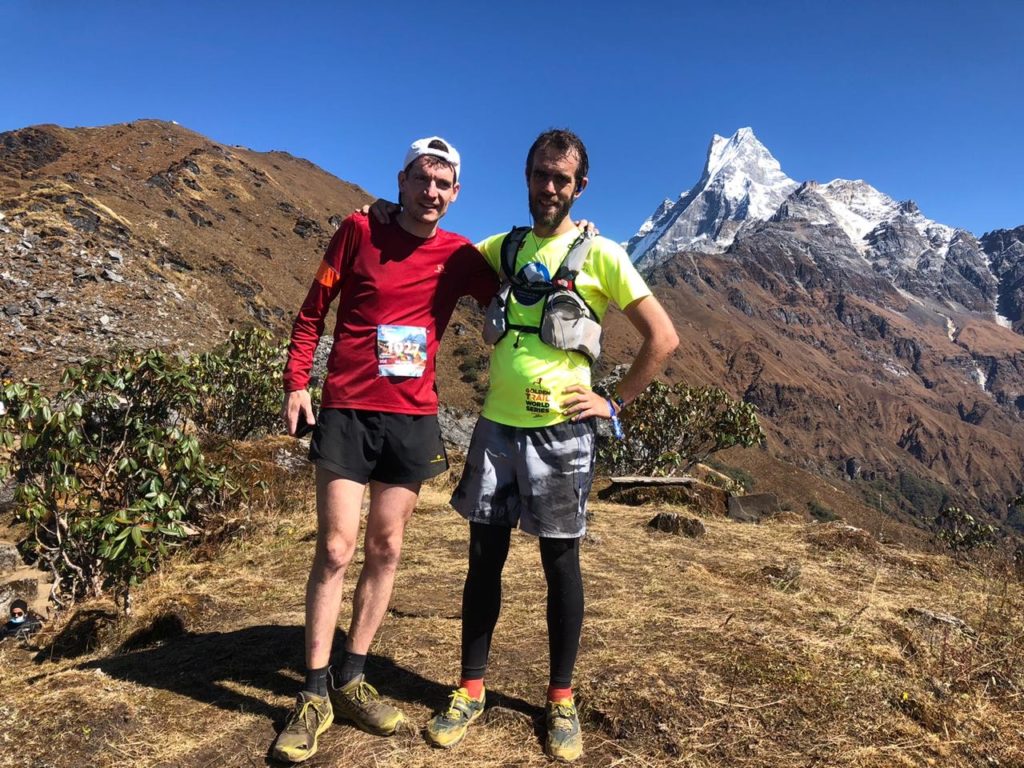
When Is the Best Time to Run in Nepal
Spring and autumn are ideal for trail running in Nepal. Spring brings mild temperatures and blooming hillsides, while autumn offers crisp air and clear mountain views.
Winter runs are possible at lower altitudes but can be challenging higher up. Monsoon season brings lush scenery but slippery trails and limited visibility.
Choosing the right season ensures your runs stay enjoyable rather than exhausting.
Why Trail Running in Nepal Feels Different
Trail running here is not just about fitness. It is about movement through living landscapes, where every village has a story and every mountain pass carries meaning. You run past prayer flags, through ancient trade routes, and along paths walked for centuries.
For many runners, Nepal becomes more than a destination. It becomes a place where sport meets spirituality, where effort meets silence, and where every breath reminds you that you are truly alive in the mountains.
Final Thoughts on Running the Himalayas
Exploring the best trail running routes and altitudes in Nepal opens the door to a unique kind of adventure travel. It blends endurance with exploration, challenge with beauty, and speed with stillness. Whether you are cruising through forest trails near Pokhara or pushing yourself on high ridges in Everest country, every run becomes a story worth telling.
And if you want that story to unfold smoothly, safely, and with genuine local insight, Nepal Adventure Trail stands as one of the most reliable adventure partners in the country. A team that knows the mountains and the runners who come to meet them, not just a trekking company.