- Nepal
- Tibet
- Bhutan
- Company
- Plan Your Trip
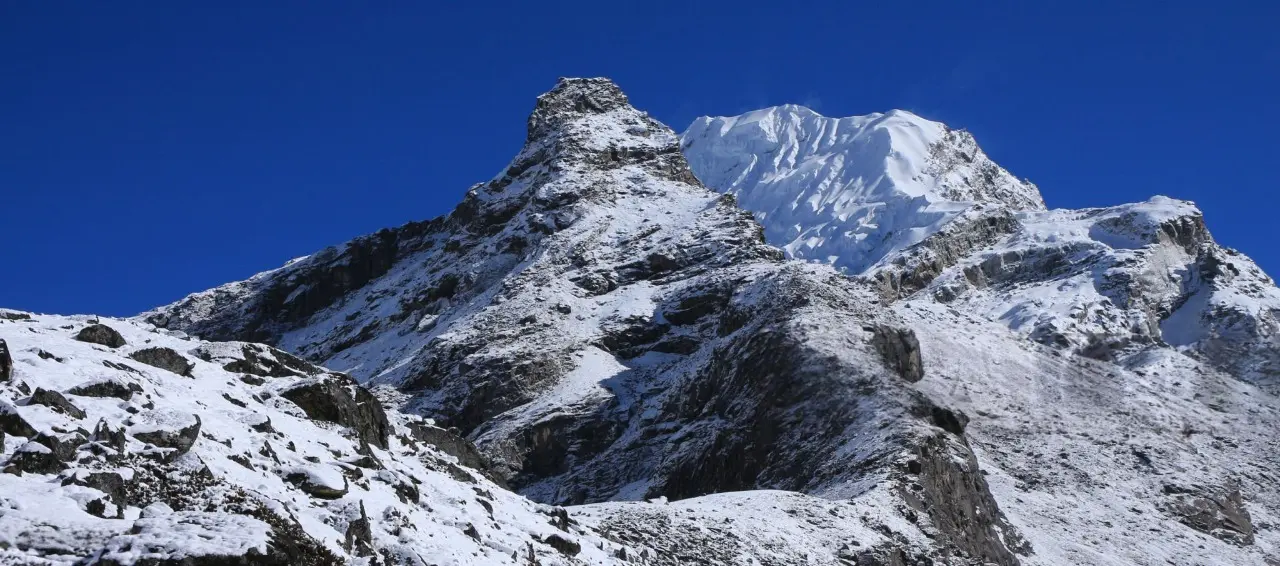
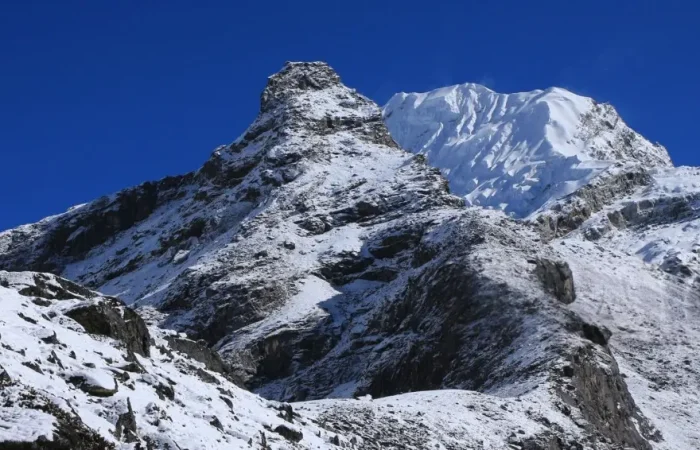
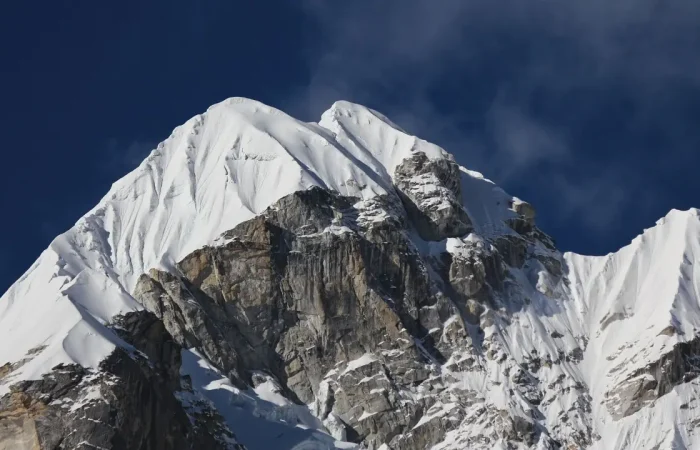
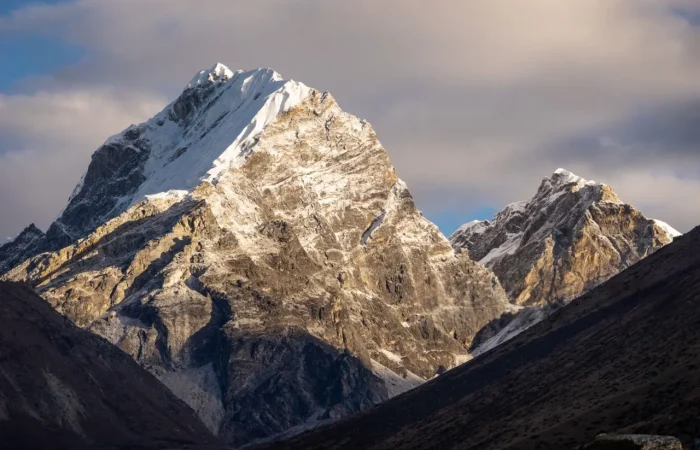
Lobuche Peak, towering at 6,119 meters, is a premier trekking peak in Nepal’s iconic Everest region, renowned for its stunning vistas and achievable challenges.
This Lobuche Peak climbing adventure blends moderate technical climbing with breathtaking views of Mount Everest, Lhotse, Makalu, and Ama Dablam, ideal for aspiring mountaineers.
Paired with the iconic Everest Base Camp trek, this 17-day journey offers cultural immersion and high-altitude thrills in the Khumbu region.
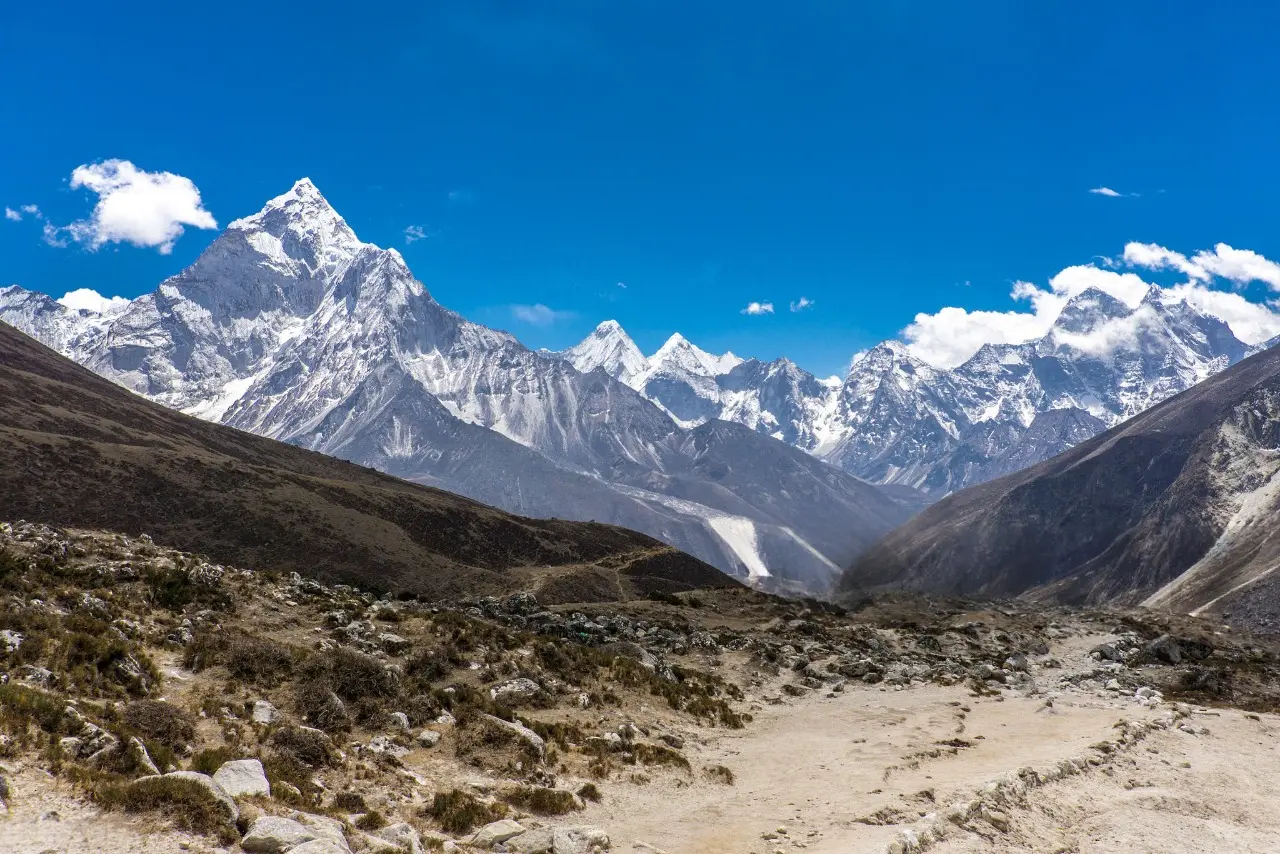
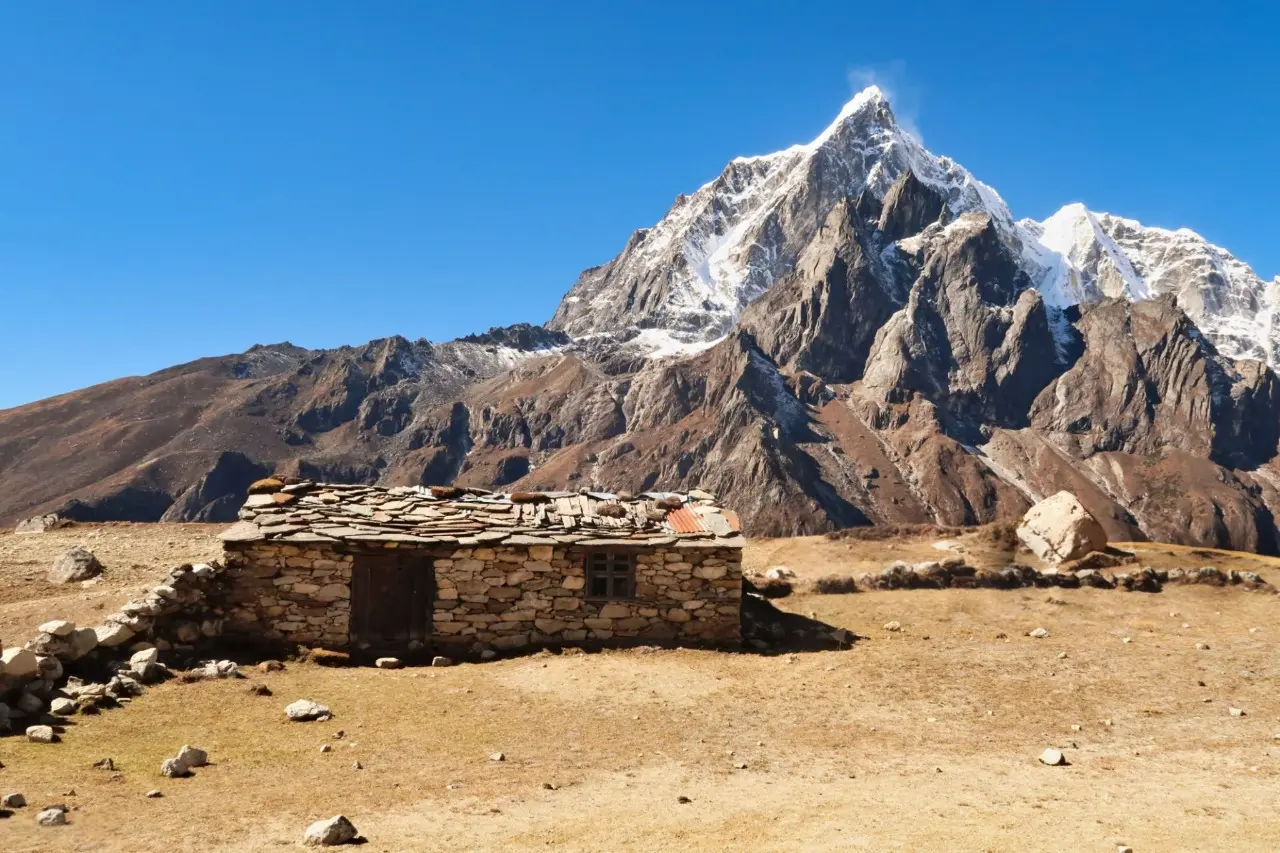
1. Trekking the Khumbu Region
Start with a scenic flight to Lukla (2,860m), trekking through Sherpa villages like Namche Bazaar (3,440m) and Dingboche (4,410m).
2. Acclimatization
Rest days in Dingboche and side treks to Nagarjun Hill (5,100m) or Kala Patthar (5,545m) ensure proper acclimatization.
3. Base and High Camp
Trek to Lobuche Base Camp (4,940m) and High Camp (5,400m), preparing with technical gear training.
4. Summit Push
The 6-8 hour summit climb uses fixed ropes, crampons, and ice axes, offering panoramic views of the Everest range.
5. Everest Base Camp
Visit Everest Base Camp (5,364m) for an iconic experience before descending.
The best seasons for Lobuche Peak climbing are spring (March-May) and autumn (September-November), with stable weather and clear skies.
Winter climbs require advanced preparation due to extreme cold and snow.
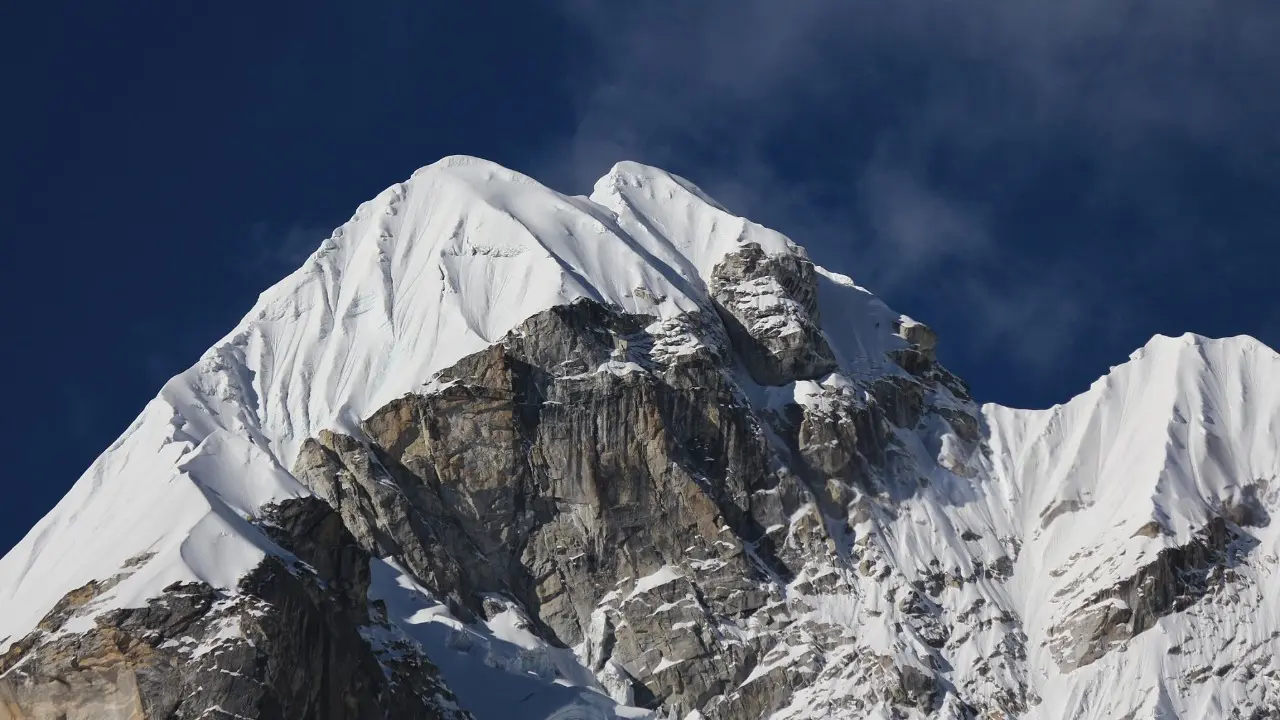
Lobuche Peak’s difficulty is moderate, involving snow and ice climbing with fixed ropes, crampons, and ice axes.
Physical fitness and high-altitude trekking experience are essential for the 6,119m climb.
First summited in 1984 by a Swiss team, Lobuche Peak is a popular choice for trekkers transitioning to mountaineering.
Lobuche Peak climbing suits trekkers with some mountaineering experience seeking a Himalayan summit.
If you’ve completed the Everest Base Camp trek, this is a natural next step.
It’s ideal for adventurers craving technical climbing and the Khumbu region’s beauty.
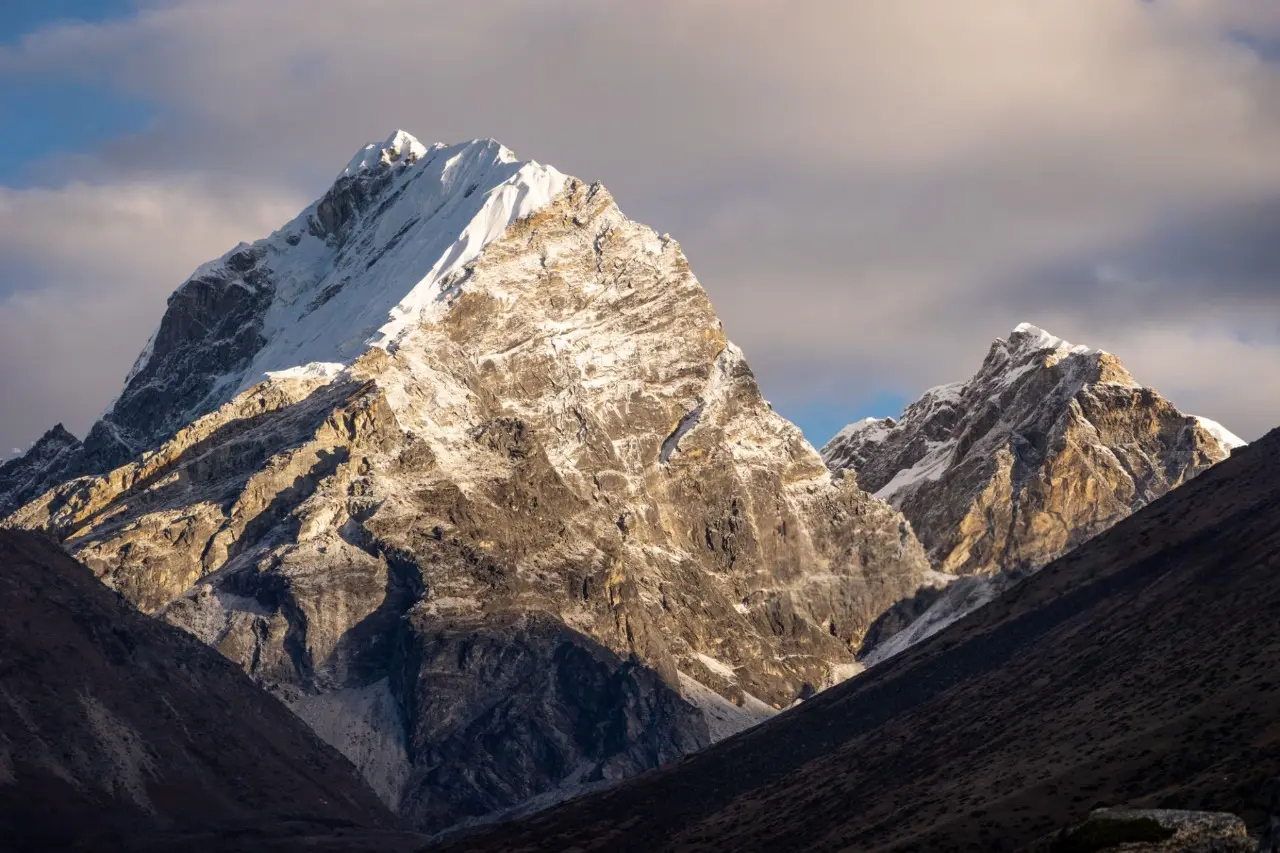
Key preparation includes:
Required permits:
A guided Lobuche Peak expedition ensures safety, technical expertise, and logistical support.
Guides navigate terrain, provide emergency support, and share Sherpa cultural insights.
Focus on the adventure while guides handle logistics.
Lobuche Peak climbing blends technical mountaineering with Himalayan exploration.
This 6,119m adventure offers stunning views, cultural richness, and triumph for trekkers and mountaineers.
Plan your Lobuche Peak expedition in Nepal today and conquer the Khumbu region’s iconic peak!
 Accommodation & Meals
 Permits & Documentation
Upon arrival at Tribhuvan International Airport, our team will warmly welcome you and transfer you to your hotel in Kathmandu. After check-in, you can relax or explore the bustling streets of Thamel. In the evening, we’ll hold a briefing about your upcoming trek and climbing adventure.
An early morning scenic flight takes you to Lukla, the gateway to the Khumbu region. After meeting the trekking crew, the journey begins with a gradual walk through Sherpa villages, mani walls, and pine forests. Overnight in Phakding along the riverside.
Today’s trek follows the Dudh Koshi River, crossing several suspension bridges, including the famous Hillary Bridge. A steep climb through pine forest brings you to Namche Bazaar—the vibrant Sherpa capital with stunning views of Everest, Lhotse, and Kusum Kanguru.
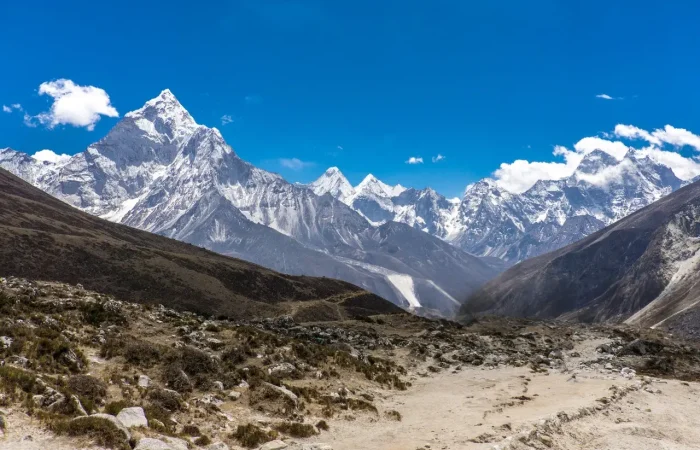
Leaving Namche, the trail gently ascends with superb views of Ama Dablam, Thamserku, and Khumbila. After passing Mong La, a ridge-top village, we descend through rhododendron forests to reach Phorste Thanga, a riverside hamlet.
A shorter trekking day with steady uphill climbs. The trail passes through birch and juniper forests before reaching Dole. The mountain views become more dramatic as you gain altitude.
We continue on a gentle ascent through open valleys with grazing yaks. Passing Lhabarma and Luza, we eventually reach Machhermo, known for its yak pastures and sweeping views of Cho Oyu (8,188m).
The trail gradually climbs up to the first, second, and third Gokyo Lakes—turquoise glacial lakes shimmering beneath snow-capped peaks. Overnight at Gokyo village, beside the largest of the lakes.
An early morning ascent of Gokyo Ri rewards you with breathtaking sunrise views over Everest, Lhotse, Makalu, and Cho Oyu. After descending, we trek across the glacier to reach Thagnak, preparing for the challenging Cho La crossing.
A demanding but rewarding day! We ascend steeply to cross the icy Cho La Pass, decorated with prayer flags at the top. Descending carefully, we continue to the small settlement of Dzongla surrounded by dramatic peaks.
From Dzongla, the trail leads along rugged paths with excellent views of Lobuche, Ama Dablam, and Cholatse. We set up camp at Lobuche Base Camp, preparing for the climb ahead.
The route climbs steeply over rocky terrain to reach High Camp. After some training and practice with climbing gear, we rest early to prepare for the summit push.
The most exciting day of the expedition! A pre-dawn climb with ropes and crampons takes us to the summit of Lobuche East. From the top, you’ll witness an unforgettable panorama of Everest, Lhotse, Makalu, and countless Himalayan giants. After celebrating, we descend carefully back to Base Camp or lower.
We retrace the trail along the Khumbu Glacier and descend through beautiful valleys, eventually reaching Pangboche—the oldest Sherpa village, home to a famous monastery.
A long but scenic day trekking back to Namche. Enjoy hot showers, bakeries, and the lively Sherpa market after days in the high mountains.
The final trekking day retraces our steps along the Dudh Koshi River before reaching Lukla. Celebrate the completion of your climb and trek with your team.
A short morning flight returns you to Kathmandu. In the afternoon, enjoy a guided city tour covering UNESCO World Heritage Sites such as Boudhanath Stupa, Pashupatinath Temple, or Patan Durbar Square. Evening free for shopping and farewell dinner.
Your incredible Himalayan adventure comes to an end. Our team will transfer you to the airport for your onward journey, leaving you with lifelong memories of Lobuche East Peak and the Everest region.