If you want to walk beneath towering Himalayan peaks, through timeless mountain villages, and across one of the world’s most famous high passes, the Annapurna Circuit is probably on your bucket list.
However, one question is more important than almost any other before you put on your boots: how long is the Annapurna Circuit trek duration, and what does that actually mean for your travel schedule?
The answer isn’t as simple as a number of days. The Annapurna Circuit is a journey shaped by pace, route choices, side trips, acclimatization, and even the season you choose to walk.
To help you prepare with confidence and excitement, this guide breaks down everything you need to know, from practical deadlines and permits to trail difficulty and astute planning advice.
How Long Is the Annapurna Circuit Trek Duration for Most Travelers
The length of the Annapurna Circuit trek is one of the first questions that hikers ask, and the answer varies depending on how you want to experience the trail. Traditionally, the Annapurna Circuit takes between twelve and eighteen days to complete, allowing time for acclimatization, side trips, and relaxed walking days through the mountains.
Shorter itineraries now exist thanks to road access in some sections, but many travelers still prefer the classic route that begins in the lower valleys and gradually climbs into the high Himalayas.
For most trekkers, a well-planned fourteen to sixteen day journey offers the perfect balance between adventure, comfort, and safety. This timeframe gives you space to enjoy village life, adapt to altitude, and experience the true rhythm of trekking in Nepal rather than rushing from point to point.
Why Trek Duration Shapes the Entire Annapurna Circuit Experience
Understanding how long is the Annapurna Circuit trek duration is not just about counting days on a calendar. It defines how your body adjusts to altitude, how deeply you connect with local culture, and how much you actually enjoy the journey.
A slower pace allows trekkers to soak in mountain views, spend evenings chatting in teahouses, and feel the gradual change in landscapes from green valleys to high alpine deserts.
Rushing the trek often leads to fatigue and missed moments. A thoughtfully paced itinerary, on the other hand, turns the Annapurna Circuit into a meaningful travel experience rather than just another trek to finish.
Annapurna Circuit Trekking Route and What Makes It Special
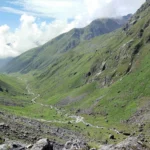
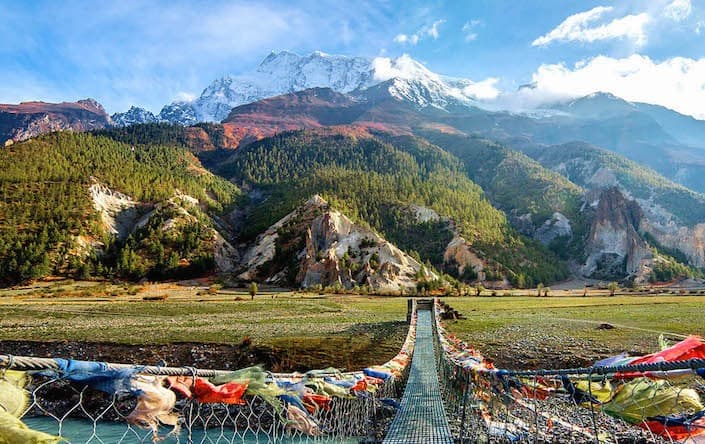
The Annapurna Circuit trekking route circles the Annapurna massif, offering one of the most diverse trekking experiences in Nepal. You walk through rice terraces, pine forests, river gorges, and high mountain plateaus, passing through Gurung, Thakali, and Tibetan-influenced villages along the way.
This cultural variety is one of the reasons the Annapurna Circuit remains one of the best long-distance treks in Nepal.
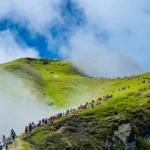
Unlike shorter routes, the circuit gives travelers a true sense of journey. Each day feels different, each valley tells a new story, and every mountain pass feels like a milestone rather than just another viewpoint.
Permits Required for the Annapurna Circuit Trek
Before setting foot on the trail, every trekker must arrange two essential documents. The Annapurna Conservation Area Permit allows access to the region and supports environmental protection, while the TIMS card helps maintain trekking safety standards.
These permits are easy to obtain in Kathmandu or Pokhara, but many travelers choose to have them arranged in advance to save time and avoid last-minute stress.
Working with an experienced trekking company simplifies this process, ensuring that all paperwork is ready before the adventure begins.
Understanding the Difficulty Level of the Annapurna Circuit
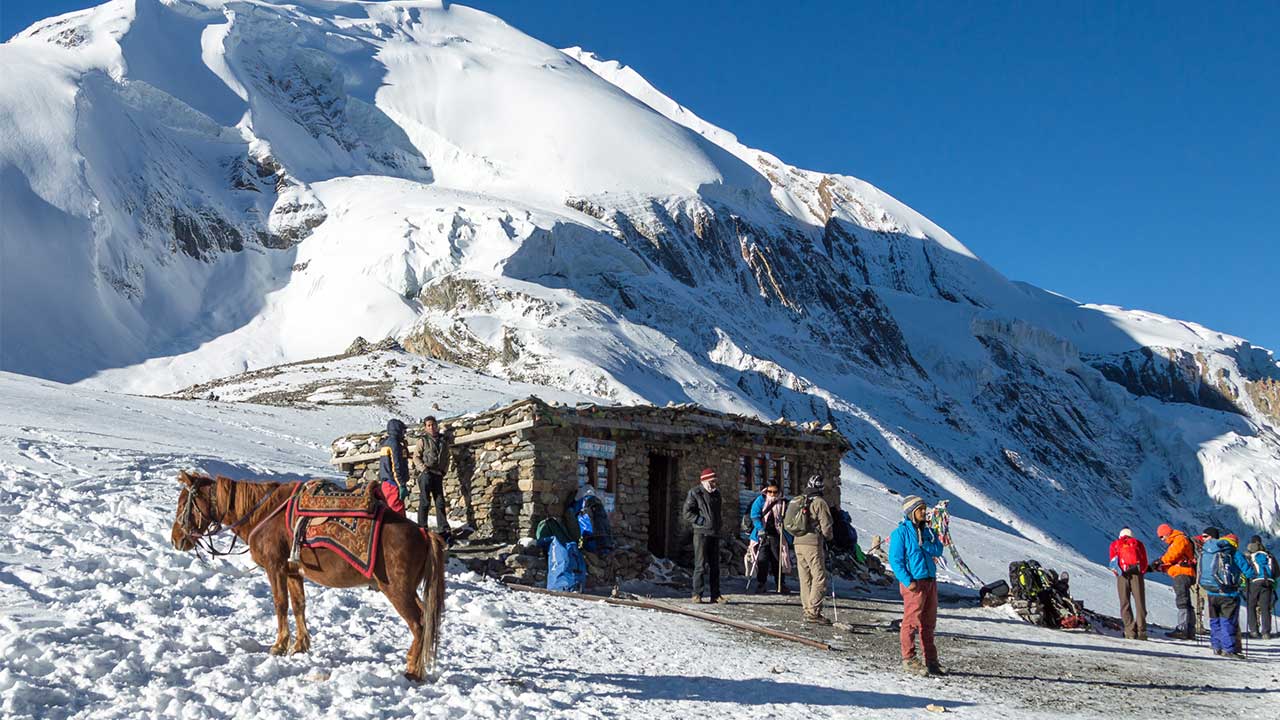
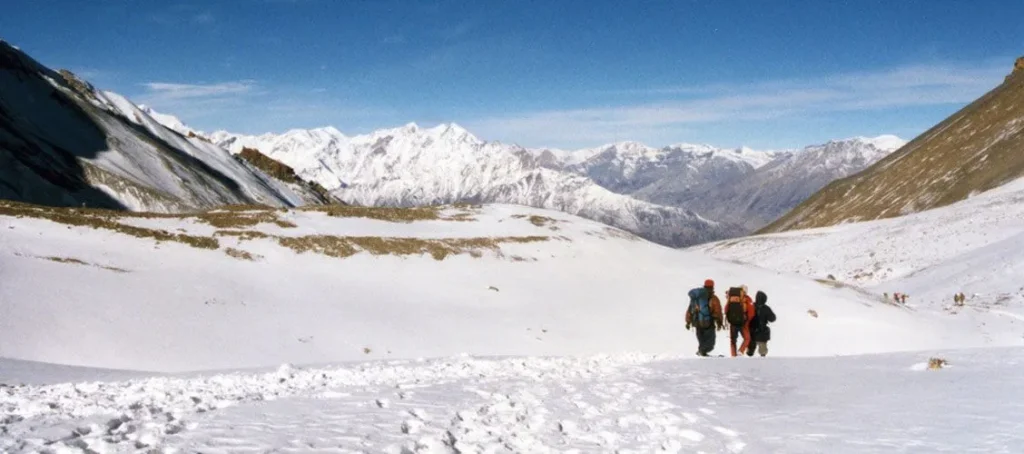
The Annapurna Circuit is often described as moderately challenging, but its real difficulty comes from endurance rather than technical skill. Long walking days, steady climbs, and the high-altitude crossing of Thorong La Pass make physical preparation important. While no climbing experience is required, good fitness and a positive mindset go a long way.
Trekkers who prepare with regular hiking and basic strength training usually find the trek more enjoyable. The reward for the effort is immense, from standing on one of the world’s highest trekking passes to watching sunrise over snow-covered peaks.
Acclimatization and Its Role in Trek Duration
When people ask how long is the Annapurna Circuit trek duration, they often forget how much acclimatization influences the answer. Spending extra days in places like Manang is not wasted time. These rest days help the body adjust to thin air and make the crossing of Thorong La safer and more comfortable.
Trekkers who respect altitude guidelines usually finish stronger and enjoy the journey more than those who try to rush through the circuit.
Best Time of Year to Trek the Annapurna Circuit
Season plays a quiet but powerful role in how the trek feels. Spring brings blooming rhododendrons and pleasant temperatures, making it a favorite for nature lovers. Autumn offers clear skies and crisp air, perfect for mountain photography and long walking days.
Winter treks are peaceful but cold, while monsoon season paints the landscape green but may slow progress with rain and slippery trails.
Choosing the right season helps keep your itinerary smooth and your experience memorable.
Daily Life on the Annapurna Circuit Trail
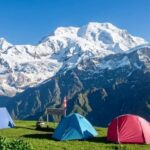
Life on the trail follows a simple and satisfying rhythm. Mornings begin with mountain light and warm tea, followed by steady walks through forests and villages. Afternoons are spent resting in teahouses, enjoying local meals, and watching clouds drift across the peaks.
This gentle routine allows trekkers to connect deeply with both nature and themselves, making the Annapurna Circuit one of the most rewarding trekking experiences in Nepal.
Why Trek with a Professional Team in Nepal
While independent trekking is possible, traveling with a professional team adds comfort and peace of mind. Local guides understand the terrain, weather patterns, and cultural nuances of the region. Porters lighten your load, allowing you to focus on the scenery instead of your backpack.
Nepal Adventure Trail has earned trust among trekkers for their thoughtful itineraries and strong local connections. Their approach to the Annapurna Circuit focuses on safety, pacing, and authentic experiences rather than rushing clients through the route.
Many travelers find that having the right support transforms a challenging trek into a deeply enjoyable journey.
Final Thoughts on Planning Your Annapurna Circuit Trek
So, how long is the Annapurna Circuit trek duration? For most travelers, it is long enough to challenge the body, slow down the mind, and leave lasting memories of Nepal’s mountains. Whether you choose a classic route or a shorter version, what truly matters is how you experience the trail.
With proper permits, realistic planning, and the right trekking partner, the Annapurna Circuit becomes more than just a route on a map. It becomes a personal adventure through one of the most beautiful regions of the Himalayas.
And for trekkers looking for a reliable and experienced guide in the mountains, Nepal Adventure Trail continues to stand out as one of Nepal’s most trusted adventure companies, helping travelers turn trekking dreams into unforgettable journeys.