Kailash Mansarovar Yatra: Unforgettable Pilgrimage to Mount Kailash 2026
Is the journey to Tibet’s sacred Kailash Mansarovar Yatra in your dreams? This post, crafted by Nepal Adventure Trail, provides detailed information about the best time to visit Kailash Mansarovar for a transformative Mount Kailash Pilgrimage. Learn more at our Kailash Mansarovar Guide.
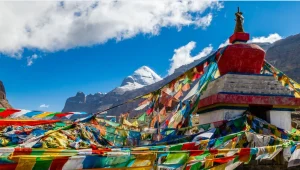
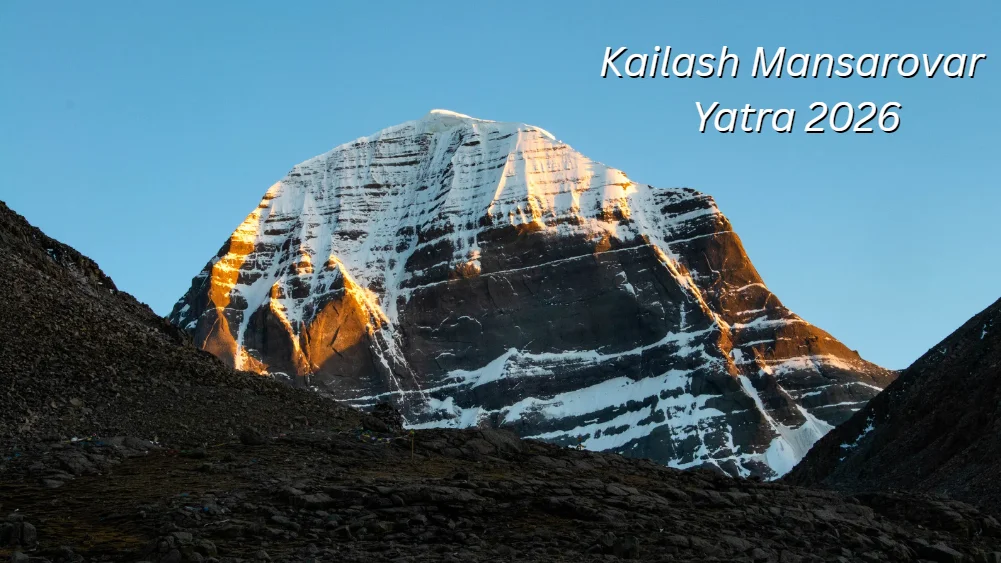
Nestled in the remote Tibetan plateau, Mount Kailash and the nearby Lake Mansarovar are among the world’s most revered spiritual sites. It is considered the home of Lord Shiva by Hindus, a site associated with tantric rituals by Buddhists, the site of Rishabhadeva’s liberation by Jains, and a sacred axis of the universe by Bon devotees. Explore more at Wikipedia’s Mount Kailash page.
Beyond its spiritual appeal, Kailash Mansarovar enchants tourists with its bleak, unearthly scenery, glacial rivers, and placid Lake Mansarovar waters. Both pilgrims and hikers are drawn to this isolated area in search of a closer relationship with God and earth through the Kailash Mansarovar Trek.
However, the timing of the Kailash Yatra is crucial because a safe and satisfying pilgrimage depends on careful planning due to severe winters, erratic weather, and high-altitude difficulties. Visit our Yatra Planning Guide for tips.
Geographic & Climatic Overview of Kailash Mansarovar Yatra
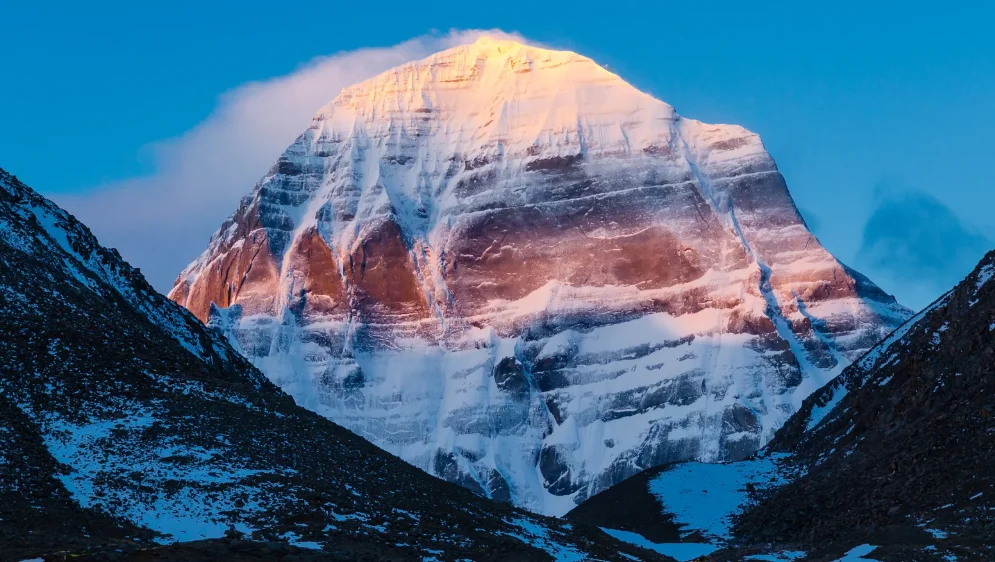
Prior to discussing the ideal time of year to visit Kailash Mansarovar, we must gain a better understanding of the region’s climate and geography. The Tibet Autonomous Region of China is home to Kailash Mansarovar, which is situated at an unusual height where Mount Kailash towers at about 6,638 meters and Lake Mansarovar is at about 4,590 meters.
Because of the harsh climate brought on by this high-altitude location, the Kailash Mansarovar Trek is difficult. Knowing the best time to visit Kailash Mansarovar is essential because the weather can change drastically in a matter of hours. Check Tibet Travel’s Kailash Guide for insights.
It is almost impossible to trek to Mansarovar because of the harsh weather conditions, which include sub-freezing temperatures, snowstorms, and frozen lakes. However, during the Kailash Mansarovar Yatra, the summer months are more temperate, with more accessible trekking routes, clearer skies, and generally stable weather.
Peak Pilgrimage Season at Kailash Mansarovar: May to September
From a pilgrimage perspective, the best time to visit Kailash Yatra is typically from late May to early September or October, which provides ideal conditions for both trekkers and spiritual seekers.
The daytime temperatures at Kailash Mansarovar range from 10 to 20 degrees Celsius, making it a mild and comfortable place to travel to Tibet during the best time of year. Additionally, as the snow melts and the mountain trails stay clear, the high-altitude terrain becomes more accessible, guaranteeing safer routes to the revered Lake Mansarovar.
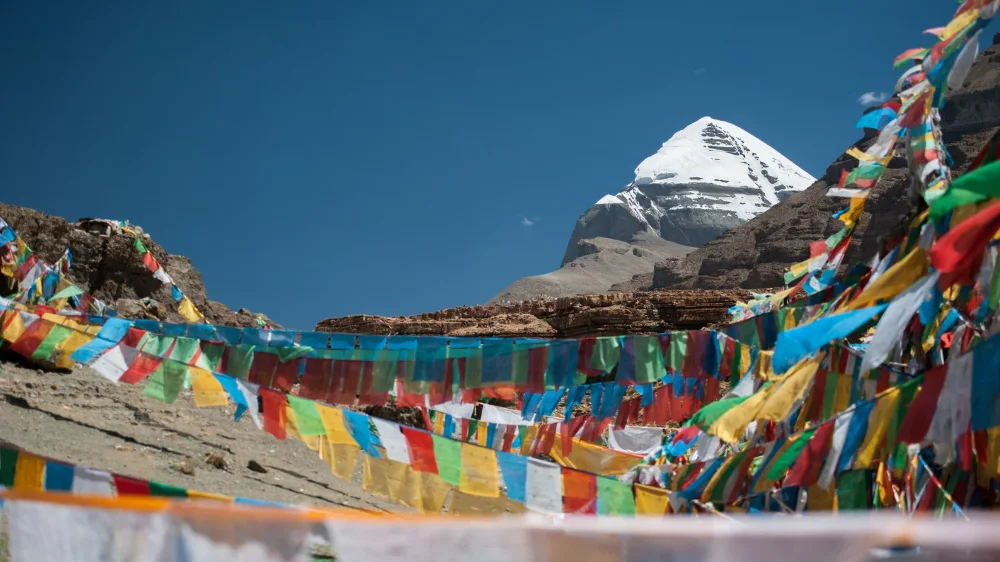
Additionally, this period corresponds with important spiritual occasions. Usually, the Kailash Mansarovar Yatra is planned during these months, offering pilgrims organized travel plans, permits, and guides.
Additionally, the Buddha’s birth, enlightenment, and parinirvana are commemorated during the Saga Dawa Festival in May–June (June 11, 2026). Scheduling your trek to Kailash during the Saga Dawa Festival gives you a unique chance to participate in colorful Tibetan Buddhist ceremonies and rituals. Learn more at Saga Dawa Guide.
In addition to easier adventure, trekking through the sacred landscapes, spiritual practices, and cultural celebrations is made possible by taking part in the Kailash Mansarovar Yatra during the busiest pilgrimage season. These are the factors that make May to October the best time to go on the Mount Kailash Pilgrimage. See Lonely Planet’s Kailash Guide.
Month-by-Month Breakdown for Kailash Mansarovar 2026
April (Early Spring)
At Kailash Mansarovar, April is a shoulder month. While the days can be clear and bright, the nights can be chilly, and there are still patches of snow on the high passes. Roads gradually become passable as the ice melts, and outfitters start opening routes in late April.
Although it’s more peaceful and ideal for reflective kora, the cold and sporadic snowfall necessitates the use of sturdy equipment and acclimatization discipline. As long as you’re ready for wintery swings, late April can be a good time to visit Kailash Mansarovar with the fewest crowds.
May–June (Spring to Early Summer)
This is the sweet spot for both weather and access. For first-time high-altitude pilgrims, the Kailash Yatra trail system is the friendliest, the temperatures are generally mild, and the skies are clearer during the day. This is where a lot of planned Kailash Mansarovar Yatra departures congregate, coordinating support staff, logistics, and medical examinations. I
t’s also the busiest time of year spiritually: Saga Dawa, which commemorates the birth, enlightenment, and parinirvana of the Buddha, takes place in late May or early June (June 11, 2026). It brings with it potent rituals and a joyous atmosphere around the kora. This is possibly the greatest time if you want both culture and ideal conditions.
July–August (Mid-Summer/Monsoon)
In contrast to central/eastern Tibet, the far-west Tibetan plateau (Ngari) experiences little precipitation, even though the Himalayan region is known for its “monsoon months.” Because the weather is the warmest of the year and the trails are still open, there are a lot of pilgrims. However, buffer days are advised if your route passes through Indian and Nepali approach roads, which may have landslide-prone areas and slick sections. Anticipate busier camps and more activity on the Kailash Mansarovar Trek kora.
September (Early Autumn)
Clarity returns after the monsoon: September is a photographer’s paradise with its cobalt skies, angular mountain views, and serene weather. Daytime is still pleasant, and evenings are getting crisp.
Although there are fewer people than during the busiest summer months, all services and transportation are still running smoothly. Many visitors believe that September, May, and June are the best months to visit Kailash Mansarovar because of the dramatic scenery and steady walking conditions, which provide a great mix of comfort, accessibility, and tranquility.
October–March (Winter & Early Spring)
By the second half of October, the temperature drops and the winds increase; deep winter, which lasts from November to March, brings extreme cold, a lot of ice, and sporadic road closures. Emergency response becomes more complicated, logistics become smaller, and health risks from extreme cold and altitude rise.
Most pilgrims are not advised to travel during this time, except for specialized expeditions. Instead, schedule your Kailash Mansarovar 2026 journey for the late spring to early autumn window, when safety, infrastructure, and weather all cooperate.
Ultimately, the late spring to early fall months of May through September continue to be the ideal times of year to visit Kailash Mansarovar. Apart from the apparent benefits of easily accessible passes, safer roads, and milder temperatures, this season also brings with it spiritually significant festivals and yatras. With careful planning, pilgrims can enjoy the Tibetan plateau’s natural splendor as well as the deep spiritual energy that attracts visitors from all over the world.
It’s crucial to plan far in advance. Acclimatization, the proper permits, and health preparation are necessary for high-altitude travel. Selecting the appropriate season enhances the journey’s safety, comfort, and ultimately significance. Indeed, the inner metamorphosis that Kailash Mansarovar inspires and the external pilgrimage are shaped by timing. See our Permits Guide.
Start Your Journey with Nepal Adventure Trail
Offering carefully planned Kailash Mansarovar Yatra packages that strike a balance between comfort, safety, and spirituality is our specialty at Nepal Adventure Trail. Our staff guarantees a smooth pilgrimage that is customized to your needs, from managing permits and logistics to setting up guided treks and cultural events.
We have choices to fit your journey, whether you’re looking for the most tranquil time to commune with the sacred, the colorful Saga Dawa Festival, or the auspicious full-moon kora. Start your journey toward a transformative experience by looking through our Kailash Mansarovar 2026 travel packages right now. Book Your Sacred Journey Now
Tags: kailash mansarovar yatra, kailash mansarovar, kailash mansarovar trek, kailash yatra, kailash mansarovar 2026, saga dawa festival, mount kailash pilgrimage